Telescope Advisor Logo Telescope Advisor
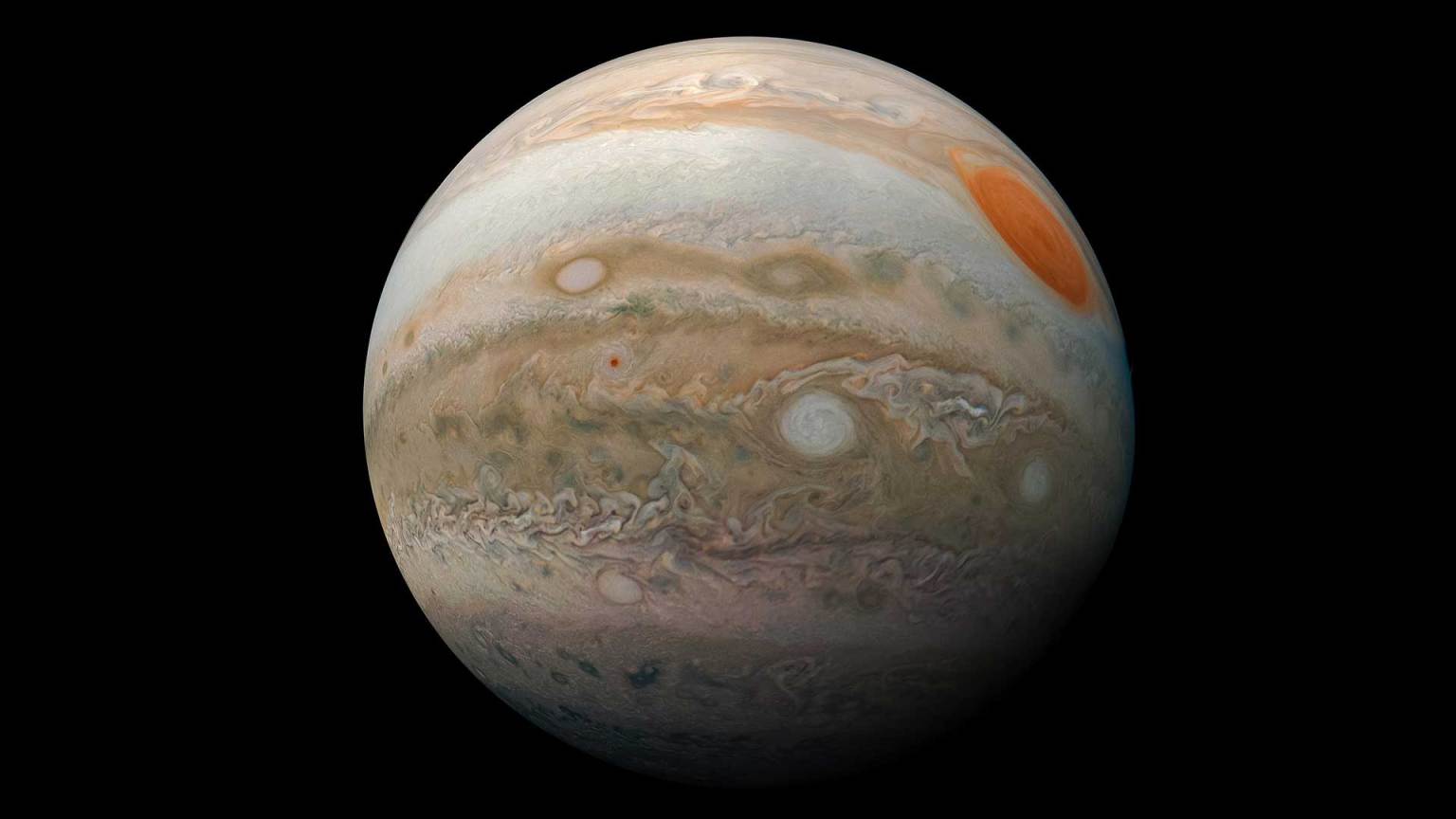
Jupiter photographed by NASA — the NexStar 6SE delivers crisp planetary views of cloud belts and moons

Telescope Review · 2026

Celestron NexStar 6SE Review 2026

The NexStar 6SE sits at the sweet spot of the GoTo SCT range — enough aperture for serious planetary and deep-sky viewing, light enough for one-person transport, and priced to compete. We put it through its paces.

Our Score8.7 / 10
Aperture6" / 150mm SCT
MountSingle-arm GoTo alt-az
Best ForBeginners to intermediate
By Telescope Advisor Editorial Team Published: Updated: Editorial Standards

Quick Verdict

The Celestron NexStar 6SE is the best entry point into the NexStar GoTo SCT family for observers who want real aperture without breaking the bank. The 150mm Schmidt-Cassegrain optics deliver excellent planetary detail — Saturn's Cassini Division, Jupiter's cloud belts, and the Moon's craters are showstoppers. The 40,000+ object GoTo system removes the frustration of manual star-hopping. It is lighter and more portable than the 8SE, making it ideal for balcony or car-boot observing. If you are stepping up from a beginner scope and want computerized GoTo in a compact package under $800, the 6SE is the one to get.

Celestron NexStar 6SE telescope

Celestron NexStar 6SE: Full Specifications

SpecValue
Optical DesignSchmidt-Cassegrain (SCT)
Aperture150mm (5.9 inches)
Focal Length1,500mm
Focal Ratiof/10
Mount TypeSingle-arm alt-azimuth GoTo
Tracking2-axis motorized, alt-az
Hand ControllerNexStar+ (40,000+ objects)
FinderscopeStarPointer red dot
Eyepiece25mm (1.25"), 60× magnification
Diagonal1.25" star diagonal
Optical tube weight~3.6 kg (8 lbs)
Total system weight~12.5 kg (27 lbs) with tripod
Power8×AA batteries or 12V DC
USB / WiFiUSB serial (WiFi adapter optional)

Limiting Stellar Magnitude: ~13.4 — shows objects down to mag 13.4 under good skies.

Resolution (Dawes limit): 0.77 arc-seconds — excellent planetary resolution for a 6-inch aperture.

Highest Useful Magnification: ~300× (though atmospheric seeing limits this to ~200× on most nights).

Tube Length: 432mm (17 inches) — compact for 6-inch aperture thanks to the SCT folded optical path.

Accessories included: 25mm eyepiece (60×), 1.25" star diagonal, NexStar+ hand controller, StarPointer red dot finder, steel tripod with accessory tray.

Optical Performance

The Schmidt-Cassegrain optical design folds the light path using a spherical primary mirror and a Schmidt corrector plate at the front, delivering 1,500mm of focal length in a 432mm tube. For a 6-inch aperture, this is an exceptional amount of reach in a portable form factor. The f/10 focal ratio produces naturally high-contrast images that reward planetary observing.

Planetary Performance

On Saturn at 150–200×: the Cassini Division is cleanly split, the ring shadow is visible on the globe, the equatorial belt and polar shading are apparent, and 3–5 moons can be seen in a single view. Jupiter shows 2–4 equatorial belts, festoons, and the Great Red Spot when it faces you. Mars near opposition reveals the polar cap and surface markings like Syrtis Major. The 6SE's long f/10 ratio means high inherent contrast — a well-known advantage of SCTs for planetary work. For timing and viewing tips, see our Saturn viewing guide for 2026.

Deep-Sky Performance

At 150mm aperture, the 6SE reaches magnitude 13.4 and handles all Messier showpieces comfortably. M13 (Hercules Cluster) is resolved into hundreds of individual stars. M42 (Orion Nebula) shows the Trapezium and surrounding nebulosity. M81 and M82 are easily distinguishable. The f/10 focal ratio means you will want a quality 32–40mm eyepiece for wide-field galaxy and nebula sweeping — the included 25mm provides 60×, which is a reasonable starting point. Bright planetary nebulae like M57 (Ring Nebula) and M27 (Dumbbell) are excellent targets at higher power.

SCT Collimation Note: The 6SE should be collimated periodically (every few months or after transport). Three screws on the corrector plate adjust the secondary mirror. Most 6SEs arrive well-collimated. If stars show an off-center diffraction pattern (the Airy disk ring is not concentric), a quick 5–10 minute collimation with a Cheshire or laser eyepiece will restore optimal performance.
Astrophotography Note: The 6SE on its standard alt-azimuth GoTo mount supports planetary video imaging (short-exposure video stacking of Jupiter, Saturn, Mars, Moon) very effectively. For long-exposure deep-sky astrophotography, the alt-az mount introduces field rotation in exposures beyond ~60 seconds. A Celestron equatorial wedge converts the mount to polar-aligned tracking — but note that the 6SE's modest aperture and long f/10 focal ratio make it a less optimal deep-sky imaging platform than a fast Newtonian on a dedicated EQ mount. See our astrophotography telescope guide for dedicated imaging setups.

What You'll See Through the NexStar 6SE

The 6SE's 150mm aperture resolves detail that will surprise first-time observers at the eyepiece. The NASA/ESA reference images below show the objects you will be pointing at — the captions describe what is actually visible visually at the eyepiece with a 6-inch aperture.

Saturn photographed by NASA Cassini spacecraft showing rings and multiple moons

Saturn — NASA Cassini Reference Image

At the eyepiece at 150–200×: Cassini Division, ring shadow on globe, equatorial belt, and 3–5 moons visible. Visual view is in natural color without processing enhancement.

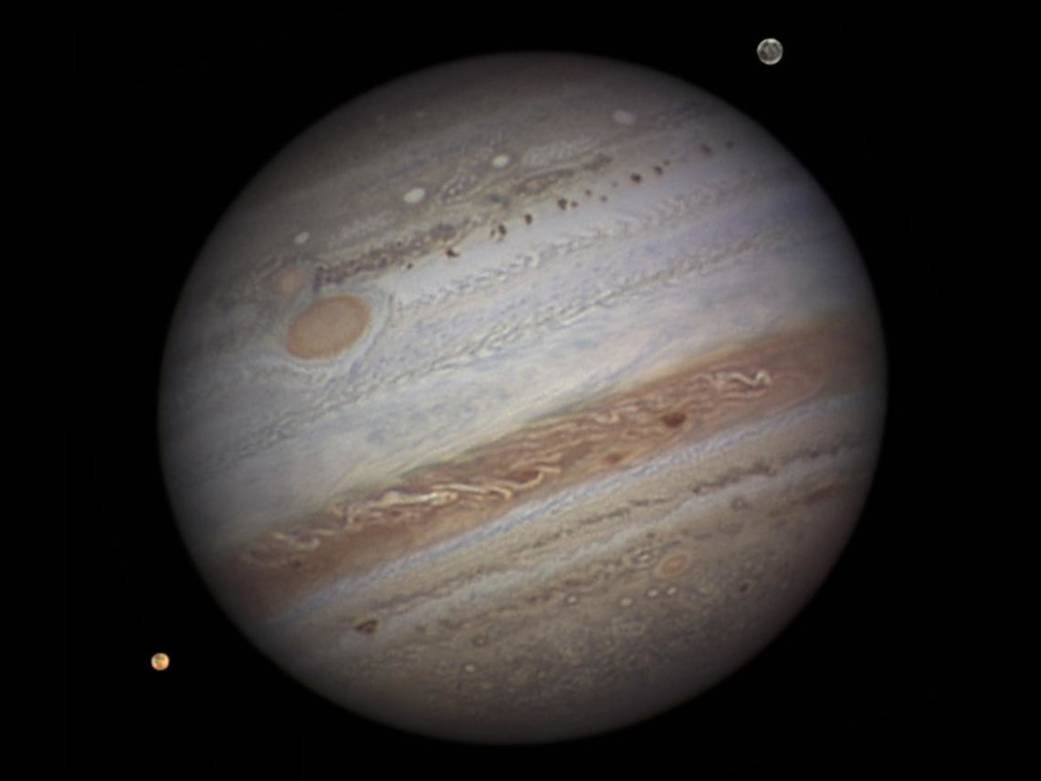
Jupiter — ground-based reference image showing cloud belts and Great Red Spot

Jupiter — Ground-Based Reference Image

At the eyepiece at 150–200×: 2–4 equatorial belts, Great Red Spot when facing, and all four Galilean moons. Image credit: Damian Peach/NASA.

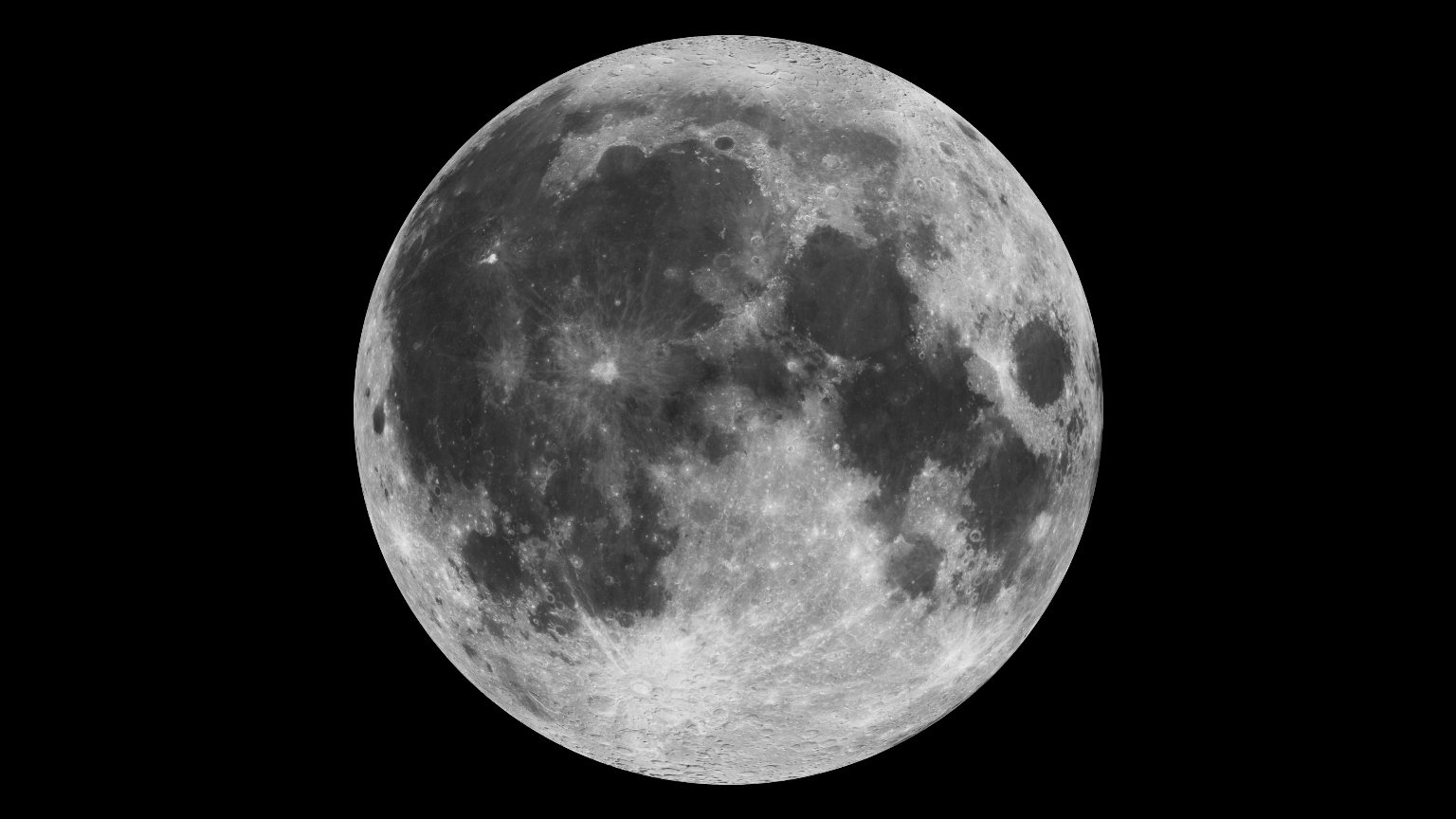
The Moon — NASA Clementine satellite composite showing craters and maria

The Moon — NASA/Clementine Reference Image

At the eyepiece at 100–150×: individual craters, mountain ranges, rilles, and mare boundaries in sharp detail. The Moon is the 6SE's most stunning showpiece. Credit: NASA/Clementine.

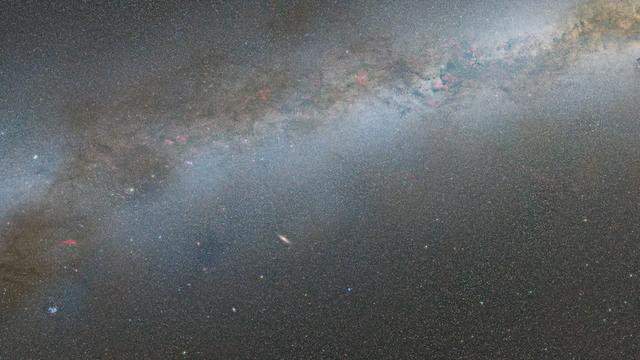
M31 Andromeda Galaxy — reference image

M31 Andromeda Galaxy — NASA/ESA Reference Image

At the eyepiece: bright oval core with halo; satellite galaxies M32 and M110 in the same field. Long-exposure photography reveals the full spiral structure shown here.

About these images: The photos above are NASA/ESA reference images of the objects you will observe — they are not eyepiece photographs taken through the NexStar 6SE. Visual views at the eyepiece differ significantly from long-exposure or space-probe photography. Planets appear in real time; deep-sky objects show structure and texture rather than vivid nebula color. The captions describe what is actually visible to the eye with a 150mm aperture under good seeing conditions.

GoTo Mount & NexStar+ Hand Controller

How GoTo Alignment Works

The NexStar 6SE uses Celestron's proven SkyAlign alignment — the simplest GoTo alignment method available. Point the scope at any three bright objects in the sky (stars, planets, or the Moon), center each one as prompted, and the hand controller automatically identifies them and calibrates its pointing model. First alignment takes about 10 minutes. Experienced observers complete it in 5–7 minutes. A more traditional 2-star alignment is also available for those who prefer it. Once aligned, GoTo pointing accuracy is typically within 1° of the target field — the object falls in or near the eyepiece field of view at low power.

NexStar+ Controller Features

  • ✓ 40,000+ object database (NGC, IC, Messier, planets, double stars, star clusters)
  • ✓ SkyAlign — align on any 3 bright objects without knowing star names
  • ✓ Tour mode — automatically cycles through the best visible objects for your location
  • ✓ Variable slewing speed (1×–9×)
  • ✓ Backlash compensation settings for fine pointing adjustment
  • ✓ PC/Mac connection via USB-to-serial adapter for planetarium software (Stellarium, SkySafari)
  • ✓ Optional Celestron WiFi adapter for wireless control from a smartphone or tablet
Single-Arm Alt-Az Mount Note: The 6SE uses a single-arm fork alt-azimuth mount — the same design as the 8SE and 5SE. This keeps the system light and portable, but means objects within ~15° of the zenith are mechanically difficult to reach. This is rarely a practical problem — simply wait a few minutes for an object to drift away from directly overhead. The mount is NOT equatorially mounted, meaning field rotation limits deep-sky long-exposure photography on the standard configuration. An equatorial wedge (sold separately) corrects this for planetary video imaging and limited deep-sky imaging.

Setup & Ease of Use

Assembly Time

15–25 minutes on first use; 8–12 minutes once familiar. The optical tube mounts on the single arm with a quick-release system. Tripod assembly takes 5 minutes. The 6SE is noticeably lighter than the 8SE — one-person assembly and carry is straightforward.

Portability

The 6SE at ~12.5 kg total is meaningfully lighter than the 8SE's ~18 kg. The optical tube is compact enough to carry under one arm. It transports easily in a mid-size car — the tripod + mount + OTA disassemble into three components that fit most boots or back seats.

Cool-Down Time

The 6SE's closed SCT tube retains heat and requires 20–30 minutes of cool-down after bringing outside from indoors. The corrector plate is prone to dew in humid conditions — a dew heater (sold separately) is recommended for observers in coastal or humid regions.

Is it beginner-friendly? More so than the larger NexStar models. The SkyAlign alignment procedure requires no star-chart knowledge — you just center three bright objects as prompted. The entire setup process is thoroughly documented in Celestron's guides, and YouTube tutorials from Celestron and the amateur astronomy community cover every step. For a motivated adult with no prior telescope experience, the 6SE is manageable from the first night with about an hour of setup time.

Pros & Cons

Pros

  • 150mm aperture delivers excellent planetary views — Cassini Division, Jupiter belts, lunar craters
  • GoTo with 40,000+ objects — beginners find objects without knowing star names
  • SkyAlign: easiest alignment of any GoTo telescope — just center any 3 bright objects
  • Compact SCT tube — 6-inch aperture in the same 17-inch tube as the 8SE
  • Lighter and more portable than the 8SE — 12.5 kg vs 18 kg total
  • Motorized tracking keeps objects centered at high power
  • Excellent upgrade path — eyepieces, Barlow, diagonal, equatorial wedge, camera adapter
  • Large community support, extensive tutorials, and accessory ecosystem

Cons

  • 150mm aperture collects 45% less light than the 8SE — fainter deep-sky objects are noticeably dimmer
  • 20–30 min cool-down required before optics stabilize (closed SCT tube design)
  • Corrector plate prone to dew — dew heater strongly recommended for humid climates
  • Single-arm fork mount has a zenith blind spot (objects within ~15° of zenith are hard to reach)
  • Not suitable for long-exposure deep-sky imaging on standard alt-az mount (field rotation)
  • Included 25mm eyepiece gives only 60× — a higher-power eyepiece for planets is a necessary upgrade
  • GoTo alignment requires 5–10 minutes per session; batteries drain faster than expected
View NexStar 6SE on Amazon →

Affiliate link — we may earn a commission at no extra cost to you.

Best Eyepieces to Pair With the NexStar 6SE

The included 25mm eyepiece (60×) is a useful starting point for alignment and wide-field views, but you will want higher magnification for planetary viewing and a wider field for deep sky. Here are the most impactful upgrades in order of priority:

Priority 1: Planetary Eyepiece (8–10mm)

For Saturn, Jupiter, and the Moon at 150–190×, an 8–10mm wide-field eyepiece is the most impactful upgrade. The Celestron Luminos 10mm (1.25") or Explore Scientific 62° 8.8mm are excellent starting points. Avoid very short focal lengths under 6mm — the atmosphere rarely supports the resulting 250×+ magnification except on the finest nights.

Priority 2: 2× Barlow Lens

A quality 2× Barlow doubles the magnification of any eyepiece. Combined with the 25mm (giving 120×), it takes you to a useful planetary range without buying an additional eyepiece. The Celestron X-Cel LX or Explore Scientific 2× Barlow are well-regarded options under $50.

Priority 3: Wide-Field 32–40mm Eyepiece (2-inch)

A 2-inch wide-angle eyepiece (e.g., 40mm Plossl or a 30mm wide-field) drops magnification to 37–50× for galaxy sweeping and star clusters. Note that the 6SE's standard focuser accepts 1.25" — you will need a 2" adapter or visual back. The Celestron Luminos 31mm is a popular combination value pick.

Priority 4: 12V DC Power Supply

8×AA batteries drain in 3–4 hours. A 12V DC power supply (cigarette lighter type or mains adapter) eliminates battery expense and shutdown mid-session. Celestron and generic 12V-1.5A supplies both work with the NexStar 6SE's standard power port.

NexStar 6SE vs Competitors

Telescope Aperture Design GoTo Best For
NexStar 6SE ⭐150mmSCT f/10YesBeginners to intermediate
NexStar 8SE203mmSCT f/10YesSerious aperture + GoTo
NexStar 5SE127mmSCT f/10YesEntry-level GoTo, most portable
Sky-Watcher 6" Dobsonian150mmNewtonian f/8NoDeep sky, visual, best value
Sky-Watcher Explorer 150P EQ3150mmNewtonian f/5NoManual EQ, wide-field astro-capable
Celestron NexStar 130SLT130mmNewtonian f/5YesBudget GoTo, beginner

NexStar 6SE vs 8SE: Which to Choose?

The 8SE delivers 82% more light-gathering area than the 6SE (203mm vs 150mm). For planetary detail and faint deep-sky objects, this matters significantly — especially for galaxies dimmer than magnitude 10. The 6SE is lighter (12.5 kg vs 18 kg), more portable, and noticeably less expensive. If portability and budget are the priority, the 6SE is excellent. If optical performance is paramount and you can manage the extra weight and cost, the 8SE is the clear choice. Browse our full NexStar 8SE review for a detailed comparison.

NexStar 6SE vs 6" Dobsonian: Which to Choose?

A 6-inch Dobsonian (like the Sky-Watcher Classic 150P) costs significantly less than the 6SE and provides equivalent aperture with a faster focal ratio — slightly better for wide-field deep sky. The Dobsonian has no motorized tracking and no GoTo. The 6SE tracks, finds objects automatically, and is more compact (folded optical path). Choose the Dobsonian for purely visual deep-sky observing on a budget. Choose the 6SE if you want GoTo automation and hands-free tracking. See our best Dobsonian telescopes guide for top picks.

Who Should Buy the NexStar 6SE?

Ideal Buyer ✓

  • ✓ Adults buying their first serious telescope
  • ✓ Observers stepping up from a beginner 60–90mm scope
  • ✓ Those who want GoTo without the weight/cost of the 8SE
  • ✓ Urban observers who value portability for dark-sky trips
  • ✓ Planetary and lunar observers wanting high contrast optics
  • ✓ Budget-conscious buyers wanting a real Celestron NexStar

Consider Alternatives ⚠

  • ⚠ Very tight budget — a Dobsonian gives more aperture per dollar; see our beginners guide
  • ⚠ Pure deep-sky visual only — a 6–8" Dobsonian is better value
  • ⚠ Children under 14 (complex GoTo setup; buy a simpler scope first)
  • ⚠ Dedicated deep-sky astrophotography (needs a proper EQ mount)

Not Recommended For ✗

  • ✗ Long-exposure deep-sky imaging without an equatorial wedge
  • ✗ Buyers who primarily want large aperture (the 8SE or a Dob is better value)
  • ✗ Observers wanting wide-field at low power (a short focal ratio refractor or Dobsonian suits this better)

Ready to Buy the NexStar 6SE?

Celestron NexStar 6SE telescope

$1,199.00

Live price from Amazon · Updated 11:56 PM

Affiliate link — we may earn a small commission at no extra cost to you.

Frequently Asked Questions

How difficult is the NexStar 6SE to set up?

Assembly takes 15–25 minutes on first use, dropping to 8–12 minutes with practice. GoTo alignment via SkyAlign requires centering three bright objects in the eyepiece as prompted — no star-chart knowledge needed. The process is well-documented in Celestron's setup videos and guides. Most observers feel fully comfortable with the 6SE within 2–3 sessions.

Can the NexStar 6SE be used for astrophotography?

Yes, for planetary video imaging (short-exposure stacking of Jupiter, Saturn, Mars, Moon) the 6SE works very well on its standard alt-azimuth GoTo mount. For long-exposure deep-sky astrophotography, the alt-az mount introduces field rotation in exposures beyond ~60 seconds, causing stars to trail in arcs. A Celestron equatorial wedge (sold separately) converts the mount to polar-aligned tracking, enabling multi-minute deep-sky exposures. However, the 6SE's f/10 focal ratio means it is not the most efficient deep-sky imaging platform — a fast Newtonian on a dedicated equatorial mount is better suited for that use case.

What is the difference between NexStar 6SE and NexStar 8SE?

The key difference is aperture: 150mm (6 inches) vs 203mm (8 inches). The 8SE gathers 82% more light than the 6SE, which translates to brighter, more detailed views of faint deep-sky objects and slightly more planetary detail at maximum power. The 6SE is lighter (12.5 kg vs 18 kg), easier to carry, and notably less expensive. Both use the same f/10 Schmidt-Cassegrain optical design and the NexStar+ hand controller with 40,000+ objects and SkyAlign. If portability and budget are primary, the 6SE is excellent. If maximum optical performance matters, the 8SE is the clear choice. Read our full NexStar 8SE review for a side-by-side comparison.

Is the NexStar 6SE good for seeing Saturn?

Excellent. At 150–200×, the 6SE clearly shows Saturn's Cassini Division, the ring shadow on the globe, equatorial belt, and 3–5 moons. The f/10 SCT design delivers naturally high contrast, making fine planetary detail stand out. Motorized tracking keeps Saturn centered at high magnification without manual adjustment. See our full guide: How to See Saturn With a Telescope in 2026.

What eyepieces should I buy with the NexStar 6SE?

The most impactful accessories in order: (1) A quality 8–10mm eyepiece (1.25") for planetary viewing at 150–190× (e.g., Celestron Luminos 10mm). (2) A 2× Barlow lens to double any eyepiece's magnification — pairs especially well with the included 25mm (gives 120×). (3) A 32–40mm wide-angle 2-inch eyepiece for low-power galaxy and nebula sweeping. (4) A 12V DC power supply — 8×AA batteries drain in 3–4 hours. Avoid eyepieces under 6mm focal length — the atmosphere rarely supports the resulting 250× magnification.

Is the NexStar 6SE a good beginner telescope?

Yes, for motivated adults. The SkyAlign GoTo system eliminates the need to know star charts and automatically points to targets — a genuine advantage for beginners. The 6SE is considerably more beginner-friendly than the 8SE due to its lighter weight and lower price. That said, any GoTo telescope requires patience to learn. If you are buying a first-ever telescope and want something simpler and less expensive, our best telescopes for beginners guide covers alternatives for all budgets.

How much does the Celestron NexStar 6SE cost in 2026?

The NexStar 6SE typically retails for $600–$800 in 2026, depending on the retailer and promotions. For a complete setup, budget additionally for: a dew heater ($30–$60), a 12V DC power supply ($30–$50), and an upgraded eyepiece or Barlow ($40–$100). Total cost for a fully equipped 6SE setup: $700–$1,000. Check Amazon for current pricing — it can fluctuate by $50–$100 over time.

Is the NexStar 6SE worth it compared to a Dobsonian?

It depends on your priorities. A 6-inch Dobsonian (e.g., Sky-Watcher Classic 150P) costs 50–60% less than the 6SE and provides equivalent aperture with a faster focal ratio — slightly better for wide-field deep-sky views. The Dobsonian has no motorized tracking and no GoTo. The NexStar 6SE adds object-finding, motorized tracking, and the option for planetary video imaging in a more compact form factor — at a substantial premium. Choose the Dobsonian if you want the most aperture per dollar for visual deep sky. Choose the 6SE if you want GoTo, hands-free tracking, and portability. See our best Dobsonian telescopes guide.

How long does the NexStar 6SE take to cool down?

Allow 20–30 minutes for the optics to equilibrate with outdoor temperature after bringing the scope from a warm room. Closed-tube SCTs retain heat, and a warm primary mirror produces turbulent air cells that blur high-magnification views. Taking the scope out 30 minutes before your intended observing start time is good practice. In cold weather, 30–45 minutes may be needed. Also note that the corrector plate can dew up in humid conditions — a dew heater band ($30–$50) prevents this.

Does the NexStar 6SE need collimation?

SCTs require periodic collimation — typically every few months of regular use or after being transported in a vehicle. The 6SE's secondary mirror is adjusted via three screws on the corrector plate. Signs that collimation is needed: the Airy disk ring is off-center at high magnification, or star images show a non-round diffraction pattern. A Cheshire or laser collimation eyepiece makes the job a 10-minute task. Most 6SEs arrive well-collimated from Celestron's factory.

Can I connect the NexStar 6SE to a computer or smartphone?

Yes. The NexStar+ hand controller connects to a PC or Mac via a USB-to-serial adapter (sold separately), and it is compatible with planetarium software like Stellarium, SkySafari, and Cartes du Ciel. This enables click-and-slew from your software's sky map. Celestron's optional WiFi adapter replaces the hand controller cable, allowing wireless control from an iOS or Android device via the Celestron StarSense or SkySafari app. A SkyPortal WiFi module makes the 6SE fully app-controlled.

Related Guides