Every beginner has the same wish list. Here is exactly what the top targets look like through a beginner telescope, what aperture is needed, and which pick delivers it most reliably on the first night.
Tycho crater rays, Copernicus basin walls, and the terminator where sunrise casts deep shadows across crater floors. Stunning in any scope at any magnification. A quarter or gibbous Moon is better than full — shadows add drama. Planning to watch the August 12 solar eclipse? Your telescope plus a front-mounted solar filter is the ultimate setup.
Min scope: Any · Ideal pick: AstroMaster 70AZ
The ring halo appears at 50x in a 60mm+ scope, clearly detached from the globe. With 100mm+ at 150x on a steady night, the Cassini Division appears as a fine dark line. In 2026 the rings are tilted at 7.5° after the 2025 edge-on phase — a great year to observe.
Min scope: 60mm at 50x+ · Ideal pick: Heritage 130P
At 80x, Jupiter shows two dark equatorial cloud belts and all four Galilean moons in a line. Night to night the moons shift position — a live model of the solar system in motion. Visible for much of the year, easily one of the most satisfying beginner targets.
Min scope: 50mm at 50x+ · Ideal pick: AstroMaster 70AZ
The Pleiades sparkle with dozens of blue-white stars in one wide-field view. The Double Cluster in Perseus and the Beehive (M44) are easy winter and spring targets. Visible even from suburban skies — no dark site required. A favourite for any scope on any night.
Min scope: Any · Ideal pick: Heritage 130P (widest field)
A glowing winged gas cloud visible from suburban skies in any scope. Through a 70mm at 40x, the Trapezium cluster at its core resolves into 4 hot young stars surrounded by nebulosity. The brightest nebula in the sky — best in winter and spring.
Min scope: 50mm at 30x+ · Ideal pick: Heritage 130P
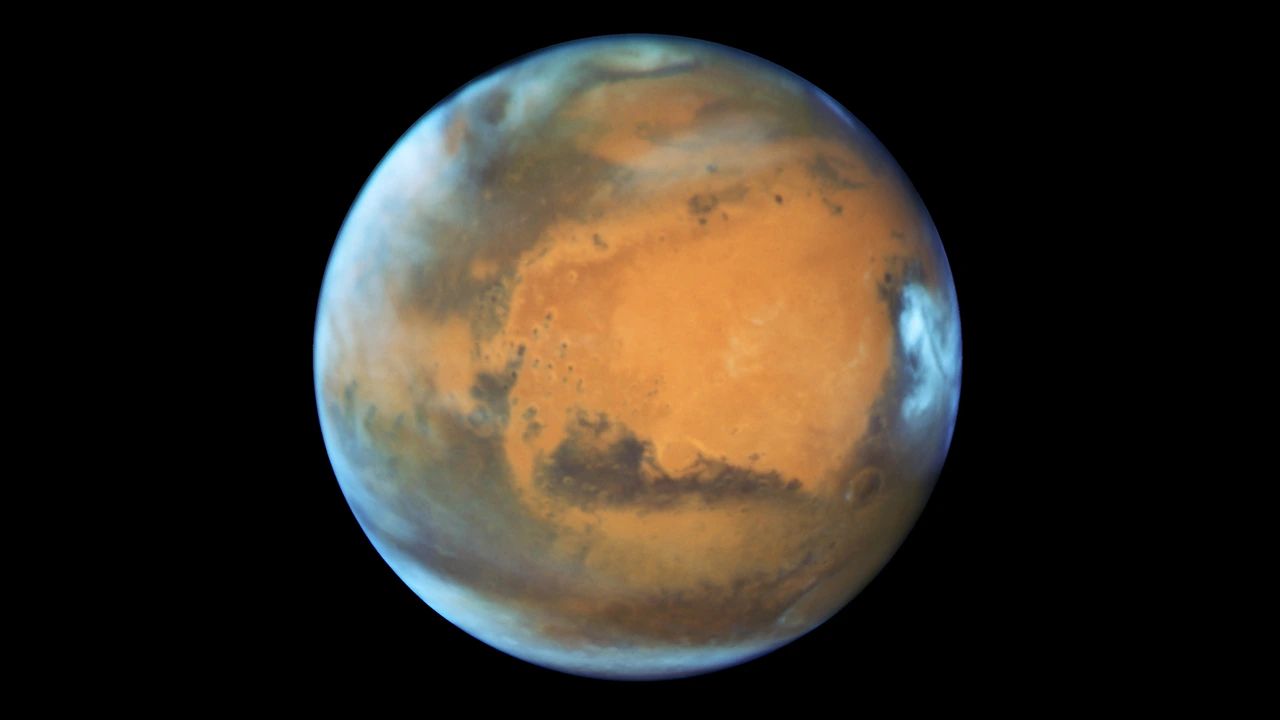
At opposition Mars shows as an orange disk through 80mm+ at 100x — the polar ice cap and dark markings Syrtis Major and Hellas are visible in good seeing. Venus shows distinct phases. Next good Mars opposition: January 2027.
Min scope: 80mm at 100x+ at opposition · Ideal pick: Inspire 80AZ