Quick Answer: What Will You Actually See Through a Telescope?
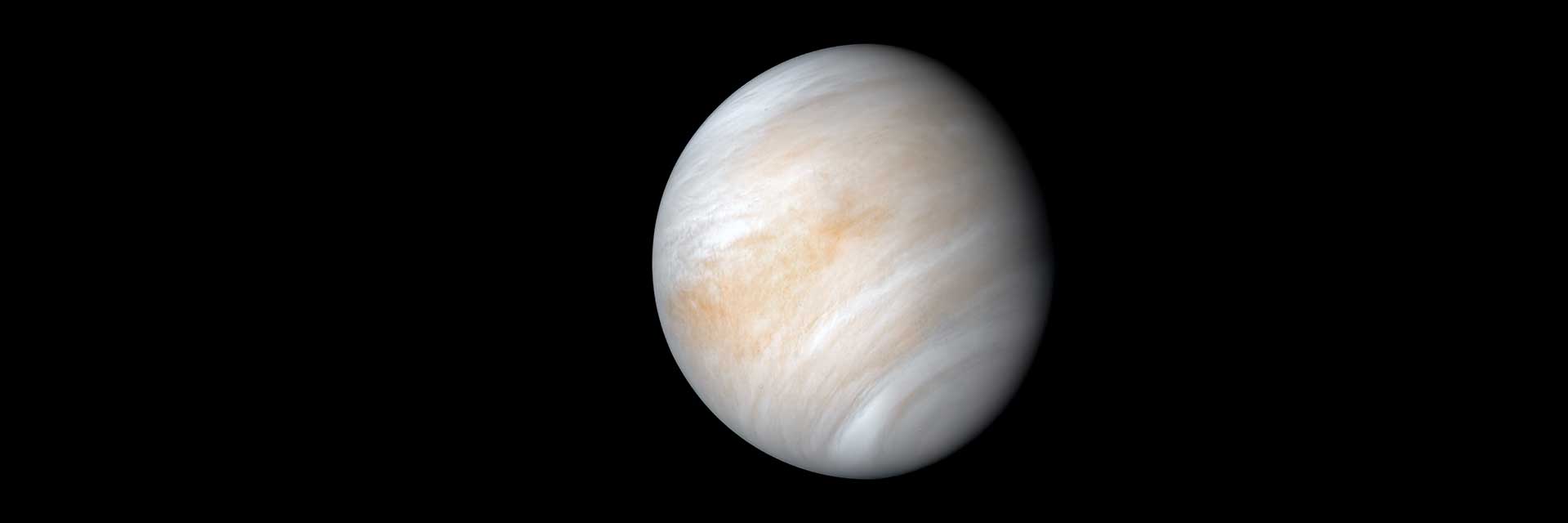
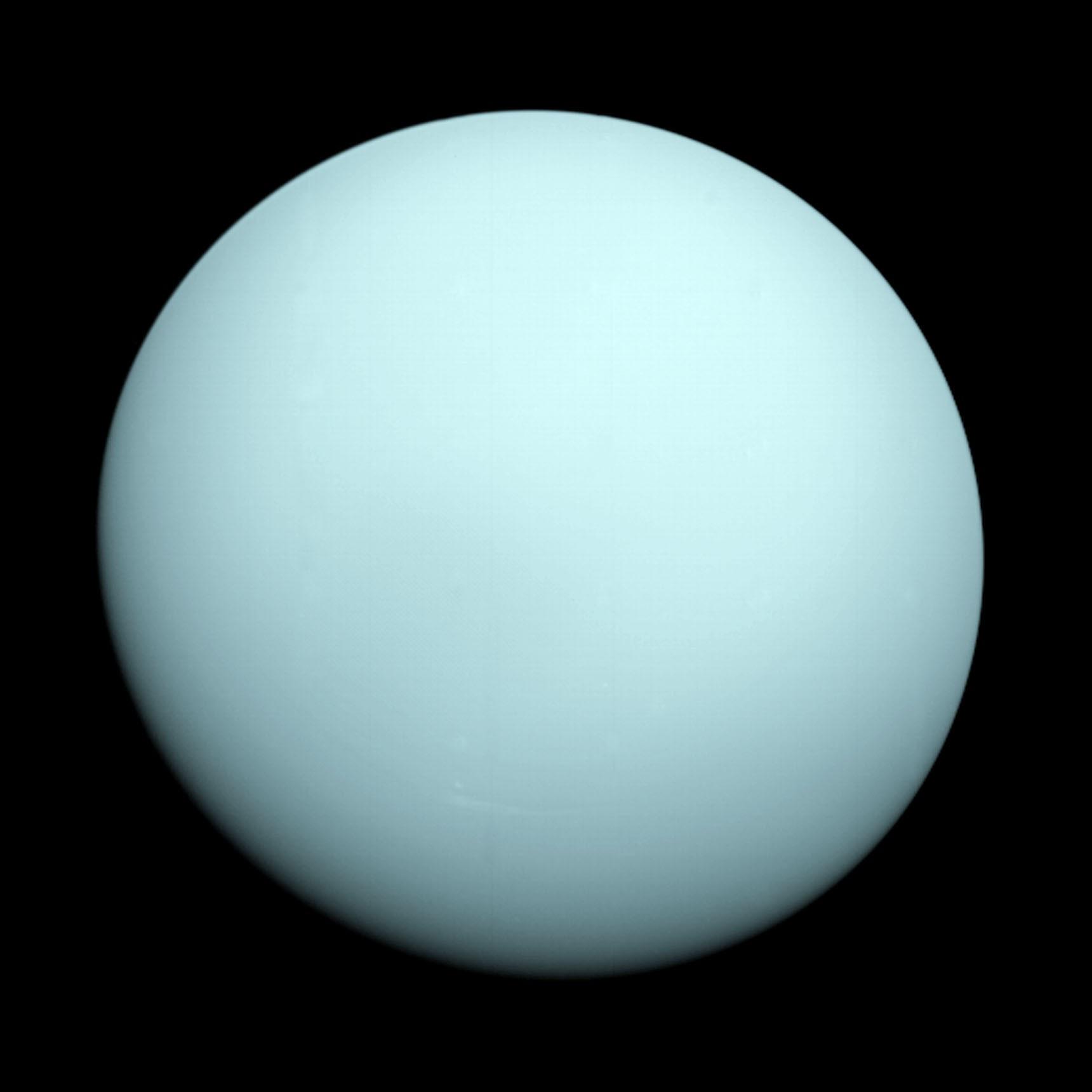
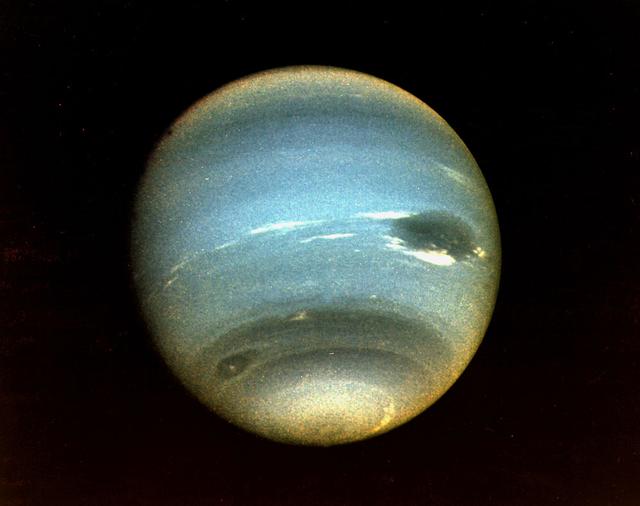
The most important thing to understand before pointing a telescope at a planet: it will not look like a NASA photo. The detail-saturated images you’ve seen of Saturn, Jupiter, and Neptune were taken by spacecraft flying past the planets, or by the Hubble Space Telescope making 30-minute exposures from above Earth’s atmosphere. Your eye at the eyepiece captures a single instant of light through miles of turbulent air.
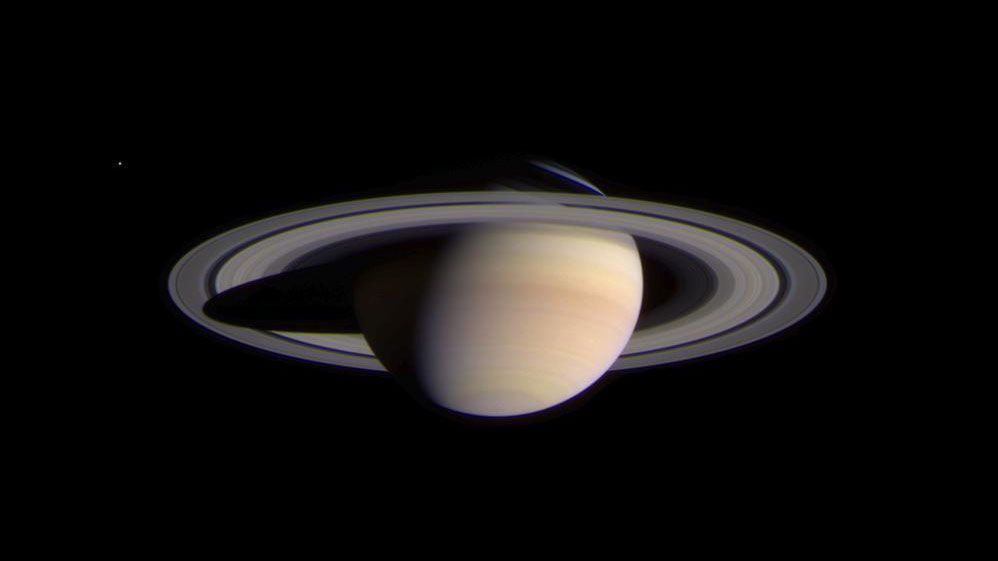
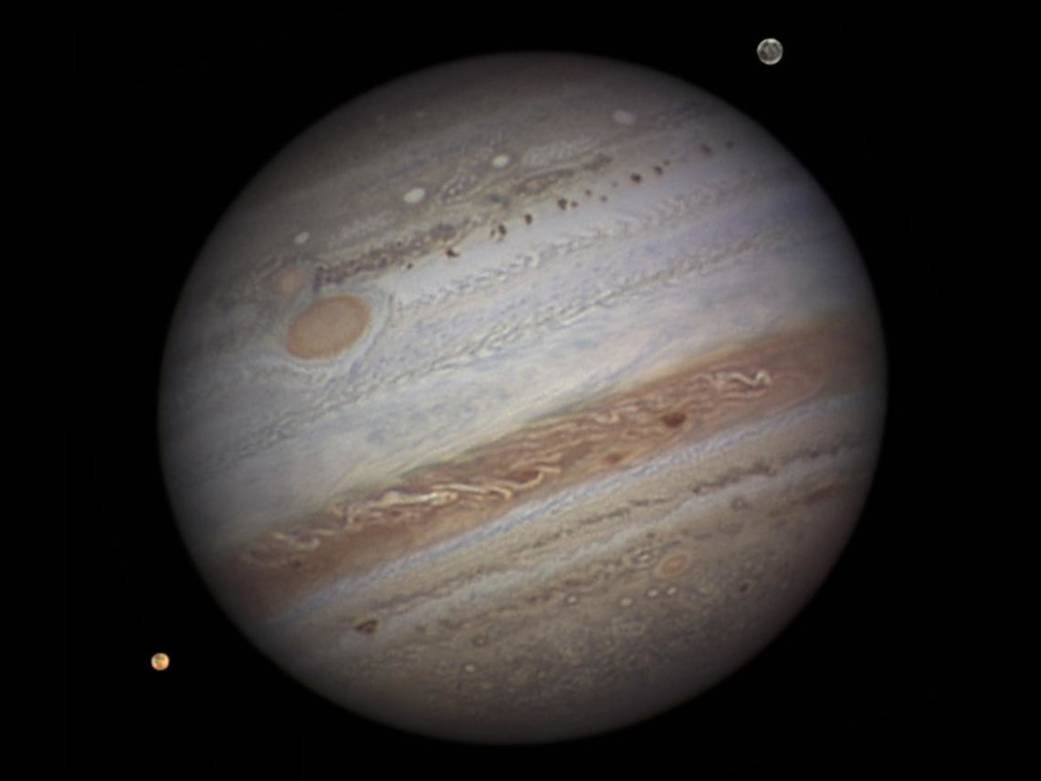
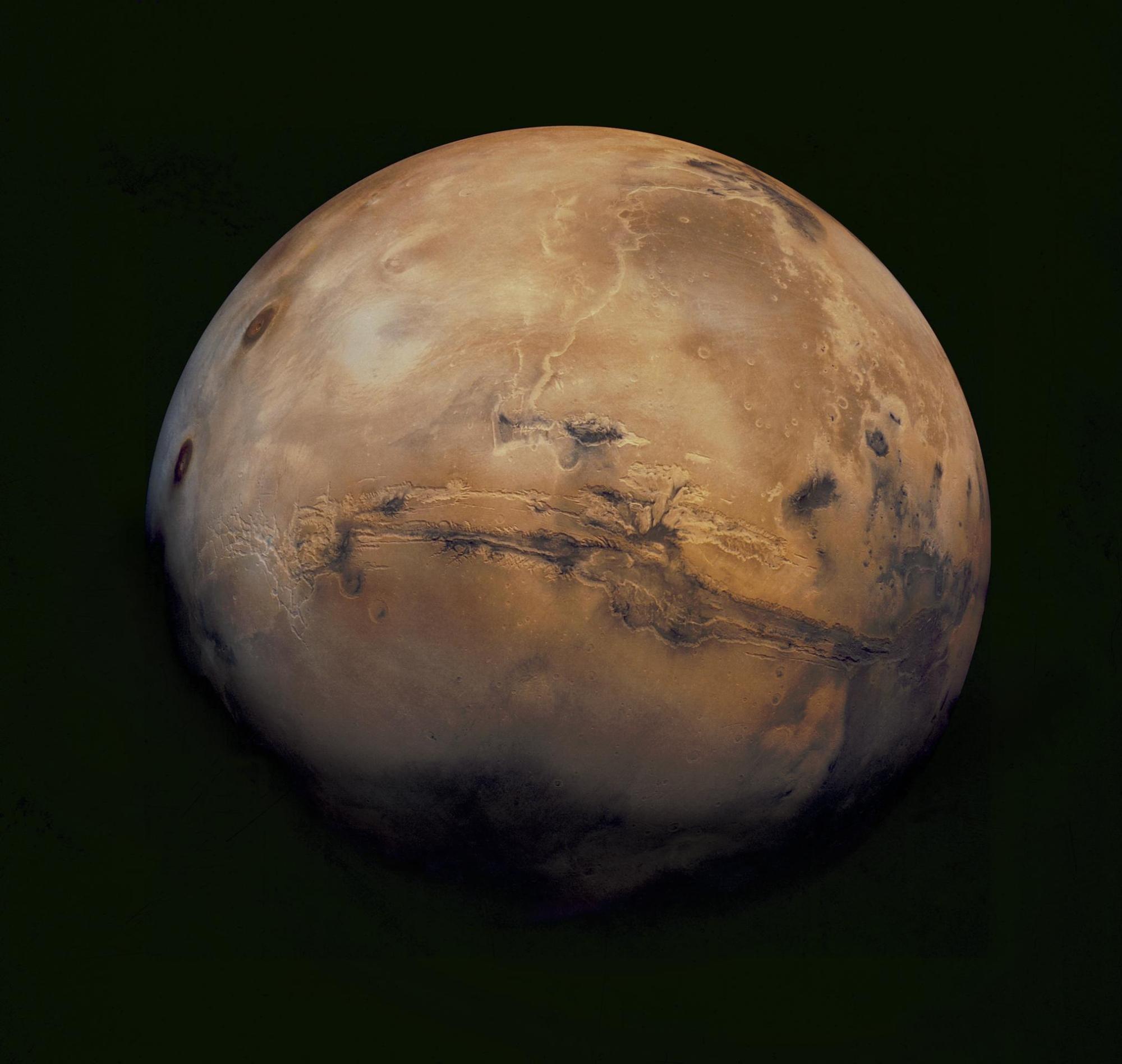
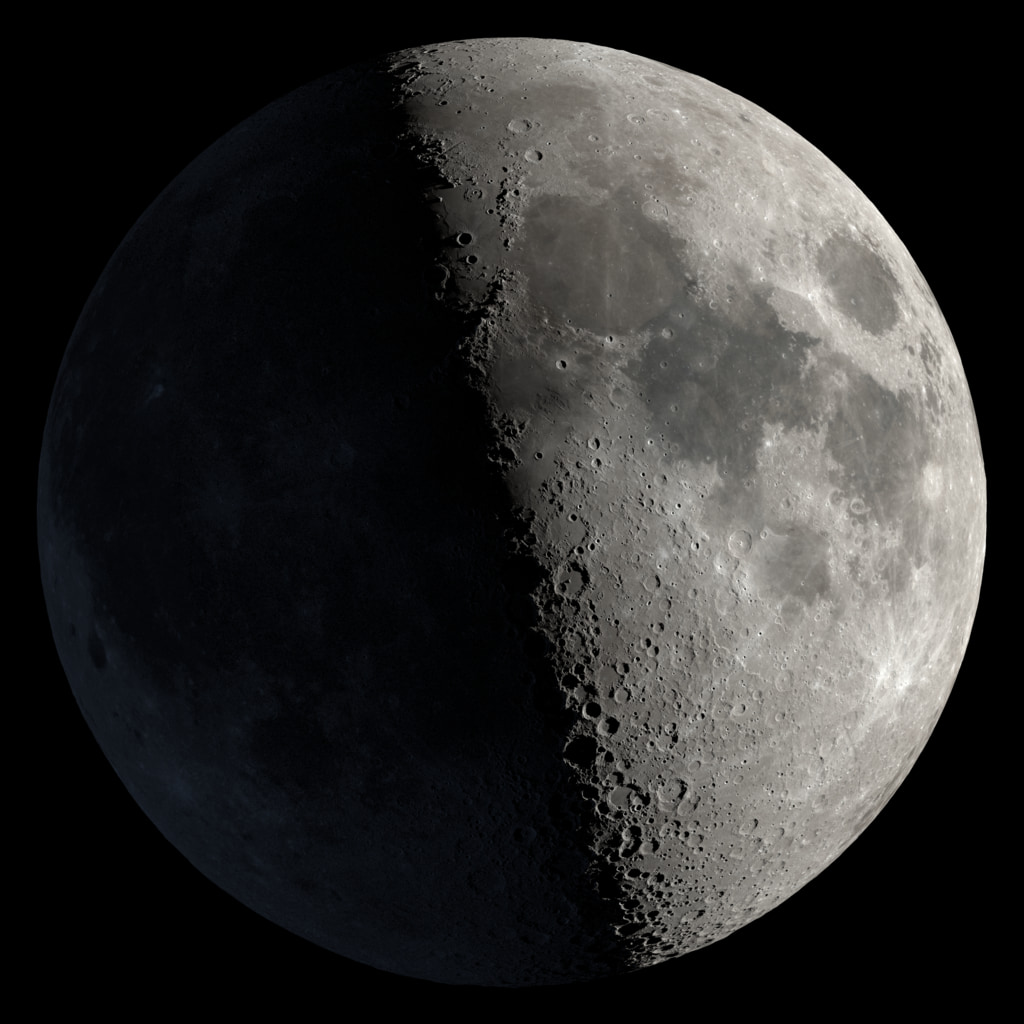
Here’s what’s actually waiting for you: Saturn’s rings are visible from a 70mm telescope and appear as a glowing golden oval halo around the planet disk. Jupiter shows two to four dark equatorial cloud bands and four bright moons arranged like a line of pearls. Mars glows as a distinctly orange-red disk near opposition. The Moon fills your eyepiece with craters so sharp they cast shadows. This is not disappointment — this is the universe showing itself to you directly through glass and mirrors.
The good news
Planets are some of the most rewarding telescope targets — bright enough for any backyard, requiring no dark skies, and always changing. Saturn’s rings and Jupiter’s moons visibly shift from night to night.
What matters most
For planets, aperture and atmospheric stability (“seeing”) matter more than anything else. A steady, transparent night with a 130mm reflector beats a turbulent night with a 250mm.
2026 highlight
Saturn opposition falls on October 4, 2026. The rings are tilted ~7.5° toward Earth — narrow by historical standards, but clearly separated from the disk. Jupiter was at opposition on January 10, 2026 and is well-placed in the evening sky through June 2026.