
TelescopeAdvisor Logo TelescopeAdvisor
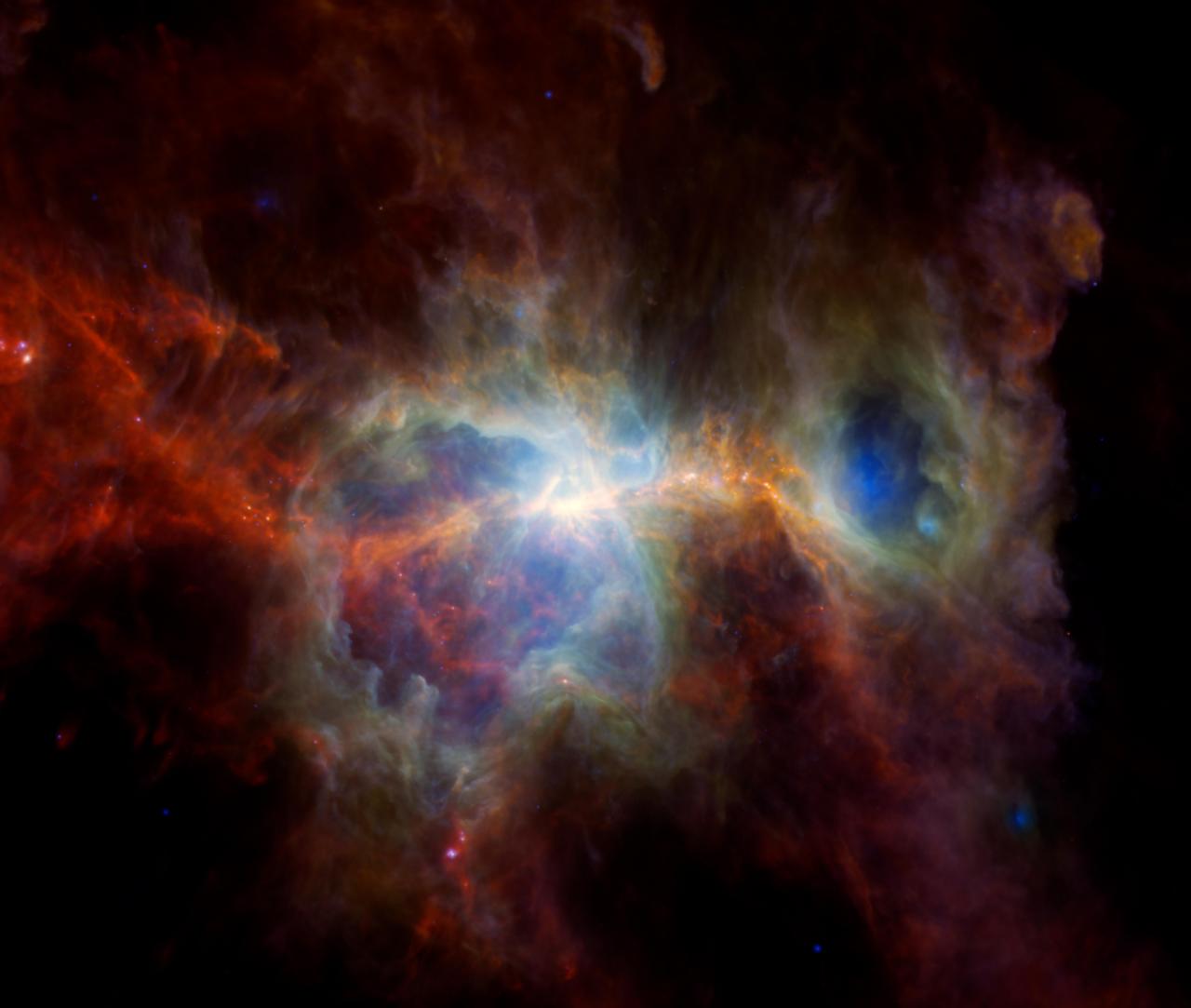
The Orion Nebula — a classic deep-sky target that rewards both reflector and refractor telescopes

Telescope Buyer's Guide · 2026

Reflector vs Refractor Telescope

A plain-English comparison of both telescope types — which is better for planets, deep sky, beginners, and astrophotography.

Best for PlanetsRefractor
Best for Deep SkyReflector
Best for BeginnersRefractor
Best Value/ApertureReflector
By Telescope Advisor Editorial Team Published: Updated: Editorial Standards

The most common telescope question: should I buy a reflector or a refractor? The answer depends on what you want to see, your budget, and how much maintenance you're willing to do. This guide cuts through the jargon and gives you a clear, honest answer.

Quick Answer: Reflector vs Refractor

Choose a Refractor if you want…

  • ✓ Sharp, high-contrast planetary and lunar views
  • Zero maintenance — sealed tube, no collimation ever
  • Grab-and-go portability — compact, lightweight
  • Beginner-friendly eyepiece placement (straight-through or diagonal)
  • ✓ Best images of the Moon, double stars, and planets

⚠️ More expensive per mm of aperture. Chromatic aberration in cheaper models. Limited aperture size below premium price.

Choose a Reflector if you want…

  • ✓ Maximum aperture for the money
  • Deep-sky objects: galaxies, nebulae, clusters
  • ✓ No chromatic aberration — pure achromatic mirrors
  • ✓ Best tool for low-light, faint object observing
  • ✓ Large Dobsonians: most aperture per dollar by far

⚠️ Requires periodic collimation (mirror alignment). Open tube collects dust. Eyepiece at the top (Newtonian) can feel awkward at first.

How Each Type Works

Refractor Telescope

A refractor uses a convex objective lens at the front of the tube to gather and bend (refract) light to a focal point. The eyepiece at the back then magnifies that image. This is the classic "spyglass" design — sealed, clean, and low-maintenance. The sealed tube protects the optics from dust and thermal currents. The downside: large lenses are expensive to grind precisely, so high-quality refractors cost significantly more than reflectors of the same aperture.

A quality achromatic refractor eliminates most color fringing. Apochromatic (APO) refractors use extra glass elements (ED glass) to eliminate chromatic aberration almost entirely, producing razor-sharp images at significant cost.

Reflector Telescope (Newtonian)

A Newtonian reflector uses a parabolic primary mirror at the back of the tube to collect light and focus it toward a small flat secondary mirror, which diverts the image to the side of the tube for the eyepiece. Mirrors are cheaper to produce than precision lenses at large diameters, making reflectors the best value for large aperture. Isaac Newton invented this design in 1668, and it remains the most popular telescope type worldwide. Dobsonian telescopes are Newtonians on a simple alt-azimuth rocker box mount — the best aperture-per-dollar design ever made.

Full Comparison Table

Feature Refractor Reflector (Newtonian)
Optics typeObjective lensParabolic mirror
Cost per mm apertureHigherLower (best value)
Chromatic aberrationYes (achro) / None (APO)None
MaintenanceNone — sealed tubePeriodic collimation required
Best planetary views✓ Excellent contrastGood (Mak-Cass even better)
Best deep-skyLimited by cost/aperture✓ Best aperture for money
PortabilityCompact, lightweightCan be large (Dobsonians)
Setup easeVery easyEasy to moderate
Eyepiece positionRear (comfortable)Side at top of tube
Best for beginners✓ YesYes (tabletop Dobsonians)
Astrophotography✓ APOs excellentGood with right mount
Typical entry priceBudget tierOften less for more aperture

Which Is Better by Observing Goal?

🪐 Planets & Moon

Winner: Refractor (or Mak-Cass). A 4-inch APO refractor consistently out-performs a 6-inch Newtonian on planets due to the sealed optics, no central obstruction, and superior contrast. For Saturn's rings and Jupiter's cloud bands, contrast matters more than raw aperture.

🌌 Galaxies & Nebulae

Winner: Reflector (Dobsonian). An 8-inch Dobsonian shows M31, M42, and dozens of Messier galaxies in stunning detail at a fraction of what an 8-inch APO refractor would cost. Deep-sky observing is an aperture game — and Newtonians/Dobsonians win on aperture per dollar every time.

👶 Beginner & Family

Winner: Refractor or small Dobsonian. A 70mm or 80mm refractor on an alt-azimuth mount is the simplest possible setup — no collimation, comfortable eyepiece, instantly usable. Tabletop Dobsonians (Z114, Heritage 130P) are also excellent for beginners who want more aperture at low cost.

📸 Astrophotography

Winner: APO Refractor (for wide field); SCT or Newtonian with a tracking mount (for galaxies). APO refractors produce flat, sharp star fields ideal for nebulae imaging. For planetary photography, the SCT or Mak-Cass on a motorized mount dominates.

Our Top Picks: Best Reflector and Refractor to Buy

Best Refractor for Beginners

Celestron AstroMaster 70AZ

70mm f/13 achromatic refractor · Alt-az mount

The perfect first refractor. Long focal length (f/13) delivers sharp lunar and planetary images at moderate power. Zero maintenance required — the sealed tube never needs collimation. Ships ready to use in under 10 minutes. Outstanding for Moon, Saturn's rings, and Jupiter's moons.

View AstroMaster 70AZ on Amazon →

Best Reflector / Dobsonian for Beginners

Sky-Watcher Heritage 130P

130mm f/5 parabolic reflector · Tabletop Dobsonian mount

The best beginner reflector money can buy. The 130mm parabolic mirror collects over 3× more light than a 70mm refractor (3.4× by aperture area), making galaxies and nebulae genuinely visible. Collimation takes 5 minutes when needed. The compact tabletop design fits on any surface — balcony, picnic table, car roof.

View Heritage 130P on Amazon →

Best Refractor for Planets (Enthusiast)

Celestron Omni XLT 102

102mm f/9.8 achromatic refractor · Equatorial mount

Step up to 102mm aperture on a stable CG-4 equatorial mount. The XLT coatings push light transmission above 97%. At 150× you'll see Saturn's Cassini Division and Jupiter's Great Red Spot. The equatorial mount enables easy polar alignment for tracking.

View Omni XLT 102 on Amazon →

Best Dobsonian for Deep Sky (Value)

Sky-Watcher Classic 200P Dobsonian

200mm (8-inch) f/6 parabolic reflector · Dobsonian mount

The benchmark Dobsonian. Eight inches of aperture delivers galaxy arms, globular cluster stars, and planetary nebula detail that smaller scopes cannot match. The alt-azimuth rocker is smooth and intuitive. This is the single best deep-sky telescope per dollar available.

View Classic 200P on Amazon →

A Note on Cassegrains, SCTs, and Mak-Cass

Reflectors and refractors aren't the only options. Schmidt-Cassegrain (SCT) and Maksutov-Cassegrain (Mak-Cass) telescopes combine a mirror system with a corrector lens — producing a compact, versatile optical design that works well for both planets and deep sky. The Celestron NexStar 8SE is the most popular SCT for hobbyists. Mak-Cass designs like the Orion Apex 127mm produce outstanding planetary contrast in an extremely compact package.

SCT (Schmidt-Cassegrain)

Versatile, compact for aperture, GoTo-ready. Best all-rounder for planets and deep sky.

Mak-Cass (Maksutov)

Highest contrast planetary views. Very compact. Limited field of view for deep sky.

Newtonian on Equatorial

Best for astrophotography when budget is a constraint. Larger aperture at lower cost than SCT.

→ Want to go deeper? Read our full guide: Best Telescope for Viewing Planets or Best Telescopes for Beginners.

Frequently Asked Questions

Is a reflector or refractor better for a beginner?

For absolute ease of use, a small refractor (70–80mm) wins — no maintenance, comfortable eyepiece position, simple setup. For more value and aperture, a tabletop Dobsonian (Heritage 130P, Zhumell Z114) is also beginner-friendly and shows significantly more detail. The worst choice for a beginner is a large equatorial reflector — they're complex to align and frustrating without experience.

Does a reflector need collimation?

Yes. Reflectors (Newtonians) use mirrors that can shift slightly with transportation or temperature changes. Collimation — realigning the mirrors — is required periodically. Most modern Dobsonians need collimation about once every 3–5 sessions, or after any rough transport. It takes 5–10 minutes once you've learned it and makes a significant difference to image quality. A basic Cheshire eyepiece collimator makes it easy.

What is chromatic aberration and does it matter?

Chromatic aberration (CA) is color fringing around bright objects caused when a lens bends different wavelengths of light by slightly different amounts. Cheap achromatic refractors show obvious purple/blue fringing around the Moon and bright planets. APO refractors (ED glass) correct this almost completely but cost more. Reflectors never have chromatic aberration — mirrors reflect all wavelengths equally. For critical planetary viewing, either an APO refractor or a reflector eliminates this issue.

Can a reflector telescope see planets?

Yes, absolutely. A well-collimated 6-inch or 8-inch Newtonian produces excellent planetary views. At 150–200×, you'll see Saturn's rings, Jupiter's Great Red Spot and cloud bands, and Mars polar caps. The central obstruction (secondary mirror) slightly reduces contrast compared to an APO refractor, but in practice an 8-inch reflector sees far more planetary detail than a 3-inch refractor simply because of the larger aperture.

Which is better for astrophotography — refractor or reflector?

For wide-field deep-sky photography (nebulae, star clusters), APO refractors are the gold standard — flat field, no coma, excellent color correction, compact for mounting. For planetary photography, an SCT or Mak-Cass at high focal ratio dominates. For budget deep-sky photography, a fast Newtonian (f/5–f/6) on an EQ mount works well and offers more aperture per dollar than refractors. See our astrophotography telescope guide for more.

Related Guides