Quick Answer: What to See With a Telescope in May 2026
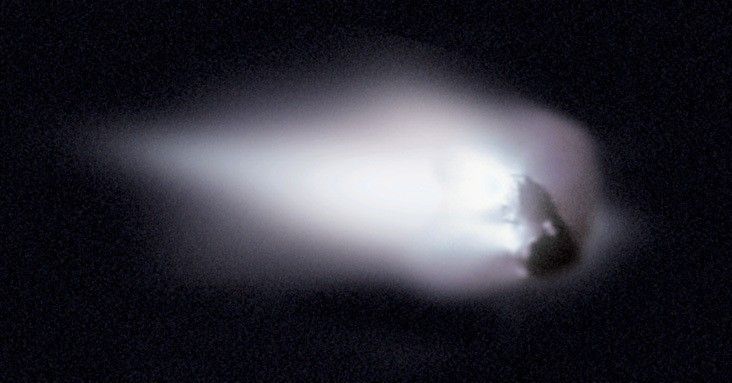
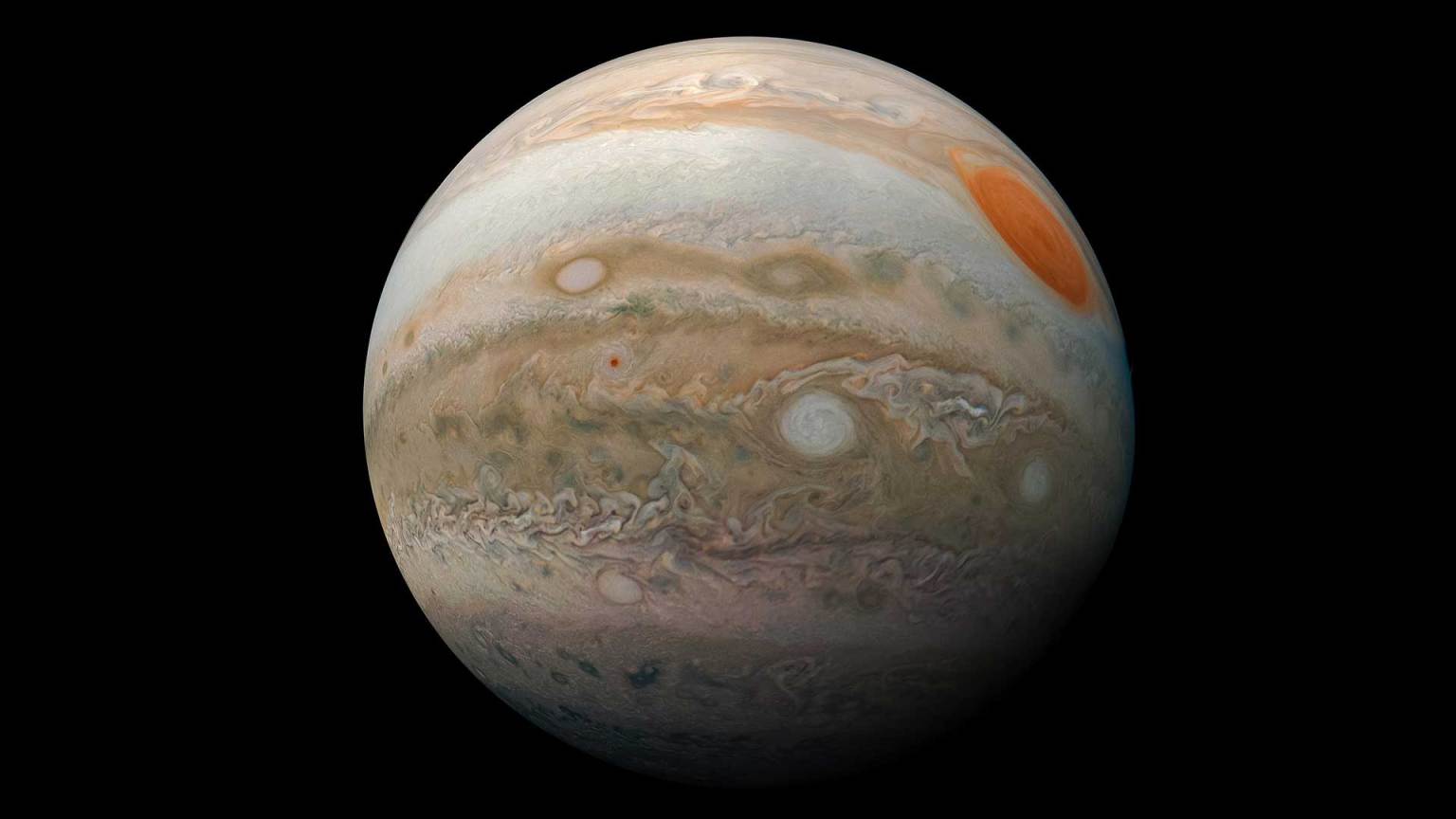
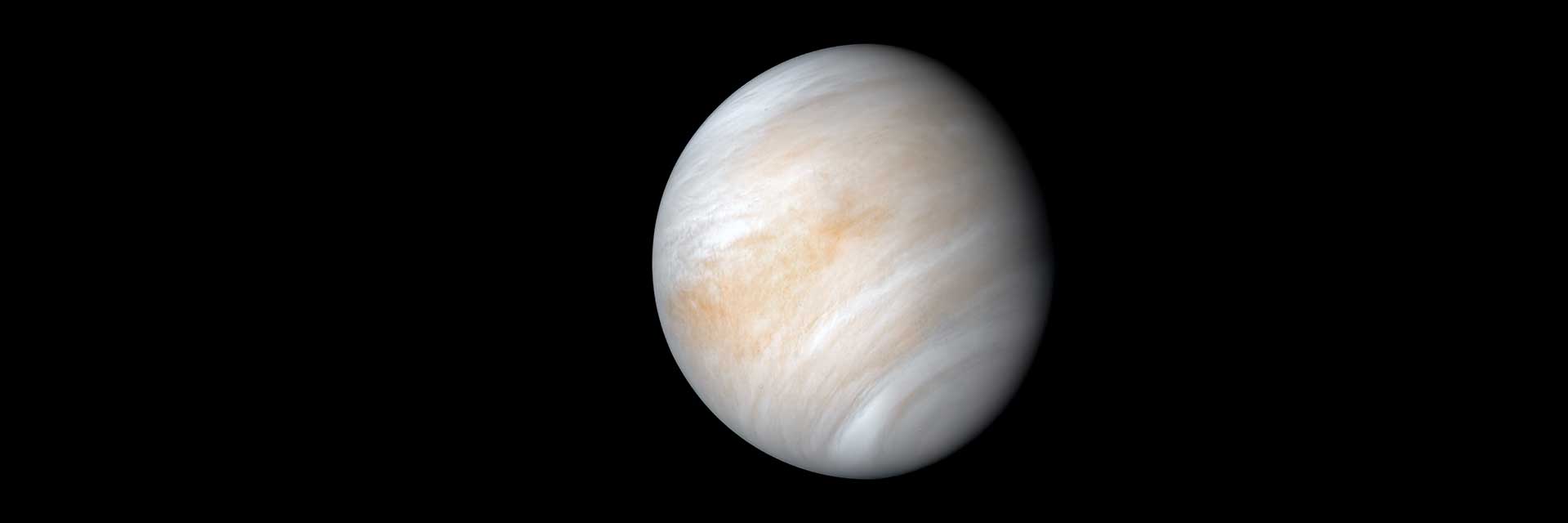
May 2026 delivers one of the most reliable annual meteor showers — the Eta Aquarids — peaking on the night of May 5–6 with ZHR rates of 50–60 meteors per hour (20–30/hr from the northern US due to low radiant altitude). The moon will be a waning gibbous (~75–80% illuminated) and rises around 10–11 PM, so your best strategy is to observe from 3 AM to dawn when the moon has descended in the west and the radiant in Aquarius has risen higher. The Super New Moon on May 16 then opens a pristine dark-sky window for the spring galaxy season — the Leo Triplet and Virgo Cluster are both near their best. Jupiter remains the standout planet target in the evening sky all month. Venus is transitioning from evening to morning star after inferior conjunction in late April.
For meteors: naked eyes, reclining chair
Don't use a telescope for meteor watching — field of view is far too narrow. Lie back, scan a wide sky area, face east-southeast toward Aquarius. Best window: 3 AM – dawn on May 6.
For telescopes: Jupiter, spring galaxies, globulars
Point at Jupiter for cloud bands and the Galilean moons. After May 16, use the dark new-moon window for M3 globular, Leo Triplet, and the Virgo Cluster. M64 Black Eye Galaxy is at its best in May.