TelescopeAdvisor Logo TelescopeAdvisor
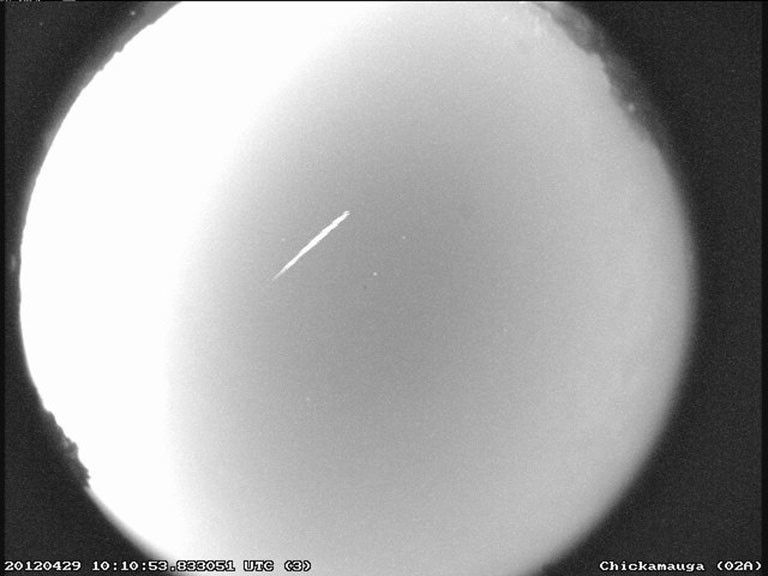
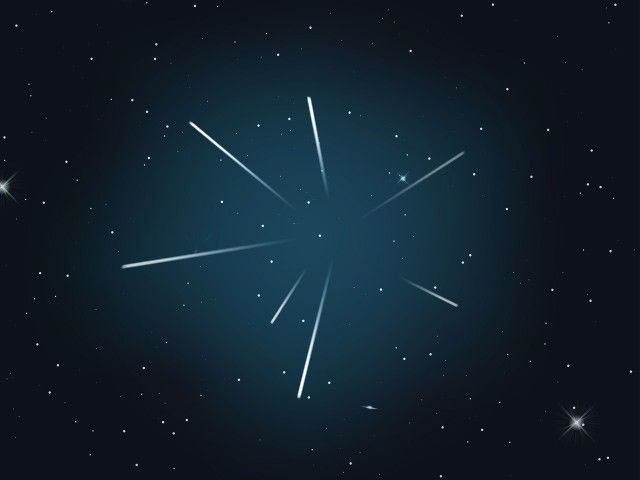
An Eta Aquarid meteor streaks across the night sky over Earth — NASA/MSFC/B. Cooke

Sky Event Guide · May 2026

Eta Aquarid Meteor Shower 2026: Peak Date, Moon Phase, Best Viewing Time & Telescope Guide

Peaks May 5–6 with a waning gibbous moon rising around midnight. We give you the honest answer on what equipment actually works — and which telescopes cut through moonlit conditions best.

Peak NightMay 5–6, 2026
ZHR (dark sky)~50/hr (SH) · ~10–30/hr (NH)
Moon Phase~80% waning gibbous, rises ~12:30 AM
Best WindowBefore midnight & near dawn
By Telescope Advisor Editorial Team Published: Updated: Editorial Standards

Quick Answer: Can a Telescope Help with the 2026 Eta Aquarids?

For watching meteors themselves — no. A telescope's narrow field of view makes it the worst possible tool for meteor watching. Meteors streak across 20–60° of sky in under a second; no telescope can track that. The right tools for meteor observing are your naked eyes and a reclining chair.

But a telescope can genuinely enhance your 2026 Eta Aquarid night — particularly given the moon situation. With an ~80% waning gibbous moon rising around midnight on May 5–6, a telescope lets you target moon-resistant objects in the early evening (before the moon rises) and again near dawn when the moon has descended in the western sky. A wide-field refractor or a GoTo computerized scope turns the waiting periods into an enriched observing session.

For meteors: naked eyes only

Reclining chair, open sky, no optics. Allow 20 minutes for dark adaptation. Face east, let your gaze go wide and unfocused. A telescope will make you miss every fireball.

Before moonrise & near dawn: use a telescope

Before the moon rises (~midnight), target M5, M13, double stars. After moonrise, use the telescope on the Moon itself and bright clusters. Near dawn is the best window — radiant high, moon lower in west. Best telescope for planets guide →
What Are the Eta Aquarid Meteors? The Halley's Comet Connection

The Eta Aquarids are one of the two annual meteor showers produced by debris from Comet 1P/Halley — the most famous comet in history. The other is October's Orionid shower. Every year, Earth passes through the dense stream of dust and rock particles that Halley's Comet has shed across its orbit over thousands of years.

These particles — some as small as a grain of sand — enter Earth's atmosphere traveling at 65.4 km/s (40.7 miles per second), making them among the fastest meteors of any annual shower. At that speed, friction with our upper atmosphere (at altitudes of 80–120 km) instantly vaporizes them, creating the brilliant streaks visible from the ground. Many Eta Aquarid meteors leave persistent glowing trains that linger for several seconds after the meteor itself has faded.

Comet Halley takes approximately 76 years to orbit the Sun. It last passed through the inner solar system in 1986 and will not return until approximately 2061. Yet every May, we witness its legacy in the form of these high-speed meteors.

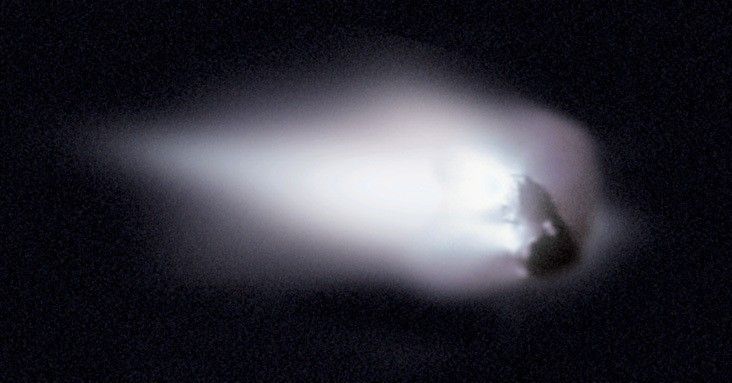
Halley's Comet — the parent body of the Eta Aquarid meteor shower, photographed in 1986

Halley's Comet — Parent of the Eta Aquarids (NASA Reference Image)

Photographed during its 1986 perihelion passage. The comet's shed dust creates both the May Eta Aquarids and October's Orionid shower. Credit: NASA

Eta Aquarid Fast Facts

Parent comet1P/Halley
Entry speed65.4 km/s (40.7 mi/s)
Active periodApril 19 – May 28
Peak ZHR (dark sky)~50 meteors/hr (Southern Hemisphere)
NH observed rate~10–30/hr (Earthgrazers)
RadiantNear η Aquarii in Aquarius
Altitude of radiant (NH)Low (~15–30° above horizon at best)
Best viewing time2 AM – dawn (local time)
Notable featureLong persistent trains

The Radiant: Eta Aquarii

The shower's radiant — the apparent point in the sky from which all meteors seem to originate — sits near the star Eta Aquarii (η Aquarii), which forms part of the "water jar" asterism at the top of the constellation Aquarius, the Water Bearer. This star gives the shower its name. In the Northern Hemisphere, Aquarius rises in the eastern sky in the hours before dawn, keeping the radiant relatively low. This is why Northern Hemisphere observers see fewer meteors per hour than Southern Hemisphere observers, where Aquarius climbs much higher into the pre-dawn sky.

Eta Aquarid Meteor Shower 2026: Dates, Rates & Peak

Active Period

The 2026 Eta Aquarids are active from approximately April 19 through May 28. Activity ramps up through late April, reaches peak intensity around May 5–6, and gradually tapers off toward the end of May. Even outside the peak, the shower can produce occasional bright Earthgrazer fireballs visible from northern latitudes.

Peak Night: May 5–6, 2026

Maximum activity occurs on the night of May 5 into the pre-dawn hours of May 6. The shower tends to have a broad, plateau-like peak — unlike the sharp spikes of some other showers — meaning the nights of May 4 and May 6 are nearly as productive as the peak. Plan for up to three consecutive mornings of good viewing if weather allows.

Expected Rates in 2026

Under ideal dark-sky conditions (Southern Hemisphere): ZHR of approximately 40–60 meteors per hour. Northern Hemisphere observers typically see 10–30 meteors per hour under dark skies, with rates reduced further by the 2026 moon. In suburban conditions, expect 5–15 per hour after moonset. The Eta Aquarids frequently produce long, slow-crossing "Earthgrazer" fireballs from northern sites — dramatic streaks that skim the horizon at shallow angles.

2026 Viewing Schedule

Shower active fromApril 19, 2026
Activity increasingMay 1–4
Peak night (maximum)May 5–6
Near-peak secondaryMay 4 & May 6–7
Shower winds downMay 10–15
Shower officially ends~May 28

Best Viewing Window on Peak Night

The radiant (in Aquarius) rises in the east around 2–3 AM local time for mid-northern latitudes. This is when the radiant climbs high enough for acceptable meteor rates. The absolute best window is 2:30 AM to the onset of astronomical twilight (~4:30 AM) for US observers — after the moon has set and before the sky brightens. Southern Hemisphere observers gain an additional 1–2 hours of productive viewing due to the radiant's higher altitude.

NASA skywatching guide for meteor showers — how to observe meteor showers from a dark location

NASA Skywatching Guide — Meteor Shower Viewing

Lie flat on your back, face east, and allow at least 20 minutes for dark adaptation. Credit: NASA/JPL-Caltech

The 2026 Moon Problem: What It Means for Viewing

Key 2026 Factor: Waning Gibbous Moon on Peak Night

The Full Moon (Flower Moon) fell on May 1, 2026, so by the May 5–6 peak the Moon is approximately 78–80% illuminated (waning gibbous, several days past full). It rises around midnight (~12:30 AM local time) and remains above the horizon all night — not setting until well after sunrise. There is no classic moonset window before dawn. Royal Museums Greenwich confirms: “there will be a bright waning gibbous Moon… the Moon rises just after midnight.” EarthSky confirms: “a waning gibbous moon will be in the post-midnight sky, that sets after sunrise.”

Before midnight: Moon still below horizon

The moon doesn't rise until ~12:30 AM — so the early evening sky is dark. The Aquarius radiant is still low, but this is the best dark-sky window for telescope use on clusters and double stars. Occasional Earthgrazer meteors may appear skimming the eastern horizon.

12:30 AM – 4 AM: Moon is up, radiant rising

The waning gibbous moon rises and brightens the sky just as the radiant climbs higher. Naked-eye rates are significantly reduced. Use a telescope on the Moon and bright moon-resistant targets — globular clusters, double stars. Occasional bright fireballs still punch through moonlight.

Near dawn (3:30–5 AM): Best compromise window

The moon descends in the west while the radiant climbs in the east. This is the best naked-eye meteor window — radiant at its highest altitude, moon lower and less impactful. Expect the best rates of the night. Astronomical twilight begins ~4:30–5 AM.

How the Moon Affects Telescope Observing vs Naked Eye

A critical distinction: the moon affects telescopes and naked eyes differently. An ~80% waning gibbous moon raises the background sky brightness significantly, cutting the number of visible naked-eye meteors by roughly half or more (faint meteors are washed out). However, for telescope use on bright targets — globular clusters, double stars, the Moon itself, planets — the extra sky brightness is largely irrelevant. A telescope actually becomes more valuable, not less, on a moonlit meteor shower night.

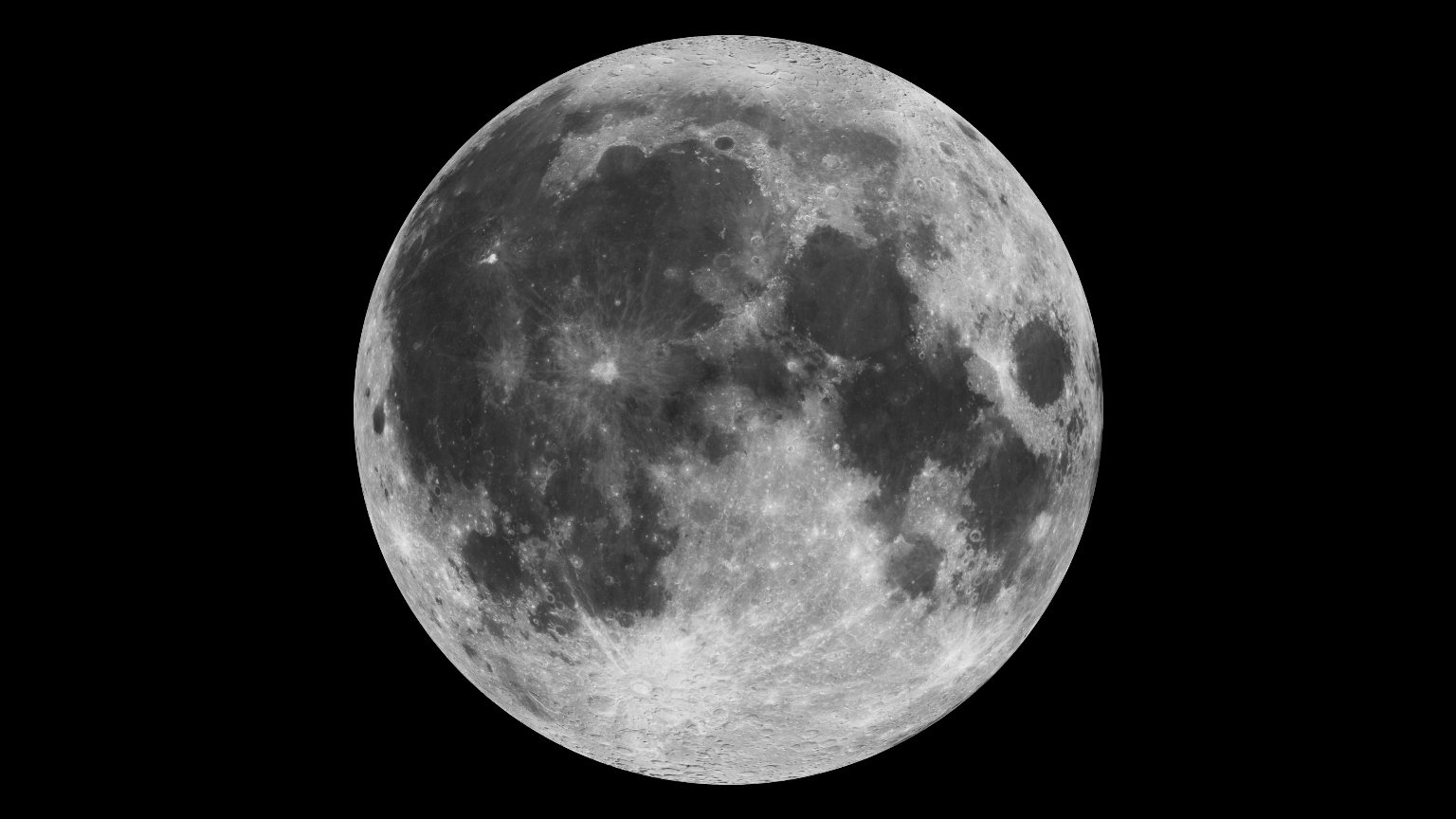
The Moon at roughly first quarter phase — the 2026 moon challenge for Eta Aquarid observers

The 2026 Moon Challenge — Waning Gibbous on May 5–6

The Moon will be roughly 78–80% illuminated on peak night, rising around midnight (~12:30 AM local time) and staying above the horizon all night — not setting until after sunrise. There is no pre-dawn moonset window. Credit: NASA/Goddard/Clementine satellite composite.

Strategy: Use a telescope before moonrise (before ~midnight) and on moon-resistant targets after. Near dawn is the best window — radiant high, moon lower in the west.

Can a Telescope Help with Eta Aquarids? The Honest Answer

The most-Googled question around any meteor shower is whether a telescope helps. The unvarnished answer has two parts:

For catching meteors themselves: No — a telescope is actively harmful

A standard telescope's field of view is typically 0.5°–2°. An Eta Aquarid meteor traveling at 65 km/s covers 60° of sky in under a second. You will see more meteors staring at a blank patch of sky with your naked eyes than you will pointing any telescope at the radiant. This is true of every telescope — Dobsonian, refractor, computerized GoTo, or $3,000 APO. No optic has a wide enough field to be useful for meteor-catching.

For enriching the entire night: Yes — a telescope transforms the experience

A meteor shower peak lasts several hours. Even on a great night you might see a meteor every 3–5 minutes on average. A telescope fills those gaps with extraordinary views. On a May pre-dawn night near the Aquarius radiant, you have superb targets within easy reach — the globular cluster M5, the spectacular globular M13 (in Hercules, near the zenith), multiple planetary nebulae, and if you're lucky, Saturn or Venus nearby in the spring sky. A GoTo computerized scope lets you hop between targets without hunting in the dark, and you can return to naked-eye watching instantly when a fireball appears.

For the 2026 moonlit conditions specifically: A telescope shines before moonset

The 2026 moon situation creates a two-window night: telescope use in the early evening before moonrise (~midnight) on bright moon-resistant targets (globular clusters, double stars, the Moon itself at ~80% waning phase through a scope is genuinely stunning at the terminator), then the best naked-eye meteor watching near dawn when the radiant is highest and the moon has descended lower in the west. A modest 4–5" refractor or a mid-range computerized scope makes the early hours productive instead of frustrating.

Bottom line for 2026

A telescope is a complement to Eta Aquarid watching, not a replacement for naked eyes. The 2026 moon creates a two-window night — before moonrise (~midnight) and near dawn when the moon descends — where telescope use adds real value to the experience. If you're buying or borrowing a telescope specifically for this shower, read our picks below.

What Equipment Actually Works Best for Meteor Showers

Ranked in order of usefulness for meteor-watching, from best to worst:

  1. 1

    Naked eyes — the undisputed best tool

    Human eyes in the dark have a roughly 130–200° field of view. No optical instrument approaches this. Your peripheral vision catches movement across the entire sky simultaneously. Nothing beats lying flat on your back, dark-adapted eyes, watching the whole dome at once.

  2. 2

    Binoculars — excellent second choice

    7×50 or 10×50 binoculars have a 5–7° field of view — too narrow for catching moving meteors, but ideal for exploring the rich star field around Aquarius, picking out the glowing persistent meteor trains that linger after bright fireballs, and scanning globular clusters. They're also lighter than a full telescope rig and can be picked up and put down in a second.

  3. 3

    Wide-field refractor or rich-field Newtonian — great for supplementary use

    A short focal-ratio refractor (f/5–f/6, 70–102mm aperture) with a low-power 2-inch eyepiece can reach 3–5° of true field of view — wide enough to frame globular clusters and open star clusters beautifully. Pair with a red-dot finder and you can navigate the May sky efficiently between meteor bursts. Quick to set up, unobtrusive on a dark-sky site.

  4. 4

    GoTo computerized telescope — best for multi-target hopping

    A computerized GoTo scope (like the Celestron NexStar or Orion StarSeeker series) auto-slews to any object in its database. On a meteor shower night, this means you can punch in M5 → M13 → double star Albireo → back to naked-eye meteor watching in minutes. No hunting in the dark, no charts required. The trade-off: heavier rig, setup time. Worth it if you're spending 3+ hours outside.

  5. 5

    Camera on a tripod — for capturing meteors photographically

    A wide-angle lens (14–24mm), f/2.8 or faster, ISO 1600–3200, 15–25 second exposures running continuously. This is the way to photograph Eta Aquarids. You don't watch through a camera — you set it running and watch with your eyes. A tracker mount will keep stars sharp across the exposure, though fixed tripods with 15-second exposures work well from dark sites too.

  6. High-magnification planetary telescope — wrong tool entirely

    A long focal-ratio, high-magnification planetary telescope pointed at the Eta Aquarid radiant will show you: nothing but an empty patch of sky between Aquarius stars. At 150–250× with a 0.3° field, the probability of a meteor crossing your eyepiece in any given minute is essentially zero. Planetary scopes are best left for their intended purpose — planets — not meteor watching.

Best Telescopes for the 2026 Eta Aquarid Night

These three picks are optimized for the 2026 moon situation: capable enough to cut through moderate sky glow, fast to set up on a dark-site night, and priced for the realistic meteor shower buyer. All three are excellent on the Moon and bright clusters during the moonlit early evening.

Editor's Pick — Best All-Round

Celestron PowerSeeker 127EQ

127mm aperture Equatorial mount Mid-range $$

Enough aperture to resolve globular clusters M5 and M13 into individual stars even with a waning gibbous moon degrading the sky background. The equatorial mount tracks the diurnal motion smoothly — objects stay centered during the minutes you're watching for meteors. On the Moon at ~80% waning phase: craters in crisp detail and mountain ranges in sharp relief.

Why we picked it: Best balance of aperture, tracking, and price for a moonlit meteor shower night. Enough light grasp to punch through moderate sky glow from the waning gibbous moon.

View on Amazon See all mid-range picks →

Affiliate link — we may earn a small commission at no extra cost to you.

$

Budget pick (<$150) — grab-and-go for meteor nights

A 70–80mm refractor on a simple alt-azimuth mount is ideal for meteor shower nights where you're mostly going naked-eye and want the scope as a secondary instrument. The Celestron 70mm Travel Scope sets up in under 5 minutes and handles the Moon, the Beehive Cluster (M44 — high in Cancer near Aquarius), and bright double stars with ease. It's not a serious deep-sky instrument but makes the pre-moonset window enjoyable. Best beginner telescopes →

$$$

Advanced pick ($400+) — maximum aperture for moonlit skies

More aperture cuts through sky glow more effectively than any other specification. The Sky-Watcher Classic 200P Dobsonian (8-inch / 203mm) delivers stunning views of M5, M13, and the Virgo galaxy cluster even with moderate moonlit backgrounds. On the Moon, the detail is breathtaking. The simple push-to Dobsonian mount means no alignment required — just point and observe. See all Dobsonian picks →

Prices and availability subject to change. All links are affiliate links — see our editorial standards for our review process.

Deep-Sky & Planetary Targets for Eta Aquarid Night (May 5–6)

The pre-dawn spring sky in early May is rich with telescope targets. These are arranged by approximate viewing window on peak night, accounting for the 2026 moon situation:

Object Type Magnitude Best Window Moon-proof? Notes
Moon Satellite −11 Midnight – dawn Yes ~80% waning phase — rises ~12:30 AM; outstanding crater and terminator detail at 100–150×
M5 (Serpens) Globular cluster 5.6 11 PM onward Yes Rival of M13, high in Serpens — visible in moonlit sky, spectacular
M13 (Hercules) Globular cluster 5.8 Midnight onward Yes The Great Hercules Cluster; near zenith pre-dawn, best at 80–120×
M44 (Beehive) Open cluster 3.7 Evening – midnight Yes Bright and moon-resistant; best in binoculars or low-power eyepiece
Albireo (β Cyg) Double star 3.1 / 5.1 Midnight onward Yes Gold and blue pair — showpiece double star, fully moon-proof
M4 (Scorpius) Globular cluster 5.9 2 AM onward Partial Closest major globular cluster; low in south but richly resolved
M57 (Ring Nebula) Planetary nebula 8.8 2 AM onward Partial Requires 4"+ aperture and dark skies; small smoke ring near Lyra
M8/M20 (Lagoon/Trifid) Emission nebulae 6.0 / 9.0 3 AM – dawn Dark sky needed Rising in Sagittarius before dawn; spectacular after moonset
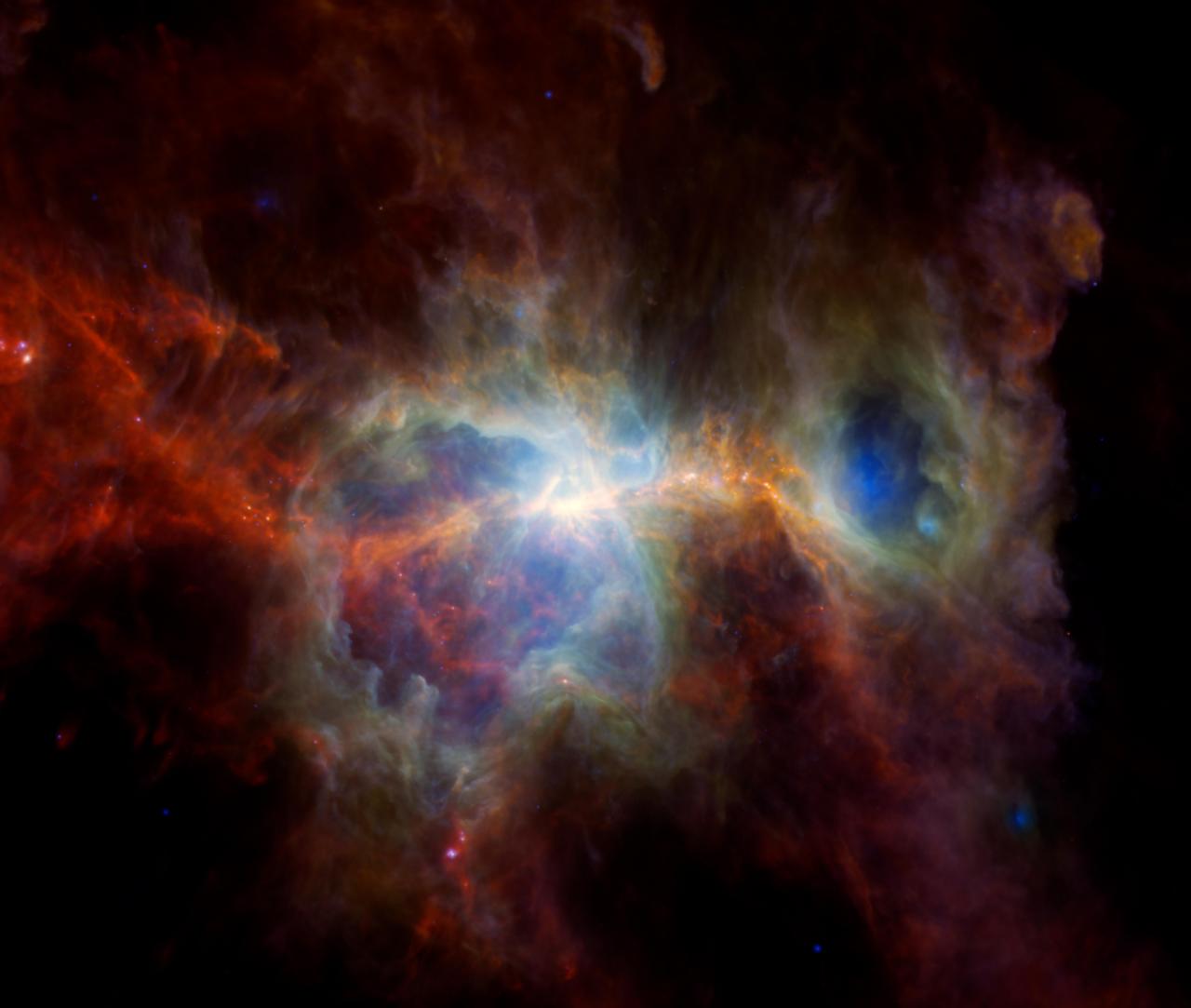
Hubble Space Telescope image of the Orion Nebula — a reference for nebula objects visible with amateur telescopes

Deep-Sky Objects — Reference Image (NASA/HST)

Long-exposure Hubble imagery of nebulae — visual telescope views show structure without the vivid color. Bright globulars like M5 and M13 are more rewarding targets on moonlit Eta Aquarid nights. Credit: NASA/ESA/Hubble Heritage Team

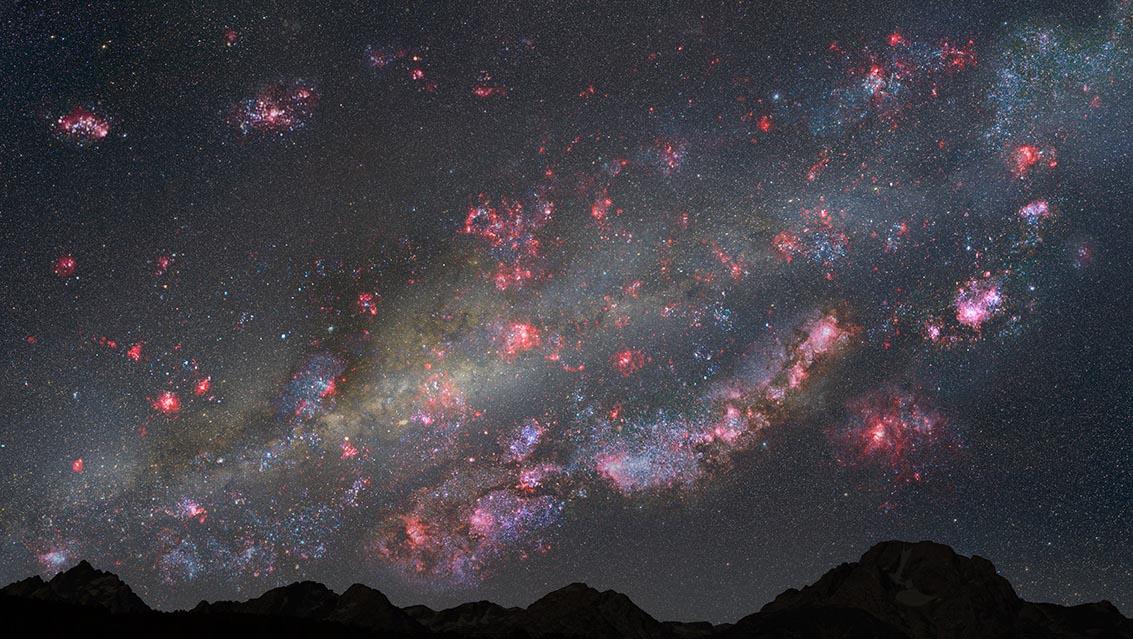
The Milky Way arching over a dark sky site — the pre-dawn Eta Aquarid sky in early May

Pre-Dawn Sky — May Milky Way Over the Horizon

By 3 AM in early May from a dark site, the Milky Way rises in the southeast — the same direction as the Eta Aquarid radiant in Aquarius. Credit: NASA

Eta Aquarid 2026 Viewing Tips: Getting the Most Out of Peak Night

Location & Dark Adaptation

  • ✓ Get at least 20 km from urban light pollution if possible
  • ✓ Avoid white lights for at least 20–30 minutes before observing
  • ✓ Use a red flashlight or phone in night mode only
  • ✓ Check Clear Outside or Clear Dark Sky for cloud-free forecasts 24 hours before
  • ✓ Arrive early — set up telescope before full dark, then switch to naked-eye observing

Body Position for Meteor Watching

  • ✓ Lie flat on a reclining camp chair or sleeping mat, feet pointing east
  • ✓ Look up and slightly east — don't stare at the radiant directly
  • ✓ Dress warmer than you think necessary — May nights cool fast
  • ✓ Aim your gaze 40–60° away from the Aquarius radiant for the longest streaks

The 2026 Two-Phase Session Plan

Phase 1 (10 PM – midnight): Dark pre-moon telescope window

Moon not yet risen. Target M5, M13, M44, Albireo, and any visible planets in dark sky. Best telescope conditions of the night, though radiant is still low.

Phase 2 (midnight – dawn): Moon up — use telescope on moon-resistant targets

Moon rises ~12:30 AM and stays up all night. Target the Moon at ~80% phase (stunning crater detail), globular clusters, double stars. Near dawn (3:30–4:30 AM), the moon descends and rates improve — best naked-eye window of the night.

Capturing Meteors on Camera

Set a wide-angle lens (14–35mm, f/2.8 or faster) facing east. Use ISO 3200, 15–20 second exposures, intervalometer running continuously. Review images in the morning — you'll be surprised how many meteors appear. A sky tracker keeps stars sharp but isn't essential for 15-second exposures.

May 5–6 Timeline (All Times Approximate, US Mid-Latitudes)

~10:00 PM Sky is dark — moon not yet risen. Set up telescope. Target M5, M13, M44, double stars. Best dark-sky telescope conditions of the night, though the radiant is still low in the east.
~11:30 PM Aquarius constellation rising low in the east-southeast. Radiant not yet at useful altitude. Continue telescope observing.
~1:00 AM Moon rising in the east (~12:30 AM). Sky brightens significantly as the ~80% waning gibbous climbs. Now target the Moon itself — outstanding crater and terminator detail. Continue with M5, M13, Albireo.
~1:30 AM Moon climbing higher in the sky — sky is bright. Bright Eta Aquarid fireballs still punch through moonlight. Keep using telescope on moon-resistant targets. Radiant climbing in Aquarius.
~2:30 AM Rates climbing. Radiant ~20–25° above horizon. Eta Aquarids visible radiating from the east-southeast. Peak activity window begins.
~3:30 AM Maximum rates for Northern Hemisphere. Moon descending lower in west, radiant high. Best naked-eye window — 8–15 meteors per hour under these moonlit conditions. Stay put.
~4:30 AM Astronomical twilight begins in most US locations. Sky starts to brighten. Final 30 minutes of productive naked-eye viewing.
~5:15 AM Civil twilight. Pack up. Repeat the following night — May 6 pre-dawn offers nearly identical conditions.

Northern vs Southern Hemisphere: Who Sees More in 2026?

The Eta Aquarids have one of the largest hemispheric disparities of any major annual shower. The constellation Aquarius — home to the radiant — reaches a much greater altitude above the horizon in the Southern Hemisphere at the time of peak activity. This geometrical advantage translates directly into higher observed rates.

Northern Hemisphere

  • Observed rates: 10–30 meteors/hr under dark skies (further reduced by 2026 moon to ~5–15/hr before moonset)
  • Radiant altitude: Low, ~15–30° above the eastern horizon at best
  • Best feature: Earthgrazers — long, dramatic meteors that skim across the horizon at shallow angles. Often brighter and longer-lasting than overhead meteors
  • Best viewing time: 2 AM – 4:30 AM local time, with peak around 3:30 AM
  • Top US locations: Southwest desert sites (New Mexico, Arizona, Utah), Great Plains rural sites, and Florida (southernmost latitudes for higher radiant altitude)

Southern Hemisphere

  • Observed rates: 40–60 meteors/hr ZHR under dark skies; the Eta Aquarids are a premier shower here
  • Radiant altitude: High, 50–70° above the horizon at peak
  • Best feature: High-altitude, short-streaked overhead meteors combining with the occasional Earthgrazer at the horizon
  • Best viewing time: 2 AM – 4:30 AM local time, same window but significantly higher rates
  • Top locations: Southern Australia, South Africa, Chile, New Zealand — all have exceptional dark skies and favorable geometry
Moon impact by hemisphere: The 2026 moon phase (waning gibbous ~80%) affects both hemispheres equally. The moon rises around midnight and stays up all night — there is no pre-dawn moonset window. Near dawn, the moon descends in the west while the radiant climbs, giving the best viewing compromise. Southern Hemisphere observers have a larger rate “reservoir” to draw from — even with moonlight cutting rates, they can still see 20–35 meteors per hour near dawn.

Eta Aquarid Meteor Shower 2026 — FAQ

When is the Eta Aquarid meteor shower peak in 2026?

The 2026 Eta Aquarids peak on the night of May 5 into the pre-dawn hours of May 6. The shower has a broad plateau — the nights of May 4 and May 6 offer nearly equal rates. Activity is observable from April 19 through May 28, with rates climbing noticeably in the week before the May 5 peak.

How many meteors per hour will the 2026 Eta Aquarids produce?

Under ideal dark-sky conditions, Southern Hemisphere observers can expect approximately 40–60 meteors per hour (ZHR). Northern Hemisphere observers typically see 10–30 per hour under dark skies. With the 2026 waning gibbous moon rising around midnight and staying up all night, rates during the peak pre-dawn hours will be significantly reduced. Near dawn — when the moon has descended lower in the west and the radiant is at its highest — expect 5–15 meteors per hour from most Northern Hemisphere suburban sites, and 15–30+ per hour from dark rural locations.

What is the moon phase during the 2026 Eta Aquarids?

The Moon will be approximately 78–80% illuminated (waning gibbous, several days past the Full Moon on May 1) on May 5–6. On peak night, the moon rises around midnight (~12:30 AM local time) and remains above the horizon all night — not setting until after sunrise. According to Royal Museums Greenwich, “there will be a bright waning gibbous Moon… the Moon rises just after midnight.” EarthSky confirms: “a waning gibbous moon will be in the post-midnight sky, that sets after sunrise.” The best viewing strategies: observe before the moon rises (dark skies, but radiant still low), or near dawn (3:30–4:30 AM) when the moon has descended in the west and the radiant is at its highest.

Do I need a telescope to see the Eta Aquarid meteor shower?

No — and a telescope will make meteor watching worse, not better. Meteors streak across 20–60° of sky in under a second. Any telescope's narrow field of view makes it completely unsuitable for watching meteors. For the shower itself, use naked eyes only. A telescope is valuable before moonrise (~before midnight) for M5, M13, clusters and double stars — and again near dawn when the moon is lower and the radiant is highest.

Where do the Eta Aquarid meteors come from?

The Eta Aquarids are produced by debris from Comet 1P/Halley — Halley's Comet. Each time Halley passes through the inner solar system (~every 76 years), its nucleus sheds dust and rock into space along its orbital path. Earth intersects this debris stream every May, and the particles — entering the atmosphere at 65 km/s — vaporize as bright streaks. Halley last passed through in 1986 and won't return until approximately 2061, but we experience its legacy every spring.

What is the best telescope to buy for a meteor shower night in 2026?

For a meteor shower night, the best telescope is one that enhances the gaps between meteors — not one intended for meteor catching (which is impossible). The Celestron PowerSeeker 127EQ (our mid-range pick) offers the best balance of aperture, tracking, and ease of use for the 2026 moonlit conditions. For budget buyers, the Celestron 70mm Travel Scope handles the Moon and bright clusters. For maximum performance, the Sky-Watcher Classic 200P Dobsonian delivers stunning views of M5 and M13 through the moonlit sky. See our full telescope picks section above.

Can the Eta Aquarids be seen from the Northern Hemisphere?

Yes, but at lower rates than from the Southern Hemisphere. The radiant (in Aquarius) stays relatively low above the eastern horizon from northern latitudes, limiting the observable hourly rate to roughly 10–30 meteors per hour under ideal dark-sky conditions. The compensation: Northern Hemisphere observers see spectacular "Earthgrazer" meteors — long, slow-moving streaks that skim across the horizon at shallow angles. These are often the brightest and most dramatic meteors of the night. Face east before dawn for the best show.

What is the best time to watch the 2026 Eta Aquarids?

The best window for Northern Hemisphere observers in 2026 is the pre-moonrise window before ~12:30 AM (dark skies, but radiant is still low) and especially 3:30 AM to 4:30 AM local time on May 6 — when the radiant is at its highest and the waning gibbous moon has descended lower in the western sky. The nights of May 4–5 and May 6–7 are nearly as productive as the peak night.

Can a telescope see meteor persistent trains?

Yes — this is one valid telescope use during a meteor shower. Fast meteors like the Eta Aquarids frequently leave glowing persistent trains — incandescent trails of ionized gas that can last from a few seconds to several minutes after the meteor fades. If you spot a bright fireball leaving a visible train, a telescope pointed at it immediately can reveal the train's turbulent, twisting structure as upper atmospheric winds distort it. This requires quick reaction time and a telescope already aimed in the right general direction. It's a rare but rewarding observation.

Related Guides