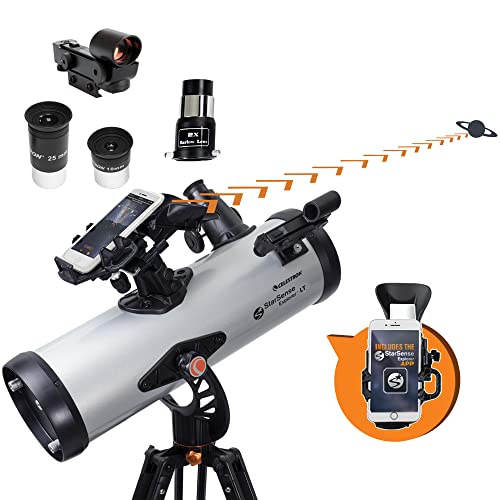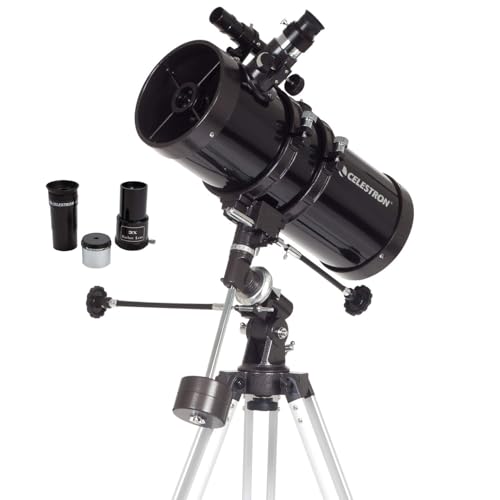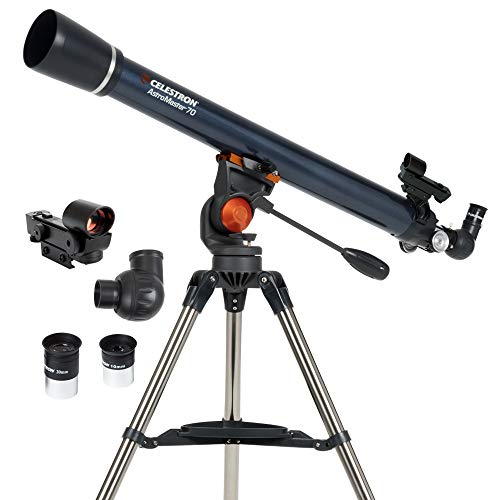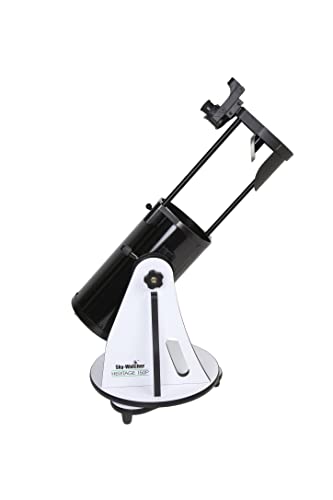
What a $200 telescope can show you in 2026
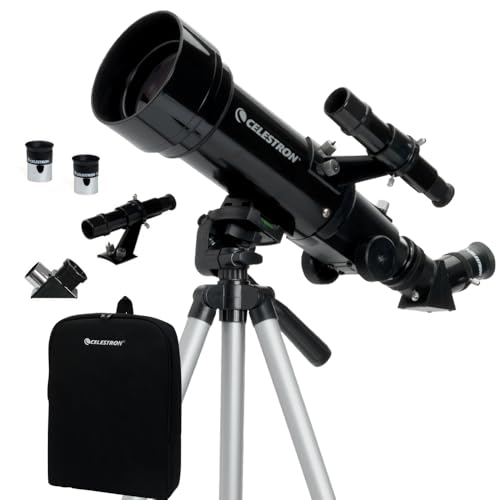
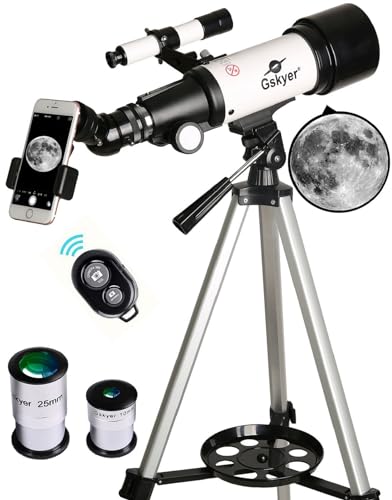
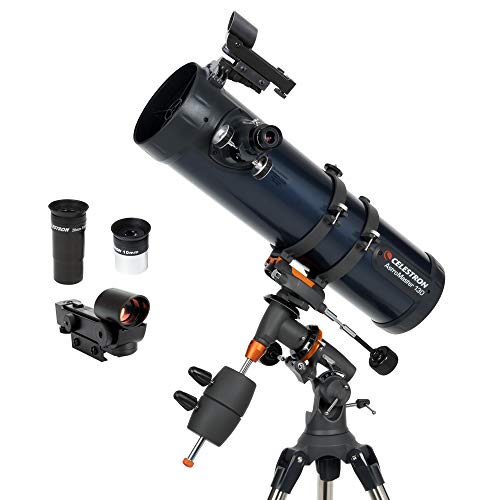
A real telescope under $200 is enough to produce the views that hook people for life. The Moon is the easiest wow target: you can trace Tycho's ray system, see Copernicus and Plato as crisp circular basins, and follow the terminator where sunrise cuts across crater walls and mountain shadows in three-dimensional relief. In a 70mm refractor the lunar highlands and maria are obvious; in a 114mm or 127mm reflector you begin to pull fine rille-like textures and smaller craterlets around major features.
Saturn in 2026 is especially rewarding because the rings are back after the 2025 edge-on phase. At 75x and above, the rings appear as a distinct oval halo detached from the globe. With stable air and around 150x, a 114mm to 130mm scope can show the Cassini Division as a thin dark split, while Titan shows as a tiny star-like point near the planet. Jupiter is equally satisfying: the four Galilean moons line up like bright beads and the two main equatorial cloud bands become obvious around 100x.
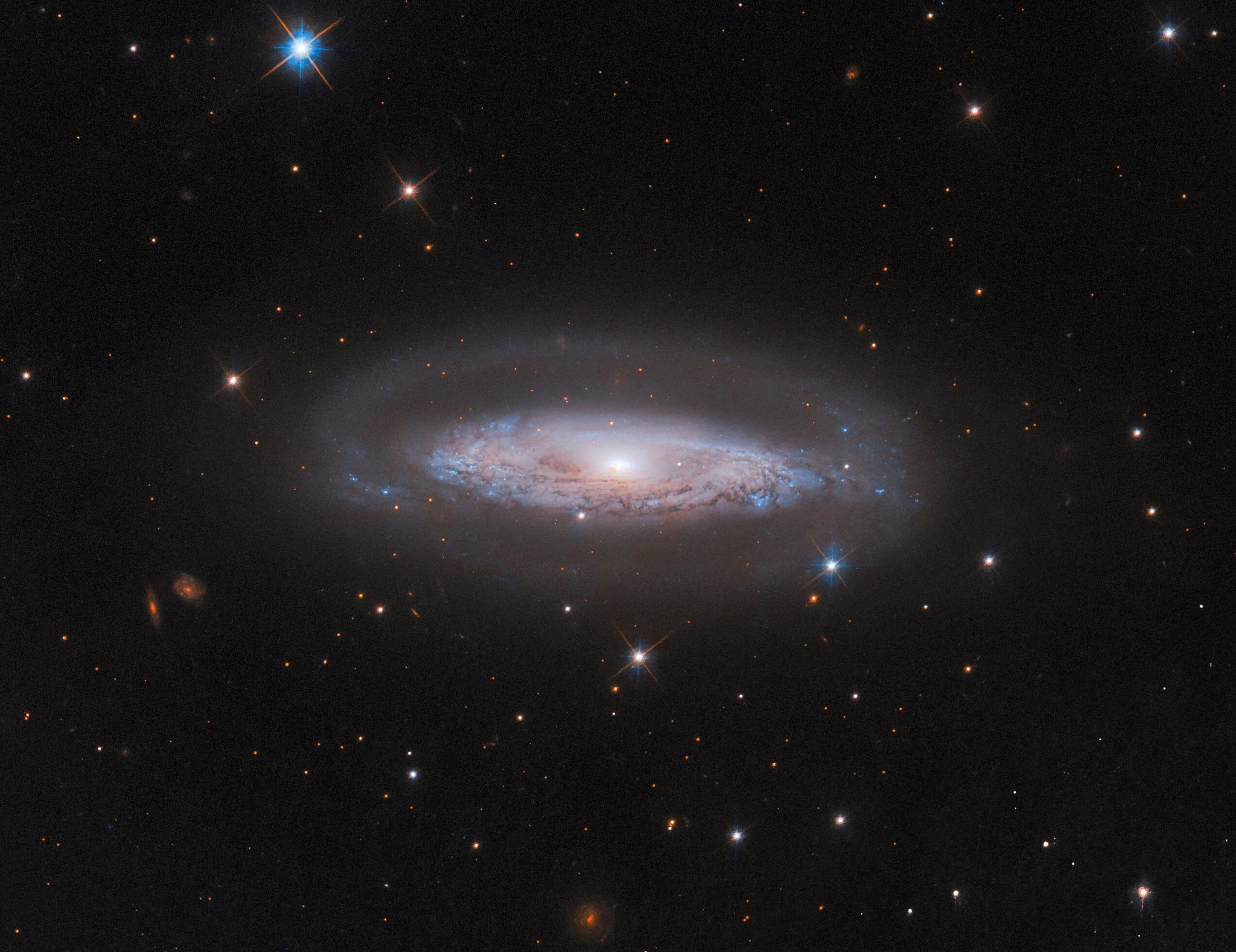
Deep-sky targets are realistic too when expectations are right. Orion Nebula (M42) looks like a glowing winged cloud at 30x to 50x, even from many suburban locations. Pleiades (M45) is best at low power with a wide field, where dozens of blue-white stars sparkle in one frame. Andromeda Galaxy (M31) is a faint elongated smudge in dark skies, but unmistakable once you know where to look. Double stars are perfect training targets in any aperture: Albireo splits into gold and blue, and Mizar/Alcor is a clean, beautiful test of optics and focus.
What will I see?
Moon: Tycho rays, Copernicus crater walls, crisp terminator shadows.
Saturn: Rings as an oval halo at 75x+, Titan as a tiny nearby point.
Jupiter: Four Galilean moons and two main cloud bands at moderate power.
Orion Nebula: Bright central glow with wing-like structure.
Pleiades / Andromeda: Wide open cluster sparkle, faint galaxy core in dark skies.
Min. aperture: 70mm for Moon and Saturn ring shape.
Min. aperture: 70mm for Jupiter moons; 90mm+ for stronger cloud detail.
Min. aperture: 100mm+ for consistent Cassini Division attempts.
Min. aperture: 100mm+ for brighter nebula and galaxy contrast.
Min. aperture: Any scope on this list for Albireo and Mizar/Alcor.