Celestron AstroMaster 70AZ Review 2026: Is It Worth Buying?
Telescope Advisor Logo Telescope Advisor
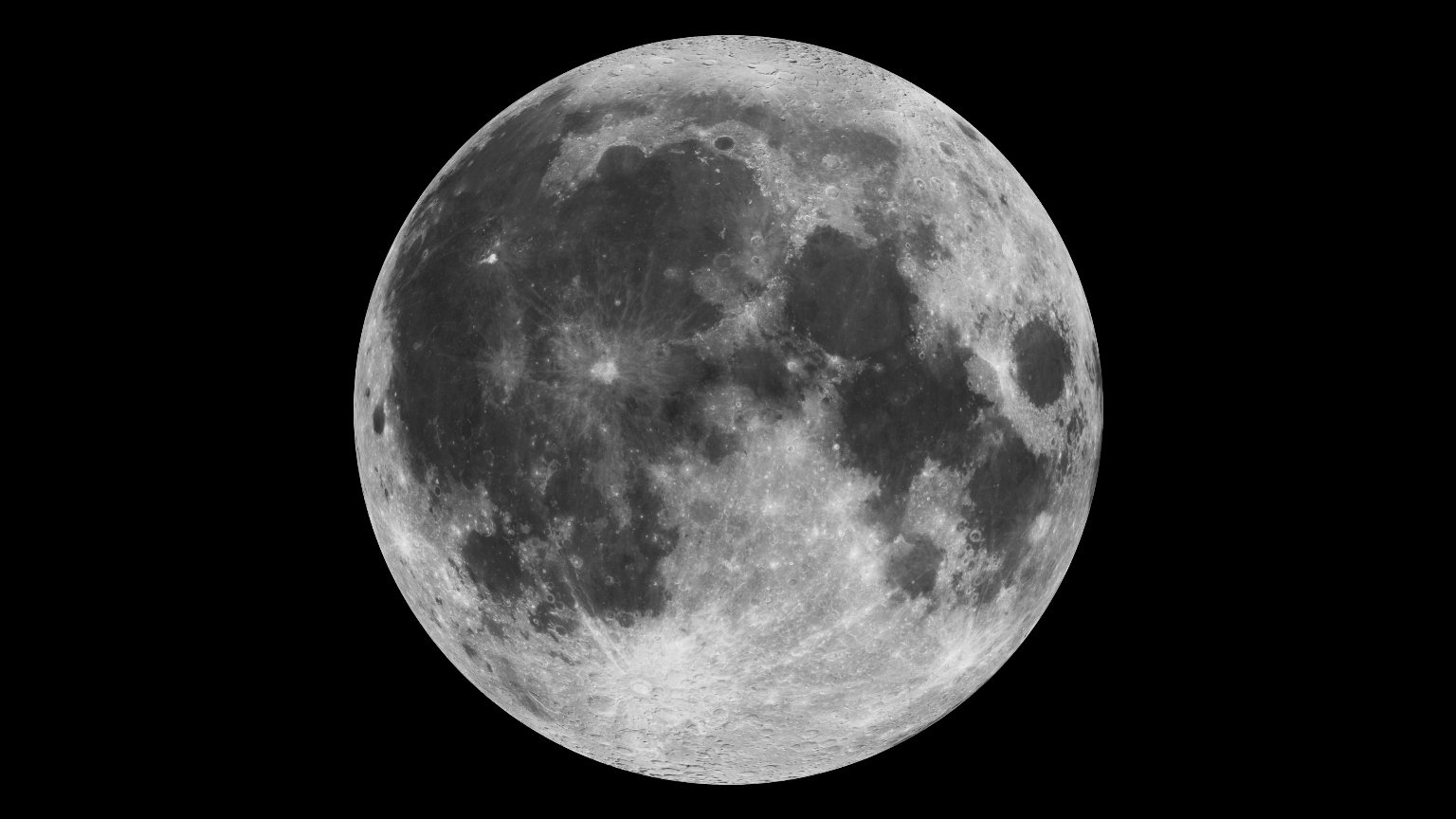
The Moon photographed by NASA Clementine satellite — the AstroMaster 70AZ's finest showpiece

Telescope Review · 2026

Celestron AstroMaster 70AZ Review 2026

The AstroMaster 70AZ is one of the best-selling beginner telescopes in the world. We test it on the Moon, Saturn, Jupiter, and star clusters — and tell you honestly whether it's worth buying or just a box of disappointment.

8.1/10

Our Score

70mm

Aperture

900mm

Focal Length

~$90

Typical Price

By Telescope Advisor Editorial Team Published: Updated: Editorial Standards

Quick Verdict

The Celestron AstroMaster 70AZ earns its place as the world's top-selling beginner telescope. Its 70mm achromatic refractor delivers genuinely impressive views of the Moon (crisp crater walls, mountains, and maria), Saturn (rings clearly visible with a gap), Jupiter (two main cloud bands, all four Galilean moons), and bright star clusters. Setup takes under 10 minutes — no tools required. At around $90, it is the most affordable gateway to real astronomical observing.

It is not perfect: the included accessories are average, and like all 70mm refractors it struggles with faint galaxies and nebulae. But for a beginner who wants to see rings around Saturn for the first time without spending $300, nothing at this price point comes close.

Bottom line: Highly recommended for beginners and gift buyers. It delivers on its promise.

Celestron AstroMaster 70AZ telescope

$116.76

Live Amazon price

Celestron AstroMaster 70AZ: Full Specifications

Specification Value
Optical DesignAchromatic refractor
Aperture70mm (2.76 inches)
Focal Length900mm
Focal Ratiof/12.9
Mount TypeManual alt-azimuth (no GoTo)
TripodAluminum, adjustable height
Eyepieces Included20mm (45×) and 10mm (90×)
FinderscopeStarPointer red-dot finder
DiagonalErect image prism (1.25")
Tube Weight~1.5 kg (3.3 lbs)
Total System Weight~3.5 kg (7.7 lbs)
Tube Length~760mm (30 inches)
FocuserRack and pinion, 1.25"
Power RequiredNone — fully manual

Limiting Stellar Magnitude: ~11.7 — shows stars down to mag 11.7 under dark skies. Bright Messier objects, double stars, star clusters, and planets are easily within reach.

Resolution (Dawes Limit): ~1.66 arc-seconds — enough to split many double stars and show planetary surface detail at moderate magnification.

Maximum Useful Magnification: ~140× (2× per mm of aperture). The included 10mm eyepiece gives 90× — already near the practical limit for this aperture. A 5mm or 6mm eyepiece can push to 150–180×, but only on nights of exceptional atmospheric steadiness.

Minimum Magnification: 45× (with 20mm eyepiece) — gives a 1.6mm exit pupil. Suitable for Moon overview and wide star clusters.

Accessories included: 20mm eyepiece (45×), 10mm eyepiece (90×), erect image prism diagonal, StarPointer red-dot finder, aluminum tripod with accessory tray, Starry Night software download.

Optical & Build Quality

The AstroMaster 70AZ uses an achromatic doublet objective lens — the classic two-element glass design that corrects chromatic aberration to an acceptable level for a budget refractor. At f/12.9, the long focal ratio keeps the residual color fringing (purple or green halos around bright objects) minimal compared to the faster refractors found in cheaper toy telescopes. The Moon, Saturn, and Jupiter show little distracting color at normal magnifications.

What the Optics Do Well

  • Long f/12.9 ratio — inherently good contrast and minimal chromatic aberration compared to faster budget scopes
  • Fully coated optics — multi-coating on both lens elements improves light transmission and contrast
  • Open tube design — minimal cool-down time required (no mirror to thermally stabilize)
  • Erect image diagonal — objects appear right-way-up, unlike astronomical diagonals (useful for terrestrial viewing too)

Optical Limitations to Know

  • 70mm aperture limits faint object detection — dim galaxies (below mag ~10) are washed out or invisible in light-polluted skies
  • Some chromatic aberration visible on very bright objects (Moon limb, Venus, Jupiter) at high magnification — a purple/blue fringe
  • Rack-and-pinion focuser: functional but not as smooth as finer focusers on mid-range scopes; fine focus adjustment requires a light touch
Build Quality Assessment: For a $90 telescope, the build is above average. The aluminum optical tube feels solid — it's not the cheap plastic tube found on toy telescopes at the same price point. The alt-azimuth mount moves smoothly on its axis controls. The tripod is lightweight but stable under normal observing conditions; avoid touching the tube while tracking objects. The StarPointer red-dot finder is genuinely useful and easy to align. The weakest element is the included 10mm eyepiece, which shows some aberration at the edge of the field — a quality aftermarket eyepiece is worth adding if you plan to observe regularly.

What You'll See Through the AstroMaster 70AZ

The 70AZ's 70mm aperture and 900mm focal length give it a specific observing personality — it excels at high-contrast objects like the Moon and bright planets, and holds its own on double stars and open clusters. Below is an honest account of what to expect at the eyepiece for each major target type.

The Moon — NASA Clementine satellite reference image showing craters and maria

The Moon ★★★★★ — Best Showpiece

At 45–90×: individual craters, mountain ranges, the Sea of Tranquility, and the terminator line in exquisite detail. The Moon is the 70AZ's undisputed highlight — beginners are consistently stunned. Credit: NASA/Clementine.

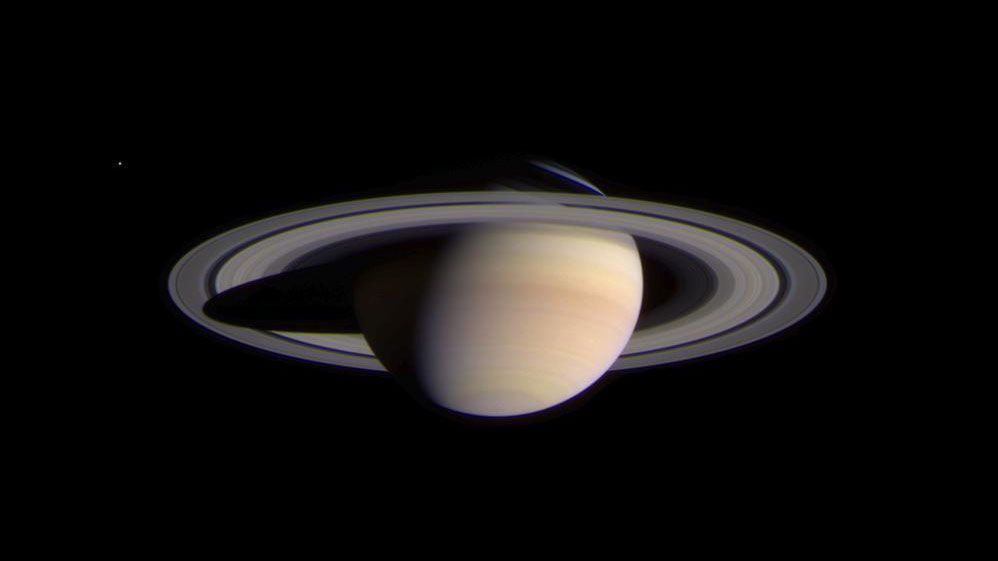
Saturn — NASA reference image showing rings and cloud bands

Saturn ★★★★☆ — Rings Clearly Visible

At 90×: the ring system is clearly separated from the globe — this is the view that converts beginners into lifelong astronomers. The Cassini Division may be glimpsed in excellent seeing. 1–2 moons visible. Credit: NASA/Hubble.

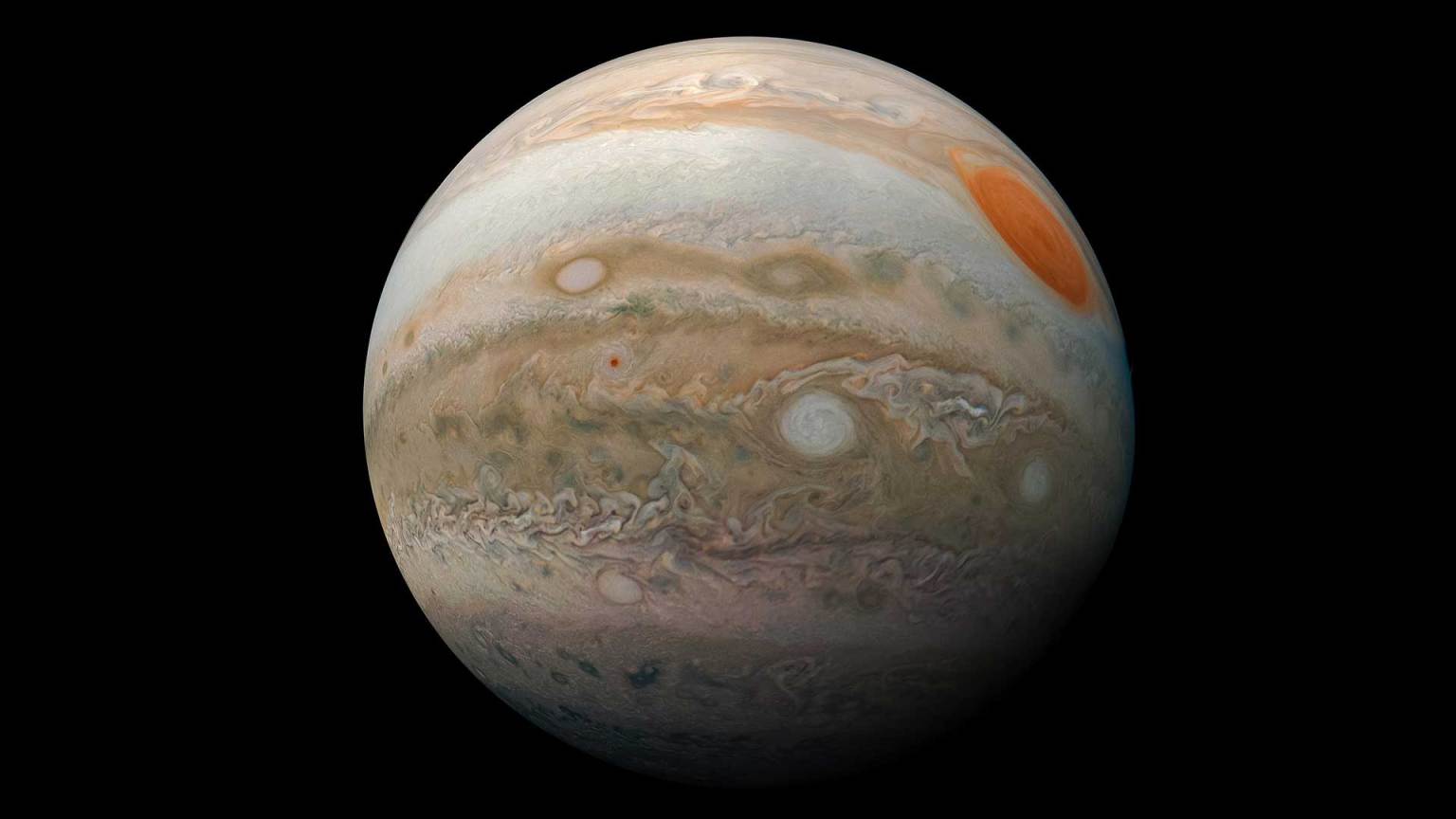
Jupiter — reference image showing cloud bands and Great Red Spot

Jupiter ★★★★☆ — Bands & Moons

At 90×: Jupiter's two main equatorial cloud belts are easily seen as brown stripes. All four Galilean moons (Io, Europa, Ganymede, Callisto) are visible as tiny bright dots. The Great Red Spot requires excellent seeing at maximum power. Credit: NASA/Hubble.

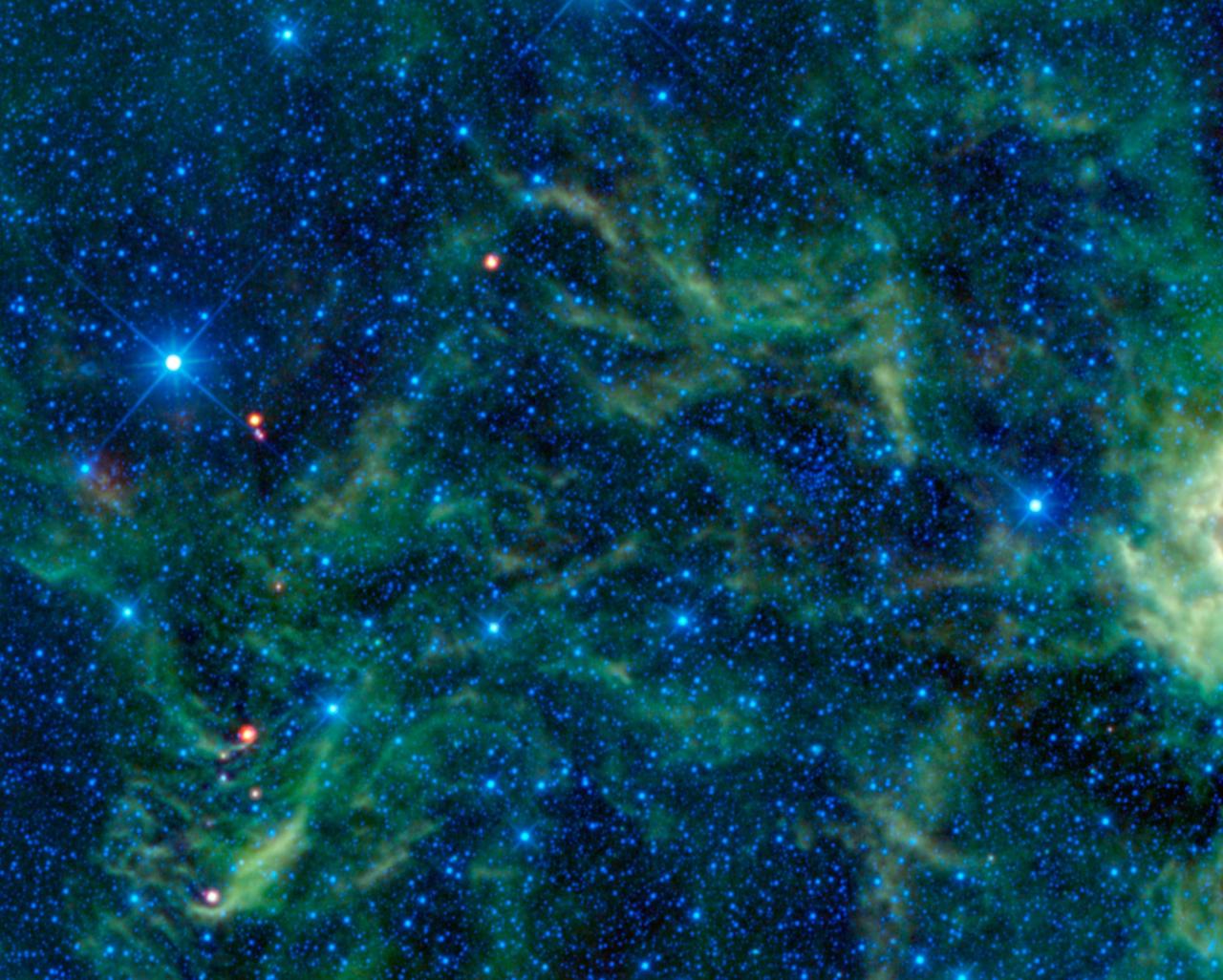
The Pleiades star cluster — NASA/ESA Hubble reference image

Star Clusters ★★★★★ — Outstanding

Open clusters like the Pleiades (M45), Hyades, and the Beehive (M44) are spectacular. The 20mm eyepiece at 45× sweeps dozens of stars into a single gorgeous view. M45 shown here. Credit: NASA/ESA/Hubble.

Honest Target-by-Target Ratings

Moon★★★★★ Excellent
Saturn (rings)★★★★☆ Very Good
Jupiter (bands & moons)★★★★☆ Very Good
Venus (phases)★★★★☆ Very Good
Open Star Clusters★★★★★ Excellent
Double Stars★★★★☆ Very Good
Globular Clusters (M13)★★★☆☆ Good — not resolved
Orion Nebula (M42)★★★☆☆ Visible, faint
Galaxies (M31, M81)★★☆☆☆ Faint smudge only
Planetary Nebulae★★☆☆☆ Star-like at best
Mars (during opposition)★★☆☆☆ Tiny orange disk
Deep-Sky Objects (general)★★☆☆☆ Better scope needed
About these reference images: The NASA/ESA photos above show the objects you will observe — they are not eyepiece views through the AstroMaster 70AZ. Long-exposure photography reveals color and detail far beyond what the eye sees visually. At the eyepiece, planets appear in real time; their color is muted. Deep-sky objects show structure but not the vivid nebula colors of photographs. The captions describe what is actually visible to the eye with a 70mm aperture under good conditions.

Setup & Ease of Use

The AstroMaster 70AZ is specifically designed for beginners — Celestron claims "no tools required" assembly, and this is accurate. The telescope ships in two main boxes: the optical tube assembly and the tripod. First-time assembly takes approximately 8–12 minutes following the included instructions. After the first time, it takes 5–7 minutes.

Assembly Time

8–12 minutes first time; 5–7 minutes once familiar. The optical tube slides onto the mount's dovetail and locks with a thumbscrew. Eyepieces snap into the focuser without tools. The tripod legs extend and lock in seconds. No tools required.

Finding Objects (Manual)

The 70AZ has no GoTo — you point it manually. For the Moon and bright planets, this is simple: they are obvious in the sky. For fainter targets, a free app like SkySafari or Stellarium on a smartphone works as a real-time star chart. Start with the red-dot finder to aim at bright objects, then look through the eyepiece. Begin with the 20mm (45×) for the widest view.

Tracking (Manual)

No motorized tracking — the Earth's rotation causes objects to drift through the eyepiece field at high magnification. At 90× (10mm eyepiece), the Moon crosses the field in about 2–3 minutes. You nudge the telescope slightly every minute or two to keep the object centered. This becomes second nature quickly and is considered part of the observing experience by most astronomers.

Step-by-Step: First Light Observing Session

  1. Take the scope outside 10 minutes before observing (the open tube needs no cool-down time).
  2. Assemble the tripod; attach the mount head and tighten the central bolt with your hand.
  3. Slide the optical tube into the mount dovetail; tighten the thumbscrew until snug.
  4. Insert the erect-image diagonal into the focuser; tighten the thumbscrew.
  5. Insert the 20mm eyepiece into the diagonal; tighten the thumbscrew.
  6. Switch on the StarPointer red-dot finder (uses a CR2032 battery — bring a spare).
  7. During daylight, aim at a distant terrestrial object (a tree, rooftop) and adjust the focuser until sharp. Align the red-dot finder so the dot sits on the same object you see in the eyepiece.
  8. After dark: aim at the Moon or a bright planet using the red-dot finder. Switch to the 10mm eyepiece for higher power once centred.
Tip for first-time users: The most common beginner mistake is jumping straight to the 10mm high-power eyepiece. Always start with the 20mm (lower power, wider field). Centre the object, then switch to the 10mm. It is much easier to locate objects with low magnification first.

Pros & Cons

Pros

  • Excellent Moon views — fine crater detail, mountains, mare boundaries at 45–90×
  • Saturn's rings clearly visible as separate from the globe — the "wow moment" that hooks new observers
  • Jupiter's main cloud bands and all four Galilean moons visible at 90×
  • Fast, easy assembly — no tools, under 10 minutes
  • Lightweight at 3.5 kg — portable enough to carry to a dark field
  • Open-tube design: no cool-down wait, unlike Newtonians and SCTs
  • Long f/12.9 focal ratio minimises chromatic aberration compared to faster cheap refractors
  • Erect-image diagonal — objects appear right-way-up (doubles as a terrestrial daytime scope)
  • Comes with Starry Night software download — beginner star-charting app worth ~$20
  • Celestron brand warranty and customer support

Cons

  • 70mm aperture cannot resolve faint deep-sky objects — galaxies dimmer than mag 10 are very difficult
  • No motorised tracking — objects drift out of the field at high magnification
  • Included 10mm eyepiece is adequate but not sharp edge-to-edge — worth upgrading
  • Rack-and-pinion focuser requires a gentle touch; coarse knob adjustment can be frustrating at high power
  • Tripod is lightweight — can vibrate in wind; avoid touching the tube when viewing
  • No GoTo — manually locating fainter targets requires a star chart or a phone app
  • Chromatic aberration (purple halo) visible on very bright objects at 90× — this is inherent to budget achromatic refractors
  • Not suitable for long-exposure astrophotography
Check Price on Amazon →

Affiliate link — we may earn a commission at no extra cost to you.

Best Accessories to Pair With the AstroMaster 70AZ

The scope comes complete enough to start observing immediately. These accessories — in priority order — genuinely improve the experience:

1. Quality 6mm Planetary Eyepiece (~$30–50)

The 6mm eyepiece gives 150× — near the practical maximum for a 70mm aperture. This is the ideal magnification for Saturn's rings and Jupiter's cloud belts on nights of good atmospheric seeing. The included 10mm (90×) is fine for getting started, but a sharp 6mm wide-angle eyepiece is noticeably better. Look for a Celestron Luminos 7mm or Explore Scientific 62° 5.5mm.

2. 2× Barlow Lens (~$25–40)

A Barlow doubles the magnification of any eyepiece. Combined with the included 10mm eyepiece, it gives 180× — useful on exceptional nights for fine planetary detail. Combined with the 20mm, it gives a very usable 90×. A Celestron X-Cel LX 2× Barlow or a generic Shorty 2× Barlow both work well for under $40.

3. Moon Filter (~$15–25)

At 45–90×, the full Moon is intensely bright — bright enough to cause temporary dazzle. A 1.25" neutral-density Moon filter (13% or 25% transmission) screws onto any eyepiece and reduces glare dramatically, making lunar crater detail pop. An essential accessory for comfortable and detailed Moon observing. They cost $10–25 on Amazon.

4. Red Flashlight (~$10–20)

White light destroys dark adaptation (your eyes' sensitivity to dim objects) in seconds. A red flashlight lets you read star charts, change eyepieces, and write notes without losing night vision. You can adapt one with red cellophane tape for free, or buy a purpose-made astronomy red LED torch for under $15.

5. SkySafari App (Free – $15)

The free Stellarium app or SkySafari Basic work as real-time star charts on your smartphone — point the phone at the sky and it identifies stars, planets, and constellations. SkySafari Plus ($15) adds a full Messier, NGC, and IC object database. These apps replace the need for printed star charts and are invaluable for manual telescopes like the 70AZ.

6. Extra CR2032 Batteries

The StarPointer red-dot finder runs on a single CR2032 coin cell battery. It drains faster than expected — a fresh battery may last only 30–50 hours of use. Keep 2–3 spares in your accessory case. Nothing kills the start of an observing session like a dead red-dot finder.

Celestron AstroMaster 70AZ vs Competitors

Telescope Aperture Design GoTo Price Best For
AstroMaster 70AZ ⭐ 70mm Refractor f/12.9 No ~$90 Best beginner value
Celestron PowerSeeker 70AZ 70mm Refractor f/10 No ~$70 Tighter budget, slightly lower quality
Gskyer 70mm AZ Refractor 70mm Refractor f/5.7 No ~$65 Budget, but faster focal ratio causes more CA
Celestron AstroMaster 114EQ 114mm Newtonian f/8.8 No ~$170 More aperture, harder EQ mount to use
Sky-Watcher Heritage 130P 130mm Newtonian f/5 No ~$200 Best deep-sky under $200, tabletop mount
Celestron StarSense LT 114AZ 114mm Newtonian f/8.8 StarSense app ~$220 Bigger aperture + phone-assisted alignment

AstroMaster 70AZ vs PowerSeeker 70AZ

Both are 70mm refractors at a similar price. The AstroMaster's key advantages are its longer f/12.9 focal ratio (less chromatic aberration), sturdier build quality, erect-image diagonal, and Celestron's better warranty support. The PowerSeeker 70AZ is a few dollars cheaper but noticeably lower build quality. The AstroMaster is the better buy unless the price difference matters to you.

AstroMaster 70AZ vs Heritage 130P Dobsonian

The Heritage 130P has nearly 3.5× more light-gathering area (130mm vs 70mm) for roughly double the price. If your budget allows $200 and you want the best views, the Heritage 130P is unbeatable — it shows deep-sky detail the 70AZ simply cannot. The 70AZ wins on simplicity and price for absolute beginners who just want to see the Moon and Saturn without any fuss. See our best beginners telescope guide for a full comparison.

AstroMaster 70AZ vs AstroMaster 114EQ

The AstroMaster 114EQ has a 114mm Newtonian mirror (2.6× more light than the 70AZ) and an equatorial mount. But equatorial mounts are intimidating for beginners — they must be polar-aligned before use. For a first-ever telescope buyer, especially for a child or a gift, the 70AZ's simpler alt-azimuth mount wins on ease of use. The 114EQ is better for someone who is committed to learning the equatorial mount.

AstroMaster 70AZ vs StarSense LT 114AZ

The StarSense LT 114AZ uses Celestron's StarSense Explorer technology — point the scope at the sky, use the phone app to identify alignment stars, and it automatically calculates where to find objects. At ~$220, it costs 2.5× more than the 70AZ. The 114mm aperture also shows considerably more detail. If budget allows, the StarSense LT 114AZ is the more capable telescope. The 70AZ is the right choice for gift buyers and absolute first-timers on a tight budget.

Who Should Buy the Celestron AstroMaster 70AZ?

Ideal Buyer ✓

  • ✓ First-ever telescope buyer — no prior experience needed
  • ✓ Children ages 10+ with adult supervision
  • ✓ Gift buyers wanting a reliable name-brand scope
  • ✓ Anyone who primarily wants to see the Moon, Saturn, and Jupiter
  • ✓ Budget-conscious buyers with max ~$100 to spend
  • ✓ Apartment/balcony observers needing a portable scope
  • ✓ Terrestrial viewers who also want to see stars

Consider Alternatives ⚠

  • ⚠ Deep-sky enthusiasts — consider Heritage 130P (~$200) for 3.5× more aperture
  • ⚠ Buyers with $150–250 to spend — the AstroMaster 114EQ or StarSense LT 114AZ offer significantly more capability
  • ⚠ Those wanting automated GoTo object-finding — see our best computerised telescopes guide
  • ⚠ Astrophotographers (any budget) — this scope is not suitable for imaging

Not Recommended For ✗

  • ✗ Serious deep-sky observers (faint galaxies & nebulae require more aperture)
  • ✗ Astrophotography of any kind — no tracking, no camera adapter practical use
  • ✗ Intermediate or experienced observers stepping up from a previous scope (upgrade to a Dobsonian or computerised scope instead)
  • ✗ Buyers who expect Hubble Space Telescope photos at the eyepiece
A note on realistic expectations: The AstroMaster 70AZ is a genuine telescope that delivers genuine views — but it is entry-level. The Moon, Saturn, and Jupiter will impress any beginner. Faint deep-sky objects will disappoint. If your expectations are calibrated correctly (Moon and planets, not Hubble photos), you will love this telescope. If your expectations are unrealistic, no beginner scope will satisfy you. Read our guide to easy objects to see with a telescope to set the right expectations.
Editor's Pick — Best Beginner Telescope Under $100
Celestron AstroMaster 70AZ telescope

Celestron AstroMaster 70AZ

70mm achromatic refractor · 900mm focal length · f/12.9 · Manual alt-azimuth mount · 45× and 90× eyepieces included

$116.76

Live price from Amazon

Affiliate link — we may earn a small commission at no extra cost to you.

Frequently Asked Questions

Can you see Saturn's rings with the Celestron AstroMaster 70AZ?

Yes — clearly. At 90× (using the included 10mm eyepiece), Saturn's ring system is cleanly separated from the globe, and the planet's oval shape is obvious. This is the single most memorable view for first-time observers. The Cassini Division (the dark gap between the A and B rings) may be glimpsed in excellent atmospheric seeing conditions. Saturn's moon Titan is also visible as a small bright dot nearby. See our Saturn viewing guide for timing and tips.

How much does the Celestron AstroMaster 70AZ cost?

The AstroMaster 70AZ typically retails for $80–$120 depending on the retailer and current Amazon pricing. It regularly features in Amazon's most-bought telescope list. Price fluctuates — check Amazon's current listing for the latest price. The telescope represents outstanding value at this price point: Celestron brand quality, two eyepieces, erect-image diagonal, and Starry Night software included.

Is the AstroMaster 70AZ good for a child?

Suitable for children aged 10 and above with adult supervision. The telescope requires setting up a tripod, focusing the eyepiece, and aiming manually — tasks that younger children may find frustrating. For children aged 8–10, an adult should do initial setup and help with aiming. For children under 8, a simpler option like a basic tabletop Dobsonian or a pair of astronomy binoculars may be more age-appropriate. The 70AZ is lightweight enough for a child to carry, and its Alt-Az mount has no complex polar alignment needed. Read our best telescopes for kids guide for age-specific recommendations.

What is the maximum magnification of the AstroMaster 70AZ?

The theoretical maximum useful magnification is approximately 140× (2× per mm of aperture). The included 10mm eyepiece gives 90×, which is already a practical high-power view. A 6mm eyepiece gives 150×, and a 5mm gives 180× — near the absolute limit. Above ~150×, the Earth's atmosphere typically introduces enough turbulence to blur fine detail, making higher magnification counterproductive. Cheap eyepieces below 5mm focal length give more power on paper, but the resulting image is dim and blurry. Stick to 90–150× for best planetary results.

Can the AstroMaster 70AZ see the Andromeda Galaxy?

Yes, but the view is underwhelming compared to what people expect from photographs. The Andromeda Galaxy (M31) is magnitude 3.4 and spans several degrees — easily visible as a faint, fuzzy oval through the 20mm eyepiece at 45× even in mild light pollution. It appears as a hazy elliptical glow, not the spiral arm detail seen in long-exposure photos. Under dark skies, the galaxy's core is brighter and more defined. For deep-sky objects that look impressive visually, see our easy objects to see with a telescope guide.

How long does it take to set up the AstroMaster 70AZ?

First-time assembly takes approximately 8–12 minutes. Once you have done it once, setup takes 5–7 minutes. No tools are required. The tripod legs extend and lock with a quick-release mechanism. The optical tube slides onto the mount's dovetail bar and locks with a thumbscrew. Eyepieces snap in and tighten by hand. The telescope is fully tool-free and beginner-friendly. Celestron includes a printed quick-start guide, and setup tutorial videos are available on Celestron's YouTube channel.

Is the AstroMaster 70AZ good for astrophotography?

No — the AstroMaster 70AZ is not suitable for astrophotography. It has no motorised tracking, so the Earth's rotation causes stars to trail in any exposure longer than a few seconds. The manual alt-azimuth mount also introduces field rotation in long exposures. The focuser has no camera thread. You can take afocal photos by holding a smartphone to the eyepiece, which works reasonably well for the Moon at 45×, but this is casual photography rather than astrophotography. For a telescope that supports genuine astrophotography, see our best telescopes for astrophotography guide.

What is the difference between AstroMaster 70AZ and AstroMaster 70EQ?

Both use the same 70mm / 900mm optical tube. The difference is the mount. The AZ (alt-azimuth) model points up-down and left-right — intuitive for beginners, identical to a camera tripod. The EQ (equatorial) model has a mount tilted to match the Earth's axis, allowing it to track stars by turning one axis. The EQ mount enables more precise tracking at high magnification but requires polar alignment (a 5–10 minute procedure) before each session. For beginners, the AZ model is recommended. The EQ is worth learning if you intend to eventually track and photograph planets at high power.

Can you see Jupiter's moons with the AstroMaster 70AZ?

Yes — all four Galilean moons (Io, Europa, Ganymede, and Callisto) are clearly visible as bright star-like points alongside Jupiter's disc at 45–90×. Their positions change night to night as they orbit Jupiter. On any given night, you might see 2, 3, or all 4 moons — occasionally one disappears behind Jupiter (occultation) or passes in front of it (transit). Free apps like SkySafari, Stellarium, or Sky Map tell you which moons are visible and where they are on any given night.

Does the AstroMaster 70AZ need collimation?

No — refractor telescopes use fixed lens elements and do not require periodic collimation the way reflector (mirror) telescopes do. The AstroMaster 70AZ's objective lens is factory-aligned and sealed. There is no collimation adjustment, and none should be needed during normal use. The only alignment you need to do is the one-time task of aligning the StarPointer red-dot finder to match the eyepiece view — this takes 2–3 minutes and is described in the quick-start guide.

What can the AstroMaster 70AZ NOT see?

The 70AZ's main limitations come from its 70mm aperture: faint galaxies (most are invisible from light-polluted suburbs), most planetary nebulae (appear as star-like specks at best), globular cluster resolution (M13 appears as a fuzzy ball, not resolved into individual stars), and fine double stars close to or below the 1.66 arc-second Dawes limit. On planets, expect basic features — cloud bands on Jupiter and rings on Saturn — but not the fine surface texture visible in Hubble images. Mars appears as a tiny orange dot except near opposition. For managing expectations on all telescope types, read our guide on easy objects to see with a telescope.

Related Guides