When exactly is the Perseid meteor shower peak in 2026?
The Perseid meteor shower peaks the night of August 12–13, 2026. The maximum activity is expected around 1:00–4:00 AM local time on August 13, when the radiant (in Perseus) is highest in the sky. The shower is active from July 17 to August 24, so you can see increasing numbers of Perseids in the days leading up to the peak. The night of August 11–12 also produces good rates — roughly 50–70% of peak — making two consecutive nights excellent for observing. The IMO's predicted moment of maximum is 14:53 UTC on August 13 — meaning the pre-dawn hours of August 13 (local time across all US time zones) align closely with the theoretical peak.
What is the moon phase during the 2026 Perseid peak?
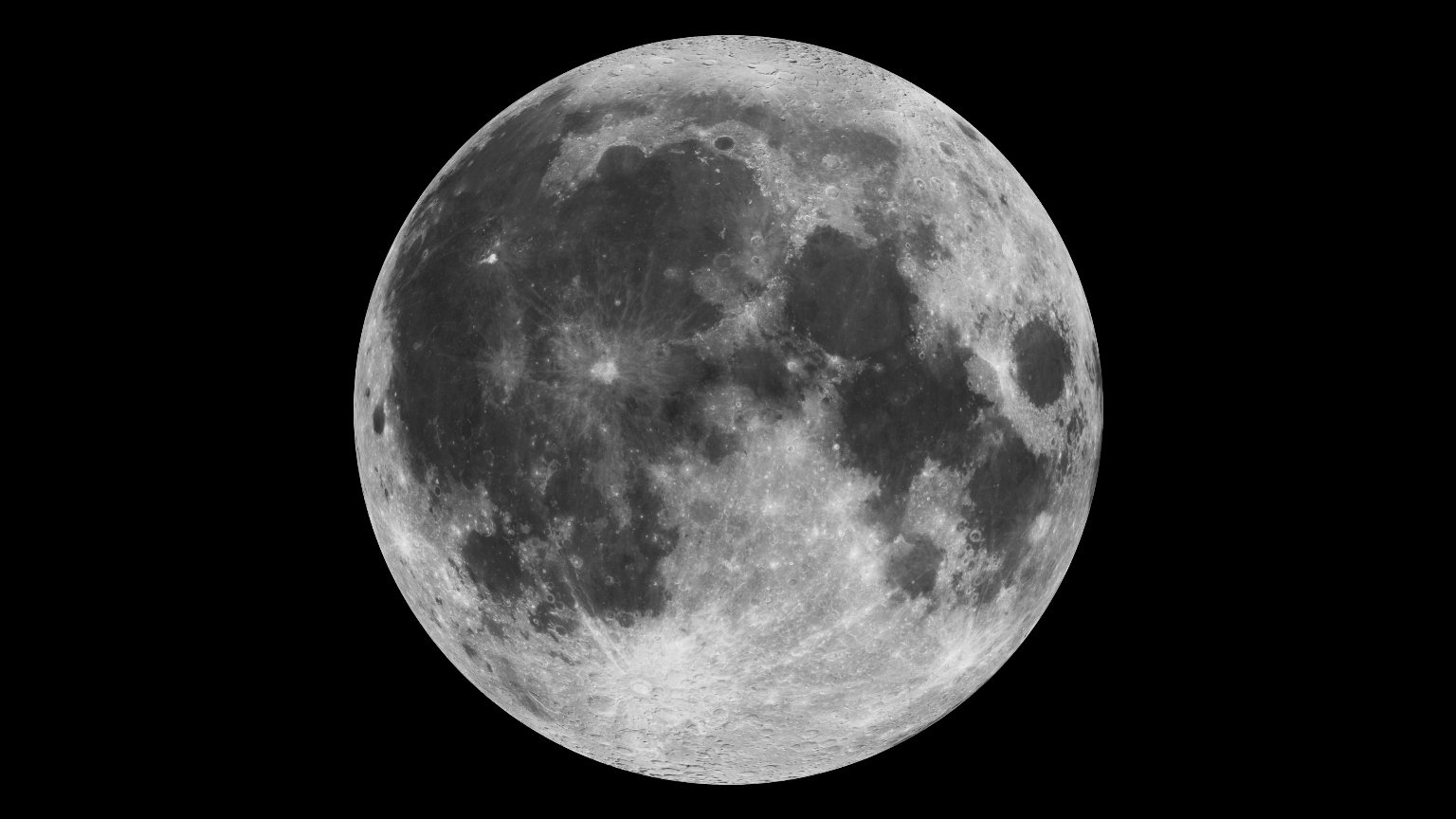
The Moon is a New Moon on August 12, 2026 at 1:36 PM EDT — 0% illuminated. The Moon will set before 9 PM local time and will not rise again until after sunrise on August 13. This means the entire Perseid peak window (approximately 10 PM through 5 AM) has zero lunar interference. This is the best Moon condition possible for any meteor shower and makes 2026 the finest Perseid year since 2018. Dark-sky observers under the IMO's 30–50 ZHR forecast should see 20–40/hr from a dark site, with potential for higher rates during the dust trail encounter around 01h UTC on August 13.
How many Perseid meteors per hour can I expect to see in 2026?
The IMO specifically forecasts a background ZHR of 30–50 for 2026 due to Earth crossing a sparser section of the debris stream. In practice, observers at a truly dark site (Bortle 3–4) should expect 15–40 visible meteors per hour under normal stream conditions. A dust trail encounter around 01:00 UTC on August 13 could temporarily push rates higher. From suburban skies (Bortle 6), expect 8–20/hr. The good news: with 0% Moon, every meteor that does appear will be fully visible — including faint mag +5 and +6 streaks that are washed out in most years. The IMO's predicted moment of maximum is 14:53 UTC on August 13.
Do I need a telescope to watch the Perseid meteor shower?
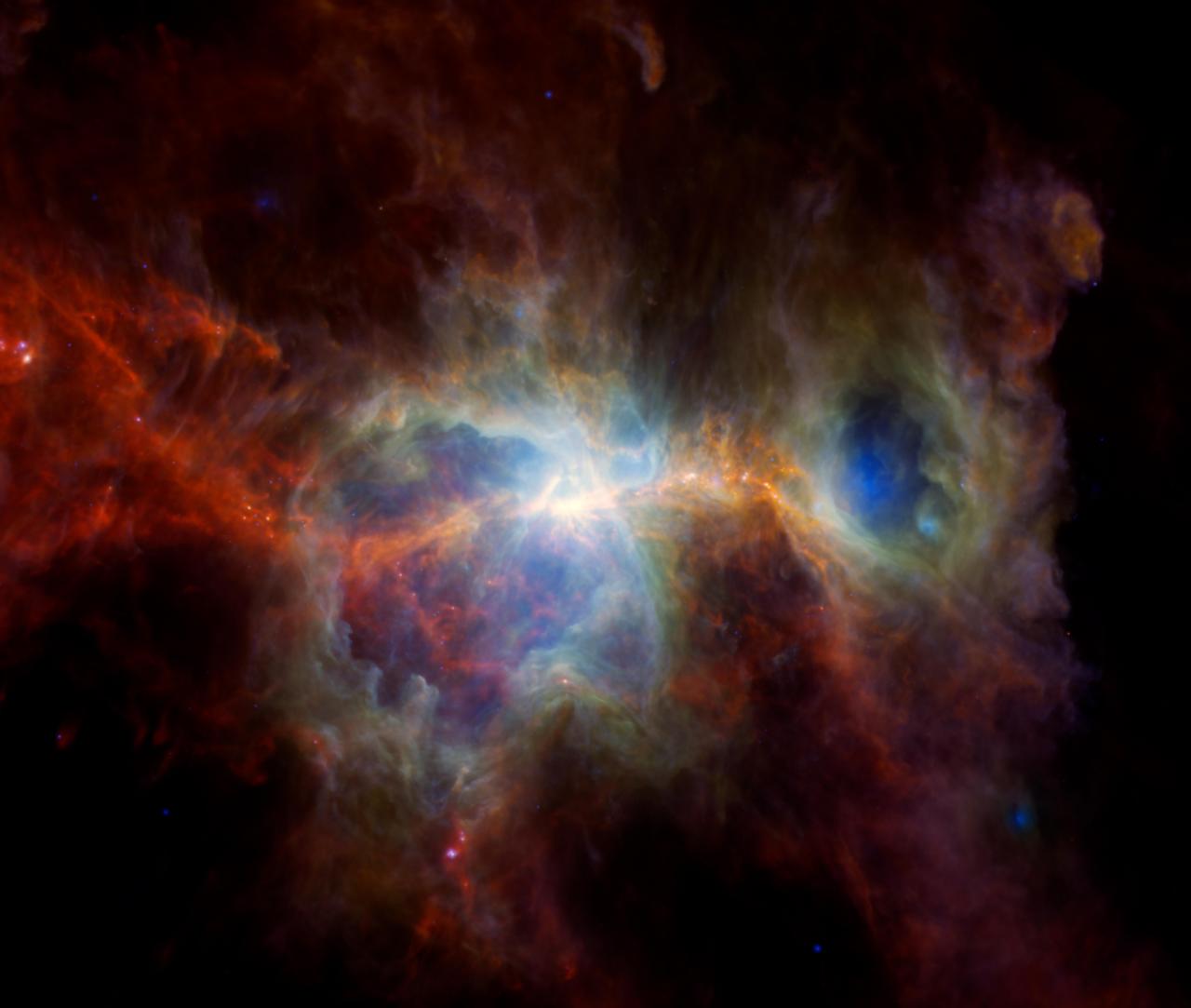
No — a telescope is the wrong tool for watching meteors. Meteors streak across 30–90° of sky in under a second. A telescope has a field of view of less than 1°. You will not see a single meteor through a telescope eyepiece. The Perseids are best watched with the naked eye, lying flat on your back to cover as much sky as possible. However, a telescope (or binoculars) is excellent for exploring the deep-sky objects visible the same night — the Andromeda Galaxy, Orion Nebula, Double Cluster in Perseus, and others — while you wait for the next fireball.
Where should I look in the sky for the Perseid meteor shower?
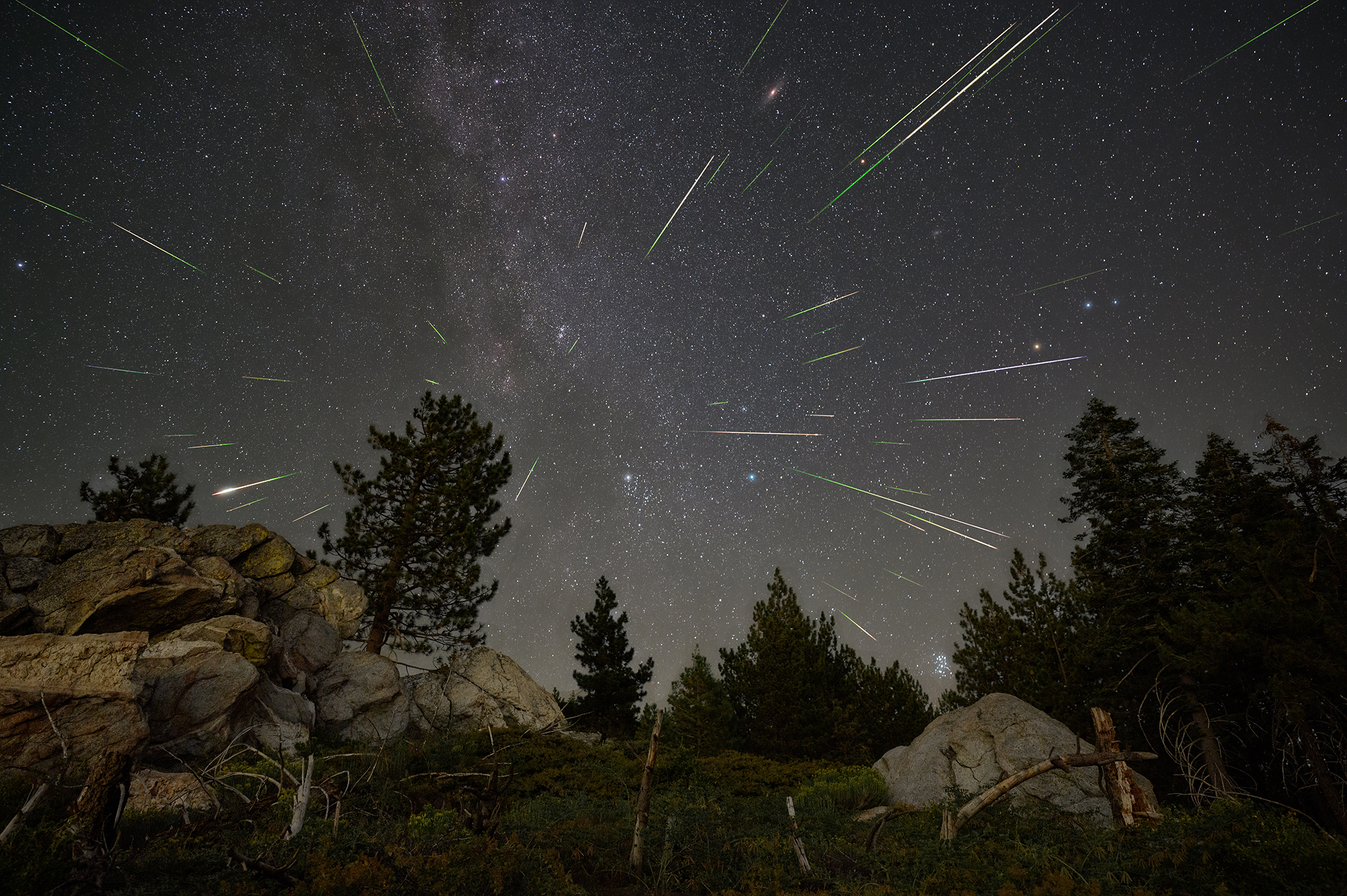
The radiant — the point from which meteors appear to originate — is in the constellation Perseus, in the northeastern sky. However, don't stare at the radiant. Instead, look 40–90° away from Perseus (overhead or toward the east). Meteors radiating from that direction will cross your field of view at longer angles and appear more dramatic. The best technique is to lie flat on your back and let your eyes rove the whole sky — meteors will appear in all directions. To find Perseus: face northeast, locate the distinctive W-shape of Cassiopeia, then Perseus is directly below it. The radiant is near the star η (eta) Persei.
What time should I go outside to watch the Perseids in 2026?
You can start seeing Perseids from about 10 PM local time on August 12 — these early ones will be slow, long-trailed "Earthgrazers" with the radiant still low on the NE horizon. Rates build steadily after midnight. The best window is 1 AM – 4 AM local time on August 13 when Perseus is 40–55° above the horizon and rates approach their peak. If you can only go out once, aim for 2 AM – 4 AM. If you want the full experience, start at 10 PM and stay until dawn — you'll witness the complete progression from Earthgrazers to peak activity.
What causes the Perseid meteor shower?
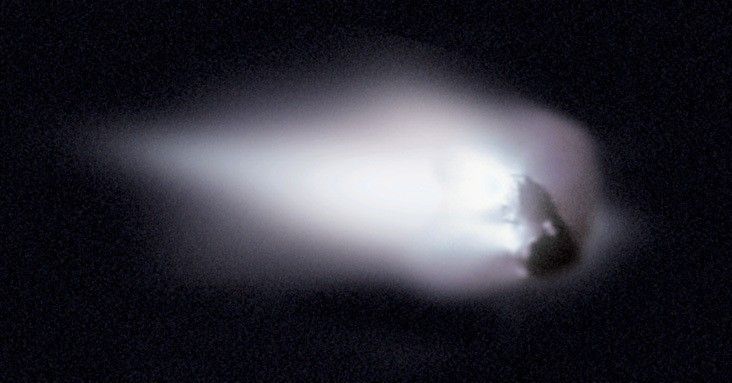
The Perseids are caused by Earth passing through the debris trail left by Comet 109P/Swift-Tuttle. Swift-Tuttle is a large periodic comet with a nucleus 16 miles (26 km) across that orbits the Sun every 133 years. As it nears the Sun, it sheds dust and rock fragments that spread along its orbital path. Every August, Earth passes through this debris stream. The tiny fragments — most are pea-to-marble-sized — enter our atmosphere at 37 miles per second (59 km/s) and disintegrate completely at altitudes of 60–80 km, creating the bright streaks we see as meteors. Swift-Tuttle last visited the inner solar system in 1992 and won't return until 2125 — but its debris trail delivers a reliable ~100/hr shower every year.
Is the Perseid meteor shower visible from the Southern Hemisphere?
Yes, but with significantly reduced rates. The radiant in Perseus never rises very high for Southern Hemisphere observers — from Australia or South America, Perseus barely clears the northern horizon in mid-August, keeping it below ~20° altitude for most of the night. Observers in the southern US, southern Europe, and subtropical latitudes will see reduced but still worthwhile rates (perhaps 30–50/hr at peak). The further north you are, the better — from Canada or northern Europe, the radiant climbs to 50°+ overhead, maximising rates. Observers in Antarctica or far southern latitudes will see very few Perseids.
Can I photograph Perseid meteors with a smartphone?
Modern flagship smartphones (iPhone 16 Pro/iPhone 17, Samsung Galaxy S25/S25 Ultra, Google Pixel 9 Pro) have dedicated astrophotography/night modes that can capture brighter meteors with exposures of 15–30 seconds. Use a tripod (essential — no handheld), enable your phone's astrophotography or pro night mode, set ISO to maximum, and let it fire continuously. Results will be less detailed than a DSLR but can yield shareable fireball shots. The 2026 New Moon maximises smartphone capture chances since there's no competing moonlight. The key limitation: smartphone sensors are smaller, so they capture fewer stars and fainter meteors than dedicated cameras.
What time is the Perseid peak in Eastern Time, Central Time, Mountain Time, and Pacific Time?
The peak of the 2026 Perseid shower in US time zones:
Eastern Time (EDT, UTC−4): Best window 1:00–4:30 AM EDT on August 13. Single best hour: 3–4 AM EDT.
Central Time (CDT, UTC−5): Best window 1:00–4:45 AM CDT on August 13. Single best hour: 3–4 AM CDT.
Mountain Time (MDT, UTC−6): Best window 1:00–4:50 AM MDT on August 13. Single best hour: 3–4 AM MDT.
Pacific Time (PDT, UTC−7): Best window 1:30–5:00 AM PDT on August 13. Single best hour: 3–4 AM PDT.
Regardless of zone, 3–4 AM local time on August 13 is the single best hour for Perseid viewing — this is when Perseus reaches 50°+ altitude and rates hit their maximum. Set an alarm the night before and get to a dark site before that window opens.
How long does the Perseid meteor shower last in 2026?
The Perseid shower is active from July 17 to August 24, 2026 — about 38 days total. However, rates are low for most of that window. Activity noticeably picks up from around August 8–9 and remains above 50% of peak rates from August 10 through August 14. The peak itself lasts roughly 12–18 hours, centred on the night of August 12–13. By August 15 rates drop sharply. If you miss peak night, the night before (August 11–12) is second best — roughly 60–70% of peak rates, with the same excellent New Moon conditions. After August 15, rates are significantly reduced and not worth a special trip.
🌠 Can't make peak night? Aug 11–12 is nearly as good
The night before peak — August 11–12 — delivers roughly 60–70% of peak rates under the same perfect New Moon conditions. No Moon interference, same dark skies. If work, travel, or weather forces a choice, Aug 11–12 is a very strong backup — and worth going out for even if you also plan to observe peak night.
What is a Perseid Earthgrazer meteor?
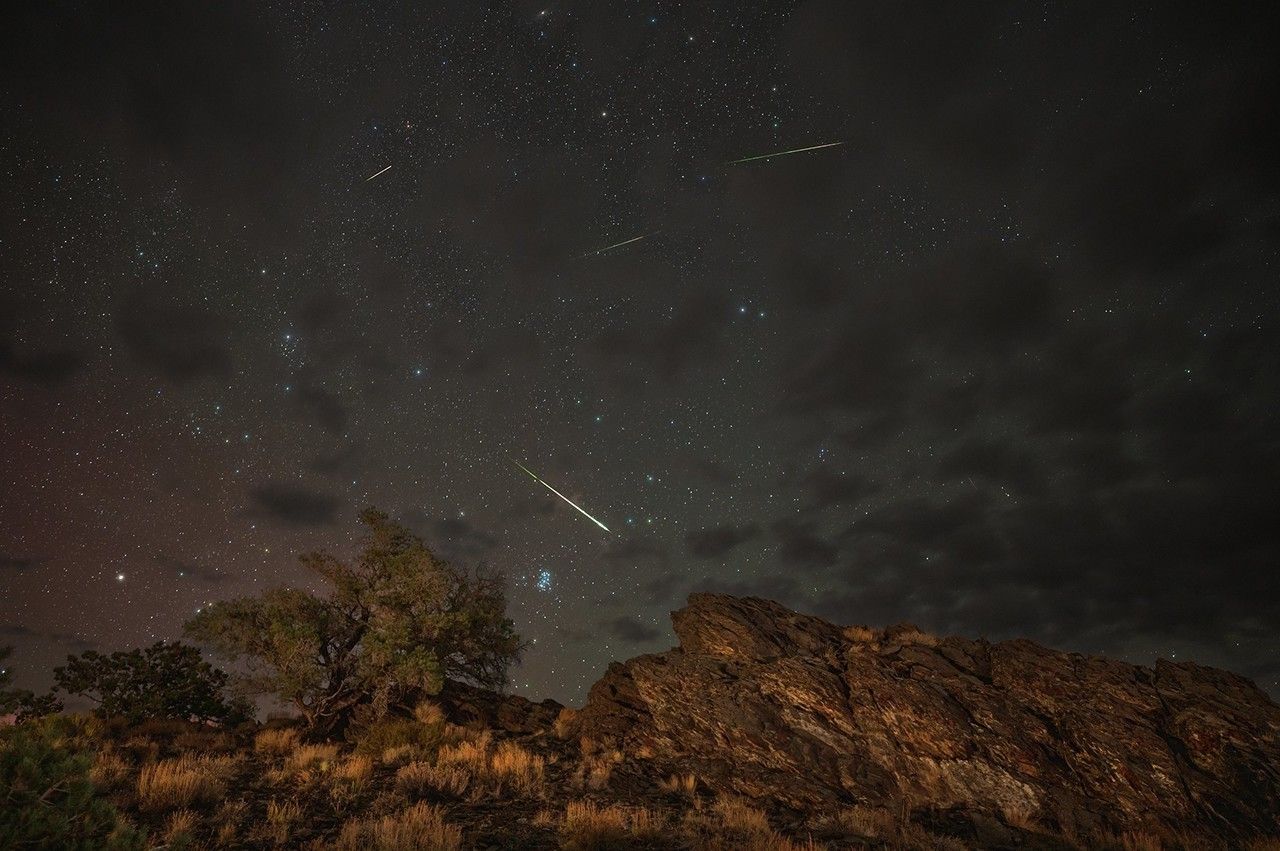
An Earthgrazer is a rare type of meteor that occurs when the radiant (Perseus) is near the horizon — primarily before midnight. When a meteor fragment enters Earth’s atmosphere at a very shallow angle (nearly parallel to the surface), it travels through a much longer path of air, burning up slowly instead of in a split second. The result is a long, slow, dramatic streak that can last 5–10 seconds across the sky — far longer than the fraction-of-a-second flash of a typical overhead meteor. Earthgrazers are rarer (perhaps 3–8 per hour in the 10 PM–midnight window) but they are the most photogenic and memorable Perseids. They often show vivid colours (green from magnesium, red and orange from atmospheric oxygen and nitrogen) and may leave glowing trains that drift and distort for 10–30 seconds. To see them: face NE between 10 PM and midnight and watch the sky within 20–30° of the horizon.
Can I see the Perseid meteor shower from a city or with light pollution?
Yes — you can see Perseids from a city, but your count will be significantly lower. A rough guide by sky conditions:
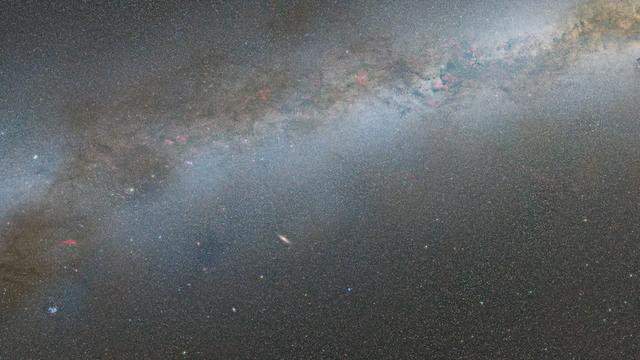
Dark rural sky (Bortle 3–4): 80–100/hr in 2026. Every faint meteor visible, Milky Way prominent.
Rural/suburban fringe (Bortle 5): 50–70/hr. Very good viewing — worth a short drive.
Suburban (Bortle 6): 25–40/hr. Plenty of meteors including most fireballs. A worthwhile backyard session.
Bright suburbs (Bortle 7): 10–25/hr. Only brighter meteors visible, but major fireballs are still dramatic.
City centre (Bortle 8–9): 3–10/hr. Only very bright meteors and fireballs. Still worth looking up on peak night.
The 2026 New Moon eliminates lunar interference entirely — artificial skyglow is the only remaining variable. Even a 20–30 minute drive from a major city can double or triple your count. Use lightpollutionmap.info to find the nearest Bortle 4 zone from your location.
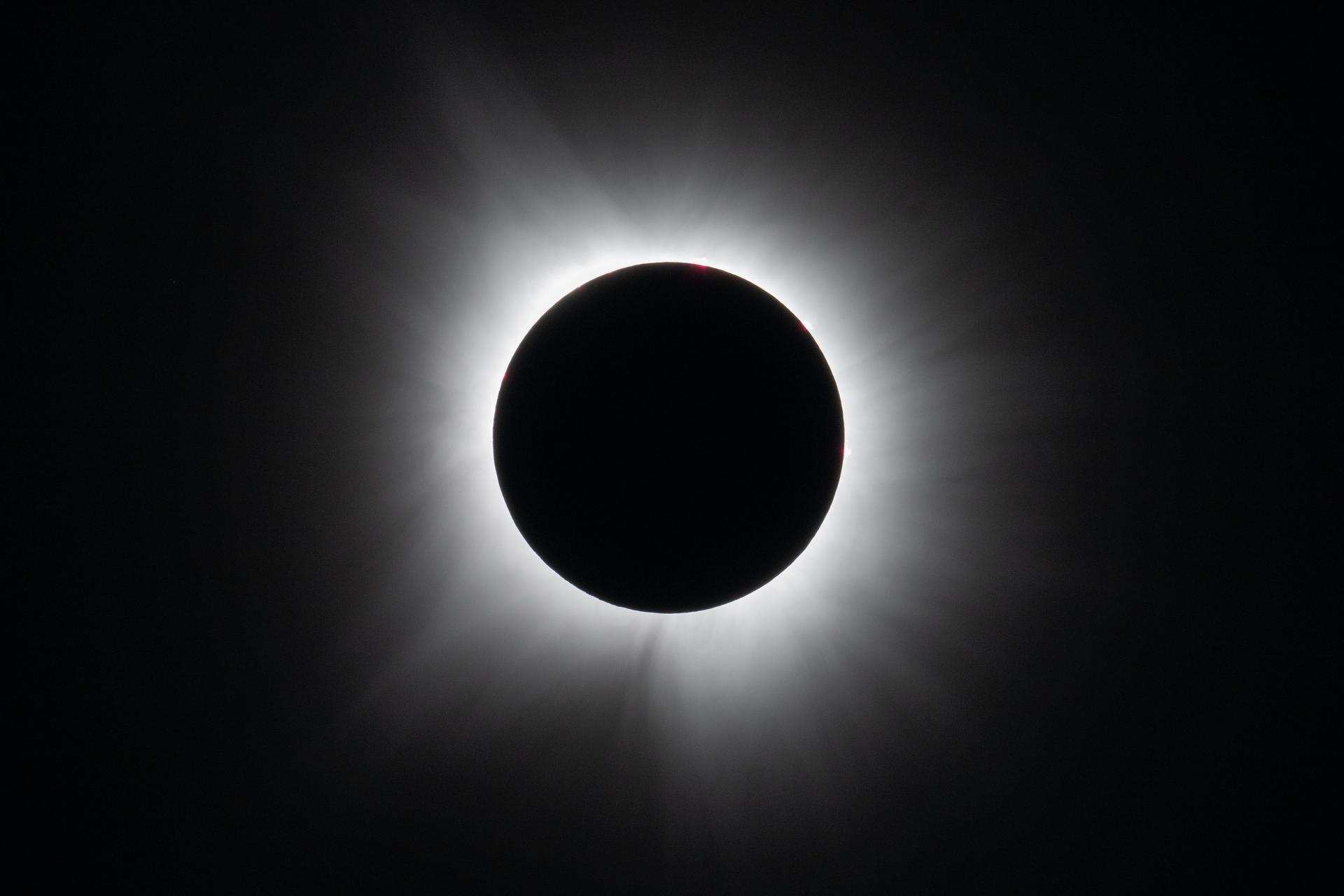
Is August 12, 2026 really both a solar eclipse AND the Perseid peak?
Yes — August 12, 2026 is genuinely both events on the same calendar day. The total solar eclipse occurs in the morning (approximately 07:00–10:30 UTC), crossing Greenland, Iceland, and Spain. That evening and overnight into August 13, the Perseid meteor shower reaches its annual peak. Both events share a cause: the New Moon. A solar eclipse requires New Moon, and in 2026 the New Moon aligns almost exactly with the Perseid peak date. Eclipse chasers in Spain and Iceland will watch totality at sunrise, then observe ~100 Perseids per hour under perfectly dark skies that same night. It is one of the most extraordinary 24-hour astronomy windows in decades. See our complete solar eclipse guide for totality path details and equipment recommendations.