Quick Answer: Is the Blue Moon Worth Watching Through a Telescope?
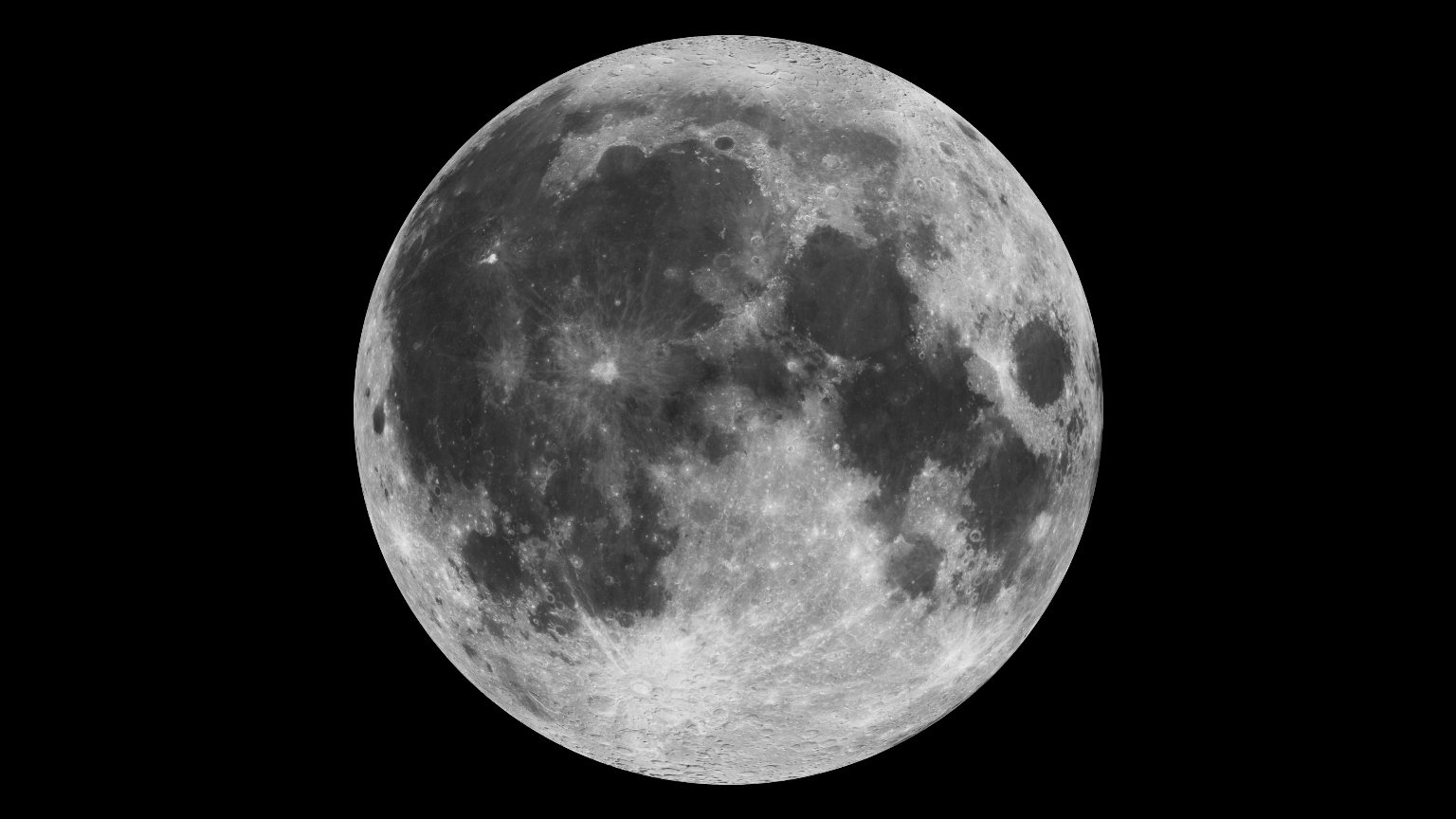
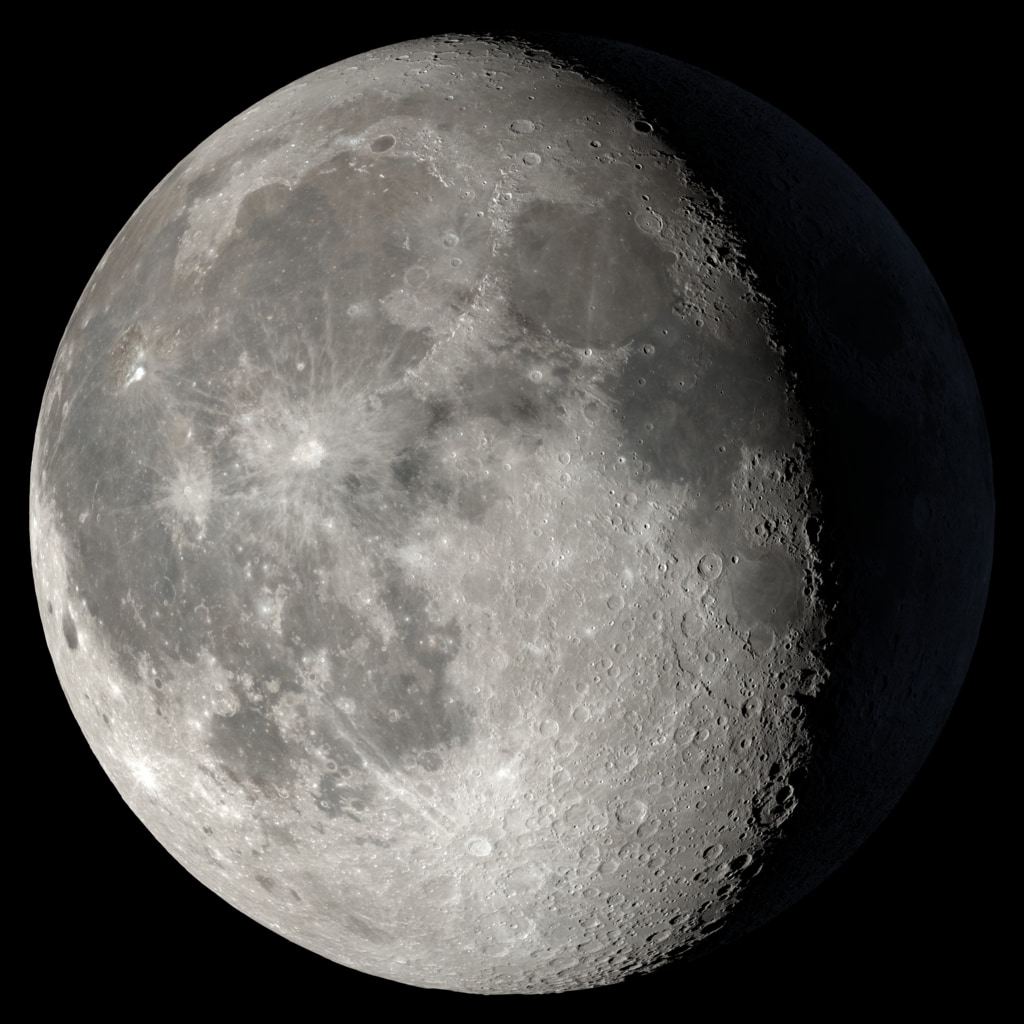
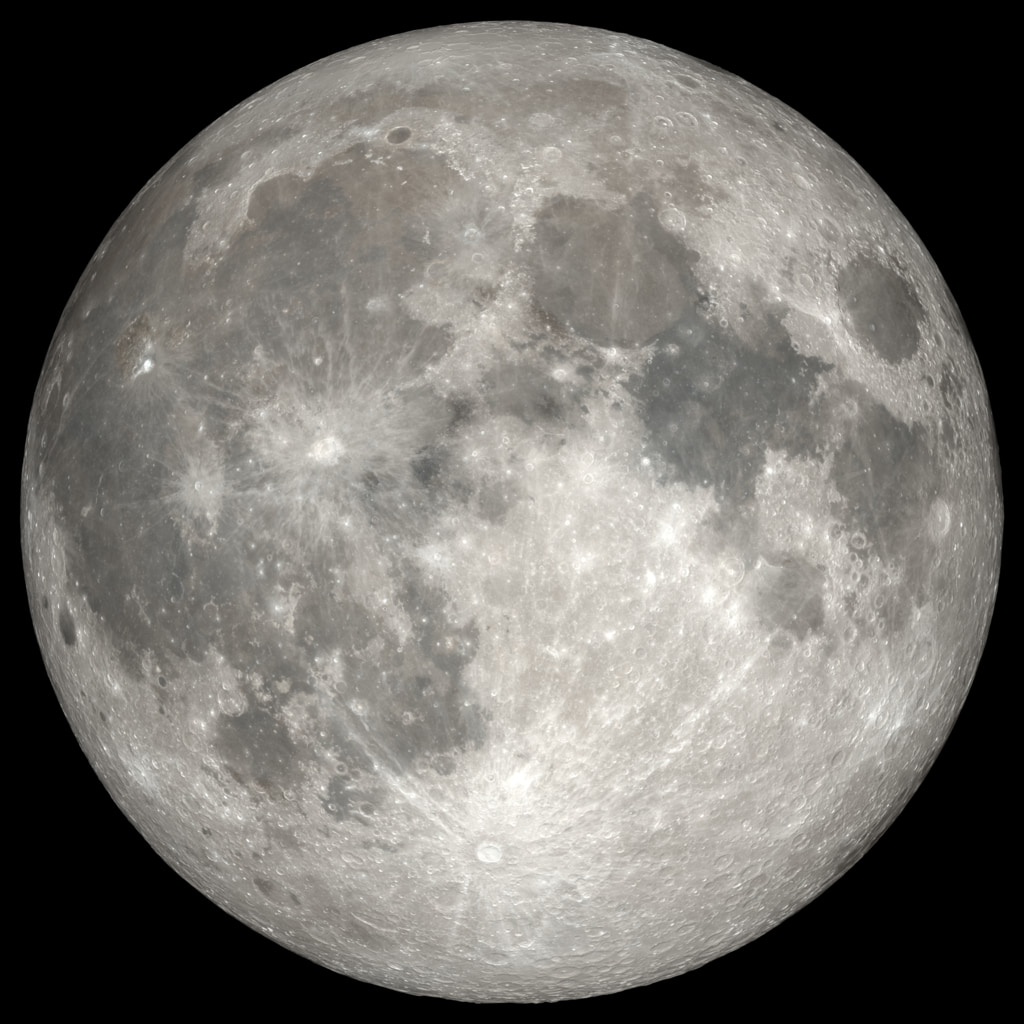
Yes — and it looks better than most people expect, with one critical warning. The full Moon is one of the brightest objects you can point a telescope at, and it will temporarily blind you without a Moon filter. Through a 70mm refractor with a Moon filter, the view is spectacular: crater ray systems radiate outward from Tycho and Copernicus like spiderwebs, the dark maria (lunar seas) create dramatic contrast with the pale highlands, and the Apollo 11 landing site in Mare Tranquillitatis is visible as a distinct dark patch.
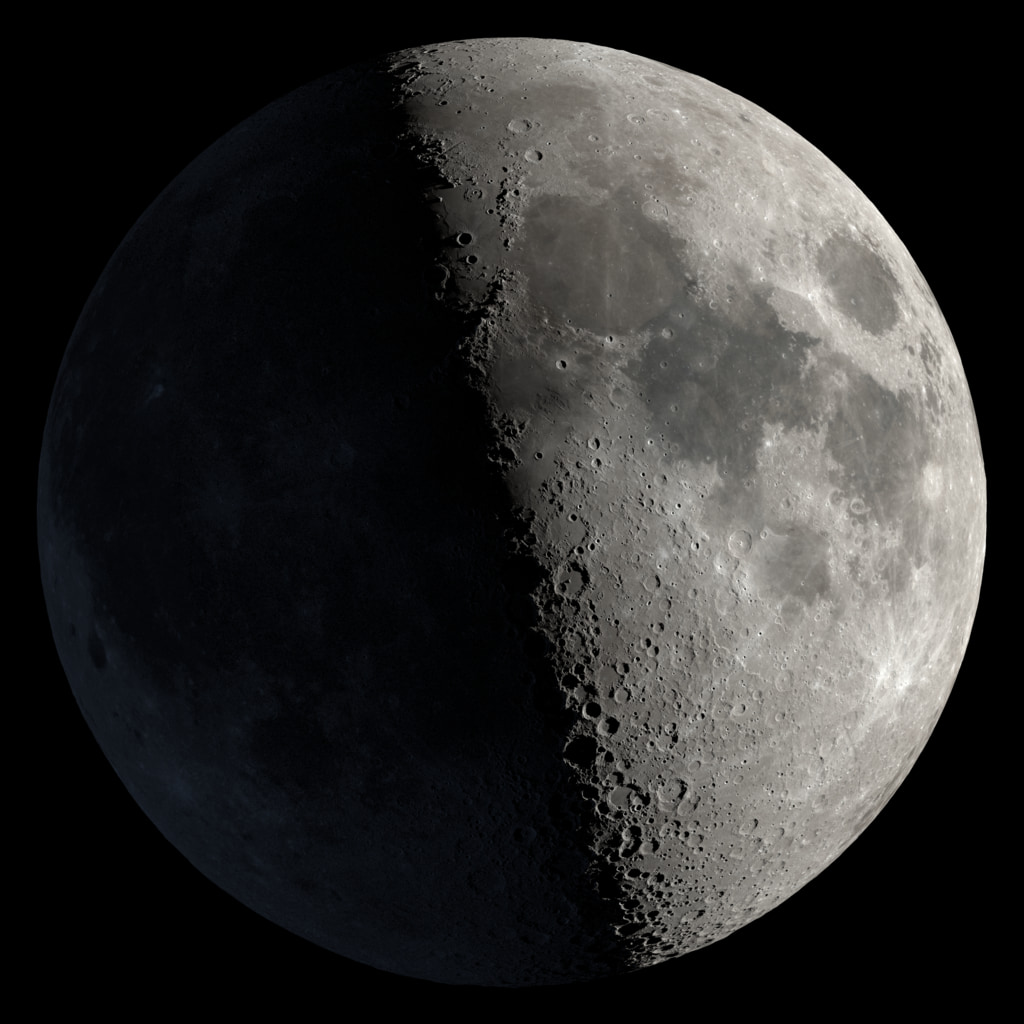
One important fact: crater walls and mountain ranges show the most three-dimensional detail not at full Moon but 2–3 days before or after, when the terminator (the shadow line) throws craters into sharp relief. The full Moon looks almost flat because all shadows are washed out when the Sun is directly overhead. But the ray systems — long bright streaks that extend thousands of kilometres from fresh impact craters — are most vivid at full Moon and nearly invisible at crescent phase. So full Moon is different, not worse.
Naked eye
Full Moon rises near sunset and is visible all night. As a Micromoon, it appears ~7% smaller than average — barely noticeable. The Blue Moon is not visually blue (see FAQ). Simply enjoy it as the brightest natural object in a May night sky.
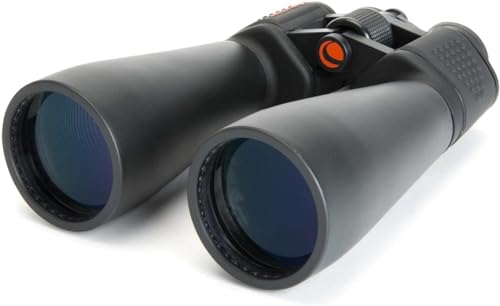
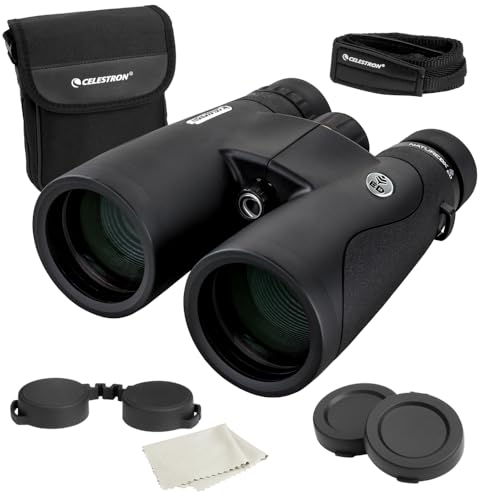
Binoculars (great choice)
10×50 or 15×70 binoculars show the highland/mare contrast beautifully, and large craters like Tycho, Clavius, and Copernicus are unmistakable. The wide field keeps the entire lunar disk in view — no hunting required.
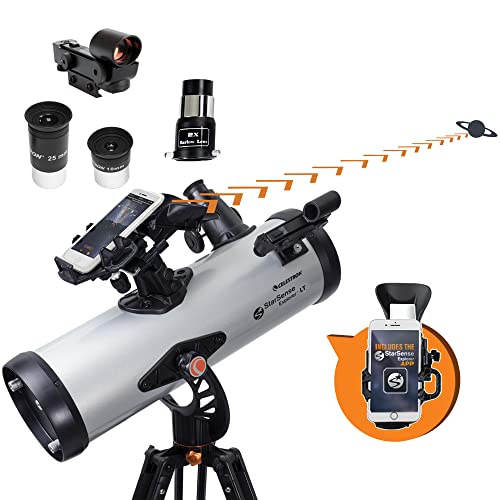
Telescope
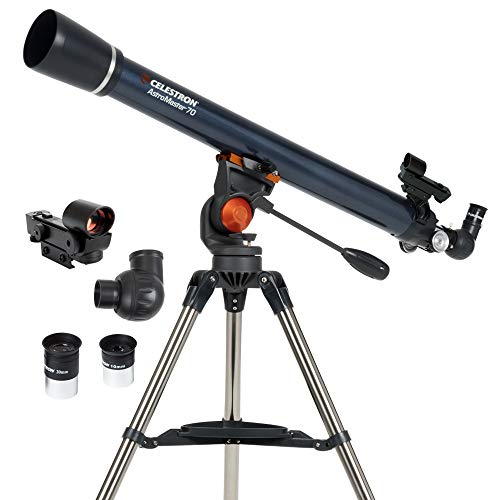
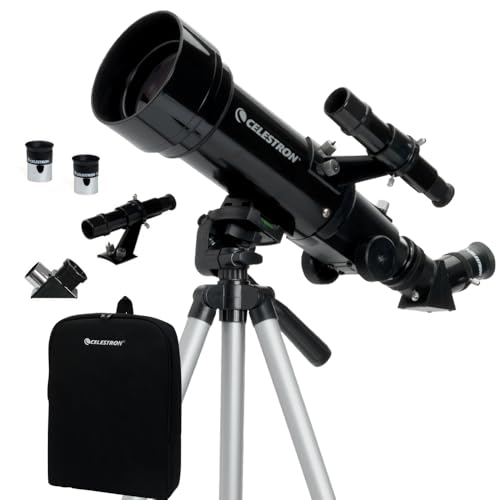
Use a Moon filter — the unfiltered full Moon at 75× is like staring into a floodlight. With a filter: ray systems, maria, and large crater floors are stunning. At 150–200× individual crater terraces and central peaks emerge. Best Moon & planet telescopes →