Lyra Constellation: Vega, Ring Nebula M57, and Summer Triangle Guide
Telescope Advisor Logo Telescope Advisor
Summer night sky background for Lyra constellation and Vega finding

Constellation Guide · Summer Triangle Anchor

Lyra Constellation: Vega, Ring Nebula M57, Epsilon Lyrae, and Summer Precision Observing

Lyra is one of the best constellations for observers who want high-confidence star navigation and rewarding medium-magnification detail work. This guide gives practical workflows for locating Vega, resolving Epsilon Lyrae, and observing the Ring Nebula with realistic expectations.

Jul-Sep

Best Window

Vega

Anchor Star

M57

Ring Nebula

45-90 min

Typical Session

By Telescope Advisor Editorial Team Published: Updated: Editorial Standards

Quick Answer: Why Is Lyra So Popular With Telescope Users?

Lyra is popular because it combines easy orientation through bright Vega with one of the most famous planetary nebula targets (M57) and a classic double-star challenge (Epsilon Lyrae). This makes Lyra ideal for both beginners building sky confidence and intermediate observers refining optical and seeing-sensitive technique.

🔭

Not sure which telescope actually fits your goals?

Answer 5 quick questions about your budget, observing targets, and experience level — our Telescope Finder Tool recommends a specific model in under 2 minutes.

Find My Telescope →

What Is the Lyra Constellation?

Lyra is a compact northern constellation anchored by Vega, one of the brightest stars in the night sky. In practical observing, Lyra is an efficiency constellation: it is small, easy to locate, and packed with targets that teach key skills. Instead of sweeping wide uncertain fields, you can quickly lock orientation and begin meaningful observation.

Its educational value is unusually high. M57 teaches small-target detection and magnification discipline. Epsilon Lyrae teaches seeing sensitivity, focus precision, and split judgment. Vega provides a bright calibration reference for color and transparency perception. Few constellations offer this much technique training in such a compact area.

This is why Lyra attracts recurring search traffic from both beginners and advanced hobbyists. New users ask where Lyra is and what they can see. Returning users ask how to improve M57 detail or split the Double-Double cleanly. A strong Lyra guide needs to serve both intents clearly.

How to Find Vega and Lock Lyra Orientation

  1. Look high in summer evening skies for very bright Vega.
  2. Use Vega as one vertex of the Summer Triangle (with Deneb and Altair).
  3. Identify Lyra's compact parallelogram near Vega.
  4. From this pattern, hop to M57 and Epsilon Lyrae with short, controlled moves.

Beginners often overcomplicate Lyra because they expect a large constellation footprint. In reality, once Vega is found, Lyra is quick to map. This makes it a high-success target on nights with limited observing time.

For suburban conditions, Vega remains easy to lock and provides a stable anchor even when fainter stars are partially washed out. That reliability is one reason Lyra is excellent for skill practice from non-pristine sites.

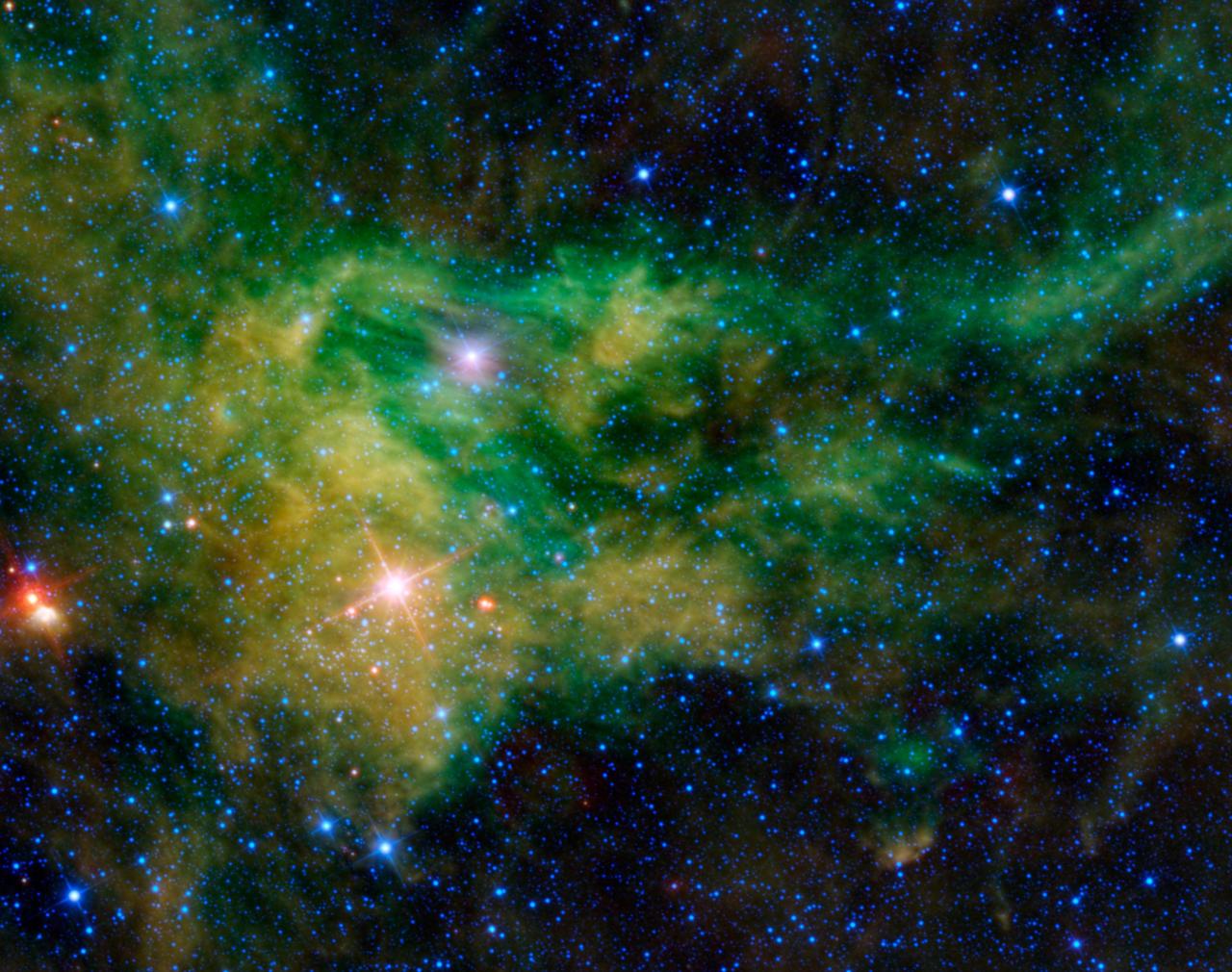
Summer Sky Visual Reference (NASA)

NASA starfield style image for Lyra and Summer Triangle observing context
Reference context for Summer Triangle planning while running Vega, M57, and Epsilon Lyrae target workflows.

Ring Nebula (M57): What You Actually See Through Amateur Telescopes

M57 is one of the most observed planetary nebulae because it is compact, accessible, and visually distinctive once detected. In smaller scopes, it usually appears as a tiny gray smoke-ring or oval donut. With larger aperture and good seeing, shape confidence improves and subtle brightness structure may become easier to perceive. Color is usually minimal visually, which is normal.

The most common mistake is staying too low in magnification after initial detection. Low power helps acquire M57 quickly, but moderate power often improves shape recognition. The right workflow is two-pass: acquire at low-medium, then refine at medium where seeing permits.

Another frequent issue is expectation mismatch with astrophotos. Eyepiece views are subtle, but they are still compelling because you are seeing the remnant shell of a dying star directly. Framing that context improves observer satisfaction and keeps goals realistic.

For outreach or shared sessions, M57 works well because it is small but recognizable. Once one user describes the ring-like appearance, others tend to see it more confidently.

Epsilon Lyrae (Double-Double): A Precision Test for Seeing and Optics

Epsilon Lyrae is famous because each component is itself a close double, making it a classic test for telescope optics, collimation quality, and atmospheric steadiness. Splitting it is not only about aperture. Focus quality, thermal stability, and seeing often dominate results. This makes Epsilon Lyrae an excellent diagnostic target for improving overall observing technique.

A practical method is to start with lower magnification to identify the wider pair, then increase gradually until the close separations become clear. If stars bloat or jitter heavily, pause and reassess seeing instead of forcing more power. Over-magnification in poor seeing often reduces clarity rather than improving it.

Many observers use Epsilon Lyrae as a recurring benchmark. If your split quality improves over weeks, your setup discipline and sky interpretation are improving too. This single target can reveal more about your observing system than many casual object tours.

Lyra's Role in the Summer Triangle

Lyra, with Vega, forms one corner of the Summer Triangle with Deneb (Cygnus) and Altair (Aquila). This geometric framework is one of the most useful seasonal navigation tools because it helps observers quickly orient in summer skies and move between high-value regions efficiently.

Using the Summer Triangle as your top-level map and Lyra as your precision zone creates a strong workflow: broad orientation first, then focused detail work. This combination helps both beginners and advanced users reduce wasted searching time.

For educational nights, the Summer Triangle also provides a clean narrative arc. You can begin with bright-star orientation and end with small-target precision in Lyra, giving participants a clear sense of progression in one session.

Best Gear for Lyra, M57, and Double-Star Sessions

Editor's Pick - Best Value for M57 and Double-Double Detail
Celestron NexStar 8SE for Lyra observing

Celestron NexStar 8SE

Strong all-around performer for M57 structure and Epsilon Lyrae splitting with convenient repeatable acquisition.

Sky-Watcher Heritage 130P for Lyra beginners

Sky-Watcher Heritage 130P

Affordable and capable option for first M57 views and early double-star practice sessions.

Sky-Watcher Classic 200P for Lyra precision work

Sky-Watcher Classic 200P

Aperture-driven visual boost for cleaner M57 structure and improved close double-star confidence.

Lyra Session Plans: Short Precision Night and Full Practice Cycle

45-minute precision session

  1. 10 min: Find Vega and confirm Lyra geometry.
  2. 15 min: Acquire M57, then refine at medium magnification.
  3. 15 min: Attempt Epsilon Lyrae split with gradual power increase.
  4. 5 min: Log seeing and split quality notes.

120-minute full practice cycle

  1. 15 min: Orientation and seeing baseline.
  2. 35 min: M57 multi-eyepiece comparison passes.
  3. 35 min: Epsilon Lyrae split attempts under varying magnification.
  4. 20 min: Summer Triangle contextual sweeps.
  5. 15 min: Repeat strongest target for consistency check.

Lyra rewards consistency and precision. Repeat short, disciplined sessions and your split confidence and nebula-detail recognition will improve quickly.

Extended Guidance: Why Lyra Is One of the Best Technical Training Constellations

Lyra is excellent for technical skill growth because it compresses multiple observing disciplines into one compact region. You can practice bright-star orientation, small-nebula acquisition, and close-double-star splitting without major sky travel. This reduces friction and allows more repeated iterations per night.

In many constellations, a poor result may be ambiguous: was it the sky, the target, or your method? Lyra often gives clearer feedback. If Vega is stable but Epsilon Lyrae will not split, seeing or focus technique is likely the issue. If M57 is easy but lacks structure, magnification choice and transparency may need adjustment. This diagnostic clarity accelerates learning.

From a content strategy viewpoint, Lyra pages can overlap with generic summer-stargazing guides unless they provide concrete execution detail. This page is intentionally workflow-focused, emphasizing practical acquisition steps, power-selection logic, and split-quality benchmarking to keep user intent distinct and high-value.

Another important principle is expectation discipline. Lyra targets are rewarding but subtle. Clean shape recognition in M57 and consistent Epsilon Lyrae splits are meaningful wins. Framing those wins correctly helps users stay motivated and return for repeated sessions, which is where major improvement happens.

If your long-term goal is better planetary, double-star, and faint-target performance, treating Lyra as a weekly calibration field is one of the most effective habits you can adopt.

FAQ: Lyra Constellation

When is Lyra best visible?

Lyra is typically best from July through September in evening skies.

Can beginners see the Ring Nebula?

Yes. M57 is a common beginner planetary-nebula success target with modest telescopes.

Is Epsilon Lyrae difficult to split?

It can be, depending on seeing and optics. Gradual magnification and stable focus improve success.

Why is Vega important for Lyra?

Vega is bright and easy to identify, making it a reliable anchor for finding Lyra targets quickly.

Should I use high magnification immediately on M57?

No. Acquire at low-medium first, then increase gradually for better shape detail if seeing allows.

Related Guides