Do You Need a Tripod for Binoculars?
The short answer depends entirely on magnification. The rule of thumb in astronomy is if the magnification is higher than 10×, a tripod will dramatically improve your experience. At 15× and above, what appears to be a sharp view hand-held becomes a blur the moment your pulse quickens.
7× and 10× — No tripod needed
Both are comfortably hand-held for most observers. Rest elbows against your torso or a fence post for longer sessions. Great for scanning the Milky Way, meteor showers, and wide-field star clusters.
15× — Tripod strongly recommended
Hand shake is amplified 15× — even your heartbeat becomes visible as image bounce. Brief sessions on bright targets (Moon, Jupiter) are possible handheld, but a tripod transforms extended viewing of star clusters and galaxies.
20× and above — Tripod mandatory
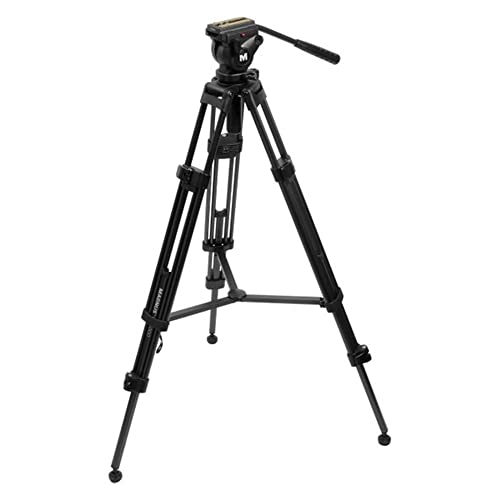
Physically impossible to use for astronomy without a tripod. The field jumps with every heartbeat and a breath. A basic photographic tripod ($40–$80) with an adapter turns unusable optics into a rewarding deep-sky instrument.
The key fact:
Any standard camera tripod — the kind that comes with a DSLR kit — works perfectly for binoculars. All you need is a binocular tripod adapter (the small bracket that bridges binoculars and tripod head), which costs $10–$20. You almost certainly already own a suitable tripod.