Telescope Advisor Logo Telescope Advisor
The Milky Way over a dark landscape — the Celestron SkyMaster 15x70 is one of the most popular astronomy binoculars ever made

Binoculars Review · Celestron SkyMaster

Celestron SkyMaster 15x70 Review: Astronomy Binocular Tested

The Celestron SkyMaster 15x70 is one of the most popular astronomy binoculars ever made. It occupies a unique niche: powerful enough to reveal hundreds of deep-sky objects, yet affordable enough for beginners. We tested it extensively on star clusters, nebulae, and galaxies to determine whether it still deserves its reputation as the default choice for budget astronomy binoculars.

Magnification15x
Objective70mm (BaK-4)
Field of view4.4 degrees
Tripod neededYes (adapter included)
By Elena Reyes Published: Updated: Reviewed & approved by Juhi Sahni, Senior Editor Editorial Standards

Quick Verdict: Best-Value Astronomy Binoculars — With One Caveat

The SkyMaster 15x70 offers more light-gathering and magnification per dollar than any other binocular in its class. On a tripod, it reveals hundreds of deep-sky objects that are invisible in smaller binoculars. The 70mm objectives collect 96% more light than 50mm binoculars, and the 15x magnification shows detail that 10x cannot resolve. However, the included tripod adapter is only the first step — you will need a sturdy tripod to unlock the SkyMaster's full potential. Hand-held use is frustrating at 15x, and the image stabilizes only on a solid mount.


Celestron SkyMaster 15x70 binoculars — large-aperture astronomy binoculars for deep-sky observation

Celestron SkyMaster 15x70

15x magnification, 70mm objectives, BaK-4 prisms, multi-coated optics, tripod adapter included, 49 ounces.

Optical Performance: Deep-Sky Testing

We tested the SkyMaster 15x70 under Bortle 4 skies (suburban transition) on a sturdy photographic tripod. The 4.7mm exit pupil provides bright images on all targets. The Andromeda Galaxy (M31) fills a significant portion of the field, showing the bright core surrounded by a fainter extended halo — a view that 10x50 binoculars cannot match. The Orion Nebula (M42) shows distinct nebulosity around the Trapezium region, with the Running Man Nebula (NGC 1977) visible as a separate patch on good nights.

Open clusters are where the SkyMaster truly excels. The Double Cluster (NGC 869 and NGC 884) fits perfectly in the 4.4-degree field with both clusters visible simultaneously, each resolving into dozens of individual stars. The Pleiades (M45) is breathtaking — the 15x magnification shows the cluster's fainter members that are invisible in 10x binoculars. The Beehive Cluster (M44) and the Wild Duck Cluster (M11) are both showpiece objects at 15x.

Globular clusters are resolved into granular patches. M13 in Hercules appears as a bright, textured ball of light with distinct graininess at the edges. M22 in Sagittarius is similarly well-resolved, and M15 in Pegasus shows its concentrated core. None of these resolve into individual stars the way a telescope would, but the granular texture is distinctly more detailed than in 10x50 binoculars.

Build Quality and Handling

The SkyMaster 15x70 has a rubber-armored metal chassis that feels solid in hand. At 49 ounces, it is heavy — hand-holding is possible for brief moments but impractical for serious observation. The centre focus wheel is smooth with moderate tension. The right eyepiece has a diopter adjustment ring for balancing vision differences between eyes. The twist-up eyecups have two positions (up for non-eyeglass users, down for eyeglass wearers) and stay in place securely. The included tripod adapter screws into the centre post and works with any standard tripod.

The objective lens caps are attached to the binocular body via tethers — a small but appreciated detail. The carrying case is basic (nylon with a shoulder strap) but functional. The neck strap is too narrow for comfortable long-term use given the 49-ounce weight; upgrading to a wider strap or a binocular harness is recommended for anyone who carries these any distance.

SkyMaster 15x70 vs 20x80 vs 10x50

10x50 — Portable all-round

Hand-holdable, wide field, good for casual scanning. Less reach but vastly more portable. Best if you don't want to carry a tripod.

15x70 — Best balance

The sweet spot. 96% more light than 50mm, 15x shows real detail, and the tripod requirement is manageable. Best value astronomy binoculars.

20x80 — Maximum reach

130% more light than 50mm, highest magnification. Requires a heavy-duty tripod and is significantly heavier. Best for dedicated deep-sky observers.

For most observers, the 15x70 is the best choice. The 20x80 requires a significantly more robust (and expensive) tripod and is heavy enough that it discourages regular use. The 10x50 is a better choice if you prioritize portability and hand-held use. For a full comparison, see our Celestron Binoculars Guide.

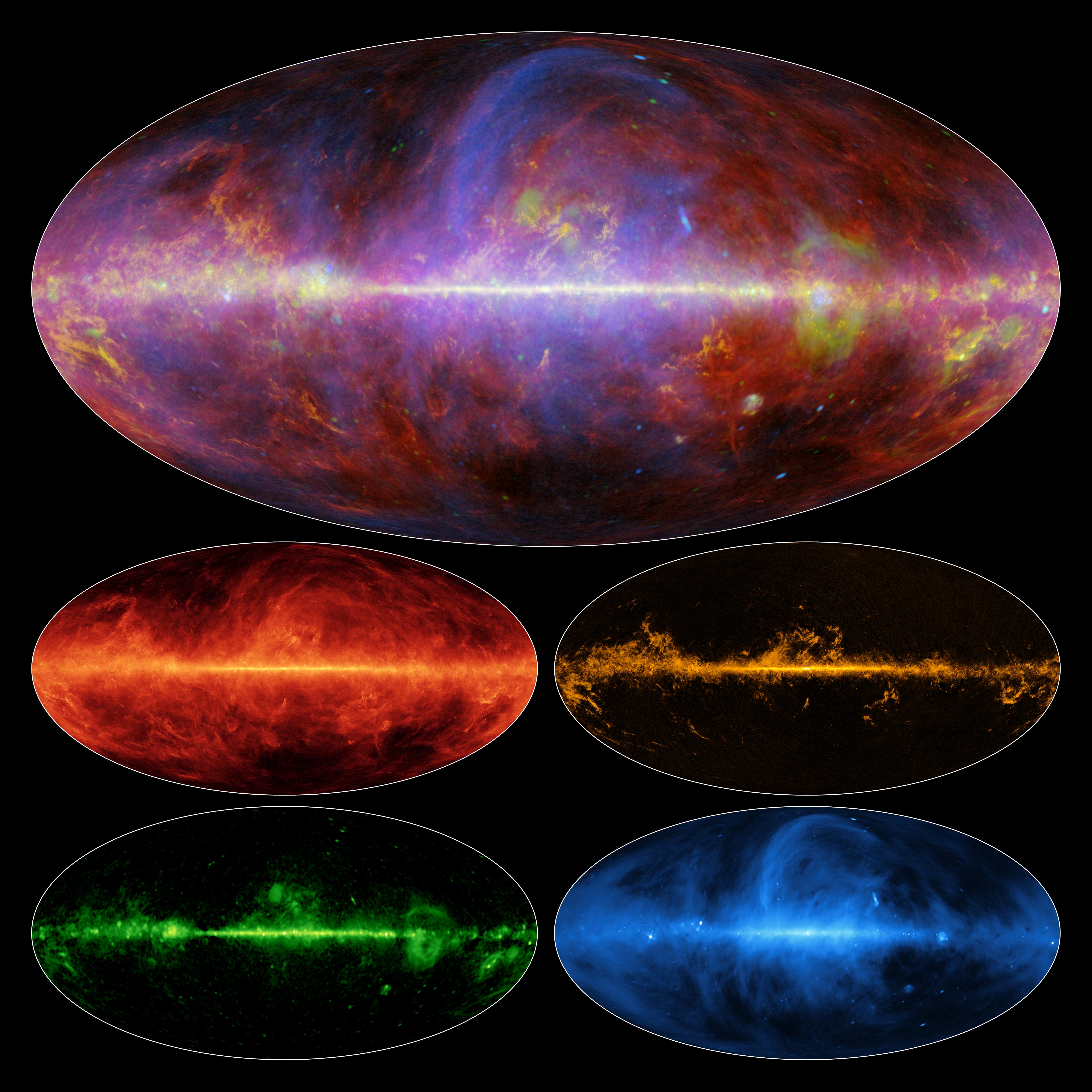
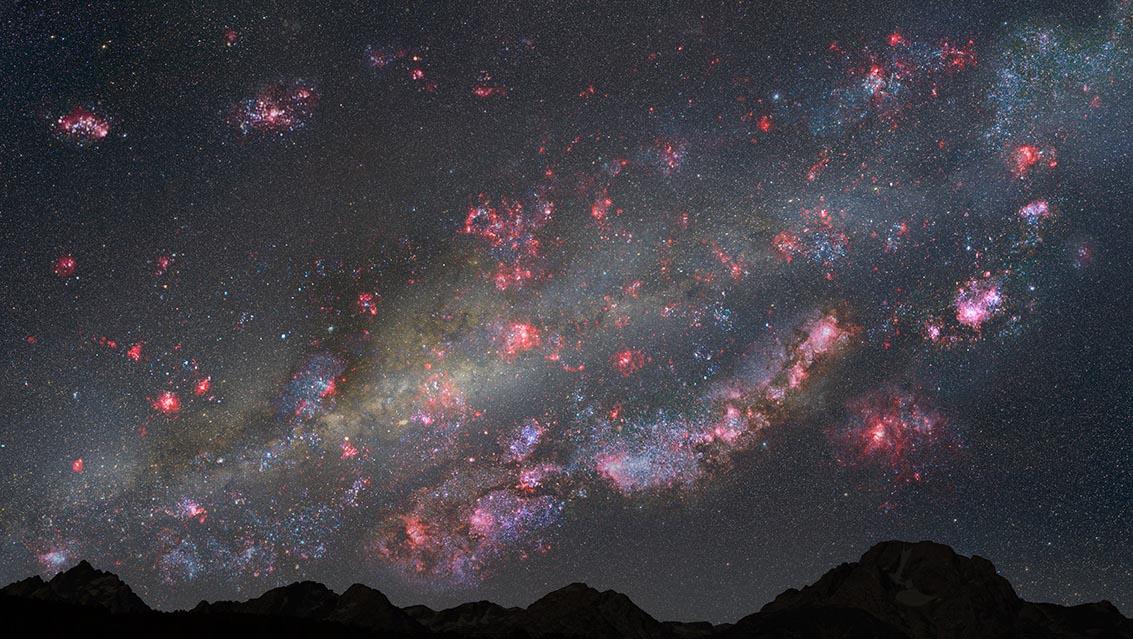
The Milky Way spanning the night sky — the SkyMaster 15x70 reveals hundreds of stars in sweeping Milky Way fields that smaller binoculars cannot match

Sweeping the Milky Way with 15x70 Binoculars

With a 4.4-degree field of view and 70mm of aperture, the SkyMaster 15x70 reveals hundreds of stars in a single Milky Way field — star clusters resolve into individual points, and the dark lanes of the Milky Way become clearly visible against the starry background. Credit: NASA / ESA.

Top 10 Deep-Sky Objects for the SkyMaster 15x70

The SkyMaster 15x70 is capable of showing literally hundreds of deep-sky objects from a dark sky location. Here are ten of the most rewarding targets that demonstrate the instrument's capabilities. The Pleiades (M45) fills the field with dozens of blue-white stars and shows fainter members invisible in 10x binoculars. The Orion Nebula (M42) appears as a bright, structured hazy patch with a distinct brighter core region. The Andromeda Galaxy (M31) shows a bright, concentrated core with a fainter oval halo extending across the field — the best galaxy view possible in any binocular under $200.

The Double Cluster (NGC 869 and NGC 884) fits perfectly in the 4.4-degree field with both clusters visible simultaneously, each resolving into dozens of individual stars. The Beehive Cluster (M44) is a spectacular open cluster with contrasting star colours visible. The Hercules Globular Cluster (M13) shows a bright, textured ball with granular edges hinting at the individual stars within. The Wild Duck Cluster (M11) is a dense, fan-shaped open cluster with dozens of stars visible at 15x. The Ring Nebula (M57) is visible as a tiny donut-shaped disc — small but unmistakable. The Lagoon Nebula (M8) shows its characteristic hourglass shape with a bright core and dark lane. The Eagle Nebula (M16) is visible as a hazy patch with the dark Pillars of Creation region hinted at on exceptional nights.

Tripod Recommendations for the SkyMaster

A good tripod is essential for the SkyMaster 15x70. The binoculars weigh 49 ounces, and at 15x magnification, even minor vibrations are amplified into distracting image shake. The minimum recommended tripod capacity is 10 pounds, though a 15-pound-rated tripod provides a more stable platform. A fluid video head is strongly recommended over a standard ball head — fluid heads provide smooth,阻尼ed panning and tilting that makes tracking objects across the sky significantly easier. The Celestron Heavy Duty Tripod 93524 is a popular and affordable match, offering a 15-pound capacity and a fluid head designed for binocular use.

For observers who already own a camera tripod, a binocular tripod adapter is all that is needed — the SkyMaster includes one in the box. Simply attach the adapter to the centre post of the tripod, mount the binoculars, and you are ready to observe. For maximum stability, extend only the thickest leg sections first, keep the centre column as low as possible, and hang a weight (such as your camera bag) from the centre column hook. For those who want a more portable setup, a heavy-duty monopod with a fluid head is a viable compromise — it eliminates vertical shake while permitting horizontal panning, and it is significantly lighter and faster to set up than a full tripod. For the 20x80 model, a tripod with at least 20 pounds capacity is essential — the Vortex Summit SS-2 or Manfrotto 028B are appropriate choices.

SkyMaster 15x70 vs Other Astronomy Binoculars

The SkyMaster 15x70 competes with several other popular astronomy binoculars. The Orion Scenix 7x50 is a smaller, hand-holdable alternative that sacrifices reach for portability. The Nikon Aculon 10x50 offers better build quality at a higher price point with the same 50mm objectives found on many all-round binoculars but less light gathering than the SkyMaster. The Celestron Nature DX ED 10x50 provides ED glass and waterproof construction but significantly less light-gathering capability than the SkyMaster's 70mm objectives. The choice between these largely depends on whether you prioritize maximum light gathering (SkyMaster) or portability and hand-held use (all others).

Within the SkyMaster series itself, the 15x70 is the best-selling model for good reason. The 20x80 offers more reach and light gathering but weighs nearly 3 pounds more and requires a significantly more expensive tripod. The 25x70 offers the highest magnification in the 70mm class but has a very narrow 2.9-degree field of view that makes finding objects challenging. For most observers, the 15x70 strikes the best balance of capability, portability, and cost. For a detailed comparison across all Celestron binocular series, see our Celestron Binoculars Guide.

Maintaining Your SkyMaster Binoculars for Long-Term Performance

The SkyMaster 15x70 is a rugged instrument built to withstand years of regular use, but proper maintenance ensures it performs at its best over the long term. The large 70mm objectives attract dust, pollen, and the occasional fingerprint. Always use a blower brush or compressed air to remove loose debris before any lens cleaning — rubbing dry dust across the lens surface creates micro-scratches that accumulate over time and degrade contrast. Use a microfiber cloth designed for optics with a drop of lens cleaning solution applied to the cloth (never directly to the lens). The rubber armour can be cleaned with a damp cloth after use in dusty environments. The focus mechanism should be exercised periodically even during periods of non-use — the internal grease can stiffen over years of inactivity, and periodic movement keeps the mechanism smooth and responsive.

Storage conditions significantly impact the SkyMaster's longevity. Always store the binoculars in their case in a cool, dry environment away from direct sunlight. Avoid leaving them in a car boot during summer — interior temperatures can exceed 60 degrees Celsius, potentially affecting the optical alignment and accelerating grease degradation in the focus mechanism. The SkyMaster series is not waterproof, so protect the binoculars from rain and high humidity. If the binoculars are exposed to moisture, dry them thoroughly at room temperature before storing. The tripod adapter screw uses a standard 1/4-20 thread that can be replaced at any camera store if it becomes worn. With basic care, a SkyMaster 15x70 will provide decades of spectacular Milky Way views and deep-sky discoveries, making it a lifetime investment in astronomical observation.

Frequently Asked Questions

Do I need a tripod for the SkyMaster 15x70?

Strongly recommended. At 15x magnification, hand-held viewing is too shaky for serious observation. A lightweight photographic tripod with a fluid head works well, and the included tripod adapter makes mounting straightforward. Even a monopod is a significant improvement over hand-holding.

Can I see galaxies with the SkyMaster 15x70?

Yes, dozens of them from dark skies. The Andromeda Galaxy shows a bright core and extended halo. M81 and M82 (Bode's and Cigar galaxies) are visible as a pair of distinct patches. The Triangulum Galaxy (M33) shows as a large, faint glow. The Sombrero Galaxy (M104) is a small, bright smudge under good conditions.

How does the SkyMaster 15x70 compare to a telescope?

A 15x70 binocular provides a bright, wide-field view that a telescope cannot match — you see objects in their context rather than as isolated targets. However, a telescope with even a 70mm aperture at 50x+ magnification will show more detail on any single object. The binocular and telescope complement each other rather than competing.