Telescope Advisor Logo Telescope Advisor
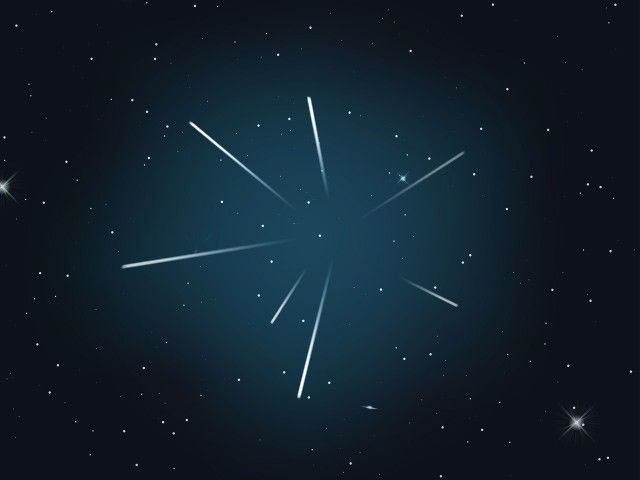
Meteor streaks crossing a dark night sky during a meteor shower

Meteor Shower Guide · October 2026

Orionid Meteor Shower 2026:
Peak Oct 21-22, Best Hours, Moon Impact and Viewing Plan

The Orionids are one of the fastest meteor showers of the year, created by debris from Halley's Comet. In 2026 the peak arrives with a bright Moon, so timing and strategy matter more than usual. This guide gives you the exact practical plan.

Oct 21-22

Peak night

10-20/hr

Typical rate

66 km/s

Meteor speed

80%

Moon illumination

By Telescope Advisor Editorial Team Published: Updated: Editorial Standards

Quick Answer: Is Orionids 2026 Worth Watching?

Yes, but optimize for pre-dawn windows. The Orionids can produce 10-20 meteors per hour in normal years, with occasional stronger outbursts. In 2026, moonlight is the main challenge, so your best results come in the darkest possible hours before dawn when the radiant is highest.

You do not need a telescope to watch meteors. Use naked-eye observing with a wide sky view. Use binoculars or a telescope between meteor bursts for bright deep-sky objects and lunar targets.
Orionid Meteor Shower 2026: Key Facts

Metric Value
Active periodOctober 2 to November 7, 2026
Peak nightOctober 21 to 22, 2026
Typical observed rate10 to 20 meteors per hour
ZHR (ideal theoretical)~20
Meteor speed~66 km/s (very fast)
Parent bodyComet 1P/Halley
Moon condition at peakAbout 80% illuminated

Peak Timing: When to Watch Orionids in 2026

The official peak is the night of October 21-22, 2026, but your useful observing window spans several nights around the peak. If weather blocks one night, use Oct 20/21 or Oct 22/23 as backup.

For most US observers, the best period is about 2:00 AM to dawn. The Orionid radiant climbs higher as morning approaches, which increases meteor counts.

Moonlight Impact in 2026 and How to Compensate

The Moon is bright on the 2026 peak night (about 80% illuminated), so faint meteors will be washed out. This does not cancel the shower, but it reduces visible counts unless you use better observing technique.

  • Observe after moonset if your location allows, or at least keep the Moon behind you.
  • Use the darkest local site available, away from direct street lighting.
  • Give your eyes at least 20 minutes of dark adaptation.
  • Focus on the darkest sky sector 40 to 60 degrees away from the radiant.

Where to Look: Radiant and Viewing Geometry

The radiant is in Orion, near the club above Betelgeuse. Do not stare directly at the radiant; meteors near it have short trails. Instead, look 40 to 60 degrees away for longer, more dramatic streaks.

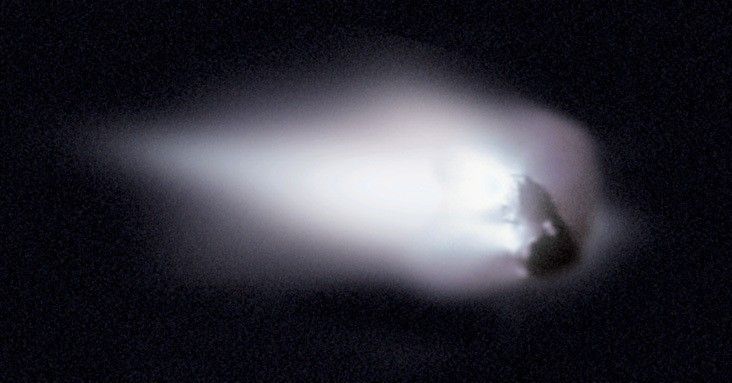
Halley's Comet reference image connected to Orionid meteors
Orionids are dust particles from Halley's Comet entering Earth's atmosphere at very high speed.

Best US Time-Zone Windows (Oct 21-22)

Time zone Recommended window Notes
Pacific2:00 AM - 5:45 AMBest counts near dawn
Mountain2:00 AM - 6:00 AMDark-sky advantage in mountain states
Central2:00 AM - 6:15 AMUse rural horizons where possible
Eastern2:00 AM - 6:30 AMLongest pre-dawn window

Best Gear Plan for Orionids Night

Use naked eyes for meteor counting. Use binoculars and telescopes between bursts for high-value backup targets like Jupiter, the Moon, and bright clusters.

Editor's Pick - Best All-Round Event Scope
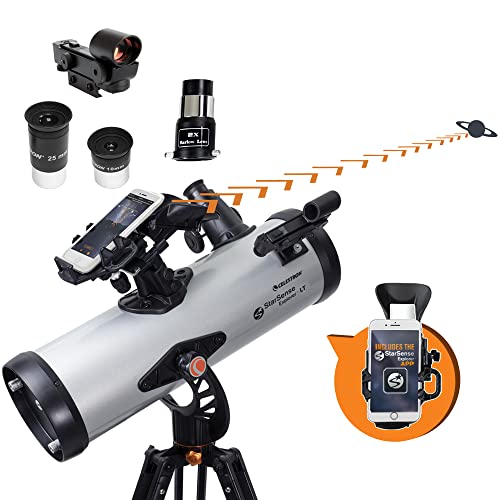
Celestron StarSense Explorer LT 114AZ

Celestron StarSense Explorer LT 114AZ

Best beginner-friendly telescope if you also want planets and Moon after meteor sessions. StarSense app guidance reduces setup friction for first-time observers.

Celestron SkyMaster 15x70 binoculars

Celestron SkyMaster 15x70 Binoculars

A strong complement for meteor nights and wide-field sky scanning between meteor bursts.

Celestron Travel Scope 70

Celestron Travel Scope 70

Simple portable option for casual observers who want a low-cost telescope for lunar and planetary follow-up after meteor watching.

The Halley's Comet Connection

Orionids are one of two major annual showers tied to Halley's Comet. The other is Eta Aquariids in May. Orionids happen when Earth crosses a different part of Halley's debris trail later in the year.

This is why Orionids are fast and often leave persistent trains. At around 66 km/s, they are among the faster major shower meteors, giving sharp, energetic-looking streaks in dark skies.

Orionid Meteor Shower 2026 FAQ

When is the Orionid meteor shower peak in 2026?
Peak night is October 21-22, 2026, with useful activity on adjacent nights as well.
How many Orionids can I expect per hour?
Typical visual rates are about 10 to 20 per hour in normal years under good skies.
Do I need a telescope to watch Orionids?
No. Meteors are best viewed with the naked eye because you need a wide sky field.
Why are Orionids linked to Halley's Comet?
Orionids are dust particles shed by Halley's Comet over many returns, intersected by Earth each October.
Is moonlight a problem for Orionids 2026?
Yes, the Moon is bright near peak, so prioritize pre-dawn dark windows and darker observing locations.