Extended Guidance: Turning Perseus into a Long-Term Skill Anchor
Perseus works unusually well as a long-term benchmark constellation because it supports multiple observing layers without demanding perfect dark skies for every target. You can start with naked-eye orientation, validate with binocular structure, then refine with telescope framing and star-color assessment. This sequence is ideal for building confidence quickly while still offering deeper progression paths.
A practical strategy is to designate Perseus as your autumn-winter calibration field. Use it to compare collimation quality, seeing stability, and eyepiece behavior across nights. Because the Double Cluster is rich and familiar, small differences in optical performance become easier to notice. Over time this produces better purchasing decisions and more disciplined observing habits.
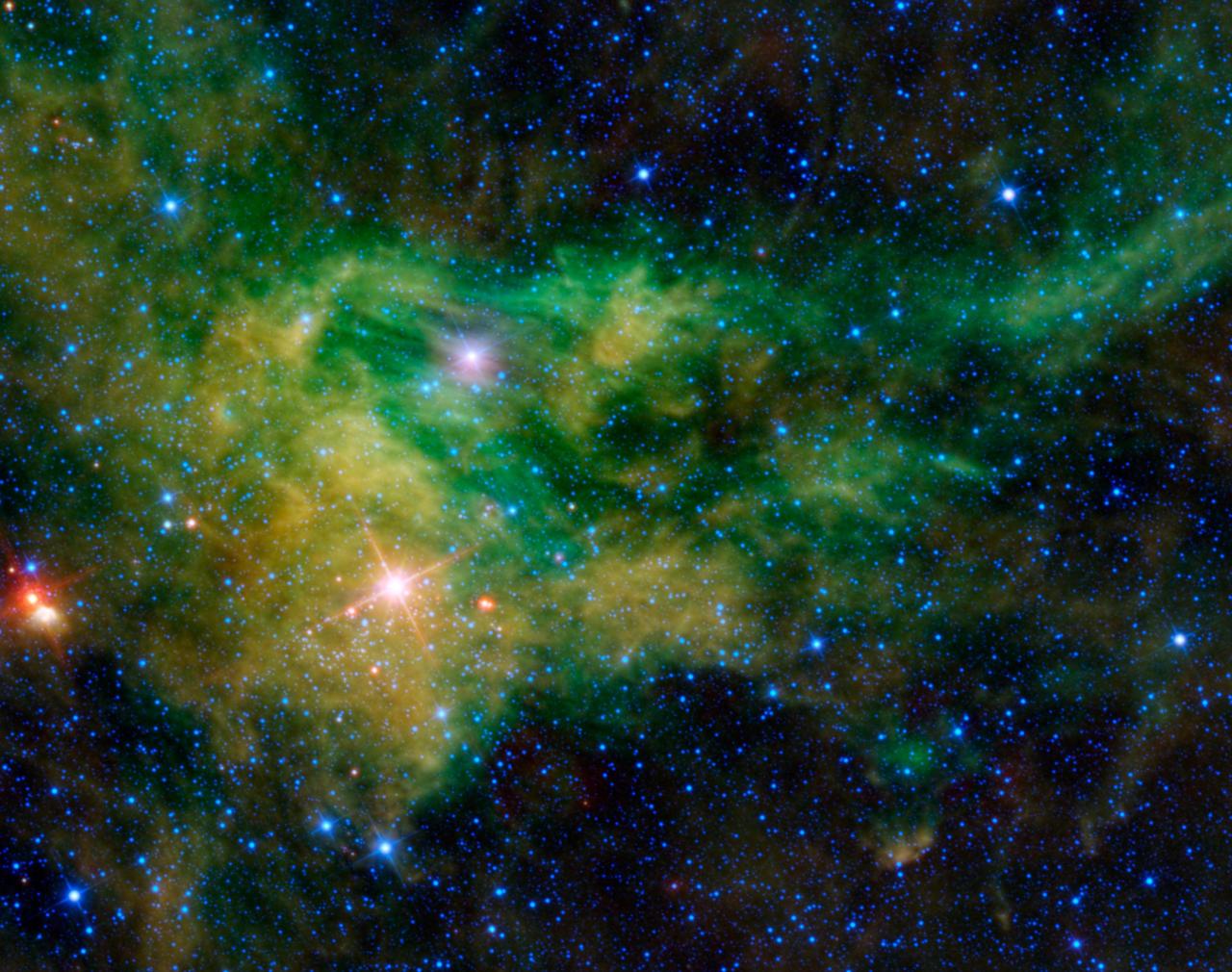
Perseus also helps observers avoid a common trap: chasing only difficult targets and losing momentum. By pairing one high-success object with one challenge object each session, you preserve motivation while still advancing. In Perseus, the Double Cluster can be your high-confidence target while Algol logging or California Nebula attempts provide growth-oriented challenge.
For content intent, this mixed strategy aligns with how real users search. Some visitors want immediate viewing wins; others want advanced progression. A strong Perseus guide serves both by clearly separating reliable visual outcomes from aspirational targets.
If your observing time is limited, prioritize consistency over equipment complexity. A simpler setup used often will outperform a premium setup used rarely. Perseus is one of the best constellations to prove that principle in practice.