Pleiades Star Cluster (M45) in 2026: How to Find and Observe the Seven Sisters
Telescope Advisor Logo Telescope Advisor
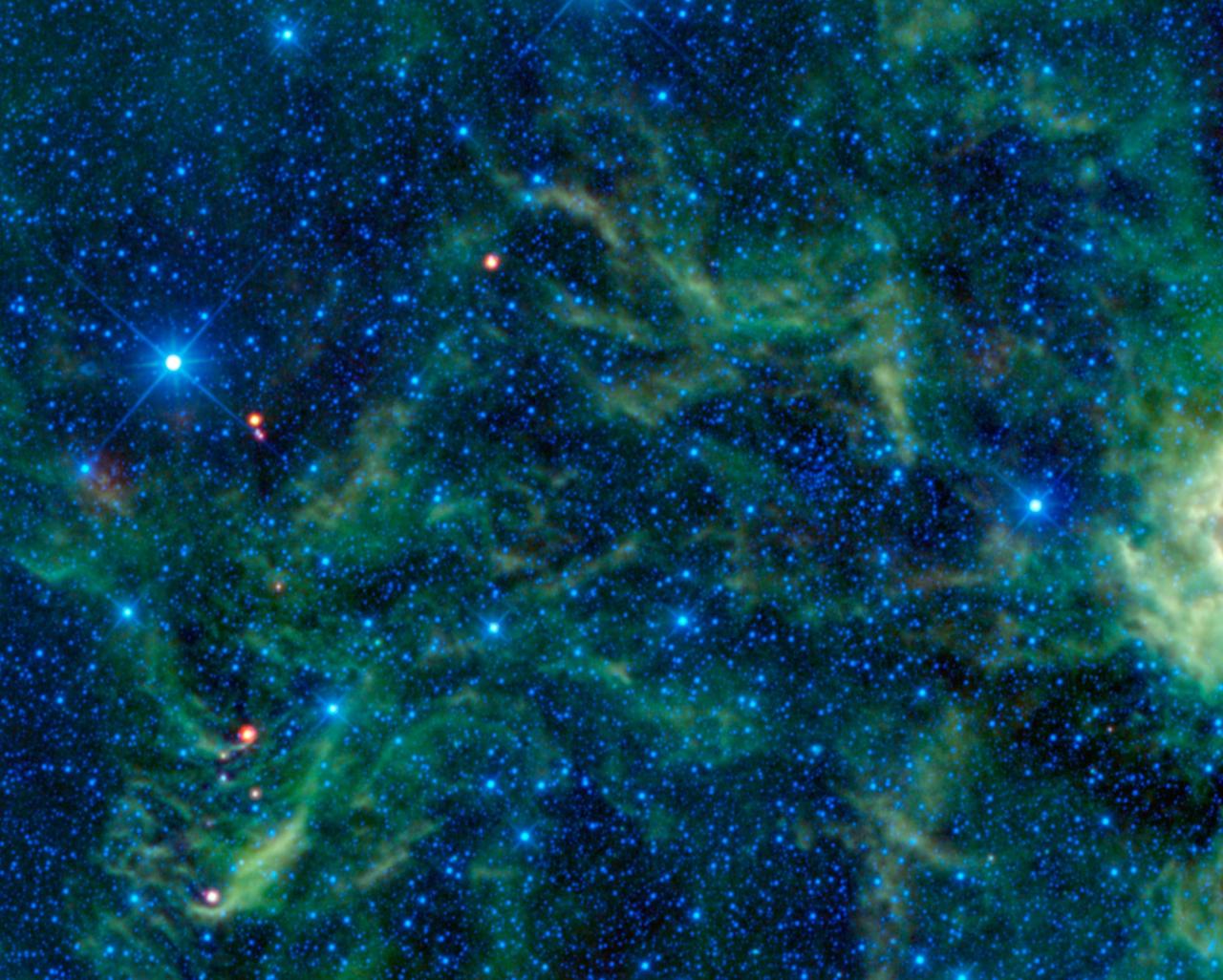
NASA image of the Pleiades star cluster M45

Open Cluster Guide · M45

Pleiades Star Cluster (M45): How to Find and Observe the Seven Sisters

The Pleiades is one of the easiest and most rewarding deep-sky targets for beginners. This guide shows exactly when to observe it, what magnification to use, and why binoculars often beat telescopes for the best view.

M45

Messier Designation

440 ly

Approx Distance

Oct-Mar

Best Evening Window

7+

Visible Core Stars

By Telescope Advisor Editorial Team Published: Updated: Editorial Standards

Quick Answer

To find the Pleiades, look high in the evening sky during autumn and winter in the Northern Hemisphere. It appears as a tight mini-dipper cluster in Taurus. Use 7x50 or 10x50 binoculars for the most pleasing first view. In telescopes, start with the lowest-power eyepiece you own because M45 is large and can spill outside narrow fields at medium magnification.

What Is the Pleiades Star Cluster?

The Pleiades, also called Messier 45 or the Seven Sisters, is a young open star cluster in the constellation Taurus. It is one of the nearest and brightest clusters visible to the naked eye. Under dark skies, many observers can count six or seven stars without optical aid, while binoculars reveal dozens. Long-exposure photos show blue reflection nebulosity around the stars, but most visual observers should treat that nebulosity as a bonus in very dark conditions rather than an expectation from suburban skies.

Best Time to Observe the Pleiades in 2026

M45 becomes an easy evening target from about October through March. The best sessions happen on moonless or low-moon nights with clear transparency. Around November to January, the cluster reaches a high altitude during comfortable evening hours, which reduces atmospheric blur and improves contrast. If your local forecast predicts excellent transparency but average seeing, still prioritize M45; open clusters benefit heavily from dark, clean skies.

How to Find the Seven Sisters Quickly

  1. Find Orion first. It is usually the easiest anchor in winter skies.
  2. Trace upward toward Taurus and look for the bright orange star Aldebaran.
  3. Continue past Aldebaran to a compact blue-white cluster that looks like a tiny dipper.
  4. Center it with your finder, then switch to binoculars or a low-power eyepiece.

If you use a telescope with a narrow field, do not start with high magnification. M45 is wider than many people expect, and high-power eyepieces crop out the cluster's signature shape.

Binoculars vs Telescope: Which Gives the Better Pleiades View?

InstrumentBest ExperienceWatch-outs
7x50 / 10x50 binocularsWide framing, natural cluster shape, easiest to enjoyHand shake at higher powers
Small refractor (70-102mm)Sharp star color contrast with low-power eyepieceCan still be too narrow at medium power
Larger SCT / DobsonianExcellent brightness for individual starsOften cannot fit full cluster in one field

Recommended Gear for Pleiades Nights

Editor's Pick - Best All-Around M45 Setup
Celestron SkyMaster 15x70 binoculars

Celestron SkyMaster 15x70 Binoculars

Bright enough to resolve rich star density in M45 while keeping the cluster feel intact.

Celestron SkyMaster 20x80 binoculars

Celestron SkyMaster 20x80

For observers who prefer stronger star density and use a stable mount for long sessions.

Celestron NexStar 4SE telescope

Celestron NexStar 4SE

Compact GoTo telescope for observers who want quick M45 acquisition plus planetary sessions.

The Main Stars of the Seven Sisters

The Pleiades is often introduced as the Seven Sisters, but experienced observers quickly learn that the cluster contains many more visible members in binoculars and telescopes. The most famous names include Alcyone, Maia, Electra, Taygeta, Celaeno, Sterope, Merope, Atlas, and Pleione. These stars are young, hot, and predominantly blue-white, which is why the cluster looks so crisp in good transparency.

From a practical observing perspective, memorizing every name is optional. What matters more is understanding that the visual pattern is compact and bright enough to function as a reliable seasonal marker. When observers can identify M45 quickly, they gain confidence in star-hopping and can navigate to other nearby Taurus and winter targets more efficiently.

Star Why It Matters for Observers
AlcyoneOften perceived as one of the brightest anchors in the cluster.
MaiaPart of the cluster core pattern that helps identify orientation.
MeropeAssociated with the famous nebulosity region in long-exposure imaging.
Atlas and PleioneUseful pair for visual pattern recognition in binocular views.

2026 Seasonal Planner: When M45 Is Easiest to Catch

One reason the Pleiades ranks so highly for beginners is that it is forgiving and repeatable across many months. In early autumn evenings, it rises later and may require patience. By late autumn and winter, it is high at comfortable evening times, making it easier for casual observers. In spring, it drops toward the western sky after sunset and becomes less convenient before moving into solar conjunction territory.

For most locations in the Northern Hemisphere, the easiest high-quality sessions happen from November through January when the cluster is well placed after dusk. Pair those nights with low moonlight and good transparency, and the cluster appears rich even in modest binoculars. If you observe from suburban zones, transparency often matters more than seeing for M45 because this target is fundamentally about star contrast and field aesthetics.

Use a simple rule: if the Moon is bright and near your target region, observe later when sky darkens more fully or choose another object that handles glare better. M45 is beautiful enough that waiting for better contrast is usually worth it.

Magnification Strategy for Pleiades: Less Is Usually More

A common beginner mistake is treating M45 like a planetary target and immediately increasing magnification. That usually fragments the scene. The emotional appeal of the Pleiades is its group structure: bright stars floating in a compact, recognizable pattern. When magnification is too high, you lose that context and the cluster feels less dramatic.

If you are using binoculars, your magnification is fixed, so your main variable is steadiness. A tripod or monopod can reveal more stars and reduce fatigue. If you are using a telescope, start with your longest focal-length eyepiece and only increase power if seeing conditions are stable and you specifically want to inspect star color or spacing in sub-regions.

As a practical guideline, keep true field of view in mind rather than magnification alone. If the full cluster cannot fit comfortably in your field, step down power. M45 rewards framing discipline more than magnification aggression.

Can You Photograph the Pleiades with Beginner Equipment?

Yes, but expectations should be realistic. The striking blue nebulosity seen in iconic images requires long exposure, strong calibration workflow, dark skies, and careful processing. Beginners can still capture attractive star-cluster portraits using shorter exposures and basic tracking setups, but should treat nebulosity as an advanced milestone rather than a first-night expectation.

For entry-level results, prioritize accurate focus, stable tracking, and a wide-enough field to preserve cluster composition. Short stacks from a DSLR or mirrorless setup can already produce satisfying images when stars remain tight and background noise is controlled. As skills improve, longer integrations under darker skies reveal more dust structure around Merope and neighboring stars.

If your primary goal is visual observing, avoid overcomplicating your first M45 sessions with imaging hardware. Learn the target visually first, then add imaging as a separate workflow. This approach keeps both hobbies enjoyable rather than overwhelming.

Pleiades Troubleshooting: Why Your View Might Look Underwhelming

Problem: The cluster looks sparse. Likely cause: Sky glow, haze, or poor transparency. Fix: Observe on clearer nights and reduce local light exposure.

Problem: Stars are not sharp. Likely cause: Focus drift or thermal instability. Fix: Refocus carefully and let optics equilibrate.

Problem: Only part of M45 fits in view. Likely cause: Magnification too high. Fix: Use lower power or binoculars for full framing.

Problem: Colors seem weak. Likely cause: Light pollution and visual adaptation limits. Fix: Give eyes time to dark adapt and avoid white light.

Problem: Finder alignment is off. Likely cause: Daytime alignment skipped. Fix: Align finder on a distant object before nightfall.

These small corrections usually transform the session. M45 is forgiving, so if the view seems disappointing, the issue is often observing conditions or setup workflow rather than telescope quality.

Extended Guide: Turning M45 Into a Skill-Building Target

The Pleiades is more than a beautiful target; it is a training ground for better observing habits. Because it is bright, recognizable, and seasonally reliable, you can use it to practice finder alignment, focus discipline, low-power framing, and sky-condition judgment. Beginners who revisit M45 across multiple months often notice clear improvements in how quickly they can center targets and evaluate seeing/transparency tradeoffs.

A useful progression is simple: first sessions focus on identification and framing, next sessions compare binocular and telescope views, later sessions test different eyepieces and log which combinations produce the most pleasing composition. This creates a personal baseline that improves performance on other clusters like the Hyades, Beehive, and Double Cluster.

Observers who keep short notes after each Pleiades session usually improve faster than those who rely on memory. Record date, sky quality, instrument, eyepiece choice, and what looked best. Over one season, these notes become a practical decision map that helps you plan future sessions with confidence.

Another valuable practice is to revisit M45 under different moon phases. This teaches contrast sensitivity in a way beginner observers can immediately feel at the eyepiece. You will notice how sky brightness changes the perceived richness of the cluster and how instrument choices compensate for those conditions. That same judgment transfers directly to many other bright deep-sky objects, making the Pleiades one of the highest-value training targets in the night sky.

🔭

Not sure which telescope actually fits your goals?

Answer 5 quick questions about your budget, observing targets, and experience level — our Telescope Finder Tool recommends a specific model in under 2 minutes.

Find My Telescope →

FAQ: Pleiades (M45)

Can you see the Pleiades without a telescope?

Yes. Under decent skies you can see it with the naked eye as a compact star knot. Binoculars improve the view dramatically.

What magnification is best for the Pleiades?

Low power is best. For telescopes, start around 20x to 40x so the cluster fits comfortably in the field.

Why does my telescope view of M45 look less impressive than photos?

Astrophotos use long exposure and image processing. Visual observing is more subtle, but still beautiful with proper framing and dark skies.

Related Guides