
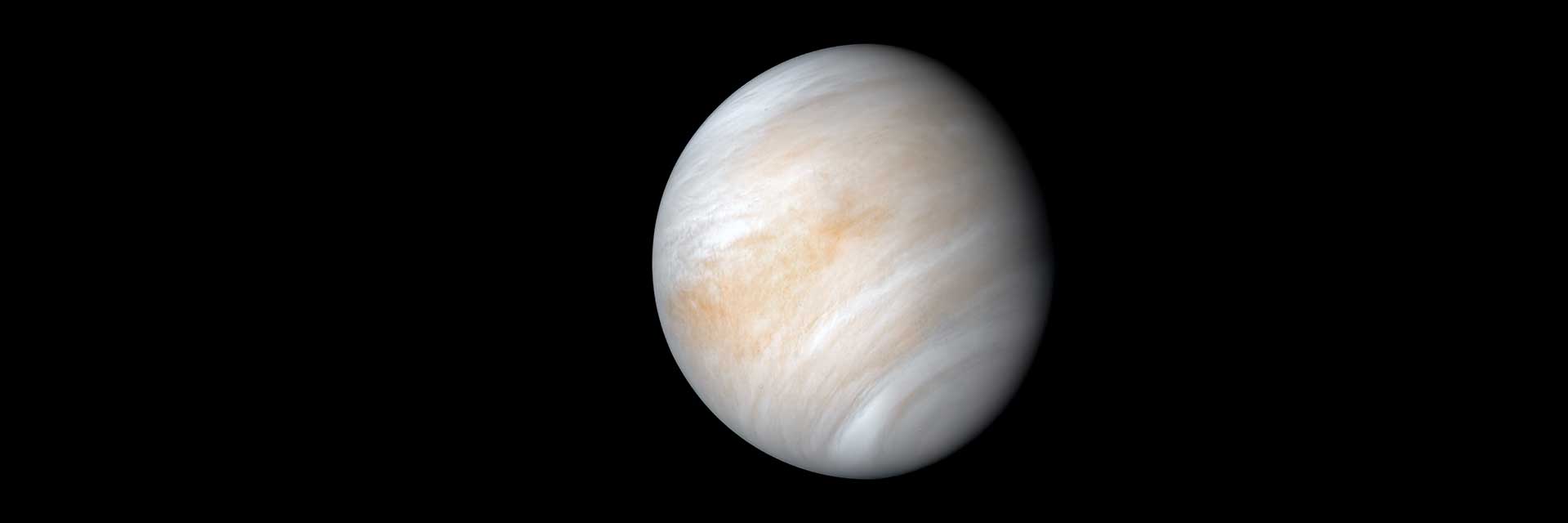
Quick Answer: What Will Venus Look Like on September 22, 2026?
To the naked eye: Venus blazes at magnitude −4.8 in the western sky after sunset — the brightest it gets all year. It is bright enough to see in full daylight if you know exactly where to look, and bright enough to cast a faint shadow on a clear dark night. No telescope needed to be stunned by it.
Through a telescope: This is where it gets counterintuitive. Venus does NOT look like a full bright disk at peak brilliance. It looks like a thin crescent — roughly 22% illuminated, similar in shape to a 4-day-old Moon. The crescent spans about 42 arc-seconds, comparable to Jupiter's disk at its closest, making it easy to see even at 40×. This crescent shape is the single most compelling thing you can show someone through a telescope at this event.
Why is Venus both its brightest AND a crescent at the same time?
Because greatest brilliance falls about 5 weeks before inferior conjunction, when Venus is relatively close to Earth (boosting apparent brightness) but positioned at an angle where only about 22% of its sunlit hemisphere faces us (giving the crescent shape). The increase in apparent disk area from being close to Earth more than compensates for showing a partial phase — you get the paradox of peak brightness AND a crescent simultaneously.

