Can You Use a Telescope During the Day? Safe Targets, Warnings, and Solar Rules | Telescope Advisor
Telescope Advisor Logo Telescope Advisor
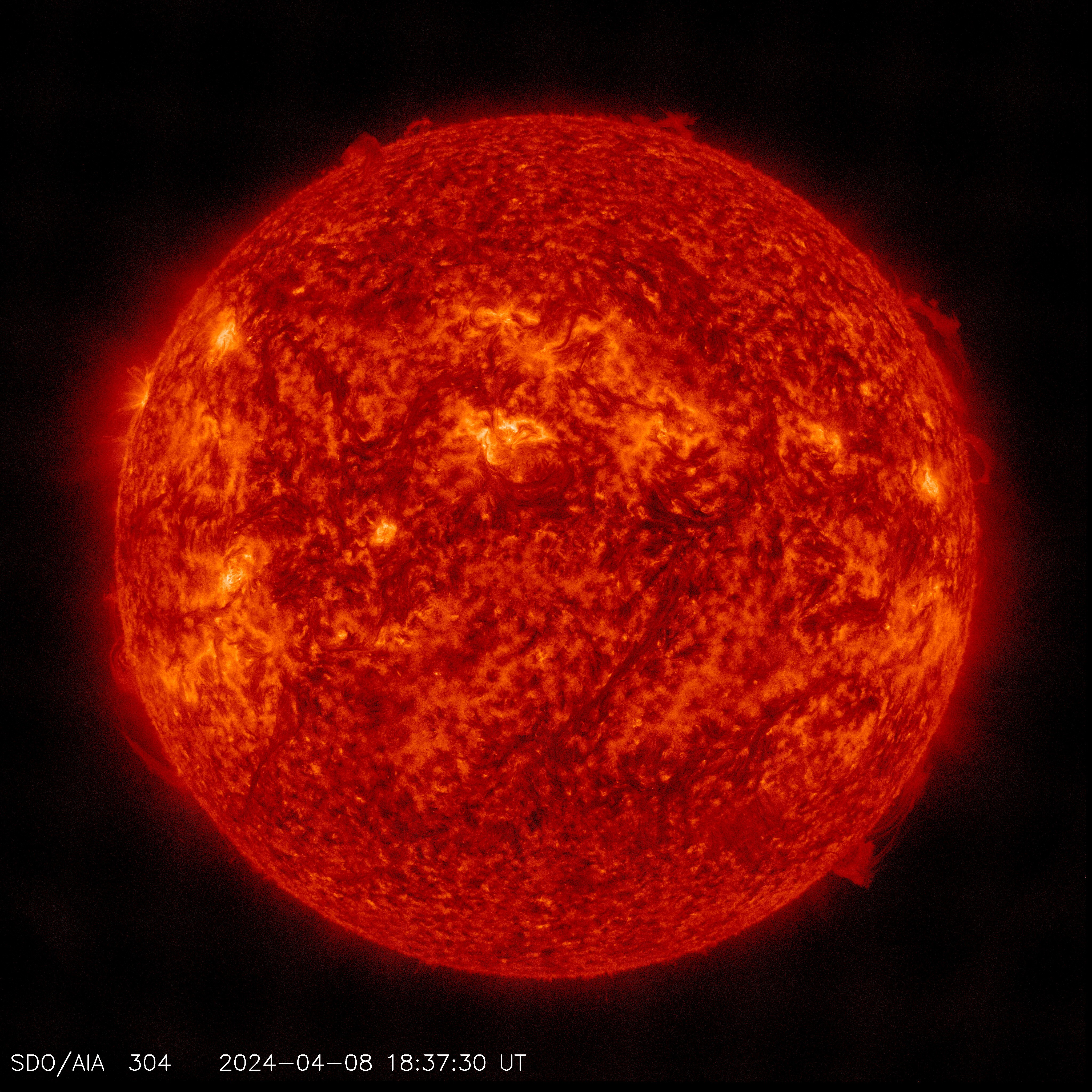
NASA image of the active Sun showing solar detail

Beginner Telescope Q&A

Can You Use a Telescope During the Day? Safe Targets, Warnings, and Solar Rules

Yes, daytime telescope use is possible and often useful for practice. But one rule is absolute: never point at the Sun without a certified front-mounted solar filter. This guide explains what is safe, what is not, and how to avoid expensive mistakes.

Yes

Daytime terrestrial viewing

Never

Unfiltered solar viewing

5 min

Quick daytime setup drill

By Telescope Advisor Editorial Team Published: Updated: Editorial Standards

Quick Answer

Yes, you can use a telescope during the day for distant land targets and sometimes the Moon. No, you must never observe the Sun through any telescope unless a certified solar filter is installed correctly over the front aperture.

If your goal is astronomy practice, daytime sessions are excellent for learning focusing, balancing, finder alignment, and mount movement before nightfall.

Safe Daytime Targets

1. Distant terrestrial objects

Buildings, ridgelines, towers, and ships are ideal for focus and tracking practice. Use low power first and avoid heat shimmer over roads and rooftops.

2. The daytime Moon

When the Moon is above the horizon, daytime views can be crisp and contrasty. Use a low-power eyepiece to find it quickly.

3. Finder alignment drills

Aligning your finder on a distant antenna in daylight makes nighttime object acquisition much easier.

4. Mount and GoTo training

Practice hand controller workflows, slew speeds, and tripod leveling before dark to save observing time later.

Critical Safety Rule: Never View the Sun Unfiltered

Permanent eye damage can occur instantly. Telescope optics concentrate sunlight enough to destroy eyesight and damage equipment in seconds if no certified front-mounted solar filter is used.

  • Only use a solar filter designed for telescope front-aperture use.
  • Do not use eyepiece-end "sun filters" (unsafe for modern use).
  • Inspect filters for tears, pinholes, or loose fit before every session.
  • Cap or remove finder scopes unless they are also solar-safe.
  • For certification guidance, use the AAS safety page: eclipse.aas.org/eclipse-eye-safety.

For eclipse-specific gear and step-by-step setup, see our 2026 total solar eclipse guide.

Daytime vs Nighttime Telescope Use: What Changes?

Factor Daytime Nighttime
Target brightness Very bright land targets and Moon Much dimmer objects, especially deep sky
Atmospheric steadiness Often worse at midday due to heat shimmer Often steadier after local ground cools
Best use case Training and setup drills Serious observing and imaging
Safety risk Solar exposure risk is high No solar risk if Sun is below horizon

5-Minute Daytime Setup Checklist

  1. Start with your lowest-power eyepiece (widest field).
  2. Aim at a distant stationary target, not one above hot pavement.
  3. Fine-focus slowly and confirm finder alignment.
  4. Increase magnification only after target is centered and sharp.
  5. If observing anywhere near the Sun, stop and verify certified front-aperture solar filter fit before continuing.

Use this drill in daylight, then repeat the same sequence at night for faster first-target acquisition.

Common Daytime Mistakes (and Fixes)

Mistake: Starting at high magnification. Fix: Begin with the longest focal-length eyepiece, center target, then step up.
Mistake: Viewing through a closed window. Fix: Move outside or open the window fully to avoid distortion.
Mistake: Ignoring heat shimmer. Fix: Observe over grass or water, not over hot concrete/rooftops.
Mistake: Unsecured solar filter. Fix: Confirm secure fit and backup tape/retention before aiming near the Sun.

FAQ

Can I use my regular telescope for solar observing?

Yes, but only with a certified front-mounted solar filter that fully covers the objective/mirror opening.

Can I practice telescope setup during the day?

Absolutely. Daylight is one of the best times to practice balancing, focusing, finder alignment, and mount controls.

Is daytime seeing worse than nighttime seeing?

Often yes, because daytime ground heating creates turbulence. Early morning usually offers steadier air than mid-afternoon.

Can I observe Venus or Jupiter during the day?

It is possible but advanced. Only attempt this if you are experienced with precise pointing and strict Sun-avoidance procedures, and never sweep near the Sun.

What is the safest first daytime target for beginners?

A distant terrestrial object such as a radio mast or building edge. It is bright, stationary, and lets you practice focusing and finder alignment safely.

Do I need a different eyepiece for daytime use?

No special eyepiece is required. Start with your longest focal length eyepiece for the widest field, then increase magnification only if the image stays stable.

Sources and Review Notes

Last reviewed: . Guidance combines practical daytime setup workflows, established telescope safety practices, and frequently observed first-session errors from beginner users.

  • American Astronomical Society solar observing safety guidance.
  • Sky and Telescope beginner setup recommendations for alignment and focus drills.
  • Community troubleshooting patterns for daytime target practice and mount handling.

Related Guides