Celestron NexStar 130SLT Review (2026): Best Beginner GoTo
Telescope Advisor Logo Telescope Advisor
Night sky and planets for telescope review

GoTo Reflector Review • 2026

Celestron NexStar 130SLT Review

The NexStar 130SLT combines a 130mm Newtonian tube with beginner-accessible GoTo navigation. It is one of the most practical options for users who want motorized object finding without jumping to a much higher budget.

130mm

Aperture

GoTo

Computerized Mount

4000+

Object Database

Alt-Az

Simple Tracking

By Telescope Advisor Editorial Team Published: Updated: Editorial Standards

Quick Verdict

The NexStar 130SLT is one of the best paths into GoTo astronomy for beginners who want automation without giving up meaningful aperture. The optics are strong for the price, and the mount removes much of the target-finding friction that can stall progress in the first month.

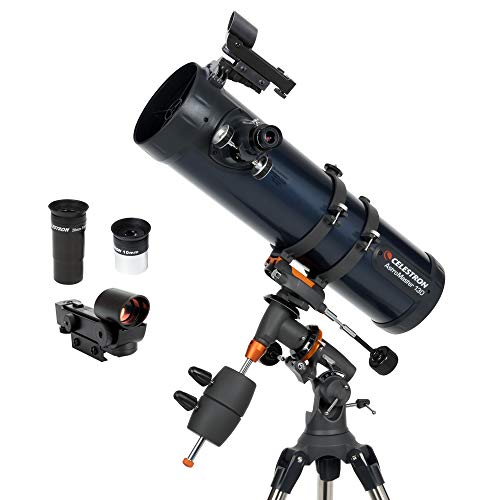
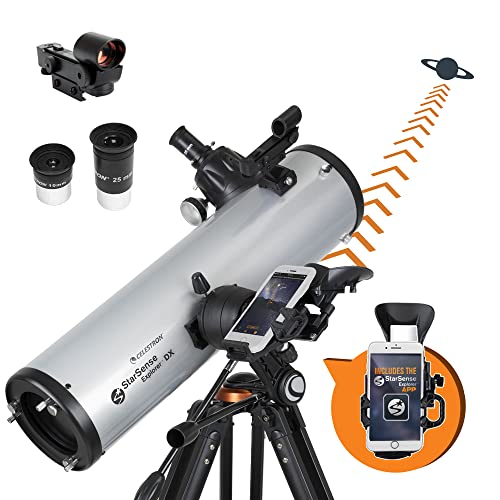
Reviewed product image:

Celestron NexStar 130SLT telescope

Celestron NexStar 130SLT: Full Specifications

SpecValue
Optical DesignNewtonian reflector
Aperture130mm (5.1 inches)
Focal Length650mm
Focal Ratiof/5
Mount TypeSingle-arm alt-azimuth GoTo
Hand ControllerNexStar (4,000+ objects)
FinderscopeRed dot finder
Eyepieces Included25mm (26×) and 9mm (72×)
Optical Tube Weight~3.6 kg (8 lbs)
Total System Weight~8.6 kg (19 lbs) with tripod
Power8×AA batteries
Tube Length~610mm (24 inches)

Limiting Stellar Magnitude: ~12.8 — shows objects down to mag 12.8 under good dark skies. All Messier objects within reach of a 130mm aperture.

Resolution (Dawes limit): ~0.89 arc-seconds — excellent for a 5-inch telescope at this price.

Highest Useful Magnification: ~260× (2× per mm of aperture), though atmospheric seeing typically limits this to ~200×.

Fast f/5 Focal Ratio: The 130SLT is a fast Newtonian, meaning deep-sky objects appear brighter at the eyepiece than through longer-focal-length designs — an advantage for nebula and galaxy observing.

Accessories included: 25mm eyepiece (26×), 9mm eyepiece (72×), red dot finder, aluminum tripod with accessory tray.

Upgrade path: Quality eyepieces, 2× Barlow lens, collimation tools (Cheshire eyepiece), DC power supply to replace batteries.

What You'll See Through the 130SLT

The 130SLT's 130mm aperture and fast f/5 focal ratio deliver bright, engaging views of deep-sky objects and planets. The NASA/ESA reference images below show the objects you'll be pointing at — the captions describe what is actually visible at the eyepiece with a 130mm Newtonian.

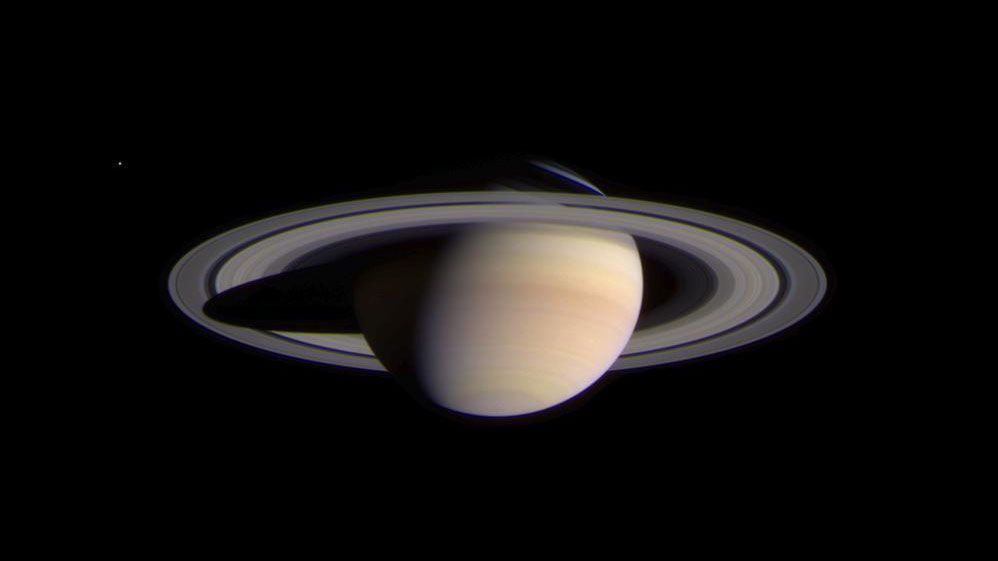
Saturn — NASA reference image showing rings and moons the 130SLT can resolve

Saturn — NASA Reference Image

At the eyepiece at 72–144×: Saturn's rings clearly separated, the ring shadow visible on the globe, Titan visible as a distinct moon. The Cassini Division may be glimpsed in stable seeing. Credit: NASA/Hubble.

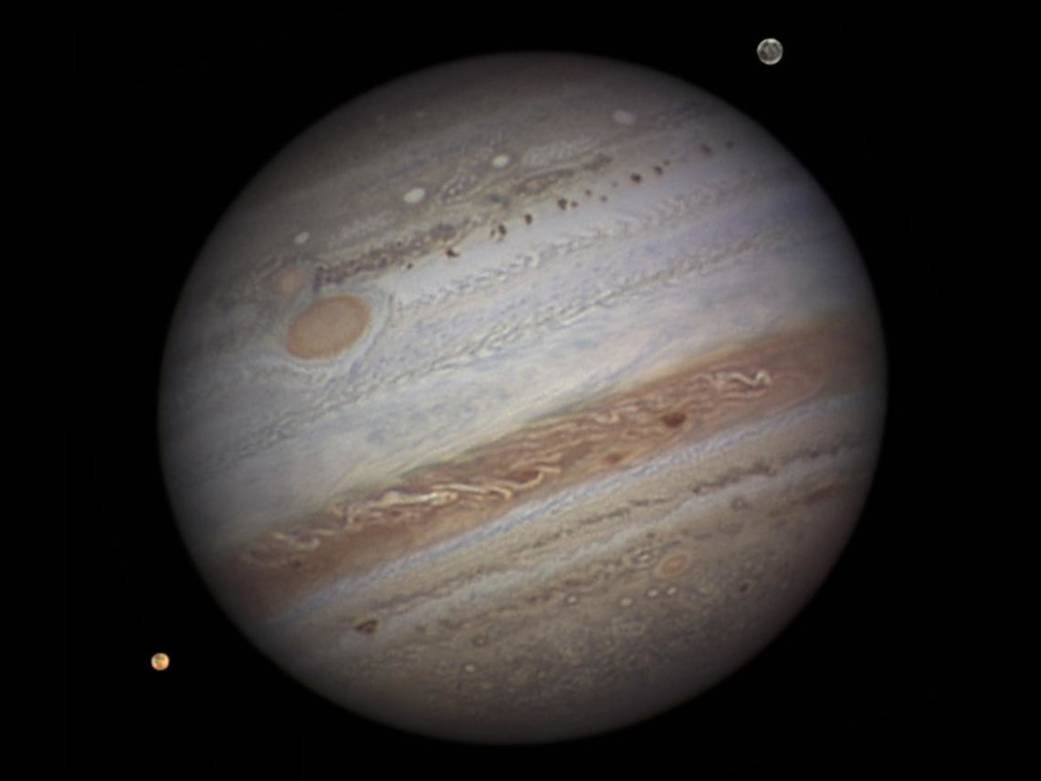
Jupiter — ground-based reference image showing cloud belts and Galilean moons

Jupiter — Ground-Based Reference Image

At 72–144×: two main equatorial belts, all four Galilean moons, possible hints of the Great Red Spot during good seeing. Image credit: Damian Peach/NASA.

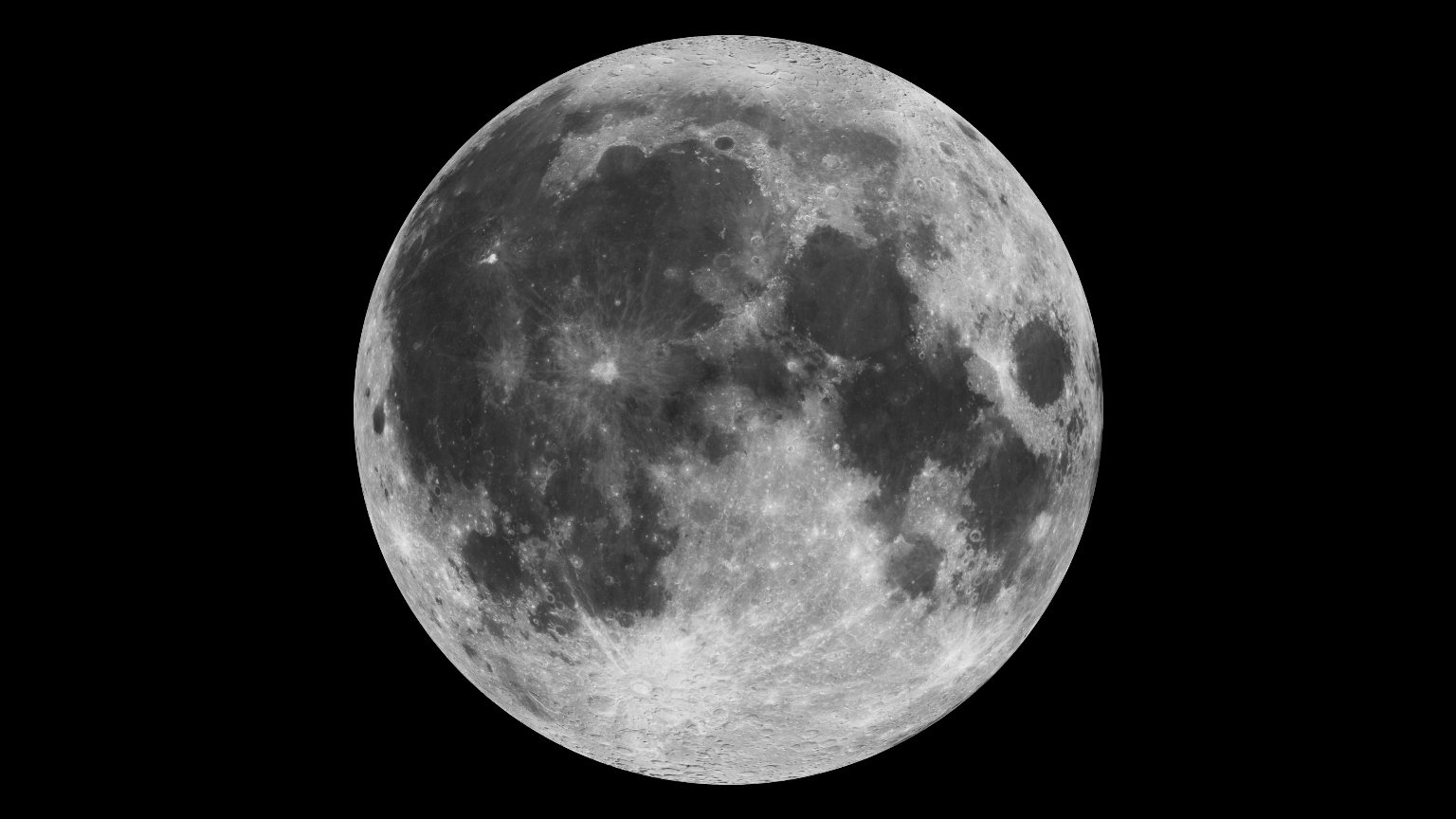
The Moon — NASA Clementine satellite composite showing craters and maria

The Moon — NASA/Clementine Reference Image

At 72×: individual craters, mountain ranges, rilles, and mare boundaries in sharp detail. The 130SLT's fast f/5 focal ratio makes the Moon bright and striking. Credit: NASA/Clementine.

Orion Nebula M42 — Hubble Space Telescope reference image

Orion Nebula (M42) — NASA/Hubble Reference

At 26–72×: bright core with visible nebulosity, the Trapezium star cluster resolved. The fast f/5 ratio gathers light efficiently for nebula observing. Credit: NASA/ESA/Hubble.

About these images: The photos above are NASA/ESA reference images — they are not eyepiece photographs taken through the 130SLT. Visual views differ significantly: planets appear in real time, deep-sky objects show structure rather than vivid color. The captions describe what is actually visible with a 130mm aperture under good conditions.

Setup & Ease of Use

Assembly Time

15–20 minutes on first use; 8–10 minutes with practice. The Newtonian OTA attaches to the single-arm mount with a dovetail bar. Tripod assembly is straightforward with colour-coded legs.

Portability

At 19 lbs total, the 130SLT is one of the lightest GoTo telescopes available. It disassembles into three components (tripod, mount arm, OTA) that fit easily in a compact car.

Collimation & Cool-Down

As a Newtonian, the 130SLT needs collimation — check and adjust before each observing session. A Cheshire collimation eyepiece makes this a 5-minute task. Open-tube design means minimal cool-down (10–15 minutes).

Is it beginner-friendly? The 130SLT is a strong choice for beginners willing to learn two key skills: GoTo alignment and Newtonian collimation. The GoTo system eliminates the hardest part of beginner astronomy (finding objects). Collimation of an f/5 Newtonian is manageable with a Cheshire tool and becomes a quick routine. Beginners who prefer a simpler setup may prefer a refractor, but the 130SLT offers much more aperture for the price.

How the 130SLT GoTo Workflow Feels in Practice

The 130SLT uses a straightforward alignment process with the NexStar controller. After alignment, slewing and tracking are simple: choose an object, let the mount move there, then keep observing while the scope tracks. Beginners who struggle with star-hopping usually find this dramatically easier than fully manual workflows.

Step 1

Level tripod and power on the mount.

Step 2

Run alignment using bright stars.

Step 3

Select targets and let GoTo handle pointing and tracking.

Strengths and Limitations

What It Does Well

  • 130mm aperture gives serious beginner visual capability.
  • GoTo reduces object-finding frustration quickly.
  • Alt-az tracking is easier than EQ mount learning for most users.

Where It Falls Short

  • Initial alignment still requires patience and practice.
  • Mount stability is acceptable, but not premium at high power.
  • Not the right platform for long-exposure deep-sky imaging.

130SLT vs Two Common Alternatives

Editor's Pick — Best Beginner GoTo Reflector
Celestron NexStar 130SLT telescope

Celestron NexStar 130SLT

Choose this if your top priority is motorized pointing and tracking with a capable 130mm reflector tube.

View on Amazon →
Celestron AstroMaster 130EQ telescope

AstroMaster 130EQ

Same aperture class, but manual equatorial operation. Better for users who want to learn EQ mechanics rather than GoTo convenience.

Compare on Amazon →
Celestron StarSense Explorer DX 130AZ telescope

StarSense Explorer DX 130AZ

A guided manual alternative: easier than pure manual use, but still without motorized tracking.

View Alternative →

Who Should Buy the NexStar 130SLT?

  • Buy it if you want GoTo support and easier repeat observing sessions.
  • Buy it if you prefer computerized target-finding over manual star-hopping.
  • Skip it if your priority is pure manual learning at the lowest cost.

Ready to Buy the NexStar 130SLT?

Celestron NexStar 130SLT telescope

Check current price on Amazon — availability and pricing can change.

Affiliate link — we may earn a small commission at no extra cost to you.

Frequently Asked Questions

Is the NexStar 130SLT fully computerized?

Yes. It is a motorized GoTo telescope with automated slewing and tracking after alignment. The NexStar hand controller contains a database of 4,000+ celestial objects and supports multiple alignment methods. Once aligned, simply select any object and the telescope will automatically point to and track it.

Is 130SLT better than AstroMaster 130EQ for beginners?

For most beginners, yes — the GoTo system dramatically reduces early frustration by automatically finding objects. The 130EQ is a manual equatorial mount that requires understanding of RA/Dec coordinates and polar alignment. Choose the 130SLT if you want to spend more time observing and less time learning mount mechanics. Choose the 130EQ if you intend to pursue astrophotography and want to learn equatorial operation from the start.

Can I use the 130SLT for astrophotography?

The 130SLT works for basic lunar and planetary imaging using short-exposure video stacking — you can capture good images of the Moon, Jupiter, Saturn, and Mars. The alt-azimuth mount introduces field rotation in exposures longer than ~30 seconds, so it is not suitable for long-exposure deep-sky astrophotography. For deep-sky imaging, an equatorial mount is required.

How hard is collimation on the 130SLT?

Collimation of an f/5 Newtonian is moderately easy with the right tool. A Cheshire collimation eyepiece (under $30) makes the process straightforward: adjust three pairs of screws on the secondary mirror and three screws on the primary mirror until all optical elements are aligned. Plan for 10–15 minutes on first attempt, dropping to 5 minutes with practice. Out-of-collimation symptoms include stars that look like comets or show a non-round diffraction pattern at high power.

What can I see with the 130SLT?

Solar system: Saturn's rings clearly visible with Titan; Jupiter with 2 cloud belts and all 4 Galilean moons; Mars showing polar cap and dark markings during opposition; the Moon with exceptional crater detail.

Deep sky: M42 Orion Nebula with bright core and Trapezium stars; M13 Hercules Cluster partially resolved; M31 Andromeda Galaxy as a bright oval with core; M81 and M82 as two distinct galaxies; dozens of NGC open clusters. The fast f/5 focal ratio makes deep-sky objects brighter than through longer-focal-length scopes.

What accessories should I buy with the 130SLT?

Priority accessories: (1) A Cheshire collimation eyepiece — essential for maintaining Newtonian optics. (2) A 2× Barlow lens to double your eyepiece magnifications. (3) A 12V DC power supply — 8×AA batteries drain in 3–4 hours. (4) A quality 6–8mm eyepiece for 80–108× planetary viewing. (5) A moon filter to reduce glare during lunar observing.

Is the NexStar 130SLT good for beginners?

Yes — it is one of the best beginner GoTo telescopes. The 130mm aperture provides meaningful visual capability, the GoTo system removes the hardest part (finding objects), and the price is accessible. Beginners do need to learn collimation, but this is a valuable skill that applies to any Newtonian telescope. If you prefer a simpler no-collimation setup, consider a refractor like the AstroMaster 70AZ or a Maksutov-Cassegrain like the NexStar 4SE.

How much does the NexStar 130SLT cost in 2026?

The NexStar 130SLT typically retails for $400–$500 in 2026, depending on the retailer and promotions. Budget additionally for: a Cheshire collimation eyepiece ($20–$30), a 2× Barlow ($30–$50), and a 12V DC power supply ($20–$30). Total well-equipped setup: $500–$600.

Related Guides