Celestron PowerSeeker 127EQ Review (2026): Is It Worth It vs Heritage 130P?
Telescope Advisor Logo Telescope Advisor
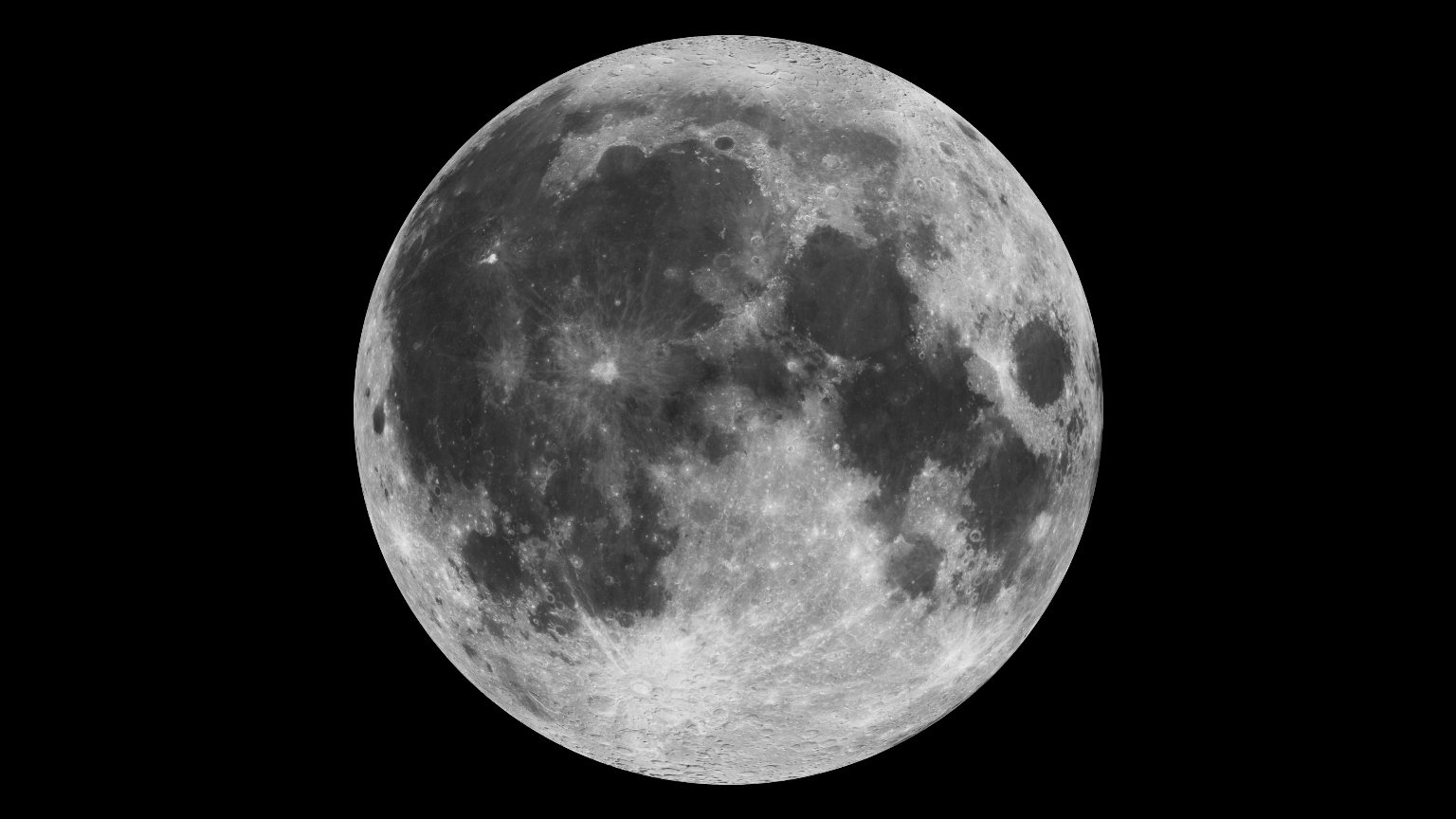
Night sky used as review hero background for beginner reflector telescopes

Telescope Review - 2026

Celestron PowerSeeker 127EQ Review: Is It Worth It in 2026?

The 127EQ is a popular first telescope because the aperture number looks strong on paper. This review focuses on real nightly use: mount stability, optical behavior, and whether you are better off with a Dobsonian at the same budget.

6.9/10

Our score

127mm

Aperture class

EQ Mount

Learning curve

Value?

Mixed

By Telescope Advisor Editorial Team Published: Updated: Editorial Standards

Quick Verdict

Celestron PowerSeeker 127EQ telescope

Reviewed product image: Celestron PowerSeeker 127EQ

The PowerSeeker 127EQ can show Saturn's rings, Jupiter's belts, and bright deep-sky targets, but it is difficult to recommend at current pricing unless you specifically want an equatorial mount.

The biggest issue is not raw aperture. It is consistency. New users often lose confidence because the mount feels shaky at higher power and the accessory quality bottlenecks the optical potential. For most beginners at this budget, a Dobsonian alternative is easier and more rewarding.
Celestron PowerSeeker 127EQ: Core Specifications

Spec Value Practical Impact
Aperture127mmEnough light for bright planets, Moon, and many Messier targets
Focal Length1000mm equivalent classPlanet-friendly magnification ranges are easy to reach
MountManual EQTracks better than cheap alt-az when tuned, but harder for beginners
Best target classMoon and planetsDeep sky is possible, but ergonomics and stability become limiting

Real-World Performance

What It Does Well

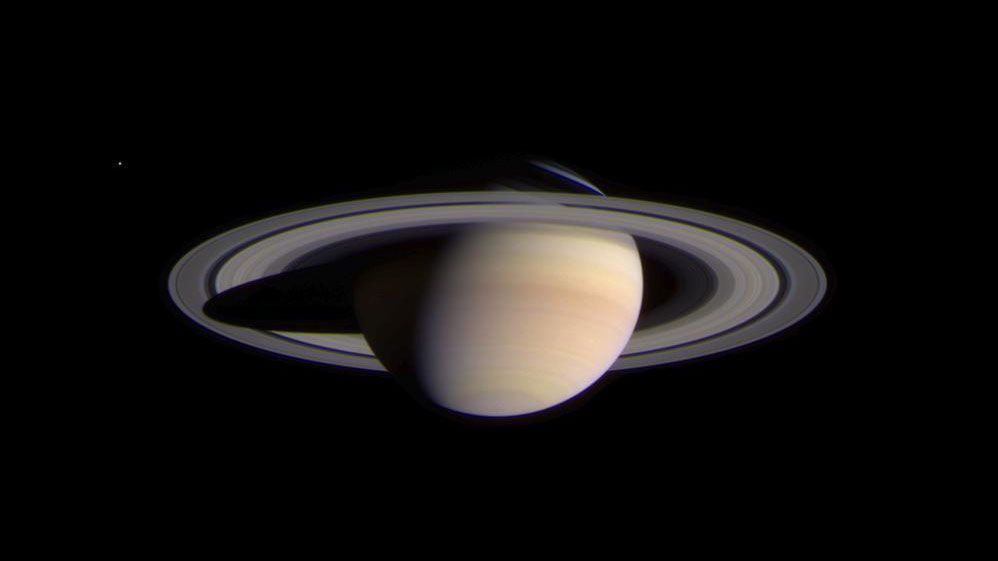
  • Saturn rings are clear in decent seeing.
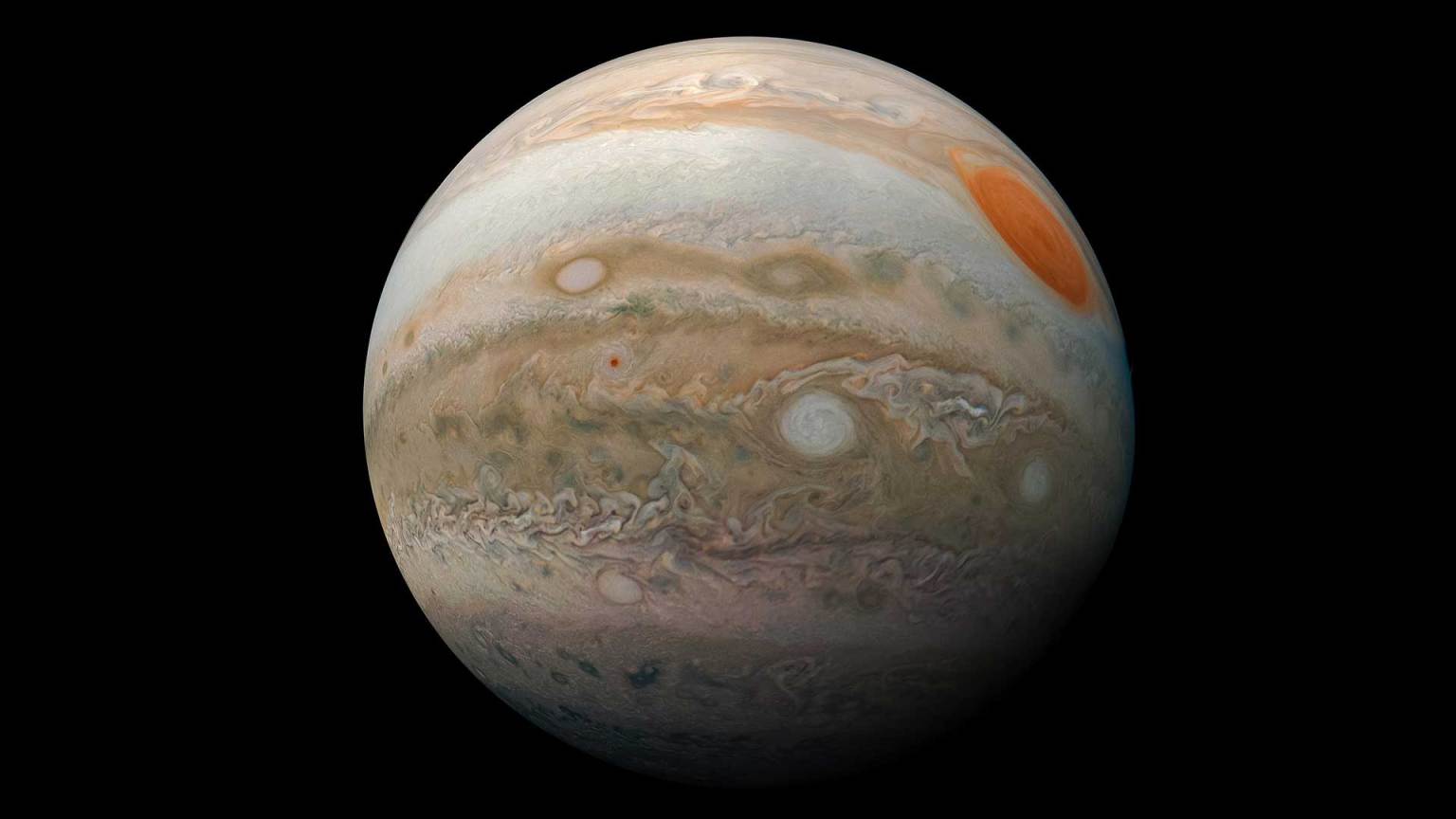
  • Jupiter shows two major belts and moon motion.
  • Moon detail is crisp at moderate magnification.
  • Aperture-to-price is attractive on paper.

Where New Users Struggle

  • Vibration and damping time at higher power.
  • EQ setup overhead before each session.
  • Included eyepieces are often the weak link.
  • Inconsistent user experience vs simpler Dobsonians.

Pros and Cons

Pros

  • Good aperture for starter planetary sessions.
  • Manual EQ mount teaches tracking fundamentals.
  • Widely available and frequently discounted.

Cons

  • Stability complaints are common in real use.
  • Accessory quality often requires immediate upgrades.
  • Higher beginner frustration than a tabletop Dobsonian.

Is the PowerSeeker 127EQ Worth It in 2026?

It is worth considering if you are committed to learning EQ workflow and you get a strong sale price. It is not the easiest path for most first-time buyers who want immediate, repeatable success.

For the same budget band, most beginners are happier with a Dobsonian or app-assisted alt-az setup because session friction is lower and useful observing time is higher.

Better Alternatives at Similar Budget

Editor's Pick - Better Value for Most Beginners
Sky-Watcher Heritage 130P tabletop dobsonian telescope

Sky-Watcher Heritage 130P

At similar cost, the Heritage 130P is easier to deploy, more stable in practice, and more forgiving for first-time users. You spend more time observing and less time fighting setup friction.

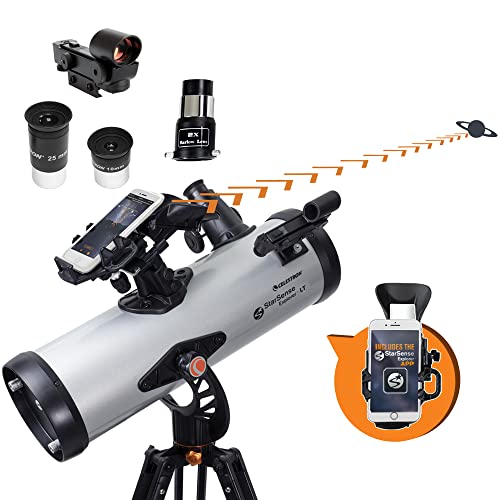
Celestron StarSense Explorer LT 114AZ telescope

Celestron StarSense Explorer LT 114AZ

If finding objects is your main pain point, StarSense app guidance is a practical quality-of-life upgrade for beginner consistency.

View on Amazon -

FAQ: Celestron PowerSeeker 127EQ

Can beginners use the PowerSeeker 127EQ?

Yes, but it has a steeper learning curve than typical beginner Dobsonians and app-assisted alt-az mounts.

Is it good for planets?

It can deliver solid Moon and planetary views when seeing is stable and mount vibration is controlled.

What is the biggest drawback?

For most first-time users, mount stability and overall setup friction are the main frustration points.

Related Guides