
Celestron StarSense Explorer DX 130AZ Review (2026): Smartphone-Guided 130mm Reflector Tested | Telescope Advisor
Telescope Advisor Logo Telescope Advisor
Night sky and telescope under stars

HANDS-ON REVIEW · 2026

Celestron StarSense Explorer DX 130AZ Review

A 130mm reflector with app-guided object finding. It is one of the easiest ways to get real aperture without committing to a full GoTo mount workflow.

130mm

Aperture

StarSense

Phone Guidance

No Motors

Manual Push-To

By Telescope Advisor Editorial Team Published: Updated: Editorial Standards

Quick Verdict

The StarSense DX 130AZ is one of the best first serious telescopes for users who want guidance without full GoTo complexity. You keep a simple manual mount, but the app removes most target-finding frustration.

Editor's Pick — Tech-Assisted Beginner Reflector
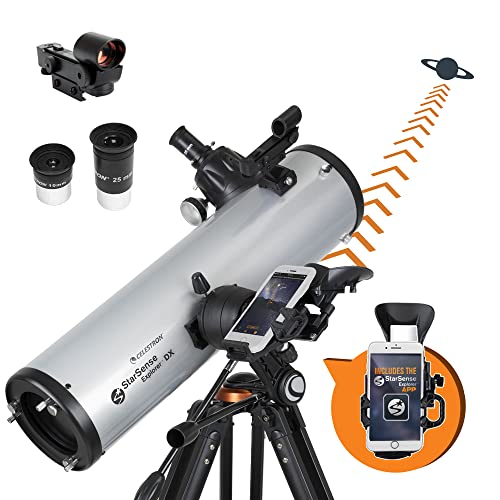
Celestron StarSense Explorer DX 130AZ telescope

Celestron StarSense Explorer DX 130AZ

Best for beginners who want 130mm aperture plus low-friction object finding with smartphone guidance.

View on Amazon →

Celestron StarSense Explorer DX 130AZ: Full Specifications

SpecValue
Optical DesignNewtonian reflector
Aperture130mm (5.1 inches)
Focal Length650mm
Focal Ratiof/5
Mount TypeManual alt-azimuth with StarSense push-to guidance
StarSense TechnologySmartphone plate-solving via free app (iOS/Android)
Eyepieces Included25mm (26×) and 10mm (65×)
FinderscopeStarPointer red dot finder
Optical Tube Weight~3.6 kg (8 lbs)
Total System Weight~7.3 kg (16 lbs)
Power RequiredPhone battery only — mount is fully manual

Limiting Magnitude: ~12.8 — reaches most Messier objects under dark skies. Bright galaxies and nebulae are within range of a 130mm aperture.

Resolution (Dawes limit): ~0.89 arc-seconds — excellent for a 5-inch telescope at this price.

Highest Useful Magnification: ~260× (2× per mm of aperture). Typical atmospheric seeing limits this to ~200× on most nights.

StarSense Advantage: The phone-based plate-solving identifies stars in your field and shows arrow guides to any target. No GoTo motors, but no alignment procedure either — just a quick phone calibration.

Accessories included: 25mm eyepiece (26×), 10mm eyepiece (65×), StarPointer red dot finder, StarSense phone dock, aluminum tripod with accessory tray.

What You'll See Through the StarSense DX 130AZ

The 130mm aperture and fast f/5 focal ratio deliver bright, engaging views of planets and deep-sky objects. The NASA/ESA reference images below show the objects you'll be pointing at.

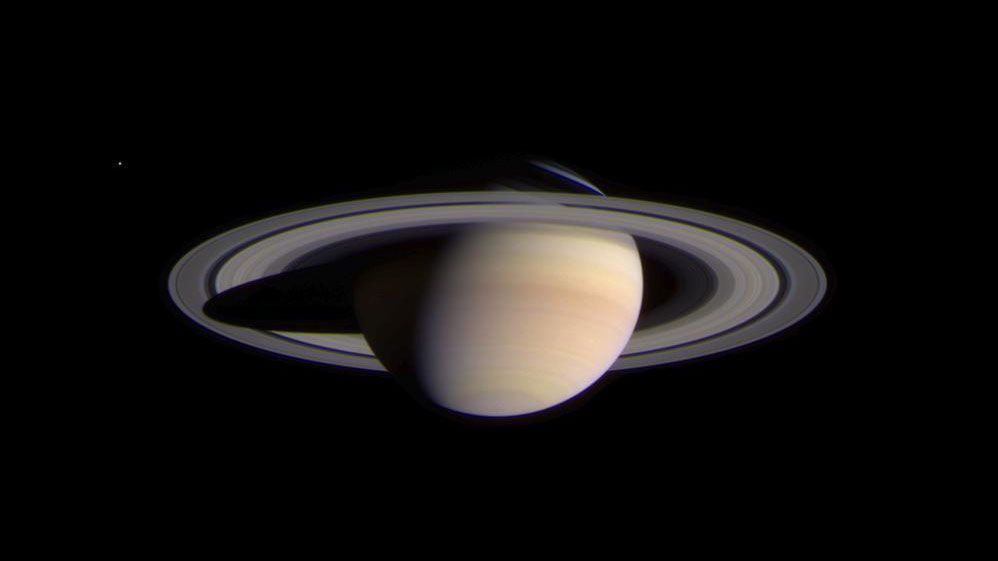
Saturn — NASA reference

Saturn — NASA Reference

At 65×: rings clearly separated from the globe, Titan visible. The Cassini Division may be glimpsed in steady seeing. Credit: NASA/Hubble.

Jupiter — NASA reference

Jupiter — NASA Reference

At 65×: two main equatorial belts and all four Galilean moons visible. Great Red Spot detectable on good nights. Credit: NASA/Hubble.

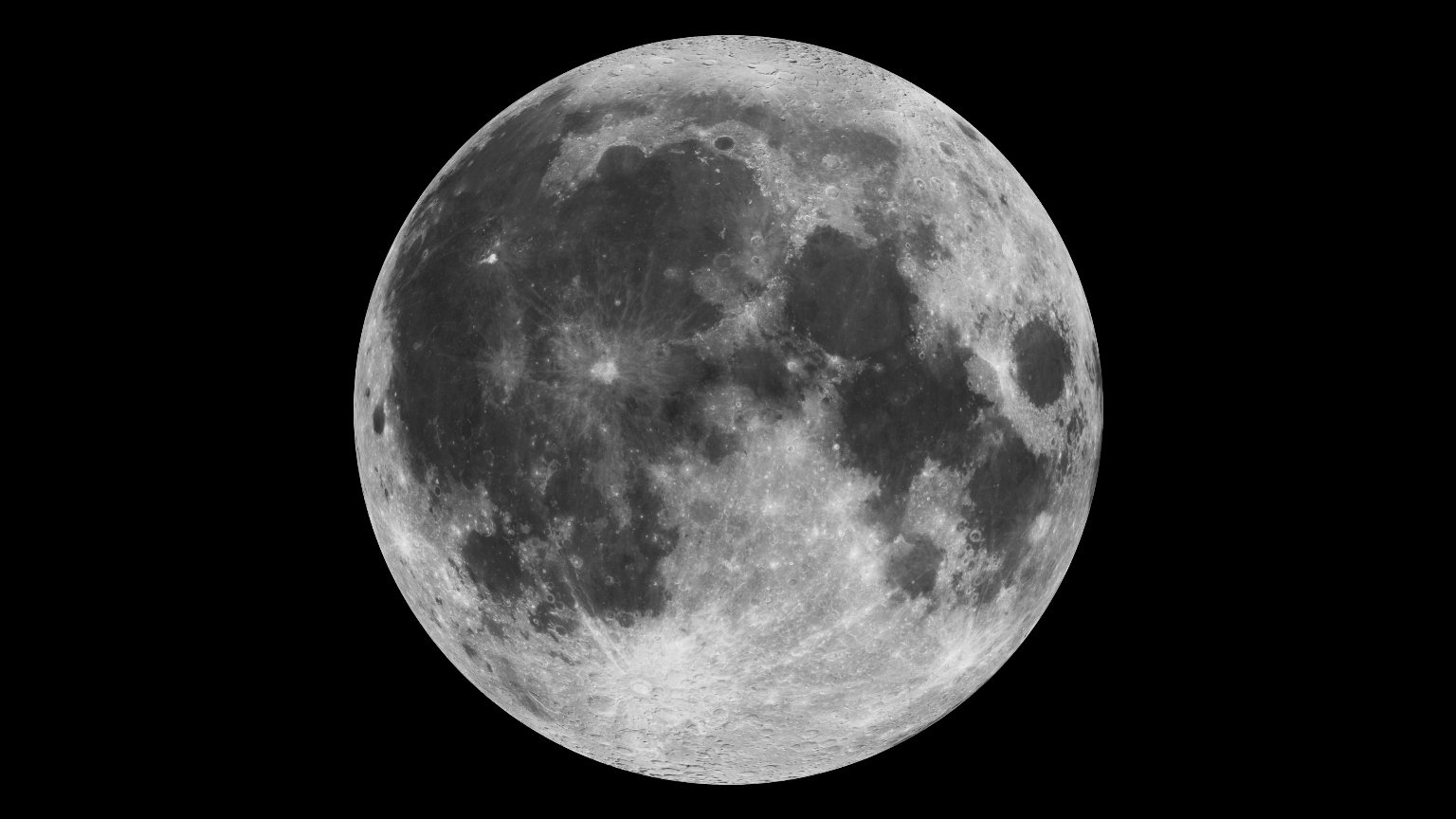
The Moon — NASA/Clementine reference

The Moon — NASA/Clementine Reference

At 26–65×: craters, mountain ranges, and the terminator in crisp detail. The Moon is one of the best targets for the DX 130AZ. Credit: NASA/Clementine.

Orion Nebula M42 — NASA/Hubble reference

Orion Nebula (M42) — NASA/Hubble Reference

At 26–65×: bright core with visible nebulosity, Trapezium stars resolved. The fast f/5 ratio gathers light efficiently. Credit: NASA/ESA/Hubble.

About these images: NASA/ESA reference images — they are not eyepiece views through the DX 130AZ. The captions describe what is actually visible with a 130mm aperture.

Who Should Buy the StarSense DX 130AZ?

Ideal Buyer ✓

  • ✓ Beginners who want guided object finding without GoTo cost
  • ✓ Tech-savvy users comfortable with smartphone apps
  • ✓ Those wanting 130mm aperture with minimal setup friction
  • ✓ Families with children aged 12+

Consider Alternatives ⚠

  • ⚠ Pure manual budget — Heritage 130P gives same aperture for less
  • ⚠ Motorized GoTo needed — NexStar 4SE or 6SE track automatically
  • ⚠ No smartphone at the telescope — the app is required for StarSense
  • ⚠ Astrophotography focus — need equatorial mount for long exposures

Not Recommended For ✗

  • ✗ Those wanting fully automated GoTo tracking
  • ✗ Users without a compatible smartphone
  • ✗ Long-exposure deep-sky astrophotography
  • ✗ Very budget-limited buyers — the Heritage 130P offers more aperture value

Ready to Buy the StarSense DX 130AZ?

Celestron StarSense Explorer DX 130AZ telescope

$439.99

Live price from Amazon

Affiliate link — we may earn a small commission at no extra cost to you.

StarSense Experience & Optical Performance

Setup is straightforward: mount assembly, app onboarding, quick calibration, then guided push-to arrows. You avoid motor alignment routines while still finding targets quickly.

Strong points

  • Fast learning curve for first-time observers
  • 130mm aperture gives meaningful planet and DSO reach
  • No battery dependency for mount movement

Limits

  • Manual tracking at higher power takes practice
  • Reflector tube still benefits from collimation checks
  • Not the same as motorized tracking for imaging

Best Alternatives

Sky-Watcher Heritage 130P telescope

Sky-Watcher Heritage 130P

Manual value-first alternative.

Better aperture-per-dollar if you are comfortable learning manual navigation.

View on Amazon →
Celestron NexStar 4SE telescope

Celestron NexStar 4SE

Motorized GoTo step-up.

Choose this when motorized tracking and push-button slewing matter more than raw aperture at this budget tier.

View on Amazon →

FAQ

Is the DX 130AZ fully GoTo?
No. It is guided push-to. The app shows where to move the telescope, but the mount does not motor-slew on its own.
Can beginners use this without astronomy experience?
Yes. The StarSense workflow dramatically lowers the difficulty of finding first targets.
Does a 130mm reflector need collimation?
Periodic checks are recommended, especially after transport. Keeping collimation in shape protects contrast and sharpness.