

Quick Answer: What to Do If Eclipse Glasses Are Sold Out
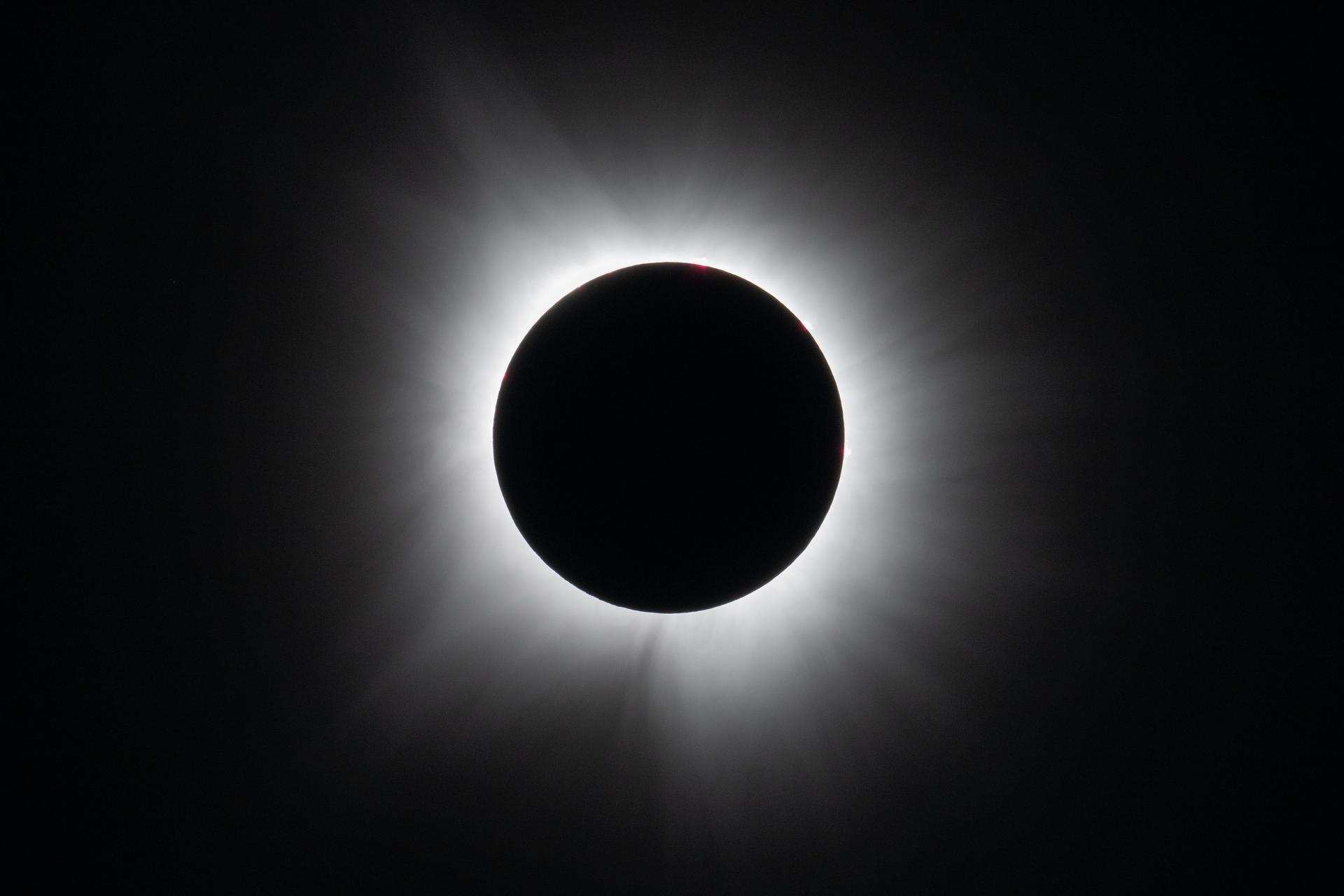
Your best alternative is a pair of ISO-certified solar binoculars. Celestron's EclipSmart 10×25 solar binoculars are currently still in stock as of early July 2026, and they serve double duty — you can use them for the eclipse and for general daytime birdwatching or nature observation afterward. Unlike eclipse glasses, solar binoculars provide magnification, so you will see a larger image of the partially eclipsed Sun and, during totality, a more detailed view of the corona and prominences.
If solar binoculars are too expensive or also sold out: Use the pinhole projection method, which costs nothing and is completely safe. A simple pinhole in a piece of cardboard projects an image of the eclipse onto a white surface. During the partial phases, you will see the crescent shape of the Sun projected clearly. A kitchen colander produces dozens of overlapping crescent images — a crowd-pleasing effect.
If you want to watch the eclipse in real time with expert commentary: Free livestreams from NASA, Time and Date, and ESA offer multi-camera coverage that often shows more detail than you can see with the naked eye — including solar prominences and the corona's fine structure. These streams are available on any device with an internet connection and do not require any special equipment.
⚠️ Never use improvised filters. Regular sunglasses, smoked glass, exposed film, polarized filters, CDs, DVDs, or any household items are NOT safe for looking at the Sun. Only ISO 12312-2 certified products, shade-14 welding glass, or projection methods are safe.


