
How to Align Finder Scope (2026): Daylight + Night Verification
Telescope Advisor Logo Telescope Advisor
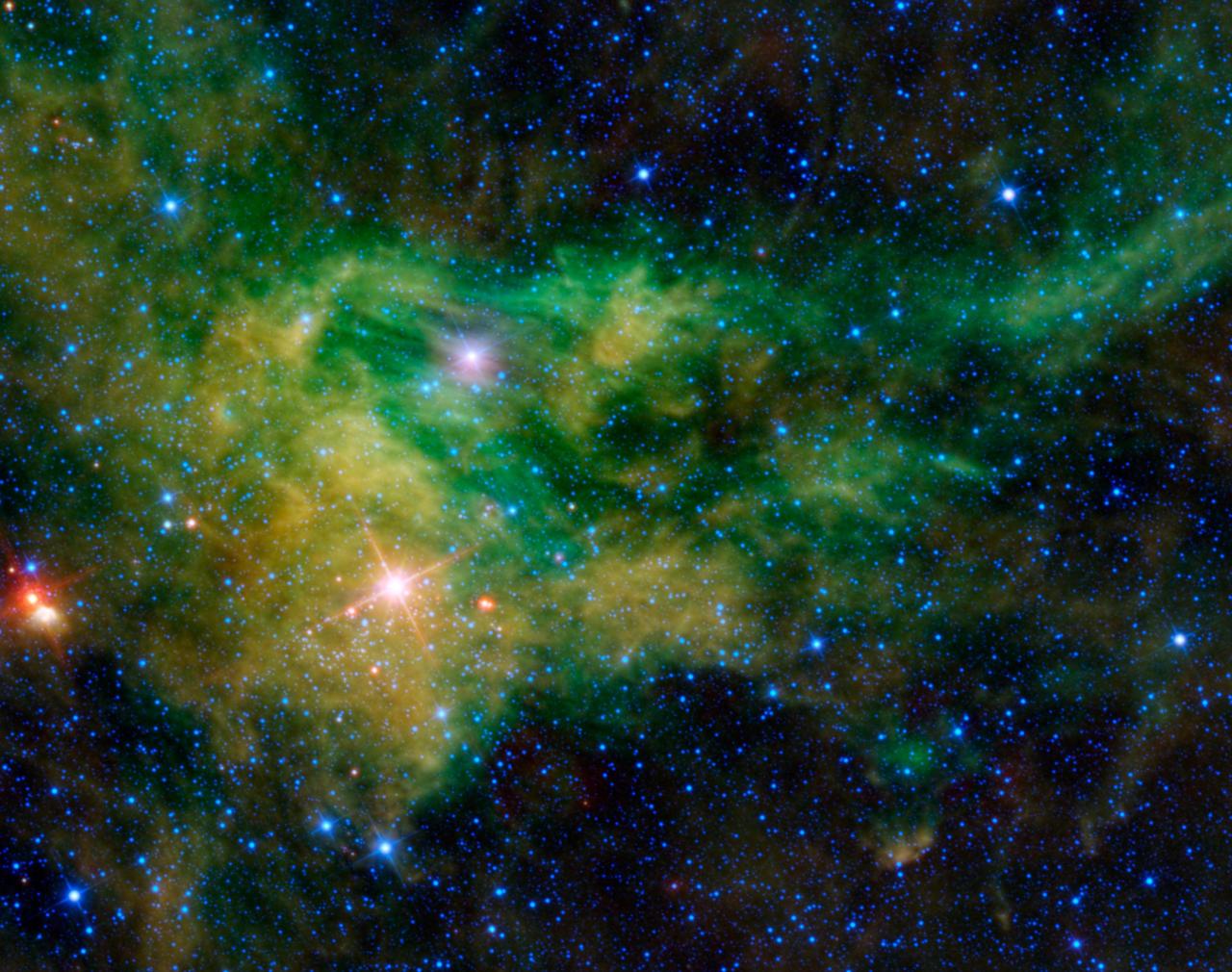
Star field used for finder alignment

Troubleshooting Guide

How to Align Finder Scope

If objects appear in your finder but not in the eyepiece, alignment drift is the likely cause. This guide gives you the exact daylight setup plus a 2-minute night verification so your finder and scope stay synchronized.

By Telescope Advisor Editorial Team Published: Updated: Editorial Standards

Quick Answer

Align the finder in daylight first using a distant fixed object, then verify on a bright star at night. Always use your lowest-power eyepiece while aligning. Tighten screws in small increments so you move the finder without overshooting.

Daylight Alignment Workflow

  1. Insert your longest focal-length eyepiece (20-25mm).
  2. Pick a distant non-moving target (pole top, antenna, far rooftop).
  3. Center target in main eyepiece and lock mount movement.
  4. Adjust finder screws until the same target is centered in finder.
  5. Recheck main eyepiece center after each screw adjustment.

Night Verification (2 Minutes)

Use a bright star near zenith. Center it in the eyepiece first, then confirm it sits on finder center. Make tiny screw corrections only. This step compensates for mechanical flex and real observing orientation.

Common Alignment Mistakes

Using high power while aligning

Narrow field makes centering errors look worse than they are.

Adjusting all screws at once

Creates oscillation and repeated overshoot.

Target too close

Nearby objects exaggerate parallax mismatch.

Skipping night confirmation

Daylight-only alignment can still miss real sky targets.

FAQ

How often should I realign the finder?
Check quickly at each observing session, especially after transport.

Should I align on the Moon?
You can, but a distant daylight object plus a bright star verification is more reliable.

Why does alignment drift after moving the mount?
Mechanical flex, screw tension imbalance, or loose finder bracket screws are common causes.

Red dot finder or optical finder for beginners?
Red dots are faster to learn; optical finders help in light-polluted skies with faint targets.