
Strawberry Moon June 2026: Exact Peak Time by US Time Zone and Telescope Guide
Telescope Advisor Logo Telescope Advisor
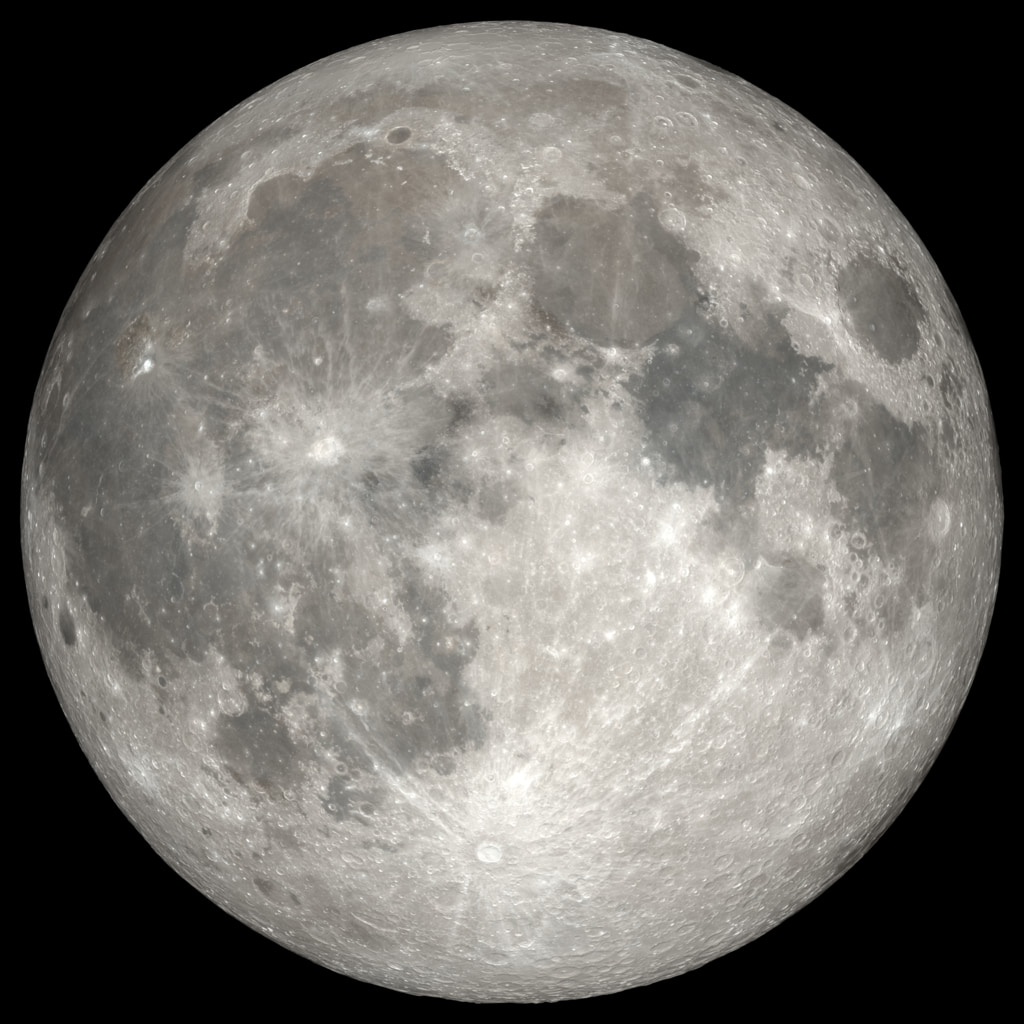
Full Moon global view based on NASA lunar imagery

Sky Event Guide · June 2026

Strawberry Moon June 2026:
Exact US Peak Times, Best Viewing Hours, and Telescope Plan

The June full Moon reaches peak illumination on June 29, 2026 for US observers. This guide gives exact time-zone conversions, the best local viewing window, and what you can realistically see with binoculars versus a telescope.

Jun 29

US Date

11:56 PM UTC

Peak Instant

Micro Full Moon

Near Apogee

Moonrise to 11 PM

Best Window

By Telescope Advisor Editorial Team Published: Updated: Editorial Standards

Quick Answer

The Strawberry Moon peaks at 11:56 PM UTC on June 29, 2026. In the US, that is the evening of June 29: 7:56 PM ET, 6:56 PM CT, 5:56 PM MT, and 4:56 PM PT. For visual observing, the best experience is usually moonrise through late evening local time when the Moon is bright, low, and visually dramatic.

The "Strawberry" name is seasonal, not color-based. The Moon will usually appear its normal golden-white, except for natural horizon color effects near moonrise.

🔭

Not sure which telescope actually fits your goals?

Answer 5 quick questions about your budget, observing targets, and experience level — our Telescope Finder Tool recommends a specific model in under 2 minutes.

Find My Telescope →

Exact Peak Time by US Time Zone

Astronomical full Moon is an instant in time. For June 2026, the full Moon instant is June 29, 2026 at 11:56 PM UTC. US conversions:

Time Zone Local Time Local Date
ET7:56 PMJune 29, 2026
CT6:56 PMJune 29, 2026
MT5:56 PMJune 29, 2026
PT4:56 PMJune 29, 2026
AKDT3:56 PMJune 29, 2026
HST1:56 PMJune 29, 2026

Time conversions are based on the June 2026 full-moon instant (11:56 PM UTC).

Best Viewing Window on June 29

For most people, the best viewing is not exactly at the peak instant but from moonrise through late evening on June 29. Near moonrise, the Moon can appear larger because of the moon illusion and often shows warmer horizon color.

  • Start 15 to 30 minutes after local moonrise for skyline photos.
  • Use binoculars while the Moon is still low for full-disk framing.
  • Switch to telescope viewing when the Moon climbs higher and local haze drops.
  • If seeing is unstable, stay at lower magnification for sharper detail.

What You Can See: Eyes vs Binoculars vs Telescope

Naked Eye

Large bright Moon, strongest visual impact near moonrise, easy horizon photography.

Binoculars (10x50 or 15x70)

Major maria, Tycho ray system, and clear crater contrast while keeping the whole disk in view.

Telescope

Richer crater detail and ray textures. Use a Moon filter for comfort and better contrast.

Best Gear for This Full Moon

You do not need expensive equipment for a great Strawberry Moon session. Prioritize wide field, fast setup, and steady support.

Celestron UpClose 10x50 binoculars

Celestron UpClose 10x50

Best low-cost starter option for moonrise viewing and full-disk detail.

Editor's Pick
Celestron SkyMaster 15x70 binoculars

Celestron SkyMaster 15x70

Best detail-per-dollar for a bright full Moon without moving to a telescope mount workflow.

Celestron Travel Scope 70 telescope

Celestron Travel Scope 70

Portable telescope option for crater and ray structure at moderate magnification.

If you want one all-round setup for this event, start with 15x70 binoculars and add a tripod adapter for comfort. For telescope users, keep magnification conservative in poor seeing and use a Moon filter. Current price on Amazon →

Simple Moon Photo Plan (Phone or Camera)

  1. Scout a foreground object (tree line, skyline, tower) one day early.
  2. Arrive 20 minutes before moonrise and lock composition first.
  3. Use lower ISO and faster shutter than you expect; the Moon is bright.
  4. Bracket exposures to preserve lunar detail and foreground silhouette options.

Strawberry Moon 2026 FAQ

Why is it called Strawberry Moon?+
It is a seasonal June full-Moon name from traditional naming systems tied to summer harvest timing. It does not mean the Moon turns red or pink.
Will the Moon look red or pink?+
Usually no. Near horizon you may see warm yellow or orange tones from atmospheric scattering, but the Moon is typically its normal bright tone.
What is the best magnification for this event?+
For full-disk framing, stay low power. For crater detail, moderate magnification is usually sharper than pushing high power in unstable seeing.
Is June 2026 also a micro full Moon?+
Yes. The June full Moon occurs near apogee, so it is slightly smaller in apparent size than average.