
What Can You See With an 80mm Telescope? Realistic 2026 Guide
Telescope Advisor Logo Telescope Advisor
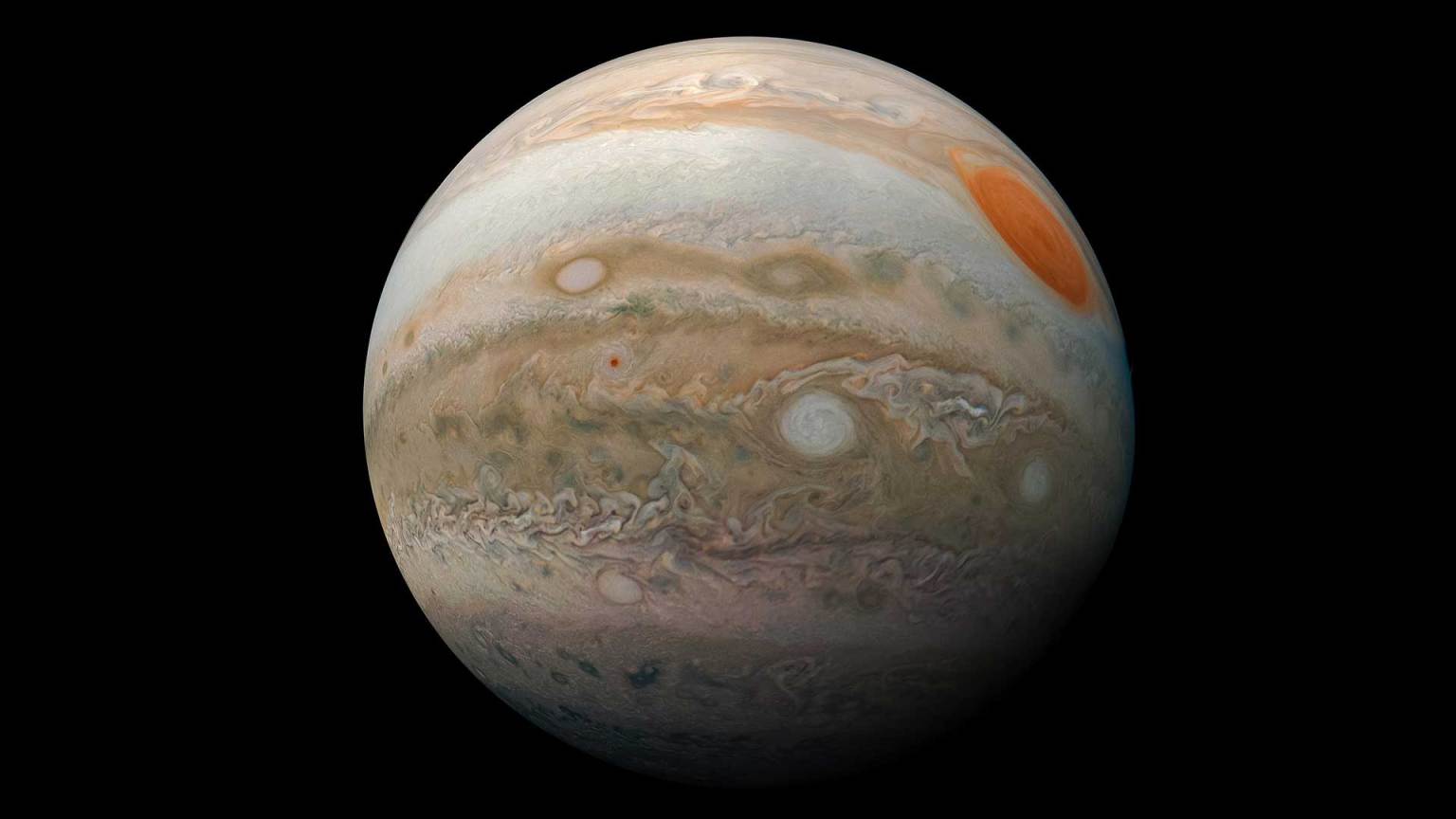
Jupiter reference image from NASA

Aperture Guide - 80mm Refractor

What Can You See With an 80mm Telescope?

This page gives realistic expectations for Moon, planets, bright deep sky, and limits you should plan around so your first sessions are productive and not frustrating.

80mm

Aperture

160x

Practical power ceiling

Moon

Best first target

Planets

Saturn + Jupiter wins

By Telescope Advisor Editorial Team Published: Updated: Editorial Standards

Quick Answer

An 80 mm telescope can deliver genuinely rewarding views when you match targets to conditions. You can expect strong lunar detail, recognizable planetary structure, and a growing deep-sky list as your observing technique improves. The biggest mistake is expecting social-media color and contrast from eyepiece viewing. Real visual astronomy is subtler, but it is still impressive and highly repeatable.

For practical results, run most sessions in low-to-medium magnification bands and reserve higher power for steady-air nights. This keeps the image bright, sharp, and easier to interpret. In beginner workflows, consistency beats maximum magnification almost every time.

What You Can See by Sky Quality

City (Bortle 8-9)

You can still have excellent sessions if you focus on bright targets and stable setup habits.

Suburban (Bortle 5-7)

This is where an 80 mm class scope starts to feel versatile instead of limited.

Dark Sky (Bortle 2-4)

A dark-site trip can outperform dozens of city sessions on faint objects.

Magnification Strategy for 80 mm

Use a three-band system for faster decision-making. Low power is for target finding and wide framing. Medium power is the core work band for most objects. Higher power is only for nights with steady atmosphere and precise focus. If detail drops when you increase power, step back immediately. The best useful magnification is the highest level that still improves detail, not the biggest number printed on the eyepiece box.

  • Low power: wide clusters, initial framing, and finder-to-eyepiece transitions.
  • Medium power: Jupiter belts, Saturn ring shape, lunar relief, and globular structure hints.
  • Higher power: targeted lunar/planetary inspection during favorable seeing windows.

Frequently Asked Questions

Is an 80 mm telescope enough for planets?
Yes. You can get real planetary detail when seeing is decent and magnification is matched to conditions.
Can I see galaxies with this aperture?
Bright galaxy cores are possible, especially outside bright city skies. Dark sky dramatically improves outcomes.
What is the biggest beginner mistake?
Using too much magnification too early. A sharp medium-power view beats a blurry oversized view every time.

Advanced Field Notes: Long-Form Strategy for 80 mm telescope observing

This extended section gives a practical, repeatable framework designed for reader-first results. It is intentionally detailed so you can return to it before each observing night and use it as a session blueprint, not just a one-time read.

This 80mm playbook balances planetary detail and brighter deep-sky structure. It helps you decide quickly when to stay on planets versus when to pivot to clusters/nebulae.

Session Step Primary Action Why It Helps
1. Target orderRun Moon/Jupiter first, then Saturn, then M13/M42 style targets.Builds confidence and keeps session pacing stable.
2. Magnification bandUse medium power as default; test higher power for planets only in steady seeing.Prevents over-magnification and protects contrast.
3. Verification loopCheck belt/ring detail at two powers to confirm real structure.Reduces false positives and improves repeatability.
4. Condition pivotIf stars bloat, move to lower-power nebula/cluster framing.Saves sessions when sky quality changes unexpectedly.
5. End-of-session logLog best deep-sky contrast gain and the highest useful planetary power.Creates a practical baseline for the next observing night.

Before Session

Pick one easy target, one medium target, one stretch target.

During Session

If detail drops, step down power and verify the same feature twice.

After Session

Record best detail, best magnification, and one improvement note.

Condition Primary Move Fallback Move
Steady seeing, average transparencyPrioritize detail extraction at medium powerDrop one power step to recover contrast
Poor seeing, clear skyShift to lower-power structure targetsRun cluster and wide-field object set
Bright urban skyUse high-surface-brightness object listPivot to Moon/planetary training session
Dark-sky windowAttempt stretch targets after adaptationReturn to known objects for confirmation