
Best Eclipse Glasses 2026: ISO 12312-2 Certified Solar Viewing Guide | Telescope Advisor
Telescope Advisor Logo Telescope Advisor
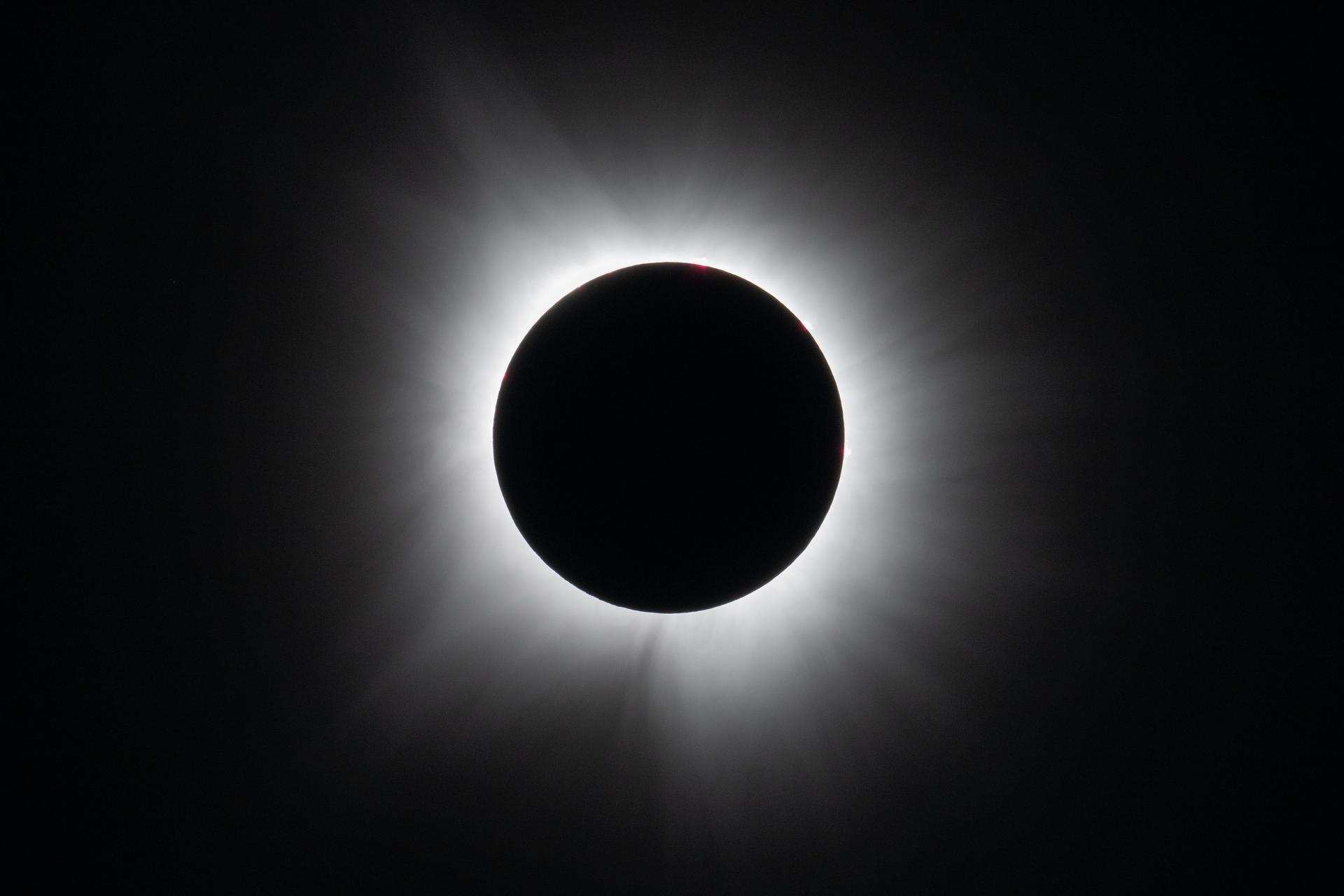
Total solar eclipse showing the Sun's corona — the view that makes proper ISO-certified eclipse glasses essential for safe viewing on August 12, 2026

Buying Guide · Eclipse 2026

Best Eclipse Glasses 2026: ISO 12312-2 Certified Solar Viewing Guide

The August 12, 2026 total solar eclipse is the most anticipated astronomical event of the year. Whether you are in the path of totality across Spain or watching a deep partial eclipse from the UK or US, the first question is always the same: what do I need to look at the Sun safely? This guide covers every ISO 12312-2 certified option — from inexpensive eclipse glasses to telescope solar filters and dedicated solar binoculars.

Safety StandardISO 12312-2
Price Range$1 – $120
Best For EyesEclipse glasses
Best For ScopesSolar filters
By Telescope Advisor Editorial Team Published: Updated: Editorial Standards

Never Look at the Sun Without ISO 12312-2 Protection

Regular sunglasses, smoked glass, exposed film, polarizing filters, and neutral density filters provide zero protection against infrared and ultraviolet radiation. They will cause permanent retinal damage without any sensation of pain. The only safe way to view the Sun directly is with ISO 12312-2 certified eclipse glasses or a telescope solar filter that meets the same standard. The exception is during the brief seconds of totality — when the Moon completely blocks the Sun's photosphere — at which point it is safe to remove protection and view the corona with your naked eyes.

Quick Answer: What Eclipse Glasses Should I Buy in 2026?

Buy ISO 12312-2 certified eclipse glasses from a reputable brand. For most people, a 5-pack or 12-pack of Helioclipse or Lunt Solar eclipse glasses is the best value — they cost $1–$3 per pair, are certified to the international safety standard, and give you extras for family or friends. If you plan to use binoculars or a telescope, you need a solar filter that mounts over the front of the optics (never an eyepiece filter). This guide covers all three categories: glasses for naked-eye viewing, solar filters for telescopes, and dedicated solar binoculars.

Stock is already selling ahead of the August 12 eclipse — especially in Spain and Iceland where totality is visible. Order early. We update stock availability weekly from mid-July, and this page will carry real-time shortage alerts as the eclipse approaches.

What Is ISO 12312-2 and Why Does It Matter?

ISO 12312-2 is the international safety standard for filters for direct observation of the Sun. It was developed by the International Organization for Standardization (ISO) and adopted by the American Astronomical Society (AAS) as the benchmark for safe solar viewing. Products that meet this standard reduce visible light to a safe level (0.0032% transmission or less) and block 100% of ultraviolet and infrared radiation.

When you buy eclipse glasses or solar filters marked ISO 12312-2, you can trust that they have been tested to meet these requirements. Reputable manufacturers also list the ISO certification number on the product and include a genuine ISO 12312-2 marking on each pair of glasses. The American Astronomical Society maintains a list of verified safe solar viewing products on their website (aas.org/solar-eclipse-safety). We reference this list for every product recommendation below.

Importantly, the ISO standard covers both eclipse glasses and telescope solar filters. Any product that mounts over the front of a telescope objective (full-aperture filter) is also tested to ISO 12312-2 if it is marketed as safe for solar viewing. Never use eyepiece filters — these screw into the eyepiece barrel and can crack from concentrated heat, causing instant eye damage.

Best Eclipse Glasses 2026 — Top Picks

Editor's Pick — Best Eclipse Glasses 2026
Helioclipse 12-pack ISO 12312-2 certified solar eclipse glasses

Helioclipse Solar Eclipse Glasses (12-Pack)

ISO 12312-2 certified 12 pairs CE certified Bonus phone filter

The Helioclipse 12-pack is our top recommendation for most viewers. Each pair is independently tested to the ISO 12312-2 safety standard and CE certified for the European market — making them the safest choice whether you are watching from Spain, the UK, or the US. The pack includes 12 pairs, enough for the whole family or to share with friends at an eclipse viewing party. The bonus phone filter lets you capture the partial phases safely through your smartphone camera. At roughly $1.50 per pair, they offer exceptional value for the August 12 eclipse. Best of all, the Helioclipse design uses a scratch-resistant black polymer that blocks all ultraviolet and infrared radiation while transmitting only 0.0003% of visible light — well within the ISO standard's requirements. The glasses are comfortable enough to wear for the full 2-3 hour duration of the partial phases before and after totality.

Check Price on Amazon

Affiliate link.

Lunt Solar Systems ISO 12312-2 certified eclipse glasses 5-pack

Lunt Solar Eclipse Glasses (5-Pack)

ISO 12312-2 5 pairs CE certified

Lunt Solar Systems is one of the most trusted names in solar observing equipment. Their eclipse glasses are manufactured to the same quality standards as their professional solar telescopes. The 5-pack is ideal for smaller families or as a backup pair to keep in your eclipse travel kit. Each pair is individually sealed in a protective sleeve and certified to both ISO 12312-2 and CE standards. Lunt glasses have a slightly wider frame than the Helioclipse, making them more comfortable for adults with larger faces, and the lenses produce a natural orange-tinted view of the Sun. If you already own a Lunt solar telescope, buying their eclipse glasses ensures you are getting the same trusted optical engineering that goes into their dedicated H-alpha scopes.

Check Price on Amazon

Affiliate link.

Solar Filters for Telescopes

If you plan to view the eclipse through a telescope or binoculars, you must use a full-aperture solar filter that mounts over the front of the instrument. Never use eyepiece solar filters — these screw into the eyepiece barrel and can crack from the concentrated heat of the Sun focused by the objective lens or mirror, leading to instant and irreversible eye damage. A front-mounted solar filter reduces the Sun's light before it enters the telescope, keeping both your eyes and your equipment safe.

The Celestron EclipSmart range is the most widely available and tested line of solar filters for telescopes. They use Solar Safe filter material — a proprietary optical coating that blocks 99.999% of visible light and 100% of UV and IR radiation. The filters are ISO 12312-2 certified and come in sizes to fit everything from a 70mm refractor to an 8-inch Schmidt-Cassegrain. Below are our top picks by telescope type.

Editor's Pick — Best Solar Filter for Most Telescopes
Celestron EclipSmart Universal Solar Filter

Celestron EclipSmart Universal Solar Filter

ISO 12312-2 Universal fit Solar Safe material Fits 5"–8" scopes

The Celestron EclipSmart Universal Solar Filter is the most versatile option for telescope owners. It fits telescopes with objective diameters from 5 to 8 inches — covering the vast majority of Schmidt-Cassegrains (6SE, 8SE), Maksutovs (Skymax 127, C90), and large refractors. The filter uses an adjustable tension ring that grips the front cell of your telescope securely without tools. The Solar Safe filter material produces a bright, white-light solar image that shows sunspots and surface granulation in crisp detail. It attaches and detaches in seconds — critical during the August 12 eclipse when you need to remove the filter during totality and reattach it as soon as the Sun reappears. At approximately $60–$80, it is a fraction of the cost of a dedicated solar telescope and works with any scope you already own.

Check Price on Amazon

Affiliate link.

Celestron EclipSmart Solar Filter for 70mm telescopes

Celestron EclipSmart Solar Filter (70mm)

ISO 12312-2 Fits 70mm scopes AstroMaster 70AZ

Specifically designed for 70mm aperture telescopes — including the popular Celestron AstroMaster 70AZ and similar refractors — this filter provides a perfect, secure fit. The 70mm size is ideal for the millions of beginner telescopes in this aperture class. At approximately $30–$40, it is an affordable way to transform any 70mm scope into a capable solar observing instrument. The filter attaches via a tension ring that wraps around the telescope's dew shield.

Check Price on Amazon

Affiliate link.

Solar Binoculars for Eclipse Viewing

Solar binoculars are a unique category: they come with permanently mounted front solar filters built into the objective lenses. Unlike regular binoculars, which cannot be safely pointed at the Sun even with eyepiece filters, solar binoculars are engineered from the ground up for safe solar viewing. They offer a magnified view of the partial phases — showing sunspots and the Moon's slow progress across the Sun's disk — while keeping both eyes comfortable.

Celestron EclipSmart 10x25 solar binoculars

Celestron EclipSmart 10x25 Solar Binoculars

10x magnification Built-in solar filter Compact size ISO 12312-2

The 10x25 EclipSmart binoculars are the most portable solar viewing tool you can buy. At just 10 ounces, they fit in any daypack — perfect for travelers heading to Spain for totality. The 10x magnification provides a wide enough field of view to show the entire solar disk with room to spare, making it easy to track the Moon's shadow progression across the Sun's surface during partial phases. The built-in Solar Safe filters are permanently mounted — they cannot be removed, eliminating any risk of accidental unfiltered solar viewing. For eclipse travelers who want a step up from glasses but do not want to carry a telescope, these are the ideal compromise. They are also excellent for observing sunspots year-round after the eclipse.

Check Price on Amazon

Affiliate link.

Celestron EclipSmart 12x50 porro solar binoculars

Celestron EclipSmart 12x50 Solar Binoculars

12x magnification 50mm objectives Porro prism design ISO 12312-2

For viewers who want the most detailed unfiltered solar view possible through binoculars, the 12x50 EclipSmart is the answer. The larger 50mm objectives gather more light (before filtering) and provide a brighter, sharper image of the solar disk. At 12x magnification, granular features on the Sun's surface become visible — not just sunspots but also faculae (bright regions near the solar limb). The porro prism design offers better depth perception and a wider interpupillary range. These binoculars are heavier (about 24 ounces) and require a steady hold or a tripod adapter, but the image quality is noticeably superior to the 10x25 model. They are our top pick for dedicated solar observers who want a binocular that will serve them well beyond the August 12 eclipse.

Check Price on Amazon

Affiliate link.

How to Choose the Right Filter Size

Solar filters are sized by the diameter of your telescope's objective lens or mirror — not the eyepiece or focuser size. Here is a quick reference table for common telescope models:

Telescope Model Aperture Recommended Filter
Celestron AstroMaster 70AZ70mmEclipSmart 70mm Solar Filter
Celestron AstroMaster 130EQ130mmEclipSmart Universal (5"–8")
Sky-Watcher Heritage 130P130mmEclipSmart Universal (5"–8")
Sky-Watcher Classic 200P203mmEclipSmart Universal (5"–8")
Celestron NexStar 6SE150mmEclipSmart 94243 for 6" SCT
Celestron NexStar 8SE203mmEclipSmart Universal (5"–8")
Celestron NexStar 127SLT127mmEclipSmart Universal (5"–8")
Celestron Travel Scope 7070mmEclipSmart 70mm Solar Filter

If your telescope model is not listed, measure the outer diameter of your telescope's front cell or dew shield (not the glass diameter — measure the metal or plastic ring). Filter sizes are typically sold in 10mm increments. When in doubt, buy a filter one size larger than your objective and use the adjustable tension ring to secure it.

How to Spot Fake Eclipse Glasses

Every major eclipse brings a wave of counterfeit and uncertified eclipse glasses onto the market. These fakes may carry fake ISO marks and look convincing, but they do not provide safe protection. Here is how to verify your eclipse glasses are genuine:

  1. Check for the ISO 12312-2 marking. Genuine glasses have "ISO 12312-2" printed directly on them — not just on the packaging.
  2. Verify the manufacturer against the AAS list. The American Astronomical Society maintains a curated list of verified solar viewing products at aas.org/solar-eclipse-safety. If the brand is not on this list, do not use them.
  3. Test them indoors. Put the glasses on and look at a bright indoor light (LED bulb). You should barely see the light — it should appear as a very faint point. If you can clearly see the bulb shape or filament, the glasses are not dark enough.
  4. Look at the Sun briefly. On a sunny day, glance at the Sun through the glasses for less than a second. You should see a sharp, orange or white solar disk with no discomfort. If it feels too bright or you see afterimages, stop using them immediately.
  5. Inspect for scratches or damage. Even minor scratches can compromise the filter. Discard glasses with visible damage.

Our Guarantee

Every product recommended on this page is verified against the AAS list of safe solar viewing products. We do not recommend brands that cannot be independently verified. If you suspect a product on this page is counterfeit, please contact us and we will investigate immediately.

Where to Buy Eclipse Glasses 2026

As the August 12 eclipse approaches, stocking levels will fluctuate. Here are the best sources by region, with expected availability:

United States

Amazon.com has the widest selection and fastest shipping. Both Helioclipse and Lunt Solar glasses are available with Prime delivery. Celestron EclipSmart filters and binoculars are also readily stocked. Order by late July to ensure delivery before the eclipse. Local science museums and planetariums may also carry AAS-verified glasses.

United Kingdom & Europe

Amazon UK, Amazon DE, and Amazon FR carry most Celestron EclipSmart products for EU delivery. The Helioclipse 12-pack is available on Amazon UK with Prime. For Spain — the key totality destination — local electronics retailers and science centers in Bilbao, Zaragoza, and Valencia are expected to stock eclipse glasses from June onward. The Helioclipse brand is CE certified, which is the relevant safety standard for the European market.

Iceland

Reykjavik is one of the few capital cities in the path of totality. Local tourism boards and hotels are expected to provide eclipse glasses to visitors. However, supplies in Iceland will be limited — bring your own from Amazon before traveling to avoid disappointment.

Order Early Strategy

History repeats itself. During the 2017 and 2024 US eclipses, eclipse glasses sold out 2-3 weeks before the event, and prices on resale markets spiked 5x-10x. We strongly recommend ordering by July 15, 2026 — four weeks before the August 12 eclipse. This gives you time to verify the glasses are genuine and order a backup pair if needed.

🔭

Not sure which telescope actually fits your goals?

Answer 5 quick questions about your budget, observing targets, and experience level — our Telescope Finder Tool recommends a specific model in under 2 minutes.

Find My Telescope →

Frequently Asked Questions — Eclipse Glasses 2026

Are eclipse glasses safe for the August 12, 2026 solar eclipse?

Yes, if they meet the ISO 12312-2 international safety standard. All products recommended on this page are ISO 12312-2 certified and verified against the American Astronomical Society's list of safe solar viewing products. Never use glasses without this certification.

Can I use regular sunglasses instead of eclipse glasses?

No. Regular sunglasses — even very dark ones — provide zero protection against the Sun's infrared and ultraviolet radiation. They reduce visible light enough to make the Sun seem comfortable to look at, but the invisible radiation still reaches your retina and causes permanent damage. Only ISO 12312-2 certified eclipse glasses or telescope solar filters are safe.

When do I need to wear eclipse glasses during the August 12 eclipse?

You must wear ISO 12312-2 certified eclipse glasses during ALL partial phases — both before and after totality. The only time it is safe to remove them is during the brief period of totality (when the Sun is completely blocked by the Moon), which lasts up to 2 minutes 18 seconds near the Faroe Islands. As soon as the Sun begins to reappear, put your glasses back on.

Can I take photos of the eclipse with my phone while wearing glasses?

Holding eclipse glasses in front of your phone camera can work, but the results are often blurry and the phone lens may introduce reflections. The Helioclipse 12-pack includes a dedicated phone filter that attaches directly over your phone's camera lens for clean, safe smartphone photography. For better results, use a DSLR with a solar filter on the lens.

Do I need a solar filter for binoculars or just for telescopes?

You need solar protection for both. Regular binoculars concentrate the Sun's heat just like telescopes — they can damage your eyes and the binoculars themselves. Use either dedicated solar binoculars (which have built-in front filters like the Celestron EclipSmart models) or full-aperture screw-on solar filters for your binocular objectives. Never use eyepiece filters on binoculars.

When should I buy eclipse glasses for the 2026 eclipse?

Order by July 15, 2026 at the latest. During previous US eclipses (2017 and 2024), glasses sold out 2-3 weeks before the event, with prices spiking dramatically on secondary markets. Ordering early ensures you receive genuine, certified products with time to verify them before eclipse day.

What is the difference between ISO 12312-2 and CE certification?

ISO 12312-2 is the international safety standard for solar viewing filters. CE certification means the product meets European Union safety requirements. Both are rigorous and independently tested. Products with either marking are safe for solar viewing. The Helioclipse glasses carry both certifications, making them suitable for use worldwide.