Where Totality Runs in Europe and Why Positioning Matters
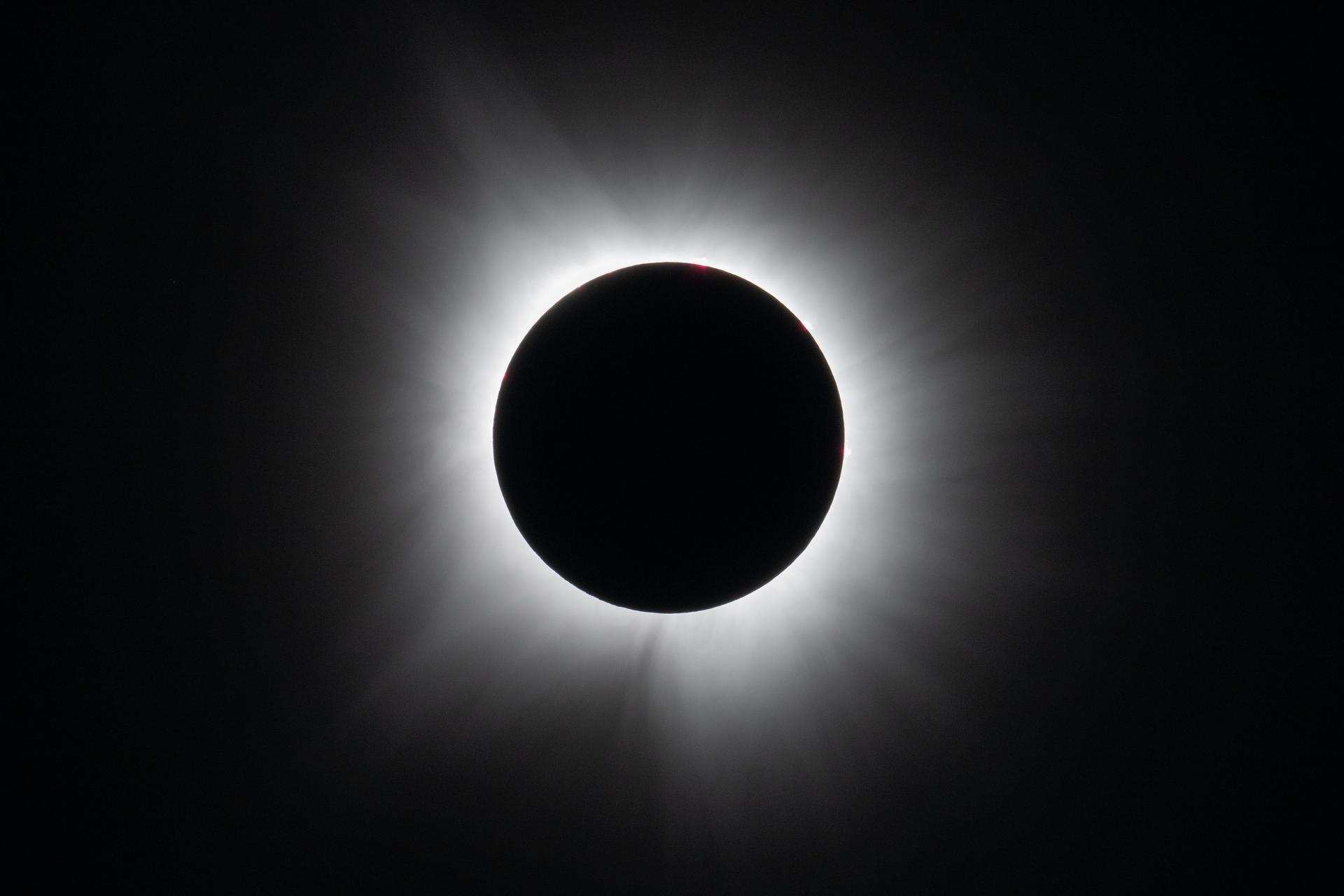
For this eclipse, Europe is not a single observing environment. Spain, the Atlantic corridor, and Iceland each create different tradeoffs in cloud risk, transport flexibility, and horizon quality. Spain usually offers stronger road access and larger observer infrastructure, including amateur clubs, public information support, and event logistics that can help if weather turns uncertain. Iceland can produce astonishing eclipse photography outcomes, but weather volatility can be punishing. If you are traveling specifically for first-contact through fourth-contact continuity, Spain is often the safer first attempt while Iceland suits observers comfortable with rapid adaptation and uncertain outcomes.
In practical terms, your location decision should be made in layers. First layer: macro weather trend seven to ten days out. Second layer: transport and route flexibility forty-eight hours out. Third layer: final cloud hole strategy on the morning of the eclipse. Most experienced teams lock accommodation with cancellation logic and then drive toward the most promising corridor after sunrise. If you cannot drive, choose accommodation with open western and southern sky access, low local obstruction, and a backup rooftop or open field alternative. Urban plazas can work, but building edges and crowd flow can reduce your ability to track partial phases calmly.
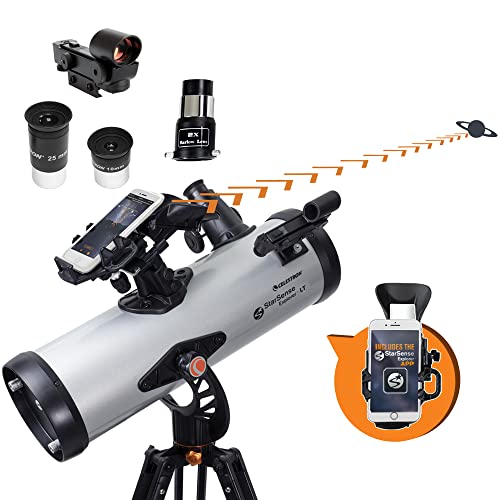
Totality is brief but preparation is long. A successful observing day starts with pre-sorted equipment and a timed rehearsal. Run the sequence at least twice before travel: filter on, test framing, note focus mark, capture partial phase, remove filter only at totality if safe and only when Sun is fully covered, reattach filter before totality ends. If this sounds procedural, that is because procedural observers have the highest success rate and the lowest stress level in the final ten minutes.