Best European Dark Sky Parks & Stargazing Locations 2026 | Telescope Advisor
Telescope Advisor Logo Telescope Advisor
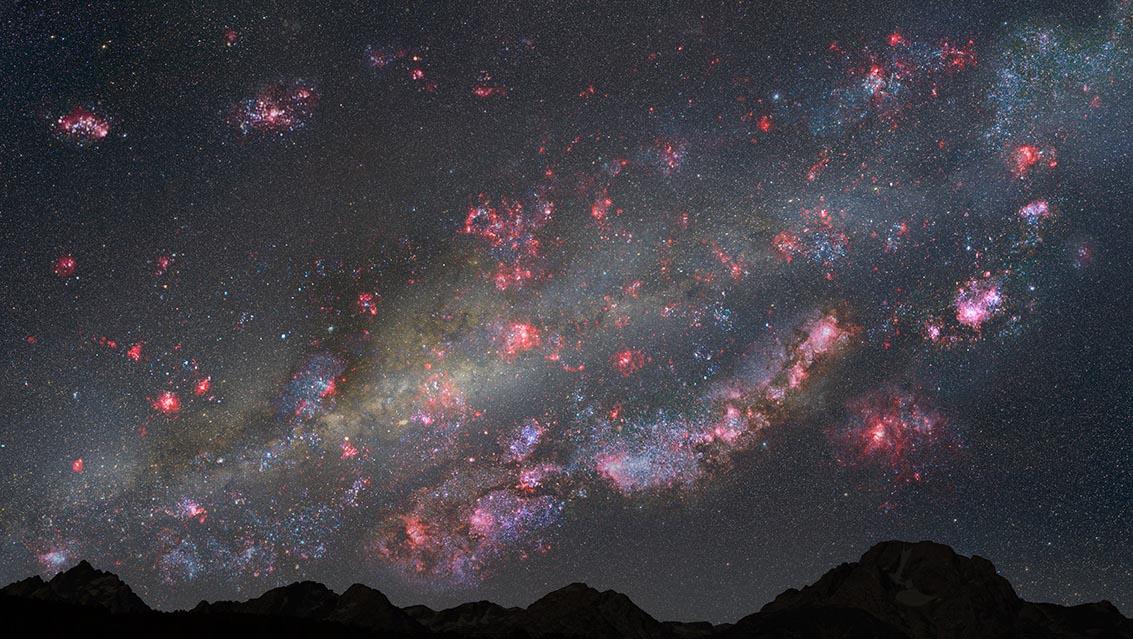
Milky Way Galactic Core over a dark landscape representing European dark sky parks

Travel Guide · 2026

Best European Dark Sky Parks & Stargazing Locations 2026

Europe is home to some of the world's finest dark-sky preserves — from the ancient oak forests of England to the high alpine passes of Switzerland. Here is your country-by-country guide to the best stargazing locations, with travel tips and recommended gear for each destination.

Dark sky parks15+ across Europe
Best monthsJune – September
Top pickExmoor · UK 🇬🇧
Darkest skiesWesthavelland 🇩🇪
By Telescope Advisor Editorial Team Published: Updated: Editorial Standards

Quick Answer: Where Are the Best Places to Stargaze in Europe?

Europe has over 30 designated International Dark Sky Parks, Reserves, and Sanctuaries. The best for most visitors are Exmoor National Park in England (easy access, excellent public transport links), Westhavelland Nature Park in Germany (Europe's largest dark sky reserve, 90 minutes from Berlin), and Pic du Midi in the French Pyrenees (a mountaintop observatory open to visitors). For the absolute darkest skies in continental Europe, head to the Parc National des Cévennes in France or the Zselic Starry Sky Park in Hungary. This guide covers the top locations in each region with practical travel advice.

Why Visit a Dark Sky Park?

A dark sky park is a designated area with restricted light pollution, offering skies that are significantly darker than typical urban or suburban locations. The International Dark-Sky Association (IDA) certifies parks at three levels: Gold Tier (Bortle Class 1–2, the very best), Silver Tier (Bortle Class 3), and Bronze Tier (Bortle Class 4). The difference between a Bortle Class 5 sky (typical suburb) and a Bortle Class 2 sky (dark park) is extraordinary. At a Class 2 sky, the Milky Way is bright enough to cast shadows on the ground. The zodiacal light is visible after sunset. The Andromeda Galaxy is obvious to the naked eye. The number of visible stars increases from approximately 200 (Class 5) to over 6,000 (Class 2). Many European dark sky parks also offer accommodation, guided tours, telescope rental, and astronomy workshops — making them ideal for beginners who want to experience the night sky without investing in equipment immediately.

United Kingdom — Dark Sky Parks

Exmoor National Park (Somerset/Devon) was Europe's first International Dark Sky Reserve and remains one of the best. The park offers accessible viewing points at Webber's Post and Holdstone Hill, with Bortle Class 3 skies. The park runs regular dark-sky festivals and guided stargazing events. Accommodation ranges from campsites to luxury hotels.

Bannau Brycheiniog (Brecon Beacons) in Wales is another Gold Tier Dark Sky Reserve. The Usk Reservoir and Llyn y Fan Fach offer outstanding views of the Milky Way. The park's elevation (up to 886m) means excellent atmospheric transparency. Welsh mountain weather is changeable — check forecasts carefully and be prepared for sudden cloud. Summer access is straightforward with most roads open.

Northumberland Dark Sky Park (including Kielder Water and Forest Park) is England's largest and darkest. Kielder Observatory offers regular public sessions. The forest setting provides sheltered viewing even on breezy nights. Bortle Class 2–3 skies on clear nights. Accommodation: book a dark-sky-friendly cottage through Kielder's website.

Galloway Forest Park in Scotland was the UK's first Dark Sky Park. The Scottish latitude provides long summer twilights and occasional aurora borealis sightings from September onward. The park has three dedicated observing areas with paved parking and information panels.

For more UK locations including astronomy club dark-sky sites, see our astronomy club directory.

Germany — Dark Sky Parks

Westhavelland Nature Park (Brandenburg, 90 minutes from Berlin) is Germany's largest dark sky reserve and one of the best in Europe. The flat, open landscape provides panoramic views of the entire sky. Bortle Class 2 skies on the best nights. The park runs regular "Sternenwochen" (star weeks) with guided observing. Accessible by train from Berlin.

Nationalpark Eifel (North Rhine-Westphalia) is a Dark Sky Park with excellent public infrastructure. The park's high elevation and distance from major cities provide Bortle Class 3 skies. The Eifel National Park Centre offers astronomy programmes in German and English.

Rhön Biosphere Reserve (Bavaria/Hesse/Thuringia) is a UNESCO Rhön Biosphere Reserve with dark-sky certification. The high plateau (Wasserkuppe, 950m) offers exceptional skies. The Rhön has a strong astronomy tourism infrastructure with designated "Sternenparks" and guided night hikes.

Fulda Gap / Vogelsberg — Less formal but still excellent dark-sky locations include the Vogelsberg region in Hesse and the Fulda Gap area. These are popular with local astronomy clubs and offer Bortle Class 3–4 skies without the crowds of designated parks.

France — Dark Sky Parks

Pic du Midi de Bigorre in the French Pyrenees is one of the world's most famous observatory sites. The cable car takes visitors to 2,877m, where a museum, telescope, and overnight accommodation are available. The daytime views are spectacular, and the night skies are among the clearest in Europe. Advance booking is essential.

Parc National des Cévennes is an International Dark Sky Reserve and one of the largest in Europe. The remote, mountainous terrain provides Bortle Class 2–3 skies. The park has a strong astro-tourism programme with "Rendez-vous aux étoiles" events throughout summer. Accessible from Montpellier and Nîmes, but a car is essential.

Alpes Azur Mercantour in the French Alps near the Italian border offers high-altitude dark skies. The Mercantour National Park has Bortle Class 2 skies above 2,000m. Summer conditions are stable with excellent transparency. Ideal for combining hiking with stargazing.

Réserve Internationale de Ciel Étoilé du Pic du Midi — France's first International Dark Sky Reserve, centred on the Pic du Midi observatory and covering a large area of the Pyrenees. The reserve has strict lighting regulations and offers organized stargazing nights throughout the summer.

🇵🇹 Portugal — Stargazing Locations

Alqueva Dark Sky Reserve in the Alentejo region of southern Portugal is one of the first Starlight Tourism destinations in the world. The region around the Alqueva reservoir has some of the lowest light pollution levels in Europe, with Bortle Class 1–2 skies. The Alqueva Dark Sky Route (Rota do Céu Escuro) connects several viewing points with telescope rental, accommodation, and guided tours available. Summer evenings are consistently clear and warm, making this an excellent destination for astro-tourism. The reserve is accessible from Lisbon (approximately 2 hours by car) and is also easily combined with a visit to Évora or the Algarve coast.

🇵🇹 Portugal — Stargazing Locations

Alqueva Dark Sky Reserve in the Alentejo region of southern Portugal is one of the first Starlight Tourism destinations in the world. The region around the Alqueva reservoir has some of the lowest light pollution levels in Europe, with Bortle Class 1–2 skies. Alqueva offers consistently clear summer skies and is easily accessible from Lisbon. The reserve features multiple viewing platforms with telescope rental and guided tours. This is one of the best locations in Europe for summer Milky Way photography due to the combination of dark skies, warm temperatures, and clear horizons.

Italy — Stargazing Locations

Parco Nazionale del Gran Paradiso in the Italian Alps is Italy's oldest national park and offers excellent dark skies. Above 2,500m, the air is dry and transparent. The park has basic mountain refuges for overnight stays. Summer access via the Aosta Valley.

Parco Nazionale d'Abruzzo in central Italy offers dark skies with the advantage of warmer summer temperatures than the Alps. Bortle Class 3 skies. The park has extensive trail network and wildlife (including Marsican brown bears).

Osservatorio Astronomico di Campo Catino (Lazio) offers public observing sessions at 1,740m in the Apennines. The observatory has a museum and telescope tours. Located 90 minutes east of Rome.

Spain — Stargazing Locations

La Palma, Canary Islands is one of the world's foremost astronomical locations. The Roque de los Muchachos Observatory sits at 2,400m with some of the darkest skies on Earth. The island is a UNESCO Starlight Reserve. Summer months offer stable weather and spectacular Milky Way views. The moderate climate makes year-round observing possible.

Alqueva Dark Sky Reserve straddles the Portugal/Spain border near the Alqueva reservoir. The region has exceptional Bortle Class 1–2 skies and is one of the least light-polluted areas in Europe. The "Alqueva Dark Sky Route" offers designated observing points with telescope rental available.

Sierra Nevada in southern Spain offers high-altitude dark skies at 3,479m. The Sierra Nevada National Park has Bortle Class 2 skies. Summer evenings are clear and stable. The observatory at Loma de Dilar (Sierra Nevada Observatory) is sometimes open to the public.

Recommended Gear for Dark-Sky Travel

Travelling to a dark-sky park requires gear that is portable, easy to set up, and reliable. Here is what we recommend for European astro-travel.

Portable telescope: The Sky-Watcher Heritage 130P collapsible Dobsonian packs down to 48cm and fits in carry-on luggage. Its 130mm aperture delivers excellent deep-sky views. See our best telescopes for Europe guide for details.

Binoculars: 10×50 binoculars are the ideal dark-sky travel companion. Lightweight, no tripod needed, and perfect for scanning the Milky Way and star clusters.

Green laser pointer: Essential for pointing out constellations and objects to travel companions. European regulations require lasers below 5mW.

Red flashlight: Preserves night vision. Most astronomy stores sell purpose-made red flashlights, or you can cover a standard torch with red cellophane. Multiple brightness settings are useful — lower is better once your eyes are fully dark-adapted, which takes about 20–30 minutes.

Star chart or app: Stellarium Mobile or SkySafari on a phone (with red night mode) is ideal for dark-sky navigation. See our Stellarium guide for tips.

Planning your trip: Check moon phase before booking — a full Moon washes out the Milky Way even at the darkest park. The week after new Moon is ideal. Book accommodation early for popular parks as they fill quickly for summer. Many parks offer astronomy-focused accommodation with pre-mounted telescopes in observatories.
🔭

Not sure which telescope actually fits your goals?

Answer 5 quick questions about your budget, observing targets, and experience level — our Telescope Finder Tool recommends a specific model in under 2 minutes.

Find My Telescope →

Frequently Asked Questions

What is the best dark sky park in Europe for beginners?

Exmoor National Park in England is the most accessible European dark sky park for first-time visitors, with good public transport links, accommodation options at all price points, and regular guided stargazing events.

Which European country has the darkest skies?

La Palma (Canary Islands, Spain) and the Alqueva region (Portugal/Spain) have some of the darkest measured skies in Europe, both designated as Starlight Reserves. In continental Europe, the Cévennes National Park in France and Westhavelland in Germany are among the darkest.

Do I need a telescope to enjoy a dark sky park?

No. The Milky Way is visible to the naked eye from any dark sky park. Binoculars reveal significantly more detail. A telescope is rewarding but not essential. Many parks offer telescope rental or have resident astronomers with telescopes available for public use.

When is the best time of year to visit European dark sky parks?

June through September offers the best combination of warm weather, accessible mountain roads, and the Milky Way core visible at reasonable hours. July and August have the warmest nights, but the shortest periods of astronomical darkness at higher latitudes.

Are European dark sky parks free to visit?

Most national parks and nature parks are free to enter. Some observatories and organized events charge admission fees. Accommodation within parks varies from free camping (where permitted) to paid hotels.