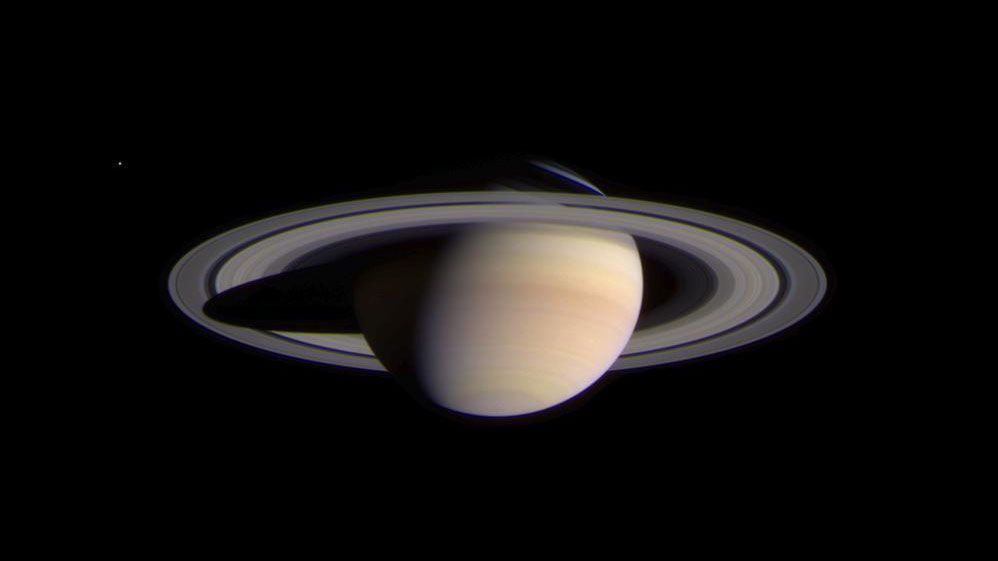
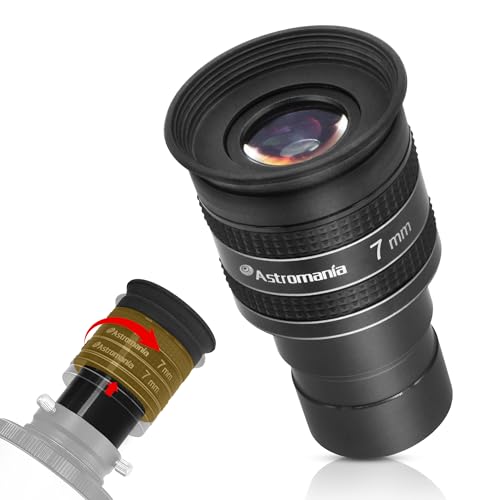
Should I prioritize apparent field of view or eye relief for Saturn eyepieces?
For dedicated Saturn work, eye relief and comfort often matter more than very wide apparent field. A wide field can be pleasant, especially in manual mounts, but if eye positioning is difficult you lose effective observing time and focus confidence. Beginners frequently benefit from comfortable eye placement first, then field width upgrades later.
Is an expensive eyepiece always better for ring detail?
Not always. Premium optics can improve contrast and edge behavior, but they do not bypass seeing limits or poor thermal control. A well-matched mid-tier eyepiece used under good conditions can outperform a premium eyepiece used in unstable air. Match quality level to telescope class and observing frequency for best value.
How do I know if blur is from eyepiece limitations or atmosphere?
Compare multiple eyepieces at similar effective magnification and monitor stability over several minutes. If all eyepieces soften similarly, seeing is likely the limit. If one eyepiece consistently snaps into better focus and holds detail longer, optics or ergonomics differences are likely significant.
Do Barlows reduce image quality too much for serious Saturn observing?
Quality Barlows can be excellent and very practical. The issue is usually not the concept of a Barlow, but low-quality optics or overly aggressive magnification combinations. A good Barlow with sensible focal-length pairing is often one of the most cost-effective ways to build a useful planetary ladder.
What is the best first two-eyepiece combination for Saturn?
A reliable two-piece strategy is one low-power acquisition eyepiece (around 25-32mm depending on scope) and one planetary-detail eyepiece (often 9-13mm depending on focal length). This gives you immediate centering confidence and a clean transition into detail work without excessive complexity.
How often should I evaluate eyepiece choices before deciding to upgrade?
Evaluate across at least six to ten sessions in varied seeing rather than one or two nights. Planetary observing is condition-dependent, and quick judgments can be misleading. A short log with magnification and observed detail provides better upgrade confidence than memory alone.
Can filters help Saturn ring detail as much as an eyepiece change?
Filters can help in some situations, but for most beginners a better-matched eyepiece and steadier magnification strategy produce larger immediate gains. Filters are best treated as secondary tools after you have stable baseline performance with your main eyepiece ladder.
Why does Saturn look better in brief moments instead of continuously?
That pattern is normal and reflects atmospheric turbulence. High-quality observing means waiting for those steadier intervals and judging detail across repeated moments, not expecting constant photographic sharpness. Patience and session structure are critical parts of "eyepiece performance."