Best Stargazing Near Atlanta: Dark Sky Parks & Sites (2026)
Telescope Advisor Logo Telescope Advisor
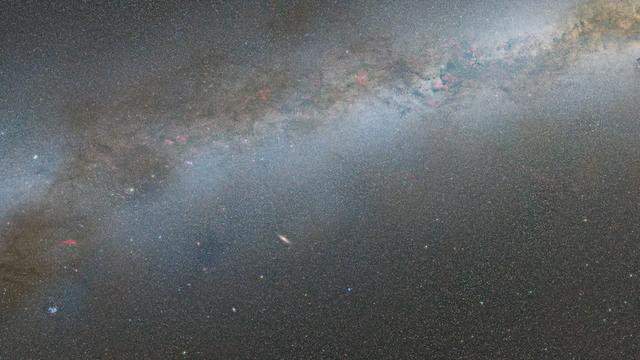
The Andromeda Galaxy as it appears over a dark Georgia landscape — representing the stargazing opportunities accessible from the Atlanta metropolitan area

Stargazing Destination Guide · Atlanta Metro

Best Stargazing Near Atlanta: Dark Sky Sites, Parks & Complete Guide (2026)

Atlanta is one of the most tree-covered major cities in America — beautiful during the day, but a challenge for stargazers who need clear horizons. However, within a 2–3 hour drive, the situation transforms dramatically. From the high elevations of Brasstown Bald to the dark swamp skies of the Okefenokee and the dramatic canyon views at Cloudland Canyon, Georgia offers surprising diversity for astronomy enthusiasts. This guide covers the best stargazing locations within reach of Atlanta, what equipment suits the region's humid subtropical climate, and how to plan a successful night under Georgia skies.

Dark Sky Parks1 certified + 4 sites
Best Bortle Class3 (Stephen C. Foster)
Best SeasonFall, Winter & Spring
Drive from ATL1–4 hours
By Telescope Advisor Editorial Team Published: Updated: Reviewed & approved by Juhi Sahni, Senior Editor Editorial Standards

Atlanta-Area Stargazing Sites at a Glance

The Atlanta metropolitan area spans over 8,000 square miles across north Georgia, from the foothills of the Blue Ridge Mountains to the edge of the Coastal Plain. Each direction from the city offers a different stargazing experience: north toward the mountains for elevation and darker horizons, south toward the Okefenokee for remote swamp darkness, and west toward Alabama for open farmland skies. The table below compares the top stargazing locations within a manageable drive of downtown Atlanta.

Location Bortle Dark Sky Certified Drive from ATL Best For
Stephen C. Foster SP3Silver Tier Park4 hrs SGeorgia's only IDA Dark Sky Park, Okefenokee Swamp
Brasstown Bald4No2 hrs NHighest point in GA, 360-degree mountain views
Cloudland Canyon SP4No2 hrs NWDramatic canyon setting, astronomy programs
F.D. Roosevelt SP4–5No1.5 hrs SClosest dark site, Pine Mountain ridgetop
Tallulah Gorge SP4No2 hrs NEGorge overlook stargazing, rim trail access

Why Atlanta Stargazing Is a Hidden Gem

Atlanta stargazers face a paradox: the city's notorious tree cover and sprawling light dome make backyard astronomy difficult, but the surrounding geography offers some of the most diverse stargazing environments in the southeastern United States. Within a 2-hour drive, you can observe from a 4,784-foot mountain summit, a 1,000-foot-deep sandstone canyon, a dark-sky-certified swamp ecosystem, or a Piedmont ridgetop — each offering a radically different observing experience.

Georgia's position in the southeastern United States means it experiences relatively mild winters compared to the Midwest or Northeast. December and January nights in north Georgia rarely drop below 20 degrees Fahrenheit, making winter stargazing far more comfortable than in Chicago or Dallas. The trade-off is humidity: Georgia's subtropical climate produces dew that forms on optics within 30 minutes of sunset for most of the year, making dew management the single most important equipment consideration for any Atlanta-area stargazer.

For context on how Georgia's skies compare to the rest of the country, the US Dark Sky Map and Light Pollution Guide provides a national framework for understanding Bortle classifications and light-pollution patterns.

Top Pick for Atlanta Stargazers

Stephen C. Foster State Park

Georgia's only International Dark Sky Park and a truly unique stargazing destination. Stephen C. Foster State Park sits deep inside the Okefenokee Swamp in southeastern Georgia, about 4 hours from Atlanta. The park earned Silver-Tier Dark Sky Park designation in 2024 for its exceptional night sky quality, active dark-sky management, and educational programming. At Bortle Class 3, the Milky Way is strikingly visible on moonless nights, reflected in the dark swamp waters for a doubly immersive experience.

The park offers a dedicated astronomy pad with power hookups, a 14-inch Celestron telescope available for public programs, and canoe tours that combine wildlife observation with night-sky interpretation. The park's remote location — 60 miles from the nearest city of any size — means light pollution is virtually non-existent. The best time to visit is during the new moon, when the swamp's dark waters mirror the star field and the combination of bioluminescence and starlight creates an otherworldly atmosphere unique in the southeastern United States.

Starry night sky over the Okefenokee Swamp at Stephen C. Foster State Park — Georgia's International Dark Sky Park

North Georgia Mountain Sites: 1–2 Hours from Atlanta

The Blue Ridge Mountains begin just north of Atlanta, and the combination of elevation, reduced atmospheric extinction, and darker skies makes the mountain sites the most popular stargazing destinations for metro Atlanta residents. The mountain sites offer the additional advantage of cooler summer temperatures — typically 10–15 degrees cooler than Atlanta, which makes summer observing far more comfortable.

Brasstown Bald — Bortle 4

At 4,784 feet, Brasstown Bald is the highest point in Georgia and the premier high-elevation stargazing site within reach of Atlanta. Located about 2 hours north of the city near the North Carolina border, the Bald offers a 360-degree view from its summit observation deck that encompasses four states on clear days and an uninterrupted horizon-to-horizon view of the night sky after dark. The summit is accessible via a paved trail (0.6 miles, moderate incline) or a shuttle that operates during daylight hours.

The key advantage of Brasstown Bald for stargazers is elevation. At nearly 5,000 feet, you are above a significant portion of the atmospheric boundary layer, which reduces atmospheric distortion and improves image stability. The site is particularly well-suited for planetary observing — the steadier air at high elevation allows higher useful magnifications than lower-elevation sites in Georgia. The US Forest Service maintains a parking area at the base that is open 24 hours, and the summit trail is open for after-hours hiking. Bring a headlamp with a red light mode for the hike down.

The Atlanta Astronomy Club occasionally uses Brasstown Bald for high-elevation observing events, typically coinciding with new moon weekends in late spring and fall. These events are announced through the club's mailing list and provide an opportunity to observe alongside experienced members who know the site's specific conditions.

Cloudland Canyon State Park — Bortle 4

Located on Lookout Mountain in northwest Georgia, about 2 hours from Atlanta, Cloudland Canyon State Park is one of Georgia's most dramatic natural landmarks. The canyon drops 1,000 feet to Sitton Gulch Creek, and the canyon rim provides an expansive view of the western sky that is largely unobstructed by artificial light. The park has been recognized as a Georgia Dark Sky Park through the state park system's dark sky initiative, and it actively manages lighting to preserve night sky quality.

Cloudland Canyon's geology creates an interesting observing dynamic: the canyon walls block light pollution from Chattanooga (about 30 miles north) and provide a natural dark horizon in the northern sky. The southern and western skies — toward Alabama and the less-developed parts of northwest Georgia — are genuinely dark. The park's campground remains open year-round, and the Cloudland Canyon Astronomy Group holds monthly star parties at the park's interpretive center from April through October.

Tallulah Gorge State Park — Bortle 4

Tallulah Gorge is one of the most spectacular canyons in the eastern United States, cutting nearly 1,000 feet through the Piedmont bedrock in northeast Georgia, about 2 hours from Atlanta. The gorge's rim trails provide multiple overlooks with expansive sky views, and the park's location in a relatively rural area of the Georgia mountains means light pollution is minimal. The park offers interpretive programs that include night-sky viewing from the Jane Hurt Yarn Interpretive Center, which features a telescope for public use during scheduled events.

Closest Dark Sites: Under 2 Hours from Atlanta

For quick evening trips or weeknight observing, the sites within 90 minutes of downtown Atlanta offer the best balance of accessibility and sky quality. These sites typically rate Bortle 4–5 — bright enough that deep-sky observing requires some effort, but dark enough for satisfying views of brighter Messier objects, the Milky Way on good nights, and excellent planetary observing when the seeing cooperates.

F.D. Roosevelt State Park — Bortle 4–5

Located on Pine Mountain, about 90 minutes south of Atlanta, F.D. Roosevelt State Park is the closest dark-sky-compatible site to the city. The park sits on a ridgetop that rises 400 feet above the surrounding Piedmont landscape, providing better horizon views than most lower-elevation Georgia parks. The park's 9,000 acres include extensive trail networks and a 24-hour campground that allows overnight observing sessions.

The park's ridgetop location creates favorable conditions for astronomy — the elevation provides slightly thinner air, the south-facing slopes receive less light pollution from Atlanta (which lies to the northeast), and the forest canopy opens in several areas large enough for telescope setup. The Pine Mountain Trail Association maintains several trailhead parking areas that work well for impromptu observing sessions, and the park's proximity to Columbus provides access to amenities that more remote sites lack.

Indian Springs State Park — Bortle 4–5

About 90 minutes southeast of Atlanta, Indian Springs State Park is Georgia's oldest state park and one of its most accessible dark-sky locations. The park's location in the Piedmont region, away from major highways and development, provides relatively dark conditions for its proximity to the city. The park's campground fills quickly on summer weekends, but the day-use area remains open until dark and provides a convenient observing location for short sessions.

What to Bring for Georgia Stargazing

Georgia's humid subtropical climate creates specific challenges that differ from the arid West or the seasonally variable Midwest. Dew management is not optional — it is the defining equipment consideration for any Georgia stargazer.

Essential Gear for the Southeast

  • Dew heaters are mandatory. From April through November, dew forms on optics within 30 minutes at most Georgia sites. A 12V dew heater system with controller is the single most important accessory for any telescope used in the Southeast. Without it, expect your session to end by 10 PM regardless of sky quality.
  • Mosquito protection. Georgia's mosquito season runs from April through October, and the insects are aggressive particularly at lower-elevation sites and near water. A thermacell unit, DEET repellent, and lightweight long-sleeved clothing are essential for comfortable summer observing.
  • Waterproof storage. Afternoon thunderstorms are a daily possibility from June through August in north Georgia. A waterproof telescope cover and dry storage for electronics protect your equipment from sudden downpours.
  • Red-light headlamp. Essential for preserving night vision during setup and equipment changes. White light destroys dark adaptation for 20+ minutes and is disruptive at group observing events.
  • Layered clothing. Even summer nights in the Georgia mountains can drop into the 50s after midnight. A packable insulating layer makes the difference between a short session and an all-night observing marathon.

Recommended Telescopes for Southeast Skies

Telescope Type Why It Works for Georgia Best Example Price Tier
6-inch DobsonianPortable for mountain driving, good DSO viewsSky-Watcher Classic 150PEntry
80mm RefractorSealed tube resists dew, fast cool-downSky-Watcher Evostar 80EDMid-tier
6-inch SCTClosed tube resists dew, GoTo helpful in light domeCelestron NexStar 6SEPremium
Tabletop DobUltra-portable for steep mountain trailsSky-Watcher Heritage 130PBudget

Astronomy Clubs and Resources in the Atlanta Area

The Atlanta area has an active and welcoming amateur astronomy community with multiple clubs serving the city and surrounding regions. Joining a local club provides access to private observing sites, loaner telescope programs, and mentorship from experienced observers who understand the unique challenges of southeastern astronomy.

Atlanta Astronomy Club

The Atlanta Astronomy Club (AAC) is the largest and most active amateur astronomy organization in the southeastern United States, with over 400 members. The club maintains the Vaughn Observatory at the Georgia State University Observatory complex near Woodbury, Georgia, about an hour south of Atlanta. The observatory features multiple telescope piers, a roll-off roof building, and some of the darkest skies within an hour of Atlanta. The AAC holds monthly meetings at the Fernbank Science Center and organizes dark-sky weekends at Stephen C. Foster State Park and other regional sites.

Fernbank Science Center

The Fernbank Science Center in Decatur operates one of the largest public observatories in the southeastern United States, featuring a 36-inch Cassegrain reflector that is open for public viewing Thursday through Saturday evenings. Fernbank also hosts the monthly meetings of the Atlanta Astronomy Club and provides educational astronomy programs for all ages. While the observatory is within the Atlanta light dome, the 36-inch telescope's light-gathering power overcomes light pollution for impressive views of the Moon, planets, and brighter deep-sky objects.

Georgia Sky View

Georgia Sky View is a group of amateur astronomers who operate a private observing site in Greenville, Georgia, about 90 minutes southwest of Atlanta. The site features permanent telescope piers, a dark-sky-friendly lighting system, and a clubhouse with indoor meeting space. The group holds monthly observing sessions and an annual star party that attracts astronomers from across the Southeast.

Seasonal Stargazing Guide for Georgia

Georgia's four distinct seasons each present different opportunities and challenges for stargazing. Understanding the seasonal patterns is essential for planning productive observing sessions.

Spring (March–May)

Spring offers improving weather after winter but brings increasing humidity and the start of thunderstorm season. March and early April can produce excellent transparency after cold fronts, making this a good time for galaxy observing from mountain sites like Brasstown Bald or Cloudland Canyon. By May, daytime heating produces frequent afternoon thunderstorms that often clear by evening, leaving clean, transparent air for nighttime observing. The galaxy season peaks in spring, with the Virgo Cluster well-placed for evening viewing.

Summer (June–August)

Summer stargazing in Georgia is a test of dedication. High humidity, aggressive mosquitoes, and frequent afternoon thunderstorms make for challenging conditions. However, the summer Milky Way is at its best, and the longer nights provide more dark-sky hours. The strategy for summer observing is to target mountain sites (Brasstown Bald or Cloudland Canyon) where temperatures are cooler and humidity is slightly lower, and to plan sessions around the new moon for the best Milky Way views. The Perseid meteor shower in August is the highlight — see the Perseid guide for peak timing.

Fall (September–November)

Fall is the best season for Georgia stargazing. Humidity drops sharply after mid-September, mosquito activity ceases by October, and the frequency of clear nights reaches its annual peak. The autumn sky features the Andromeda Galaxy, the Double Cluster, and the Pleiades — all well-placed for evening observing. Fall is also the best season for visiting Stephen C. Foster State Park, as the Okefenokee's insect population drops and the swamp's reflective waters create stunning night photography conditions.

Winter (December–February)

Winter offers the steadiest air and lowest humidity of the year in Georgia. The Orion Nebula, Pleiades, and winter Milky Way dominate the evening sky, and the combination of cold, dry air and early darkness provides excellent conditions for deep-sky observing. Winter temperatures in north Georgia typically range from 20–45 degrees Fahrenheit — cold enough to require serious gear but mild compared to northern states. The main limitation is shorter observing windows: sunset to midnight is the productive window, as many targets set by the early morning hours.

Frequently Asked Questions

What is the closest dark sky park to Atlanta?

Stephen C. Foster State Park in the Okefenokee Swamp is Georgia's only International Dark Sky Park, located about 4 hours south of Atlanta. For closer options, F.D. Roosevelt State Park on Pine Mountain (1.5 hours south) and Cloudland Canyon State Park (2 hours northwest) offer the next-best conditions.

Can you see the Milky Way from near Atlanta?

Yes, from sites at least 90 minutes from downtown. Brasstown Bald (2 hours north) and Cloudland Canyon (2 hours northwest) offer reliable Milky Way visibility on clear nights. Stephen C. Foster State Park offers the best Milky Way views in the state from its Bortle 3 skies.

What is the best time of year for stargazing in Georgia?

Fall (September through November) offers the best combination of clear skies, low humidity, comfortable temperatures, and minimal insects. Winter has the steadiest air but requires cold-weather gear. Summer is challenging due to humidity and thunderstorms.

Are there astronomy clubs in the Atlanta area?

Yes. The Atlanta Astronomy Club is the largest and most active, with over 400 members. The Fernbank Science Center operates a public 36-inch telescope. Georgia Sky View hosts monthly observing sessions at their private dark-sky site near Greenville.

Do I need a telescope for stargazing near Atlanta?

Not necessarily. 10x50 binoculars reveal the Milky Way structure, bright deep-sky objects, and rich star fields from any Bortle 4 site. A telescope becomes valuable for planetary observing and detailed deep-sky work. Dew management equipment is essential for any optical gear used in Georgia.