
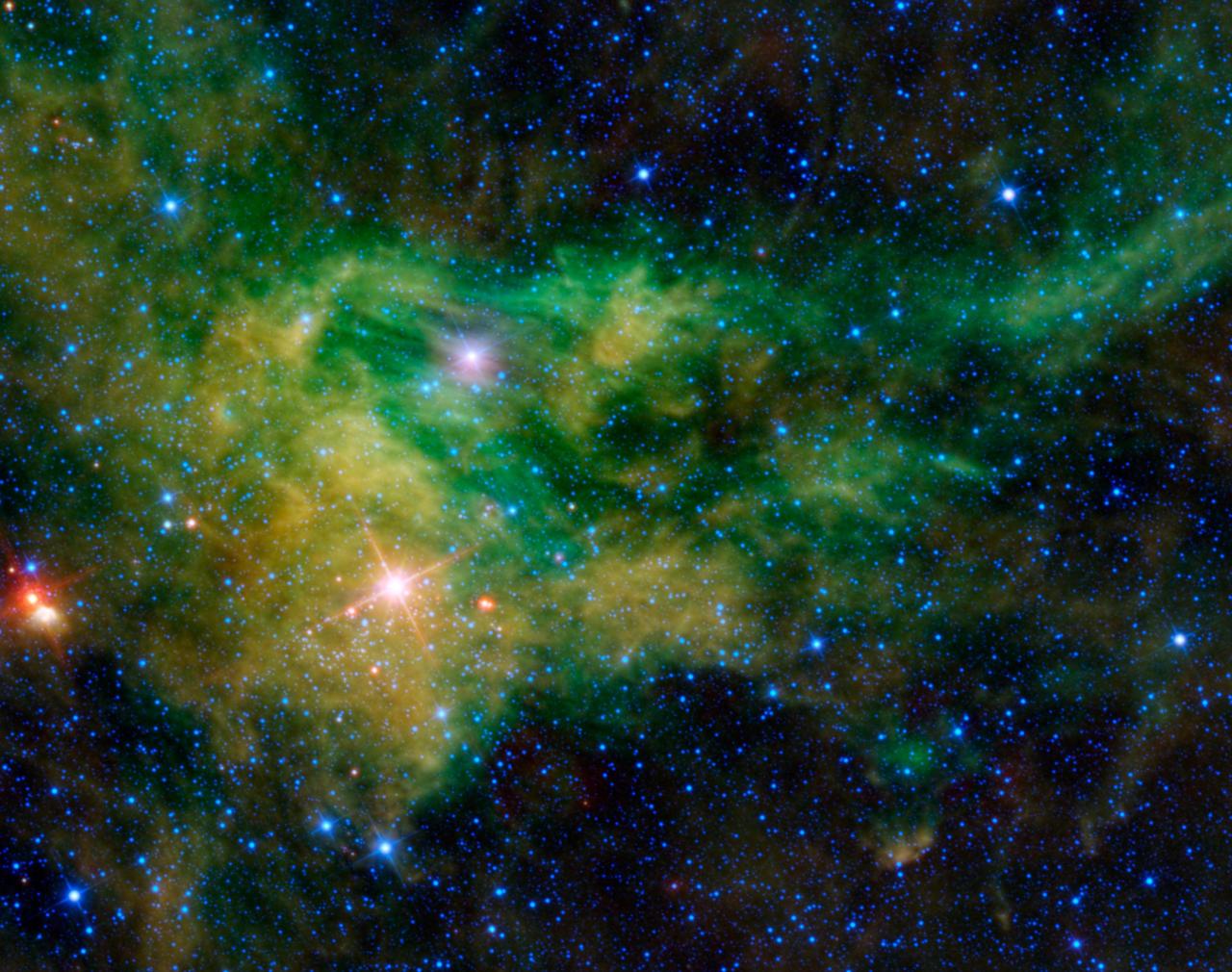
USA Dark Sky Map — Light Pollution Guide and Best Dark Sky Sites
Telescope Advisor Logo Telescope Advisor
A pristine dark night sky with stars and the Milky Way — the kind of sky visible from Bortle 1–2 dark-sky sites across the USA

Dark Sky Guide · United States

USA Dark Sky Map — Light Pollution Guide and Best Dark Sky Sites for 2026

Finding truly dark skies is the single most important factor in enjoying astronomy. This guide explains how to read light pollution maps, understand the Bortle scale, and find the best dark-sky sites in the United States for stargazing and astrophotography.

Darkest US siteGreat Basin NP (Bortle 1)
US population80%+ in Bortle 5+
Best free toolLight Pollution Map
Maps byNASA + NOAA + VIIRS
By Telescope Advisor Editorial Team Published: Updated: Editorial Standards Best Dark Sky Parks →

What Is a Dark Sky Map?

A dark sky map is an interactive or static visualisation of light pollution across a geographic area. It shows the artificial brightness of the night sky as measured by satellite instruments — primarily the VIIRS (Visible Infrared Imaging Radiometer Suite) onboard the NASA/NOAA Suomi NPP satellite. These maps assign colours to different levels of sky brightness, with black/dark blue representing pristine natural darkness (Bortle 1–2) and white/red representing severe light pollution (Bortle 7–9). The most popular dark sky maps for US observers include the Light Pollution Map (lightpollutionmap.info), the National Park Service's Night Skies interactive map, and NASA's Earth Observatory "Earth at Night" imagery.

Using a dark sky map is simple: find your location on the map, note the colour band, and look for darker-coloured areas within a reasonable driving distance. A one-hour drive from a major city can often improve your sky quality by 2–4 Bortle classes — the difference between seeing only the brightest stars and witnessing the full splendour of the Milky Way. The maps also show the locations of certified International Dark Sky Parks (IDSPs), which are your best guarantee of consistently dark skies.
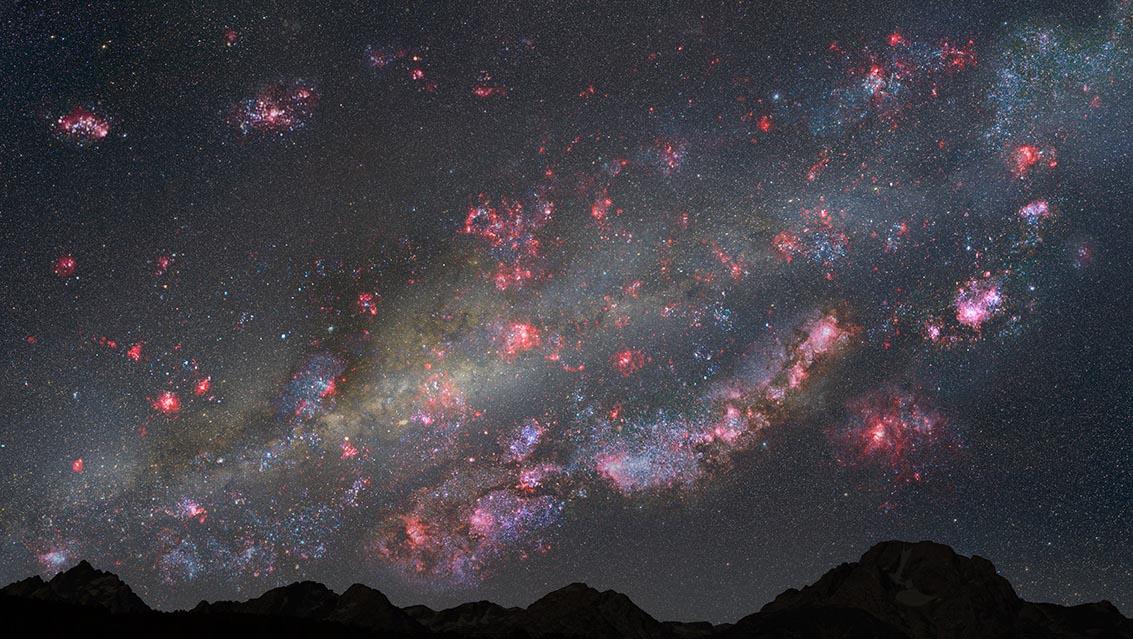
Satellite composite of the United States at night showing light pollution patterns — bright regions correspond to major metropolitan areas while dark zones reveal the best stargazing locations

Credit: NASA/JPL-Caltech — The Milky Way over a pristine dark-sky site

The Bortle Scale — How Dark Is Your Sky?

The Bortle 9-class scale, developed by amateur astronomer John Bortle in 2001, is the standard way to quantify night-sky quality. Understanding your local Bortle class helps you set realistic expectations for what you can observe and guides your choice of observing sites.

Bortle 1 — Excellent Dark Sky

Zodiacal light visible, gegenschein detectable, Milky Way casts shadows. Only found in remote deserts and high mountains. Examples: Great Basin NP, Death Valley NP.

Bortle 2 — Typical Truly Dark Sky

Milky Way highly structured, zodiacal light bright, airglow visible. Found at most Gold/Silver-tier IDSPs. Examples: Big Bend NP, Capitol Reef NP, Natural Bridges NM.

Bortle 3 — Rural Sky

Milky Way still shows detail, some light pollution on the horizon. Best most observers can reach within 1–2 hours of a major city.

Bortle 4 — Rural/Suburban Transition

Milky Way visible overhead but washed out near horizon. Many deep-sky objects still observable. Typical for small towns 30–60 min from cities.

Best Dark Sky Sites in the United States

The US is home to some of the best dark-sky sites on Earth, particularly in the western states where high elevation, low population density, and arid climates create exceptional observing conditions. Here are the top dark-sky destinations by region.

West — Great Basin NP (Nevada)

Bortle 1. The darkest national park in the continental US. The 10,000 ft elevation at Lehman Creek provides exceptionally stable, transparent skies. Annual Astronomy Festival in August.

Southwest — Big Bend NP (Texas)

Bortle 2. One of the most remote parks in the lower 48. Excellent for observing southern-hemisphere constellations like Crux. Certified Silver-tier IDSP.

Rockies — Black Canyon of the Gunnison (Colorado)

Bortle 2. Gold-tier IDSP with some of the darkest skies in Colorado. The canyon walls block nearby light pollution, creating a uniquely dark viewing environment.

Pacific NW — Oregon Star Party Site

Bortle 2. The Oregon Star Party is held annually in central Oregon's Ochoco National Forest, one of the darkest sites in the Pacific Northwest with regular clear skies.

For detailed guides on each of these parks and more, see our best stargazing national parks guide. For state-by-state coverage, explore the state stargazing guides listed in our site directory.

How to Use a Light Pollution Map

Using the Light Pollution Map at lightpollutionmap.info is straightforward. Enter your location or allow the site to access your current position. The map overlays colour-coded sky brightness data on a standard street or satellite map. The legend shows the scale from black (Bortle 1) to white (Bortle 9). Zoom in to find the closest dark areas to your location. The map also includes markers for observatories, astronomy clubs, and dark-sky parks — clicking these reveals details about the site and links to their websites.

A practical strategy is to plan observing trips around the map: find a dark zone within 1–2 hours of driving, check the weather forecast for clear skies, and target New Moon weekends for the darkest conditions. The same map also shows weather satellite data and cloud cover forecasts, making it a comprehensive planning tool. For mobile use, apps like Clear Outside (free) and Astrospheric (free/paid) combine light pollution data with localised astronomical weather forecasts including seeing, transparency, and cloud cover predictions.

Importing Dark Sky Data Sources

The colour-coded light pollution maps you see online are created from data collected by the VIIRS satellite instrument flying aboard the NASA/NOAA Suomi NPP satellite. VIIRS measures visible and near-infrared light emitted from Earth's surface at night at a resolution of approximately 750 metres per pixel. The data is processed by the National Oceanic and Atmospheric Administration (NOAA) and made available through the National Centers for Environmental Information. Citizen science projects like the Globe at Night program also collect ground-based light pollution measurements from volunteers worldwide, providing an additional layer of data that complements the satellite imagery.

Light pollution is not static — it is growing at an estimated 2–6% per year globally, driven by the increasing use of LED lighting that is often poorly shielded and rich in blue wavelengths that scatter more readily in the atmosphere. The rise of LED lighting has paradoxically made light pollution worse in many areas even as total energy consumption for lighting has decreased. The International Dark-Sky Association (IDA) works to combat this through its Fixture Seal of Approval program, which certifies lighting fixtures that minimise upward light output and blue-light pollution. Preserving dark skies is not only important for astronomy — it has documented benefits for human health (circadian rhythm regulation), wildlife migration patterns, and ecosystem health.

Dark Sky Apps and Interactive Maps — Our Recommendations

Beyond the standard light pollution map, several specialised apps and websites help you plan dark-sky observing sessions. Clear Outside (iOS/Android, free) provides a 7-day forecast including cloud cover, transparency, seeing, and a Bortle-class estimate for your location. Astrospheric (iOS/Android, free/paid) offers high-resolution weather models specifically tuned for astronomers, with a "Dark Sky Finder" overlay showing the light pollution map. Light Pollution Map (web, free) at lightpollutionmap.info is the most comprehensive interactive map, offering the VIIRS mosaic along with overlay options for IDSP locations, observatories, and major astronomy clubs. For those planning road trips to dark-sky sites, the Dark Site Finder (darksitefinder.com) provides a simplified, colour-coded map designed specifically for finding the nearest dark location.


Frequently Asked Questions

What is the best dark sky map for the USA?

LightPollutionMap.info is the most comprehensive interactive map with NASA/NOAA VIIRS satellite data, overlays for dark-sky parks and observatories, and cloud cover forecasts. For mobile, use Clear Outside or Astrospheric.

What Bortle class is my location?

Check the Light Pollution Map at your address — the colour overlay corresponds to Bortle classes. Most US suburbs are Bortle 6–7 (grey/red), rural areas Bortle 3–4 (green/yellow), and dark-sky parks are Bortle 1–2 (dark blue/black).

How far do I need to drive for dark skies?

From most US cities, a 1–2 hour drive improves sky quality by 2–4 Bortle classes. For example, from Los Angeles, 2 hours to Joshua Tree NP achieves Bortle 2–3. From New York, 2.5 hours to Cherry Springs State Park in Pennsylvania reaches Bortle 2.

What is the darkest place in the continental US?

Great Basin National Park in Nevada is widely considered the darkest location in the lower 48 states, with Bortle 1 skies and an elevation of 10,000 feet. Death Valley National Park and Big Bend National Park are close contenders.

How is light pollution measured?

Light pollution is primarily measured by the VIIRS satellite instrument in units of nanolamberts or magnitudes per square arcsecond. A Sky Quality Meter (SQM) measures sky brightness from the ground, with readings of 21.5–22.0 mag/arcsec² indicating natural darkness.