Best Stargazing Near Chicago: Dark Sky Sites & Parks (2026)
Telescope Advisor Logo Telescope Advisor
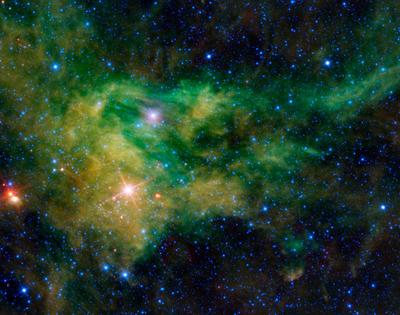
The Milky Way arching over a dark landscape — representing the dark sky opportunities accessible from the Chicago metropolitan area

Stargazing Destination Guide · Chicago Metro

Best Stargazing Near Chicago: Dark Sky Sites, Parks & Complete Guide (2026)

Chicago's notorious light dome makes backyard astronomy challenging, but within a 2–3 hour drive, the situation transforms dramatically. Illinois is home to one of the Midwest's best-kept dark sky secrets — the Middle Fork River Forest Preserve, a Gold-Tier International Dark Sky Park — alongside several state parks, Lake Michigan shoreline locations, and astronomy-friendly sites in neighboring Indiana and Wisconsin that offer genuinely dark skies for metropolitan stargazers.

Dark Sky Parks1 certified + 3 sites
Best Bortle Class3–4 (Middle Fork)
Best SeasonSpring, Summer & Fall
Drive from Loop1–3 hours
By Telescope Advisor Editorial Team Published: Updated: Reviewed & approved by Juhi Sahni, Senior Editor Editorial Standards

Chicago-Area Stargazing Sites at a Glance

The Chicago metropolitan area spans northeastern Illinois and extends into parts of Indiana and Wisconsin. While light pollution from the city core reaches Bortle Class 8–9, the surrounding rural areas offer significantly darker skies. The table below compares the best stargazing locations within a manageable drive of downtown Chicago, ranked by sky quality and accessibility.

Location Bortle Dark Sky Certified Drive from Loop Best For
Middle Fork River FP3–4Gold Tier Park2.5 hrs SWDarkest certified site within reach of Chicago
Indiana Dunes National Park4–5Near Beverly Shores community1 hr ELake Michigan horizon, closest option
Illinois Beach State Park4–5No1 hr NLakefront stargazing, dark northern horizon
Chain O'Lakes State Park4–5No1.5 hrs NWWaterfront camping and astronomy weekends
Kankakee River State Park4No1.5 hrs SWRiverside dark site with astronomy programs

Why Stargazing Near Chicago Is Better Than You Think

Ask most Chicago-area residents where to see the stars, and the answer is usually "you can't — too much light pollution." That is only half true. The city itself sits under a severe light dome produced by the third-largest metropolitan area in the United States, but that dome has defined edges. Drive 90 minutes southwest or west, and you emerge into skies that rival many rural areas east of the Mississippi.

Illinois benefits from remarkably flat terrain in its central and northern regions. While flat land lacks the dramatic mountain horizons that make places like the Davis Mountains or Rocky Mountains famous for astronomy, it offers something arguably more useful for stargazing: an unobstructed 360-degree horizon. At Middle Fork River Forest Preserve, the horizon dips below 5 degrees in every direction. You see the sky from tree line to tree line — which, on a flat prairie night, is effectively the entire celestial sphere from north to south.

The Great Lakes also play a role. Lake Michigan acts as a dark sink along the eastern edge of the Chicago metro area. At Illinois Beach State Park or the Indiana Dunes, the lake blocks light pollution from the east and provides a dark northern horizon over open water. On moonless nights, the lake horizon reveals stars all the way down to the waterline — an effect you cannot get from inland locations where trees or hills block the lower sky.

For a broader perspective on light pollution and how Bortle classes translate to what you can see through a telescope, the US Dark Sky Map and Light Pollution Guide provides a national context for the viewing conditions described on this page.

Top Pick for Chicago Stargazers

Middle Fork River Forest Preserve

Illinois' only International Dark Sky Park and the clear number-one destination for Chicago-area stargazers. At Bortle Class 3–4, the Milky Way is visible to the naked eye on clear summer nights, and the park's dedicated astronomy field with concrete observing pads makes it the most telescope-friendly public site in the state. The preserve offers primitive camping, interpretive astronomy programs through the Champaign-Urbana Astronomical Society, and a knowledgeable on-site staff that keeps the area dark-sky compliant.

The 15-acre observing field includes power hookups for telescope equipment, a small shelter, and a designated dark zone free of white-light flashlights after dusk. Plan your visit around a new moon for the best conditions, and arrive before sunset to set up while daylight remains. The preserve's dark sky flyer provides a useful site map and guidelines.

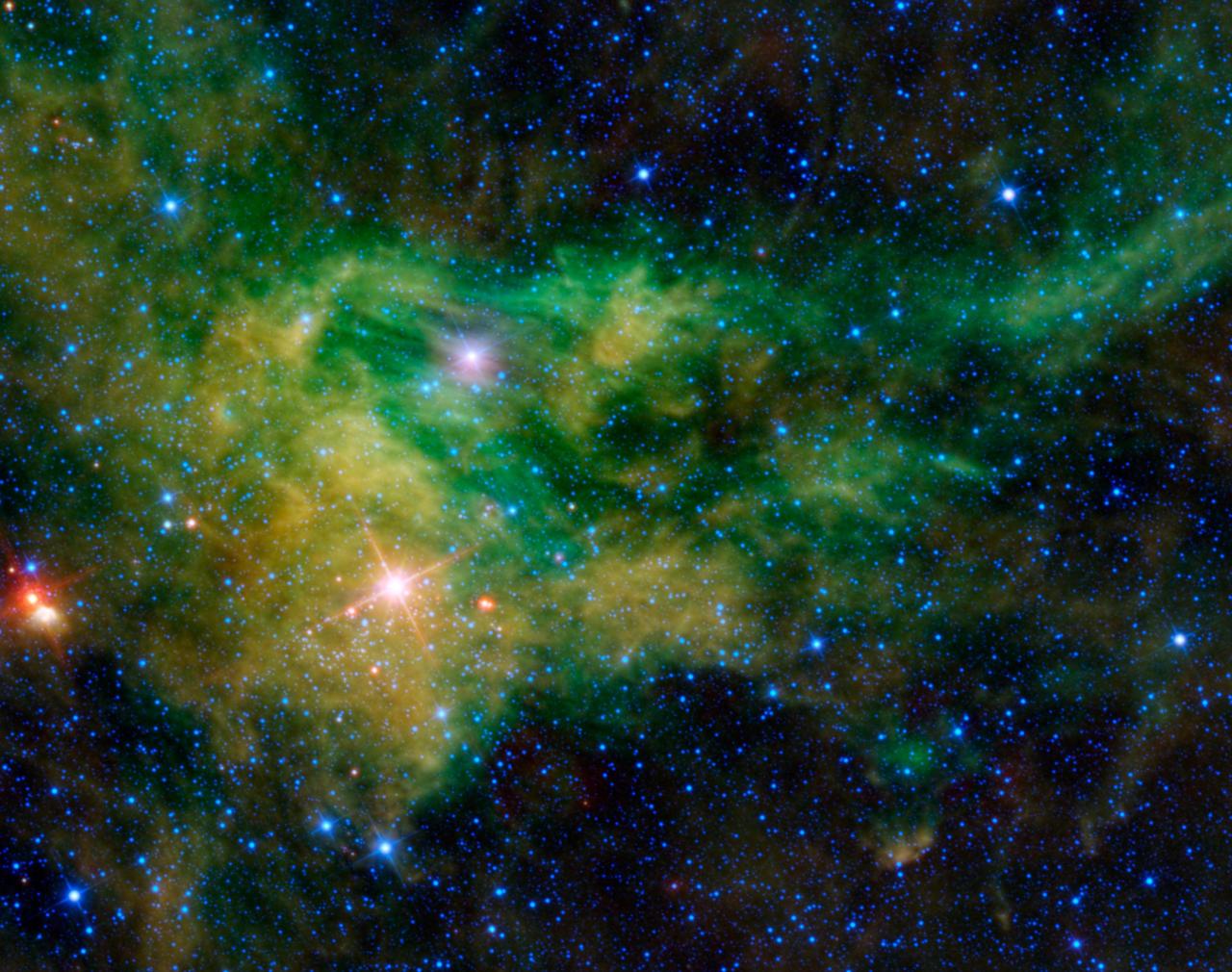
Night sky over Middle Fork River Forest Preserve — Illinois' only International Dark Sky Park

Dark Sky Locations Within 90 Minutes of Chicago

Not every clear night justifies a 2.5-hour drive. For weeknight observing or quick trips, the locations within 90 minutes of the Loop offer meaningful improvements over backyard city astronomy. While none match Middle Fork's sky quality, they provide accessible alternatives that still reveal far more than what is visible from within Chicago's light dome.

Indiana Dunes National Park — Bortle 4–5

Indiana Dunes National Park stretches along 15 miles of Lake Michigan shoreline in northwestern Indiana, about an hour from downtown Chicago. The park's location on the southern shore of Lake Michigan provides an unusually dark northern horizon — the lake itself blocks light pollution from Michigan City and other lakeside communities. On clear nights, the open water reflects starlight rather than scattering artificial light, creating conditions where the summer Milky Way becomes visible in the northern sky despite the park's relatively modest Bortle rating.

The nearby community of Beverly Shores, Indiana, is a certified International Dark Sky Community — the only one within an hour of Chicago. The town has adopted dark-sky-friendly lighting ordinances and actively promotes stargazing along the lakefront. The Beverly Shores Dark Sky Committee organizes public observing nights throughout the summer, often in partnership with the Chicago Astronomical Society and the Calumet Astronomical Society. These events provide access to member telescopes and expert guidance on navigating the seasonal night sky over Lake Michigan.

Illinois Beach State Park — Bortle 4–5

Located in Zion, Illinois, about an hour north of the Loop, Illinois Beach State Park offers the best Lake Michigan stargazing within Illinois. The park's six miles of Lake Michigan shoreline face east and north, placing the darkest part of the sky over open water. The park closes at sunset for day visitors, but overnight campers in the campground have access to the beach after dark. The combination of lakeside horizon, minimal light dome from the north, and the sound of waves creates a uniquely atmospheric stargazing experience that inland sites cannot replicate.

The park also hosts occasional astronomy programs through the Lake County Astronomical Society, which uses the park's campground area for public star parties. Check their schedule in advance — these events typically coincide with new moon weekends and major meteor showers.

Kankakee River State Park — Bortle 4

About 90 minutes southwest of Chicago, near the town of Kankakee, this state park follows 11 miles of the Kankakee River through a landscape of limestone bluffs and riparian woodland. The park sits at the southern edge of the Chicago light dome, and on nights with moderate transparency, the southern sky reaches Bortle Class 4 conditions. The park's campground remains open year-round, and the wide-open river valley provides a better southern horizon than most forested Illinois parks.

The Kankakee Area Stargazers astronomy club holds monthly observing sessions at the park's designated astronomy area near the Rock Creek Day Use zone. These sessions are free and open to the public, making this one of the most accessible dark-sky introduction points for families and beginners who are not ready for a long drive to Middle Fork.

Best Extended-Trip Sites (2–3 Hours from Chicago)

When you can commit to a full evening or an overnight trip, the sites within 2–3 hours of Chicago offer genuinely dark skies that rival many better-known astronomy destinations in the eastern United States. These locations are far enough from the city to escape most of its light dome while remaining close enough for a single-tank round trip.

Middle Fork River Forest Preserve — Bortle 3–4 (Gold Tier)

As Illinois' only International Dark Sky Park, Middle Fork River Forest Preserve deserves its own dedicated discussion. Located in Penfield, about 2.5 hours southwest of Chicago, the 25-acre astronomy field was purpose-built for stargazing. The concrete observing pads are spaced to prevent tripod interference, the area is kept free of artificial light, and the flat prairie horizon allows uninterrupted views from horizon to horizon.

The preserve achieved Gold-Tier Dark Sky Park designation in 2020, placing it alongside Big Bend National Park and Natural Bridges National Monument in terms of certification standards. In practice, this means the site actively manages lighting, enforces dark-sky protocols, and provides educational programming about light pollution and astronomy. The on-site observing field can accommodate up to 30 telescopes simultaneously without crowding — a capacity that matters during major meteor showers when dozens of Chicago-area astronomers converge on the site.

Primitive camping is available at the preserve, and there are no nearby hotels with significant light pollution. Camping overnight is the recommended approach: arrive before sunset, observe through the evening and into the early morning hours, and sleep under the same dark sky you came to see. The preserve's restroom facilities remain open 24 hours, and potable water is available during the camping season (April through October).

Jim Edgar Panther Creek State Fish & Wildlife Area — Bortle 3–4

Located about 3 hours southwest of Chicago near Chandlerville, this 16,000-acre site is one of the darkest publicly accessible areas in central Illinois. Owned and managed by the Illinois Department of Natural Resources, the area consists of restored prairie and woodland with exceptional horizon-to-horizon visibility. While not a formal dark sky park, its remote location and low traffic make it a favorite among experienced Illinois astrophotographers who need dark skies for long-exposure imaging.

The site is open 24 hours for fishing and wildlife viewing, and the wide-open prairie landscape provides a nearly unobstructed 360-degree view. Unlike Middle Fork, there are no dedicated observing pads or astronomy-specific amenities. You need to bring everything — telescope, power supply, seating, red-light headlamp, and all accessories. The trade-off is genuinely dark skies with minimal human activity, even on weekends.

Devil's Lake State Park, Wisconsin — Bortle 4

About 3 hours northwest of Chicago near Baraboo, Wisconsin, Devil's Lake State Park is Wisconsin's most popular state park and an excellent stargazing destination for northern Illinois residents. The park's 500-foot quartzite bluffs frame the night sky in a way that flat Illinois prairies cannot, creating a dramatic visual setting for astronomy. The park has been designated a Wisconsin Dark Sky Park and offers regular star parties through the park's naturalist program.

The lake itself reflects starlight, and the bluffs block light pollution from nearby Baraboo and the larger Wisconsin Dells area. Camping at Devil's Lake requires advance reservations, particularly on summer weekends, but the combination of hiking, swimming, and stargazing makes it the most complete outdoor experience within reach of Chicago.
What to Bring for a Chicago-Area Stargazing Trip

Midwestern stargazing requires different preparation than desert astronomy. Humidity, dew, insects, and temperature swings define the Chicago-area observing experience. Packing correctly determines whether a night under dark skies becomes a cherished memory or a miserable experience.

Essential Gear

  • Dew prevention is non-negotiable. Illinois and Indiana summers produce dew that forms on optics within 30–60 minutes of sunset. A dew heater strip or a 12V hair dryer is essential for any observing session April through October. Without dew control, your corrector plate or objective lens will fog over by 10 PM.
  • Red-light headlamp. Standard white flashlights ruin everyone's dark adaptation for 20 minutes. A red-light headlamp preserves your night vision and keeps you welcome at group observing sessions.
  • Insect repellent. Mosquitoes are aggressive at most Illinois sites from May through September. Repellent with DEET or picaridin is not optional — it is as essential as your telescope.
  • Layer system. Even summer nights in Illinois can drop 20–30 degrees Fahrenheit after midnight. A base layer, insulating mid-layer, and windproof outer shell let you stay comfortable through the temperature drop.
  • Portable power. Most Illinois sites lack on-site power at observing locations. A portable power station or deep-cycle marine battery with a 12V output keeps your telescope tracking and your dew heaters running all night.

Recommended Telescopes for Midwest Skies

The combination of moderate light pollution (Bortle 4–5 at most accessible sites), humid air, and relatively flat terrain favors certain telescope types over others. For Chicago-area stargazing, portability matters — you will be loading and unloading equipment for every trip — and dew resistance is critical.

Telescope Type Why It Works Best Example Price Tier
6-inch DobsonianLightweight, no collimation drift, great on DSOsSky-Watcher Classic 150PEntry
80mm ED RefractorFast cool-down, sealed tube resists dewSky-Watcher Evostar 80EDMid-tier
Tabletop DobsonianUltra-portable, sets up in 2 minutesSky-Watcher Heritage 130PBudget
Computerized SCTGoTo for light-polluted star-hoppingCelestron NexStar 6SEPremium

Astronomy Clubs and Public Observing Nights Near Chicago

The Chicago area has one of the most active amateur astronomy communities in the Midwest. Several clubs maintain private observing sites, host public star parties, and advocate for dark sky preservation in the region. Joining a local club is the single best way to discover off-the-map observing locations and learn from experienced members who know the local sky conditions intimately.

Chicago Astronomical Society

The Chicago Astronomical Society is the region's largest and oldest amateur astronomy organization, founded in 1936. The CAS maintains a private observing site — the Larry L. Smith Observatory — at the Illinois Beach State Park area, and holds monthly meetings at the Adler Planetarium. Membership includes access to the club's dark-sky site directory, loaner telescope program, and invitations to member-only observing weekends at Middle Fork and other regional dark sites. The CAS also leads public observing sessions at the Indiana Dunes and various Chicago park district locations throughout the summer.

Lake County Astronomical Society

Based in the northern suburbs, LCAS serves Lake County, Illinois, and southeastern Wisconsin. The club operates the Hett Astronomical Observatory at the Lake County Forest Preserve's Independence Grove and holds monthly public star parties at Illinois Beach State Park. LCAS is particularly active in light-pollution advocacy, working with Lake County municipalities on dark-sky-compliant lighting ordinances.

Naperville Astronomical Association

Serving Chicago's western suburbs, the NAA holds regular observing sessions at the Naperville Rotary Hill and at various sites in the Fox River Valley. The club is a strong option for families and beginners, offering structured introductory programs and loaner telescopes for new members who want to try before buying.

Seasonal Stargazing Guide for the Chicago Area

The Midwest's four distinct seasons each present unique opportunities and challenges for stargazing. Understanding the seasonal patterns helps you plan trips that maximize clear-sky probability and minimize discomfort.

Spring (March–May)

Spring offers improving weather after winter but comes with significant temperature swings and the start of dew season. March and April can still produce excellent transparency after cold fronts pass through. The galaxy season peaks in spring, with the Virgo Cluster of galaxies well-placed for evening observing. Galaxy observing benefits from the darkest possible skies, making Middle Fork the best choice. By May, daytime warmth draws more visitors to parks, but nighttime temperatures remain cool enough that insects are not yet a serious problem.

Summer (June–August)

Summer is the most popular stargazing season in the Chicago area, and for good reason. The Milky Way is visible from Bortle 4 sites throughout July and August, warm temperatures make overnight observing comfortable, and major meteor showers — the Perseids in August and the Delta Aquariids in July — draw crowds to dark sites. The downsides are significant: aggressive mosquitoes at all inland sites, afternoon thunderstorms that can leave high humidity in their wake, and frequent cloud cover. Check the Perseid meteor shower guide for peak timing and viewing recommendations that apply specifically to Midwest conditions.

Fall (September–November)

Fall is the best season for Chicago-area stargazing. Humidity drops sharply after September, dew becomes less severe, and insect activity ceases by mid-October. The autumn sky offers the Andromeda Galaxy high overhead, the Double Cluster in Perseus, and the Pleiades rising in the evening. Clear-sky frequency is higher in fall than in any other season, and the combination of cool, dry air and early darkness makes for comfortable all-night observing sessions.

Winter (December–February)

Winter offers the darkest skies of the year — cold air holds less moisture, and snow cover reduces light scatter. The Orion Nebula, the winter Milky Way, and the Gemini/Taurus region dominate the evening sky. The challenge is entirely about personal comfort: temperatures regularly drop below 20 degrees Fahrenheit, and wind chill at lakeside sites can make observing dangerous. Winter stargazing requires serious cold-weather gear, hand warmers, and battery management (cold drains batteries faster). Most Illinois park campgrounds close for the season, limiting access to day-use areas.

Frequently Asked Questions

Can you see the Milky Way from near Chicago?

Yes, but only from sites at least 90 minutes from downtown. Middle Fork River Forest Preserve (2.5 hours southwest) offers reliable naked-eye Milky Way visibility on clear summer and fall nights. From Indiana Dunes or Illinois Beach State Park, the Milky Way is visible in the southern sky but washed out in the direction of the city.

Where is the darkest sky within 2 hours of Chicago?

Middle Fork River Forest Preserve in Penfield, Illinois, is the darkest certified site within 2.5 hours. For a shorter drive, Kankakee River State Park (1.5 hours) and the area around Beverly Shores, Indiana (1 hour) offer the best compromise between drive time and sky quality.

Do you need a telescope to enjoy stargazing near Chicago?

No. From Bortle 4 sites, a good pair of binoculars reveals more than a small telescope from the city. The Pleiades, Andromeda Galaxy, and Milky Way star clouds are spectacular through 10x50 binoculars from Middle Fork or similar sites. A telescope becomes valuable for planetary observing and detailed deep-sky work, but binoculars are the most practical first investment for Chicago-area stargazers.

What is the best time of year for stargazing in Illinois?

Late September through early November offers the best combination of clear skies, low humidity, comfortable temperatures, and minimal insects. Summer (June–August) provides warmer nights and the Milky Way overhead but comes with mosquitoes and higher humidity. Winter has the darkest skies but requires serious cold-weather preparation.

Are there any astronomy clubs in the Chicago area?

Yes. The Chicago Astronomical Society, Lake County Astronomical Society, Naperville Astronomical Association, and Calumet Astronomical Society all serve different parts of the metro area. Most hold monthly public observing nights and welcome new members regardless of experience level.