Quick Answer: Which Telescope Filter Should You Buy First?
A broadband light pollution filter is the single best first filter purchase. It screws into any 1.25-inch eyepiece and blocks common city light wavelengths (sodium and mercury vapor lamps) while passing the light from deep-sky objects. If you observe from a suburban or urban backyard, this filter will produce the most dramatic improvement — it turns a washed-out gray sky into a dark background that reveals nebulae and galaxies you couldn't see before.
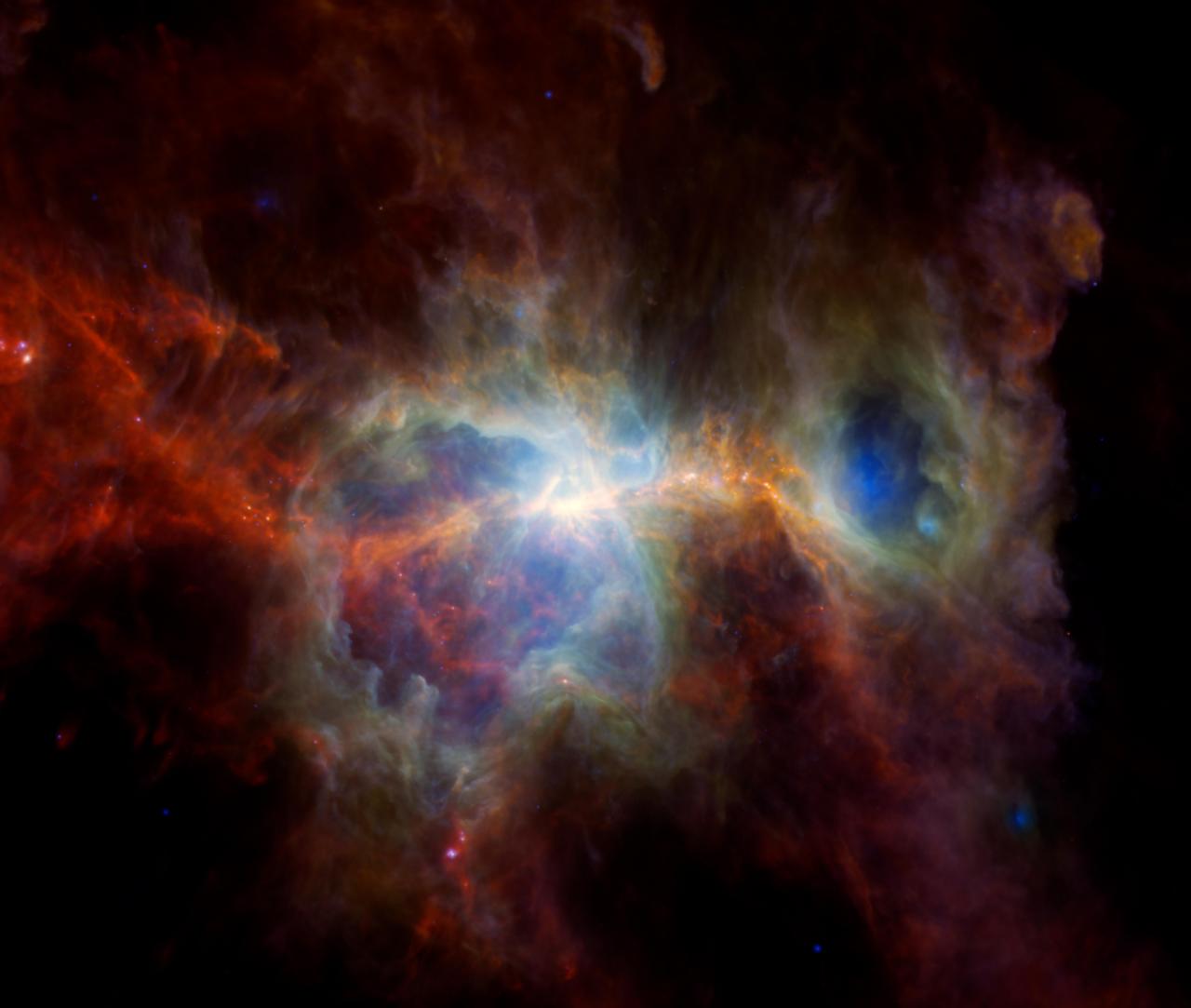
Your second filter should be a UHC (Ultra High Contrast) narrowband filter if you observe emission nebulae (Orion, Lagoon, Swan, etc.). UHC filters pass only the two brightest wavelengths emitted by nebula — hydrogen-beta (486nm) and doubly-ionized oxygen (501nm) — blocking everything else. Through a UHC filter, the Orion Nebula transforms from a faint smudge to a dramatic, three-dimensional cloud with visible structure.
Your third filter: a variable polarizing Moon filter — essential if you observe the Moon through any telescope larger than 60mm. The full Moon is genuinely uncomfortably bright through a telescope, and a polarizing filter lets you dial in the perfect brightness reduction from 1% to 40% transmission.