
Telescope Advisor Logo Telescope Advisor
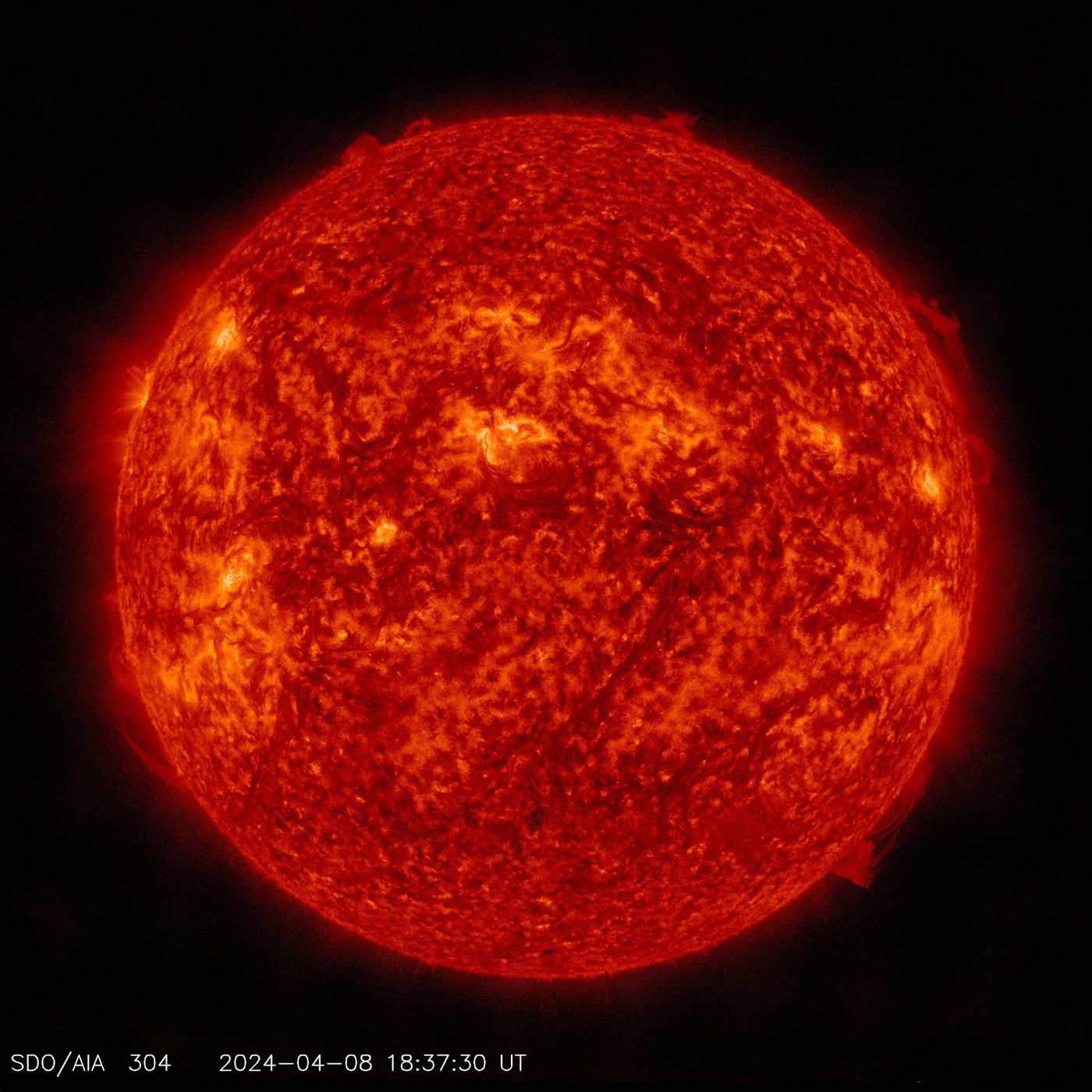
NASA Solar Dynamics Observatory image of the active Sun during solar maximum, showing why a certified front-mounted telescope solar filter is required for safe observing

Buying Guide · Solar Maximum 2026

Best Solar Filter for Telescope 2026: Safe Front-Mounted Filters for Sunspots and Eclipses

A solar filter is the safest, lowest-friction way to turn an ordinary telescope into a daytime Sun and eclipse instrument. This guide explains which certified filter to buy, how to size it correctly, and when a solar binocular or dedicated solar telescope is the smarter choice.

Best overallUniversal front filter
Best small scope70mm refractor filter
Safety standardISO 12312-2
Never useEyepiece filters
By Telescope Advisor Editorial Team Published: Updated: Editorial Standards Eclipse Glasses Guide

Read This First: A Telescope Solar Filter Goes on the Front, Not the Eyepiece

Never look at the Sun through a telescope, binocular, finder scope, camera lens, or optical viewfinder unless a certified solar filter is securely mounted over the front objective. The filter must reduce sunlight before the light enters the instrument. A small eyepiece-end "solar filter" is unsafe because concentrated heat can crack it without warning. Eclipse glasses are also unsafe behind a telescope because the telescope has already concentrated the Sun before the light reaches the glasses.

The safe setup is simple: certified front filter, firm attachment, finder covered or removed, and an inspection before every session. If the filter is loose, scratched, punctured, creased, peeling, or unmarked, do not use it. Your eyesight is worth more than a clever workaround.

Quick Answer: Which Solar Filter Should Most Telescope Owners Buy?

For most medium and large telescopes, choose a certified universal front-mounted solar filter that fits the outside diameter of your telescope tube. The Celestron EclipSmart Universal Solar Filter is the most practical choice for many 5-inch to 8-inch instruments, including common Schmidt-Cassegrains, Maksutovs, and some reflector tubes. It uses dedicated solar filter material, mounts at the front of the optical tube, and is easier to transfer between compatible telescopes than a model-specific rigid cap.

For a small beginner refractor, choose a 70mm class front filter. The Celestron EclipSmart 70mm filter is the cleanest match for popular 70mm refractors, travel scopes, and starter setups. It is the most sensible entry path if your goal is sunspots, partial eclipse phases, or occasional solar observing without buying a dedicated solar telescope.

For casual eclipse travel, solar binoculars may be better than adapting your telescope. A telescope filter gives more detail, but it also requires a mount, alignment, careful supervision, and a stable place to observe. For the August 12, 2026 eclipse trip, a pair of built-in-filter solar binoculars plus spare ISO eclipse glasses is often the safer group-viewing kit.

Best for most telescopes

A universal front filter that clamps securely over the optical tube. Best for SCTs, Maks, and many 5-inch to 8-inch tubes.

Best for starter refractors

A dedicated 70mm class filter. Best for AstroMaster, Travel Scope, and similar small refractors.

Best for eclipse travel

Solar binoculars with built-in filters. Nothing separate can fall off during a busy public or family viewing session.


What This Guide Covers, and What It Does Not

This page is a buying and fit guide for front-mounted white-light solar filters for ordinary telescopes. If you already own a refractor, reflector, Dobsonian, Maksutov, or Schmidt-Cassegrain and want to view sunspots, photograph the solar disk, or follow the partial phases of an eclipse, this is the page you need.

It does not try to replace three nearby guides. Our solar observing guide explains how to observe the Sun safely and what sunspots, faculae, projection, and H-alpha observing mean. Our best solar telescope guide compares complete dedicated solar telescopes and H-alpha instruments. Our Celestron NexStar solar filter guide is the narrower fit page for SCT owners who want model-specific sizing.

The unique angle here is practical selection: which filter category fits your telescope, how to measure safely, which products are worth considering, and which alternatives make sense if your current telescope is awkward for solar work. That matters in 2026 because Solar Cycle 25 has made the Sun visibly active and the August 12 total solar eclipse will put solar-filter demand under pressure across Europe and North America.

Best Solar Filters for Telescopes in 2026

The safest solar filter is the one that is certified, fits securely, and is simple enough that you will not improvise under pressure. The recommendations below prioritize front-mounted safety, real-world fit, ease of use, and clear use cases. No product here is suggested for eyepiece-end filtering.

Editor's Pick - Best for Most Medium/Large Telescopes
Celestron EclipSmart Universal Solar Filter for front-mounted telescope solar observing

Celestron EclipSmart Universal Solar Filter

This is the easiest recommendation for telescope owners who need a front filter for a medium or large optical tube. The universal design is more forgiving than a fixed-size cap, which matters if you own more than one telescope or are not sure whether the dew shield, corrector-cell ring, or tube lip changes the outside diameter. It is the cleanest choice for many 5-inch to 8-inch class scopes, including common SCTs and Maks, and it is especially useful for owners who want one filter for both sunspot watching and the partial phases of the 2026 eclipse.

Choose this if your telescope is too large for a small refractor filter, if you want a reusable filter for several compatible instruments, or if your main concern is secure attachment. Do not choose it blindly for a tiny refractor or oversized Dobsonian. Measure the outside front diameter first, then confirm the filter's fit range before ordering.

Celestron EclipSmart 70mm front-mounted solar filter for small refractor telescopes

Celestron EclipSmart 70mm Solar Filter

Best for 70mm class beginner refractors and travel scopes. This is the straightforward pick if your telescope is a small refractor and your goal is to see sunspot groups, practice solar projection alternatives, or follow an eclipse crescent without moving to a larger mount. A small refractor with a properly fitted front filter is one of the calmest solar setups because the tube is light, the field is easy to aim by shadow, and magnification stays in a beginner-friendly range.

Celestron EclipSmart 10x25 solar binoculars with built-in solar filters

Celestron EclipSmart 10x25 Solar Binoculars

Best non-telescope alternative for travel, kids, and public events. Built-in solar filters remove the main failure point of removable binocular filters: nothing can fall off the front objective. You will not get the same image scale as a telescope, but you can see the Sun as a magnified disk, catch large sunspots, and pass the binoculars around more safely than a mounted telescope in a crowd.

Celestron EclipSmart 12x50 solar binoculars for detailed solar eclipse and sunspot viewing

Celestron EclipSmart 12x50 Solar Binoculars

Better image scale and steadier sunspot detection than compact solar binoculars, but more demanding to hand-hold. Best for observers who can brace their elbows or use a tripod.

Helioclipse ISO 12312-2 eclipse glasses pack for safe naked-eye solar viewing

Helioclipse Eclipse Glasses

Not a telescope filter, but every solar setup should have spare certified glasses for naked-eye checks, guest safety, and eclipse timing before anyone approaches the telescope.

Lunt Solar Systems ISO 12312-2 eclipse glasses for safe solar observing support

Lunt Solar Eclipse Glasses

A trusted backup option from a solar-observing brand. Useful for families, classrooms, and eclipse trips where you want every viewer protected before telescope use.

Solar Filter Comparison Table

Do not choose by magnification first. Choose by safety and fit. The filter must fully cover the telescope's front aperture and stay attached when the tube is angled, bumped lightly, or exposed to a breeze.

Product Best Use Tier Why Choose It Link
Celestron EclipSmart Universal Medium/large telescopes Flexible Best one-filter solution for many 5-inch to 8-inch tubes. Amazon
Celestron EclipSmart 70mm Small refractors Entry Simple front filter for 70mm class beginner scopes. Amazon
EclipSmart 10x25 Solar Binoculars Travel and groups Portable Built-in filters reduce user error during eclipse events. Amazon
EclipSmart 12x50 Solar Binoculars More detailed handheld views Upgrade More image scale for sunspots and eclipse crescent detail. Amazon

How to Choose the Right Solar Filter Size

The most common solar-filter mistake is measuring the telescope's advertised aperture instead of the physical outside diameter at the front of the tube. A "70mm telescope" has a 70mm objective lens, but the filter may need to fit over a dew shield or outer cell that is wider than 70mm. A "203mm SCT" may require a filter that fits the front corrector-cell assembly, not exactly 203mm.

Step-by-step sizing workflow

  1. Leave the dust cap on while measuring. You do not need to expose the optics just to measure the front tube diameter.
  2. Measure the outside diameter where the filter will sit. Use calipers if you have them. A ruler can work, but measure twice from edge to edge.
  3. Identify obstructions. Dew-shield lips, finder brackets, dovetail plates, and front-cell screws can affect how a filter seats.
  4. Choose a filter with a secure fit range. If your measurement is near the edge of a product's fit range, choose a different size or a model-specific filter.
  5. Test indoors before the observing day. The filter should seat firmly without touching the objective lens, corrector plate, or mirror cover.

Sizing examples

  • 70mm refractor: often uses a 70mm class front filter, but confirm the dew-shield outside diameter.
  • 5-inch to 8-inch SCT: often works best with a universal front filter that grips the front cell or dew-shield rim.
  • Tabletop Dobsonian: measure the upper tube or aperture ring. Some open-tube designs need a custom full-aperture solution.
  • Large Dobsonian: a full-aperture commercial filter can become bulky. An off-axis certified filter can be easier, but it must still be securely front-mounted.
  • Binoculars: filter both objective lenses or use dedicated solar binoculars. Never filter only one side.

If you are buying for a known Celestron SCT, use the model-specific advice in our NexStar and SCT solar filter guide. If you are buying for a beginner refractor, check the telescope's review page first, such as our Celestron AstroMaster 70AZ review, then measure the front housing before ordering.


🔭

Not sure which telescope actually fits your goals?

Answer 5 quick questions about your budget, observing targets, and experience level — our Telescope Finder Tool recommends a specific model in under 2 minutes.

Find My Telescope →

Glass, Polymer, Film, and H-alpha: What Kind of Solar Filter Do You Need?

Most telescope owners searching for a solar filter need a white-light front filter. White-light filters show the photosphere: sunspots, large spot groups, bright faculae near the limb, and the Moon crossing the solar disk during an eclipse. They do not show red prominences, filaments, or the chromosphere. Those require a dedicated H-alpha system or a purpose-built solar telescope.

Glass solar filters

Glass filters are rigid and easier to handle. They usually create a warm yellow or orange solar disk. The tradeoff is weight and, in some models, slightly softer fine detail than premium film. They are attractive for public events because the frame feels robust and the filter is easy to inspect.

Solar film and polymer

Film filters can be extremely sharp when properly mounted and tensioned. They are light, portable, and common in certified front-filter products. The key is not the material alone, but the certification, mounting quality, and absence of pinholes or creases.

H-alpha filters

H-alpha systems isolate a narrow wavelength around 656.28 nm and reveal prominences and chromospheric detail. They are not the same as a simple white-light safety filter. For most buyers, a dedicated H-alpha solar telescope is the cleaner path.

For a first solar setup, buy a certified white-light front filter. It is the simplest way to observe large sunspot groups during solar maximum, support eclipse observing, and learn daytime telescope handling. Add H-alpha later only if you find yourself wanting to watch prominences and filaments evolve over minutes.

Best Solar Filter by Telescope Type

Small refractors and travel scopes

Small refractors are the best beginner solar-filter platform. They cool instantly, require no collimation, and are easy to aim by minimizing the tube's shadow on the ground. Pair a 70mm class refractor with a matching front filter and keep magnification modest. For most sessions, an eyepiece that gives a full solar disk is better than chasing extreme magnification. If your refractor is part of a travel kit, read our portable telescope guide before building an eclipse travel kit.

Schmidt-Cassegrain and Maksutov telescopes

SCTs and Maks can deliver sharp solar-disk views when filtered correctly, but they require extra attention to fit. The filter must sit over the front corrector assembly without touching glass, blocking vents, or loosening as the tube moves. A universal filter is attractive here because many owners have dew shields, front cells, and accessories that change the effective outside diameter. Cover or remove the finder scope, use low power first, and never leave the telescope unattended in direct Sun.

Dobsonian and Newtonian reflectors

A filtered reflector can show excellent sunspot detail, especially at moderate aperture, but fit becomes the challenge. Closed-tube reflectors need a filter over the full front opening. Large Dobsonians may be easier with an off-axis front filter, but only if the opening is fully baffled and no unfiltered sunlight can enter the tube. Do not use solar projection with a reflector; heat can damage internal components. For nighttime context, see our Dobsonian telescope guide.

Binoculars and spotting scopes

Binoculars concentrate sunlight just like telescopes. If you use ordinary binoculars, both front objectives must be filtered securely. In practice, dedicated solar binoculars are safer for most readers because the filters are built into the instrument. They are also easier to pass around during eclipse parties. For deeper product selection, use the solar binoculars guide.

Using a Telescope Solar Filter for the August 12, 2026 Eclipse

A telescope solar filter is useful for every partial phase of the August 12, 2026 eclipse. It lets you watch the Moon slowly bite into the Sun, track the shrinking crescent, and show guests details that eclipse glasses cannot reveal. If you are in the path of totality across Greenland, Iceland, or Spain, the filter stays on during all partial phases and comes off only during totality, when the bright photosphere is completely hidden.

The operational rule is simple but unforgiving: filter on before first contact, filter off only during totality, filter back on before totality ends. Assign one person to manage the telescope. Do not let a line of guests touch the filter, refocus aggressively, or swing the tube. If you are not in totality, the filter never comes off. Viewers in the UK, most of Europe outside the path, and the United States will see a partial eclipse only, so direct solar protection is required for the entire event.

Eclipse telescope checklist

  • Practice the full setup at least a week before the eclipse.
  • Mark the filter's secure seated position with removable tape if helpful.
  • Use a low-power eyepiece that shows the full solar disk.
  • Cover or remove all finder scopes before pointing near the Sun.
  • Keep spare certified glasses nearby for naked-eye viewing and guests.
  • Use a timer for totality; do not rely on excitement or crowd noise.

For trip planning, pair this filter guide with the 2026 Europe eclipse hub, our best places to see the eclipse in Spain, and the personal eclipse timing tool.

Inspection, Handling, and Storage Checklist

A solar filter is safety equipment, not a decorative telescope accessory. Treat it the way you would treat climbing gear or a bicycle helmet: inspect it before use, retire it if damaged, and store it so it cannot be crushed or scratched.

Before every session

  • Inspect the front surface under indoor light.
  • Look for pinholes, tears, separated film, scratches, and edge gaps.
  • Confirm the frame is not warped and all grips or screws work.
  • Attach the filter before pointing the telescope anywhere near the Sun.
  • Gently tug-test the filter before looking through the eyepiece.

After every session

  • Let the filter cool before packing if it has been in direct Sun.
  • Store it in a rigid box or original case, not loose in a bag.
  • Keep it away from keys, tools, eyepieces, and tripods.
  • Do not wipe dusty film unless the manufacturer specifically allows it.
  • Label the filter with the telescope it fits to avoid event-day confusion.

If you find a defect, replace the filter. Do not tape over a pinhole, patch torn film, or assume a small scratch is harmless. The whole point of a solar filter is predictable attenuation across the full optical path.

Authority References Used for This Guide

Solar safety is not an area for folklore. This guide follows the consensus position used by professional and educational astronomy organizations: direct solar viewing requires a certified solar viewer or a properly mounted front-aperture solar filter. The same safety logic applies whether you are observing sunspots on an ordinary afternoon or the partial phases of an eclipse.

NASA Solar Dynamics Observatory image of the Sun with active regions during solar maximum
Image credit: NASA/SDO. Optimized local copy for web performance. The image shows solar activity in extreme ultraviolet; a telescope with a white-light filter shows sunspots on the photosphere, not this ultraviolet wavelength view.

Frequently Asked Questions

What is the best solar filter for a telescope in 2026?

For most medium and large telescopes, a certified universal front-mounted solar filter is the best practical choice. For a small 70mm refractor, choose a matching 70mm class front filter. The correct choice depends on the outside diameter of your telescope's front tube or dew shield, not only the advertised aperture.

Can I use eclipse glasses with a telescope?

No. Eclipse glasses are safe only for naked-eye solar viewing. A telescope concentrates sunlight before it reaches your eye, so the filter must be mounted over the front of the telescope before light enters the instrument.

Are eyepiece solar filters safe?

No. Eyepiece solar filters are unsafe because concentrated sunlight and heat reach the rear of the telescope before filtering. They can crack or fail. Use only a certified front-mounted full-aperture solar filter or a purpose-built solar telescope.

What can I see through a white-light solar filter?

A white-light solar filter shows the Sun's photosphere. You can see sunspots, large sunspot groups, the outline of the solar disk, and the Moon crossing the Sun during eclipse partial phases. It will not show red prominences or filaments; those require H-alpha equipment.

Do I remove the solar filter during totality?

Only if you are inside the path of totality and only during the brief total phase when the Sun's photosphere is completely covered. The filter must be back on before totality ends. If you are viewing a partial eclipse, the filter stays on for the entire event.

Can I photograph the Sun through a telescope solar filter?

Yes, if the certified front-mounted solar filter is installed before sunlight enters the telescope. Use low magnification first, keep exposures short, and never point an unfiltered optical finder or camera viewfinder at the Sun.