Best Telescope for Planets Only (2026): Focused Picks for Jupiter, Saturn, and Mars
Telescope Advisor Logo Telescope Advisor
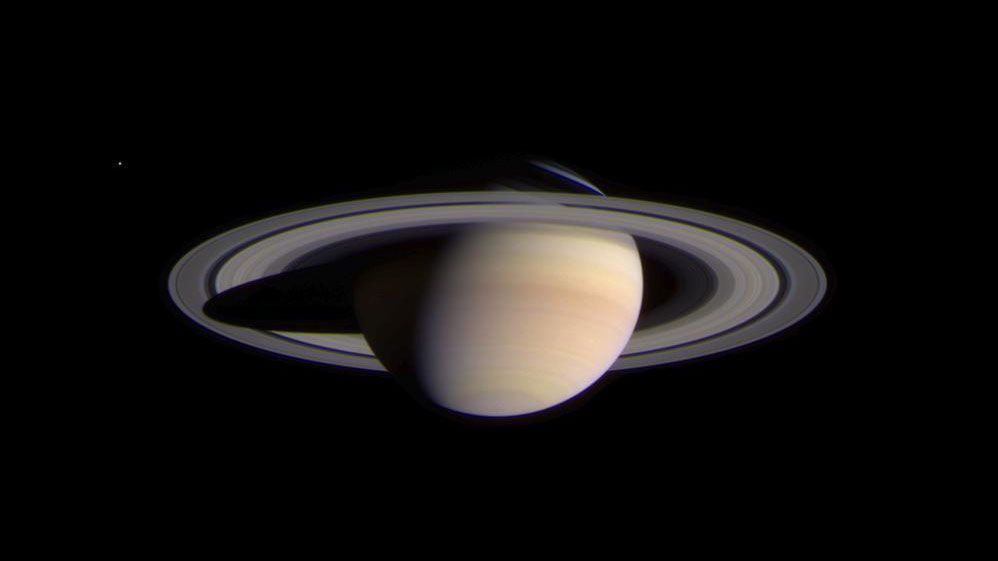
Detailed Saturn and ring system reference image

Planets-Only Buying Guide · 2026

Best Telescope for Planets Only (2026): Focused Picks for Jupiter, Saturn, and Mars

If you care about planets more than deep-sky objects, you need long focal length, stable mounts, and realistic magnification ranges. This guide ranks five planet-first telescopes that prioritize sharp detail over inflated spec-sheet claims.

Planet-first

No fluff

5

Ranked picks

120x-220x

Useful range

First-night safe

Beginner ready

By Telescope Advisor Editorial Team Published: Updated: Editorial Standards

Quick Answer: What Is the Best Telescope for Planets Only?

For most buyers focused only on planets, the best choice is the Celestron NexStar 8SE. It combines an 8-inch aperture with a long 2032mm focal length, giving enough light and scale to show Saturn ring structure, Jupiter band contrast, and cleaner lunar detail.

If your budget is lower, prioritize focal length and mount stability over accessory count. A modest telescope with good stability consistently beats a larger but shaky setup for planetary viewing.

Use this practical target range: around 120x to 220x for regular nights, with occasional higher magnification only when seeing conditions support it.

Top 5 Telescopes for Planets-Only Viewing (Ranked)

Editor's Pick - Best Overall Planet Telescope
Celestron NexStar 8SE telescope

1) Celestron NexStar 8SE

Strong planet detail for serious visual users. The long focal length naturally supports practical high-power observing without pushing fragile magnification extremes.

View on Amazon →
Sky-Watcher Skymax 127 Maksutov-Cassegrain telescope

2) Sky-Watcher Skymax 127

Compact Mak-Cass design that punches above its size for lunar and planetary contrast. Excellent pick when storage space matters.

View on Amazon →
Celestron NexStar 5SE telescope

3) Celestron NexStar 5SE

Simpler footprint than larger SCTs while still delivering solid planetary scale for beginner-to-intermediate users.

View on Amazon →
Celestron C90 Mak spotting scope telescope

4) Celestron C90 Mak

Travel-friendly planetary scope with sharp center-field views. Best when you want compact size and lunar-first usage.

View on Amazon →
Celestron AstroMaster 70AZ refractor telescope

5) Celestron AstroMaster 70AZ

Lowest-cost entry that still supports clean first looks at Saturn's rings and Jupiter's brighter band structure under steady skies.

View on Amazon →
🔭

Not sure which telescope actually fits your goals?

Answer 5 quick questions about your budget, observing targets, and experience level — our Telescope Finder Tool recommends a specific model in under 2 minutes.

Find My Telescope →

What You Will Actually See on the Planets

  • Jupiter: Main cloud bands, four Galilean moons, and occasional transit shadows in good seeing.
  • Saturn: Ring system is clear, with ring tilt changes through the year affecting visual contrast.
  • Mars: Small disk most of 2026, with limited surface detail except during better seasonal geometry.

Planetary success depends as much on atmosphere as on hardware. A steady night with moderate power often produces more detail than a turbulent night at extreme magnification.

Planet-Only Buying Framework

  • Step 1: Prioritize focal length and optical stability over maximum advertised magnification.
  • Step 2: Choose a mount you can set up consistently; shaky mounts kill planetary detail.
  • Step 3: Buy two good eyepieces before buying many accessories.
  • Step 4: Learn thermal cooldown and collimation basics for repeatable sharpness.
  • Step 5: Upgrade aperture only after your observing routine is consistent.

Magnification and Eyepiece Strategy for Planets

Use realistic power bands for cleaner outcomes:

Power Range Use Case Practical Notes
80x to 120xFirst lock-in and centeringBest starting point for unstable seeing.
120x to 180xMost productive planet detailMain working range on average nights.
180x to 220xGood nights onlyUseful for Saturn rings and Jupiter contrast when air is steady.

Starter Planet Setups by Budget

Budget Recommended Setup Best First Targets
$150 to $300AstroMaster 70AZ + 10mm eyepieceMoon, Jupiter bands, Saturn ring shape
$300 to $700Skymax 127 or NexStar 5SEJupiter moons and richer Saturn ring contrast
$700 to $1,400NexStar 8SE with two quality eyepiecesBest all-around visual planet detail

Planet-by-Planet Observing Workflows That Work for Beginners

Planet-only observers improve faster when each session has a target-specific workflow. Jupiter, Saturn, and Mars reward different techniques. If you treat them the same way every night, you leave detail on the table. The best beginner strategy is to standardize your process in layers: setup, acquisition, low-power lock, incremental magnification, and a short detail checklist.

Jupiter Workflow

Start at lower power to center cleanly, then move into your main working range once the image stabilizes. On average nights, Jupiter detail is mostly about timing moments of steadier air. Look for broad equatorial band contrast first, then scan for finer variation only when the disk calms. Track the four Galilean moons and note their arrangement night to night. This simple habit teaches you orbital change and improves your ability to hold low-contrast details visually. When seeing supports it, look for transit shadows as tiny dark dots crossing the disk. Beginners who log moon positions and cloud band contrast usually develop better observational discipline than those who only chase high power.

Saturn Workflow

Saturn is often the most emotionally rewarding beginner target. First lock ring shape at modest power, then increase only as long as edge sharpness remains stable. Watch the Cassini division region carefully in steadier moments and note how ring tilt affects apparent contrast through the year. Pay attention to planet-ring brightness differences and to major moons if transparency is strong. Saturn rewards patient viewing; brief stable windows can reveal significantly more structure than constant magnification changes. A calm, repetitive approach beats aggressive eyepiece swapping almost every time.

Mars Workflow

Mars is a high-expectation trap for beginners. In most of 2026 it is not at its best geometry, so surface detail can be subtle. Use Mars sessions as technique training: precise focus, seeing evaluation, and disciplined comparison across nights. When the disk is small, treat visible albedo differences as bonus detail rather than guaranteed output. Keep logs of apparent disk size, color tone, and any polar-cap hints. This builds realistic expectation and prevents unnecessary gear churn when atmospheric geometry, not your telescope, is the limiting factor.

If you run these three workflows for 10 to 15 sessions each, your practical skill will improve dramatically, even before you buy anything else. Planetary progress comes from repeatability more than novelty.

Seeing, Cooldown, and Setup Discipline: The Hidden Performance Multipliers

Many buyers assume sharper planet detail requires a bigger telescope first. In practice, thermal equilibrium and atmospheric stability can override raw aperture. A larger scope that is not cooled or is used in poor seeing can produce softer views than a smaller, well-prepared setup. Beginners who learn thermal discipline early get more value from every telescope tier.

Cooldown Fundamentals

Take the telescope outside with enough lead time before high-power observing. Closed-tube systems usually need more patience. During cooldown, avoid pointing over hot rooftops, pavement, or heat vents that inject turbulence into the light path. If you observe from a balcony or patio, test multiple viewing angles; small directional changes can materially improve image steadiness. Keep your expectations dynamic: first 20 minutes for acquisition and framing, later windows for detail extraction.

Seeing Assessment in Real Time

Before pushing magnification, evaluate star steadiness and planet limb stability. If the limb boils continuously, reduce power and wait. If you see intermittent calm moments, hold position and observe patiently through those windows. Good planetary sessions are often built from short bursts of clarity rather than constant crispness. Beginners who learn to adapt power to seeing make better use of average nights and avoid the common frustration of forcing overly high magnification.

Practical Setup Checklist

  • Stabilize tripod or base fully before fine focus work.
  • Allow thermal settling before judging optical sharpness.
  • Center target at lower power, then step up gradually.
  • Use deliberate, small focus adjustments rather than constant re-racking.
  • Log seeing quality to correlate detail with conditions, not assumptions.

This discipline is free and often produces more visible improvement than the next accessory purchase. It is the highest-return upgrade for most planet-only beginners.

Focus and Collimation: Why Sharp Planet Views Depend on Small Details

Planetary observing is unforgiving. Small focus errors or mild collimation drift can erase subtle contrast features that beginners are trying to learn. The difference between "soft but visible" and "crisp with structure" is often not a new telescope. It is careful setup execution.

Focus Technique for Beginners

Use a two-pass method: first pass for obvious sharpness, second pass for micro-adjustment once your eye settles. Planet detail can appear to sharpen after several seconds of steady viewing, so avoid over-correcting based on single moments of blur. Focus should be revisited after significant temperature drops or eyepiece changes. If your mount vibrates during focusing, pause and let motion settle before judging the result. This small patience habit prevents endless focus chasing.

Collimation Confidence

Reflector users should treat collimation as normal maintenance, not a technical barrier. A quick verification routine before major sessions keeps performance stable. For beginners, the key is consistency: perform the same check sequence every time rather than trying advanced adjustment patterns immediately. If collimation is close, do not over-adjust. Precision improves with repetition, and conservative corrections reduce error risk.

Quality-Control Routine Before High Power

  1. Confirm target is centered and mount is stable.
  2. Evaluate seeing for one minute at medium power.
  3. Run fine focus pass and wait for vibration damping.
  4. Only then increase magnification for detail extraction.
  5. If detail degrades, step back down instead of forcing more power.

Beginners who apply this routine typically report cleaner planetary sessions within a few weeks, even with the same hardware.

First-Year Planet-Only Skill Plan

A planet-only telescope purchase is most successful when paired with a clear one-year learning path. The plan below is designed to maximize visual skill growth before major upgrade spending.

Months 1-2: Setup Fluency

Your goal is to make setup and centering automatic. Run short sessions with Jupiter or Saturn whenever possible. Focus on mount behavior, cooldown timing, and stable focus technique. Keep magnification conservative while you learn your local seeing pattern.

Months 3-4: Detail Extraction

Begin structured detail checklists: cloud bands, ring definition, moon positions, and limb sharpness. Compare observations across multiple nights to separate real detail from one-off impressions. This is where logs become valuable; recurring details confirm skill growth.

Months 5-8: Efficiency and Consistency

Refine your preferred magnification bands by condition. Build a repeatable pre-session checklist and reduce wasted motion. You should now know which nights support higher power and which nights reward lower, steadier viewing. Avoid random accessory buying during this phase unless a specific bottleneck is clear.

Months 9-12: Upgrade Readiness

At this stage you can make informed upgrade decisions based on evidence: your logs, your sky, and your session frequency. Most users benefit first from better eyepieces, improved comfort, and workflow refinement. Larger optical upgrades make more sense only after these basics are optimized. This sequence protects budget and increases the chance that every upgrade produces visible value.

This first-year approach turns planet observing into a compounding skill. Instead of relying on novelty gear, you build repeatable methods that keep improving your results long after the initial purchase.

Planet-Only Session Templates and Upgrade Matrix

A major reason beginners stall is that every session starts from scratch. Planetary observing rewards repeatable templates. Instead of deciding everything in the field, use fixed session patterns and adjust only one or two variables each night. This creates cleaner comparisons and faster skill growth.

Template A: 30-Minute Weeknight Session

Use this on average nights when time is limited. Set a single target and one main magnification range. Spend five minutes on setup stability and cooldown check, five minutes on low-power acquisition, fifteen minutes on detail extraction, and five minutes on notes. Keep goals narrow: one cloud-band quality score for Jupiter or one ring-edge clarity score for Saturn. The objective is consistency and habit reinforcement, not maximum detail capture.

Template B: 60-Minute Comparison Session

Choose two targets, usually Jupiter and Saturn. Run identical magnification progression on both so your notes are comparable. Log seeing in simple grades (poor, average, good, excellent) and record which magnification delivered the best sustained detail for each target. Over time this becomes a local performance map that tells you exactly when to push power and when to back off.

Template C: High-Quality Night Exploitation

When seeing is clearly above average, move beyond baseline checks and attempt finer detail goals: band texture variation on Jupiter, ring definition improvement on Saturn, or subtle albedo contrast on Mars. Keep your baseline magnification as reference, then test one step higher for short windows. If quality drops, return to baseline quickly. Good nights are for controlled experimentation, not permanent high-power locking.

Simple Log Format That Improves Results

  • Date, time, location, and transparency/seeing grade.
  • Target and primary magnification range used.
  • Best observed details with confidence level (high, medium, low).
  • What limited the session most (seeing, cooldown, vibration, focus, fatigue).
  • One change to test next session.

This format keeps logs actionable. The key line is the final one: one change to test next session. Incremental testing prevents random gear churn and turns each observation into a skill experiment.

Upgrade Matrix: What to Buy and When

Planet-only users should upgrade by bottleneck stage, not by marketing cycle. Use this matrix to decide your next move:

Current Bottleneck Best Next Step What to Avoid
Hard target acquisitionImprove finder alignment and pre-session target planningBuying high-power eyepieces first
Soft detail on most nightsCooldown discipline and seeing-based magnification controlAssuming optics are defective immediately
Frequent focus instabilityRefine focus process and vibration controlJumping to extreme magnification
Session fatigue / short observing windowsImprove ergonomics and prep workflowAdding more accessories to manage in the dark
Stable workflow but limited detail ceilingThen evaluate optical upgrade pathUpgrading before logging enough consistent sessions

This matrix protects budget while maximizing actual observing gains. By the time you reach true optical upgrade stage, you will know exactly what improvement you are buying and why.

Another useful advanced-beginner habit is periodic baseline nights. Once every few weeks, run a session with your exact original setup and core eyepieces, then compare to your current workflow. This isolates whether improvements are coming from your skill development or from equipment changes. Most observers find that better timing, steadier focus control, and smarter magnification choices contribute more than expected. Baseline nights keep decision-making honest and reduce unnecessary upgrade pressure.

Finally, treat seasonal geometry as part of your template. Planet altitude, local weather stability, and transparency patterns change throughout the year. A setup that feels average in one month can perform far better in another when targets ride higher and atmospheric path length decreases. If you maintain clean logs across seasons, your upgrade choices become evidence-driven, not emotion-driven. That is the core advantage of a planet-only system: repeated, structured observation can produce measurable progress without constant reinvestment.

If you keep this system for a full year, you will have something more valuable than random equipment: a proven local observing playbook. You will know which targets perform best in each season, which magnifications survive your typical seeing, and which setup changes genuinely improve detail. That knowledge compounds with every session and makes each future upgrade more effective.

FAQ: Planet-Only Telescope Buying

Is a Dobsonian or SCT better for planets?

Both can work well, but compact SCT and Mak designs are often easier for planet-only buyers who want long focal length in a smaller footprint.

Do I need 300x magnification to see planets clearly?

No. Most nights favor moderate power in the 120x to 220x range. Stable seeing and optics matter more than chasing high numbers.

Can beginners see Saturn rings on night one?

Yes, with proper setup and realistic expectations. Even smaller telescopes can show ring separation from the planet under decent conditions.