

Quick Answer
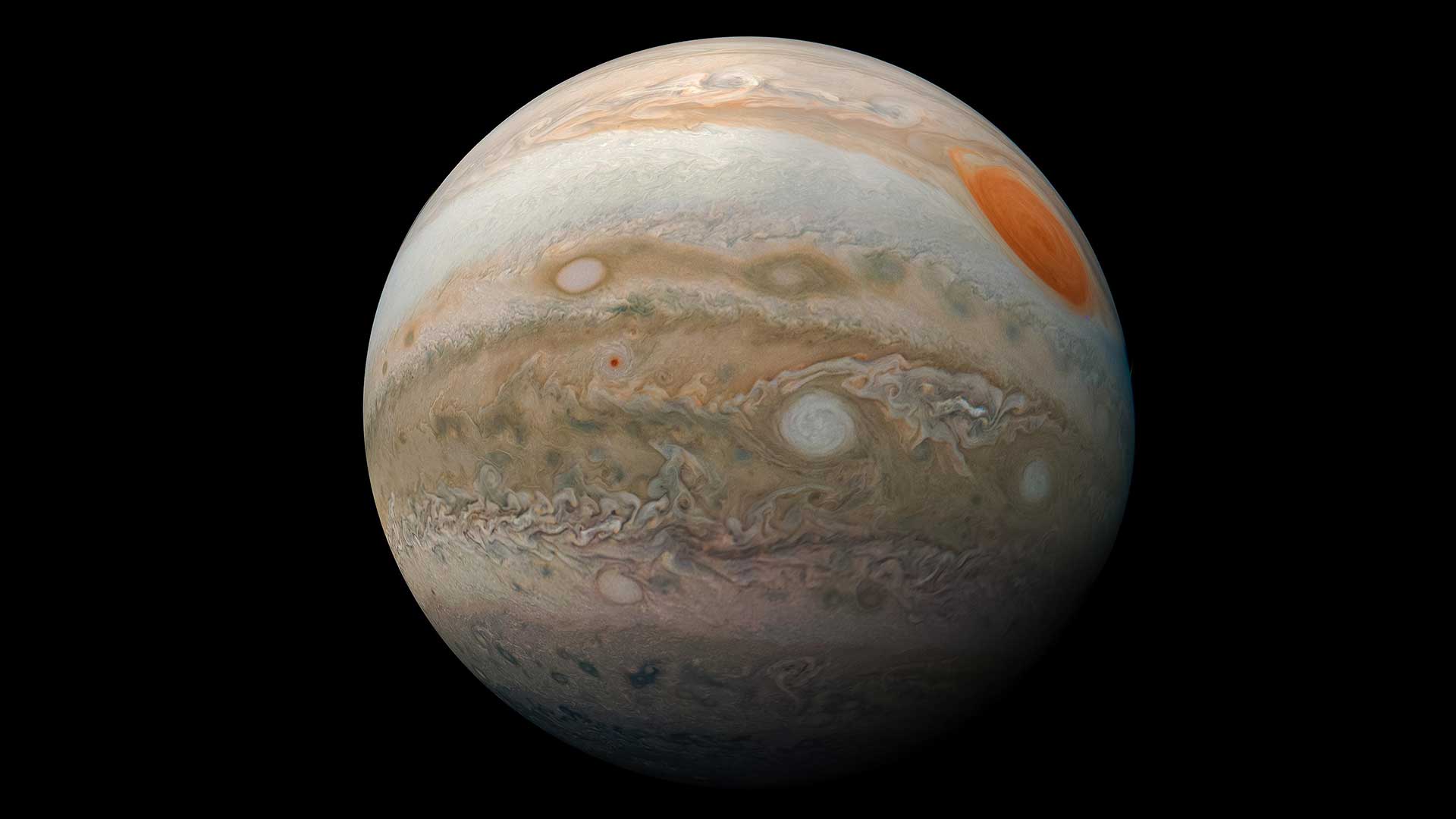
You can see Jupiter's main cloud bands with any telescope of 60mm aperture or larger. For the Great Red Spot and finer details, a 100mm+ scope is recommended. The Sky-Watcher Heritage 130P offers the best Jupiter views under $300 — its 130mm mirror reveals multiple cloud bands, the GRS (when facing Earth), and up to four moons. For GoTo convenience, the Celestron NexStar 5SE or 6SE track Jupiter automatically. For the ultimate visual experience, an 8-inch Dobsonian shows festoons, barges, and fine structure in the belts.


