
Can You See Color in Nebulae Through a Telescope? Practical 2026 Guide
Telescope Advisor Logo Telescope Advisor
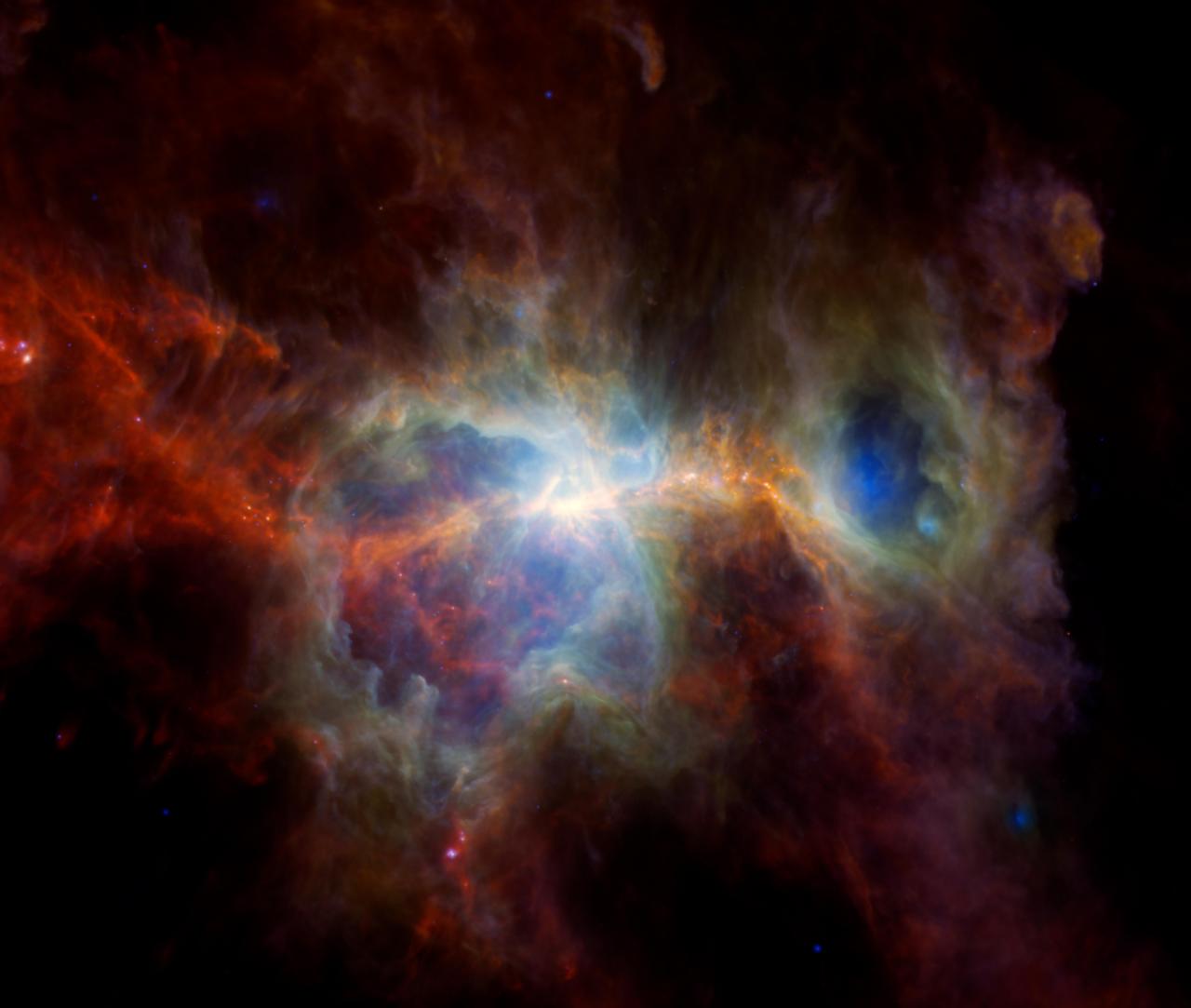
Orion Nebula color structure from NASA

Practical Observer Guide - 2026

Can You See Color in Nebulae Through a Telescope?

This page is built for real sessions, not marketing claims. You get practical thresholds, realistic eyepiece outcomes, and workflow decisions that improve repeatability night after night.

By Telescope Advisor Editorial Team Published: Updated: Editorial Standards

Quick Answer

The short answer is yes in some conditions and no in others. The difference comes from surface brightness, contrast, sky quality, and matching magnification to your aperture. Use this guide to avoid unrealistic expectations and build a repeatable observing workflow that gets results from your actual location.

For best outcomes, prioritize target selection and sky timing over raw magnification. A sharp, high-contrast view at moderate power delivers more detail than an oversized blur at maximum power.

Practical Strategy

Start every session with one high-confidence target to calibrate focus and atmospheric steadiness, then move to one medium-difficulty target, then a single challenge object. This structure improves outcomes and prevents frustration-driven overmagnification. Keep short notes about seeing, transparency, and best working eyepiece; this turns each night into reusable data.

If you observe from a city, lean on high surface-brightness targets and shorter sessions. If you can travel to darker skies monthly, reserve galaxies and faint nebulosity for those windows. The same telescope can feel drastically different depending on sky background and adaptation quality.

Advanced Field Notes: Long-Form Strategy for nebula color visibility

This extended section gives a practical, repeatable framework designed for reader-first results. It is intentionally detailed so you can return to it before each observing night and use it as a session blueprint, not just a one-time read.

This nebula-color playbook focuses on realistic expectation control. It prioritizes texture and brightness zones first, then subtle hue hints only where conditions support them.

Session Step Primary Action Why It Helps
1. Target orderBegin with Orion Nebula, then Lagoon/Swan-style bright nebulae, then tougher targets.Builds confidence and keeps session pacing stable.
2. Magnification bandUse low-to-medium power for brightness; avoid pushing power when color cues are subtle.Prevents over-magnification and protects contrast.
3. Verification loopConfirm brightness gradients first, then check for consistent hue hints in bright regions.Reduces false positives and improves repeatability.
4. Condition pivotIf no color cue appears, continue with structure/contrast observations instead.Saves sessions when sky quality changes unexpectedly.
5. End-of-session logLog where grayscale detail was strongest and whether hue hints repeated.Creates a practical baseline for the next observing night.

Before Session

Pick one easy target, one medium target, one stretch target.

During Session

If detail drops, step down power and verify the same feature twice.

After Session

Record best detail, best magnification, and one improvement note.

Condition Primary Move Fallback Move
Steady seeing, average transparencyPrioritize detail extraction at medium powerDrop one power step to recover contrast
Poor seeing, clear skyShift to lower-power structure targetsRun cluster and wide-field object set
Bright urban skyUse high-surface-brightness object listPivot to Moon/planetary training session
Dark-sky windowAttempt stretch targets after adaptationReturn to known objects for confirmation

Extra Depth: nebula color expectation control

Color perception at the eyepiece is primarily a threshold problem. Most nights reward grayscale texture recognition first, then subtle hue hints in bright regions. This gives advanced readers a durable method for turning one-time success into repeatable outcomes across different nights and locations.

A high-quality observing workflow uses layered verification: first confirm target acquisition, then verify detail at multiple powers, then validate by stepping down and back up in magnification to confirm stability. This sequence prevents false positives and helps separate atmospheric blur from optical limits.

Environmental control is just as important as optics. Stray light shielding, thermal stabilization, and disciplined dark adaptation produce measurable gains in contrast perception. Many observers underestimate these factors and then misjudge their telescope's capability. When these controls are handled properly, visual detail improves without additional equipment spend.

Another practical gain comes from structured repetition. Instead of chasing entirely new targets every night, revisit a short benchmark list and compare outcomes under varying transparency and seeing. This creates personal baselines and makes future upgrades far more data-driven.

For long-term growth, pair your benchmark list with concise session notes: date, sky class, seeing estimate, best magnification, and confirmed details. Over several months, this log becomes one of your strongest tools for improving observation quality and reducing wasted clear-sky windows.

Session Validation Checklist

Before ending each observing session, run a short validation loop: reacquire your main target from scratch, repeat the best magnification setting, and confirm whether the same details are visible a second time. This process reduces false positives and builds confidence in what you actually observed. Over multiple nights, this method creates a reliable personal baseline and improves decision speed on future sessions, especially when conditions are changing quickly and you need to choose between target classes under limited time.