Quick Answer: How Many Moons Does Jupiter Have?
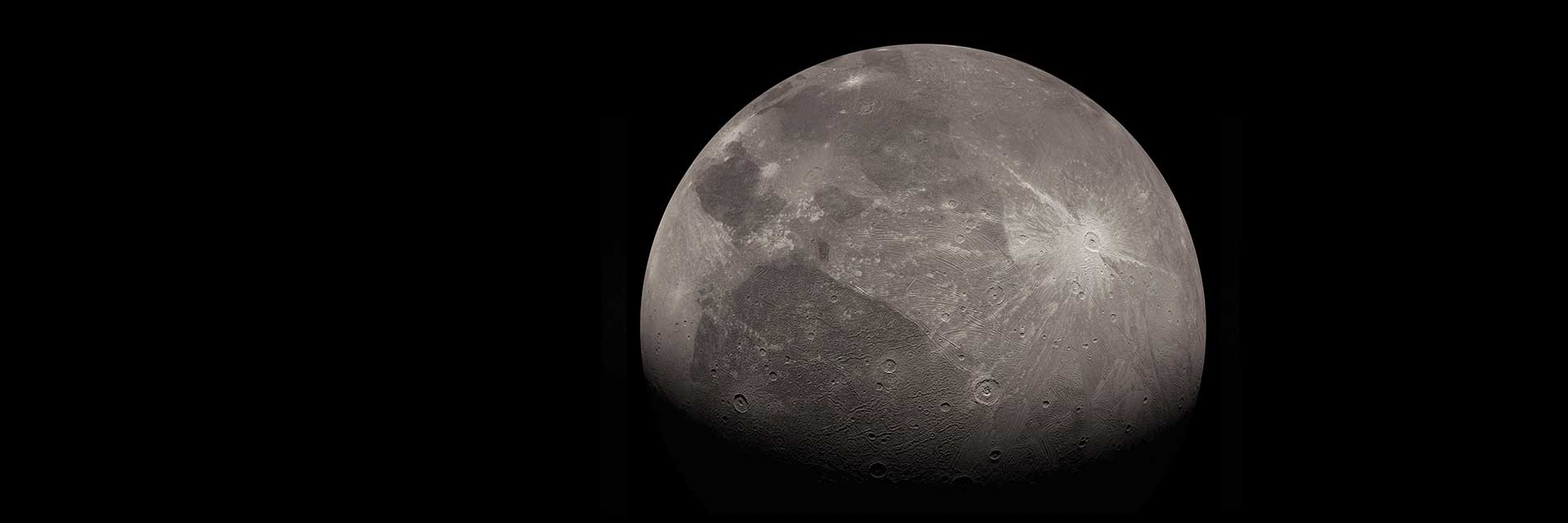
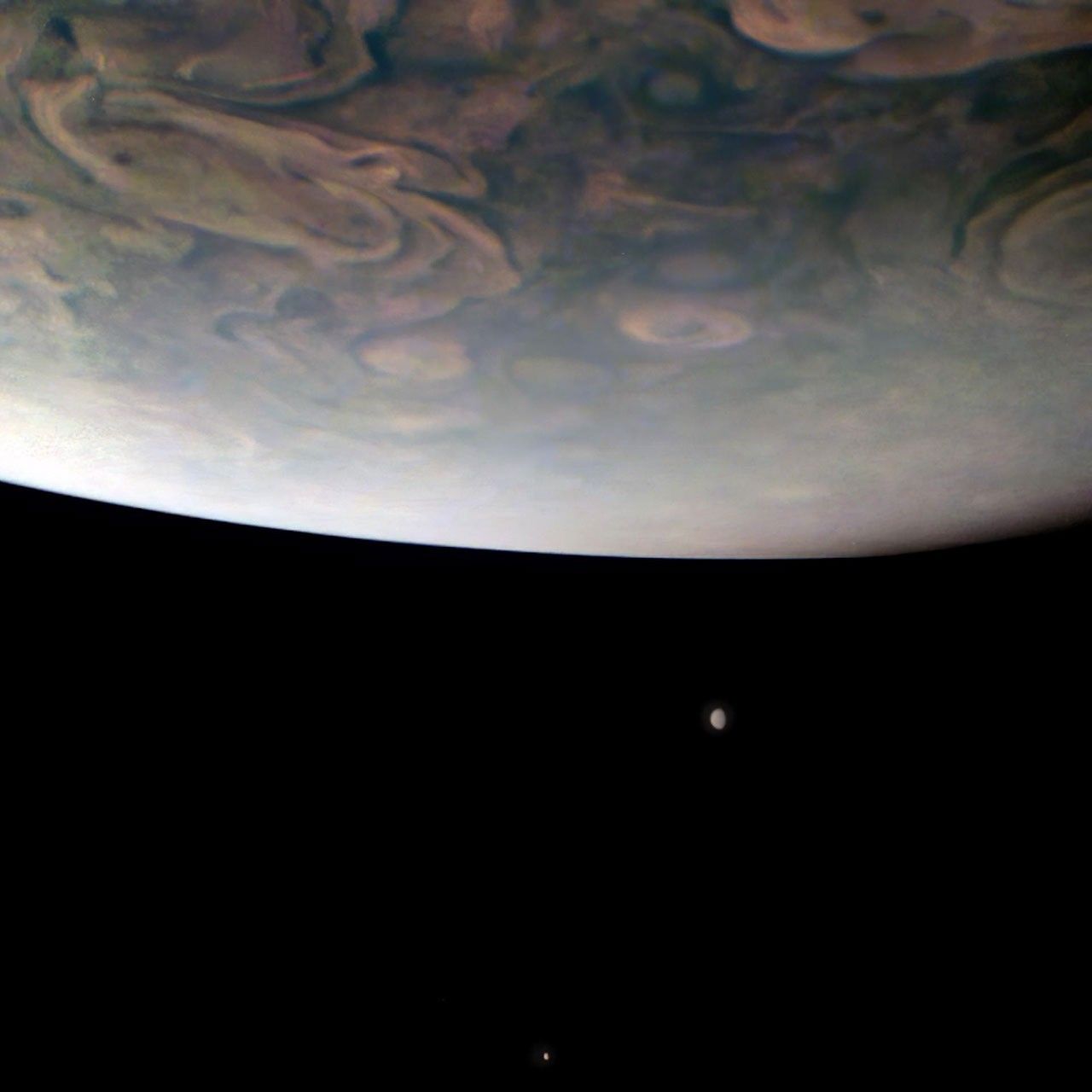
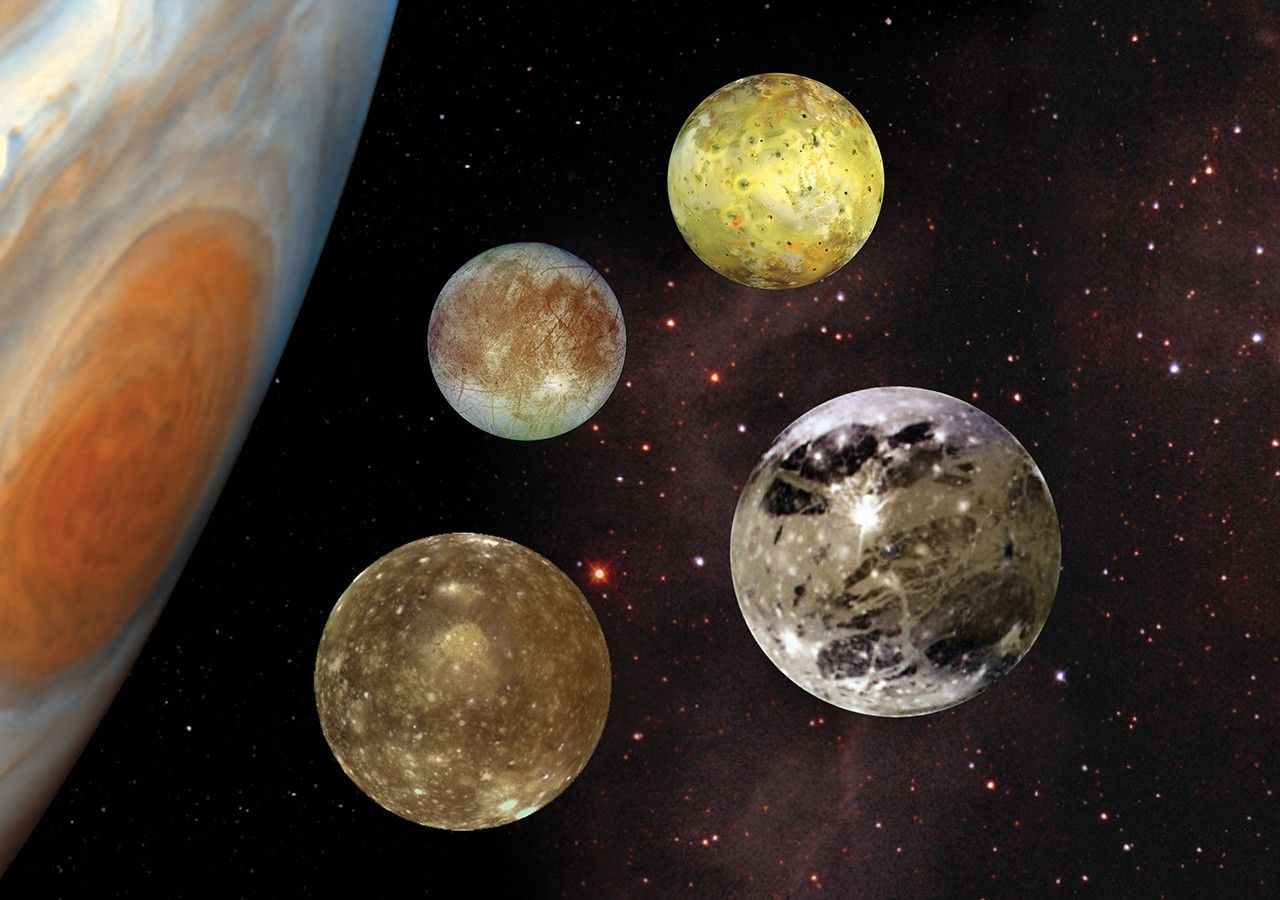
Jupiter has 101 confirmed moons as of March 2026. The four largest — Io, Europa, Ganymede, and Callisto — were discovered by Galileo Galilei in 1610 and are visible through any telescope or even 7× binoculars. The remaining 97 moons are mostly tiny captured asteroids and irregular satellites, ranging from 1 to 180 km in diameter, and are invisible in amateur telescopes. Ganymede, the largest, is bigger than the planet Mercury.
Galilean moons (4)
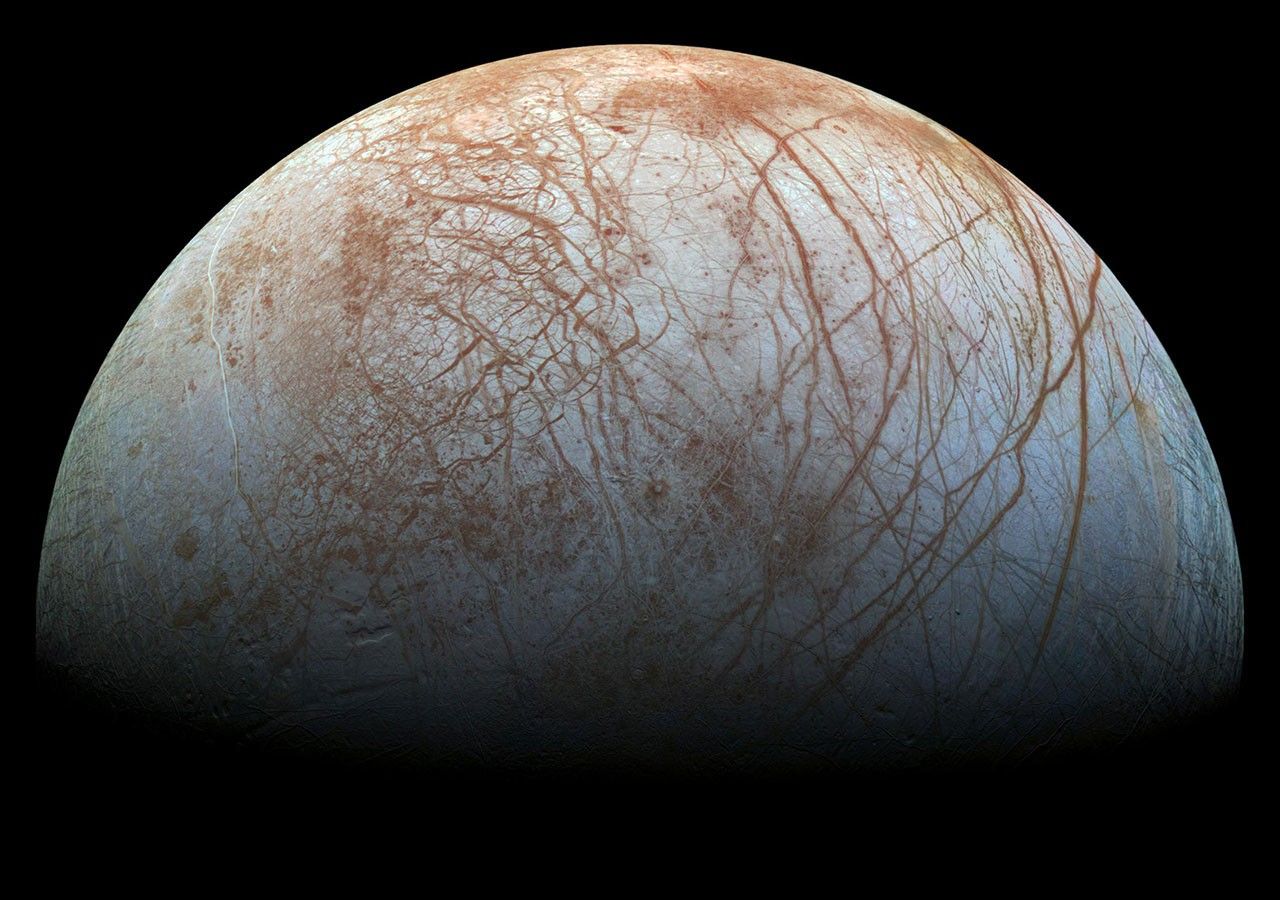
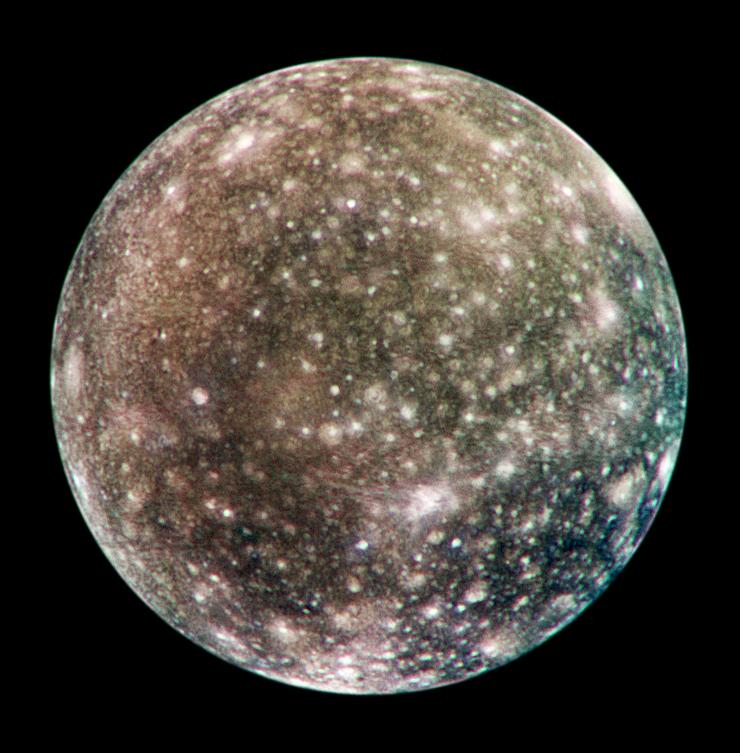
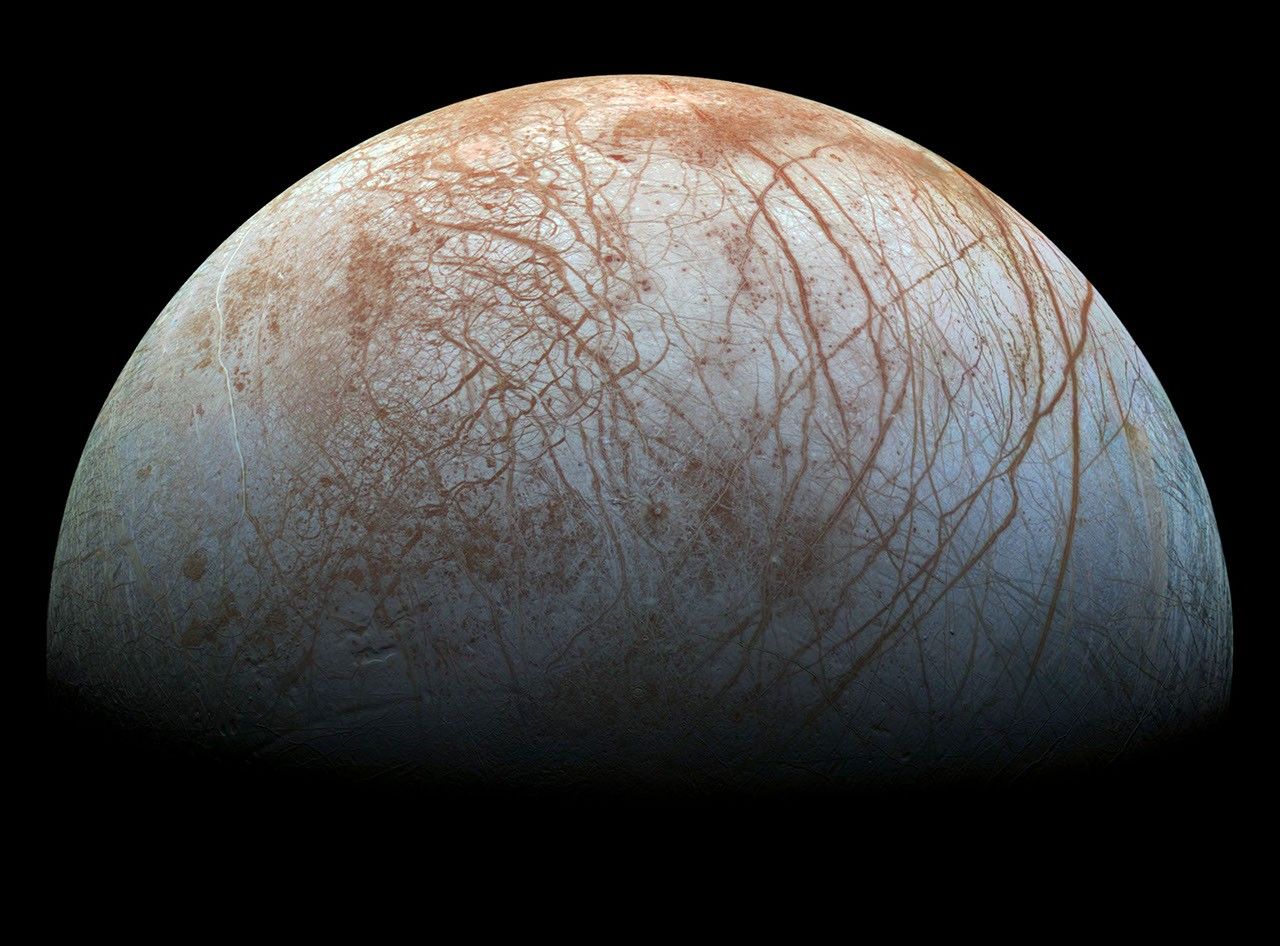
Io, Europa, Ganymede, Callisto. All are planet-sized worlds. Visible in 7× binoculars as bright dots flanking Jupiter. Easily resolved in any 70mm telescope.
Inner moons (4)
Metis, Adrastea, Amalthea, Thebe. Orbit inside Io. All under 200 km. Visible only to spacecraft or the largest observatory telescopes.
Irregular outer moons (93)
Tiny captured objects — mostly asteroids and Kuiper Belt-like bodies — in distant, eccentric, and often retrograde orbits. Invisible in amateur instruments.