
Interstellar Comet 3I ATLAS: How to See It in 2026 + Best Binocular Setup
Telescope Advisor Logo Telescope Advisor
Comet above Earth horizon as seen from space

COMET TRACKING GUIDE · 2026

Interstellar Comet 3I ATLAS: How to See It in 2026

A practical observer-first guide to one of the most searched comet topics right now: what 3I ATLAS is, what to expect at the eyepiece, and the setup most likely to succeed from suburban skies.

3I

Interstellar designation

15x70

Best starter optics

Bortle 4-5

Ideal sky quality

By Telescope Advisor Editorial Team Published: Updated: Editorial Standards

Quick Answer: Can You See Interstellar Comet 3I ATLAS With Amateur Gear?

Yes, if brightness and sky position cooperate, binoculars are usually your best first tool. Start with a wide-field setup before moving to telescope magnification. For most observers, a 15x70 binocular on a tripod is the best balance between light-gathering power and framing.

If you only have one instrument, prioritize sky access and repeat sessions over high magnification. A single clear dark-sky session with stable 15x70 binoculars often beats a shaky high-power telescope attempt in bright suburban skyglow.
🔭

Not sure which telescope actually fits your goals?

Answer 5 quick questions about your budget, observing targets, and experience level — our Telescope Finder Tool recommends a specific model in under 2 minutes.

Find My Telescope →

What Is Interstellar Comet 3I ATLAS?

The "3I" label means this object is cataloged as an interstellar visitor, following the same naming logic used for earlier interstellar detections. In plain English: it is not a normal short-period or long-period comet that belongs to the Sun's long-term family.

For observers, the practical takeaway is simple: treat this as a moving deep-sky target. Re-check current finder charts before every session, plan for multiple attempts, and use realistic expectations for visual brightness from your observing location.

Bright comet in twilight sky
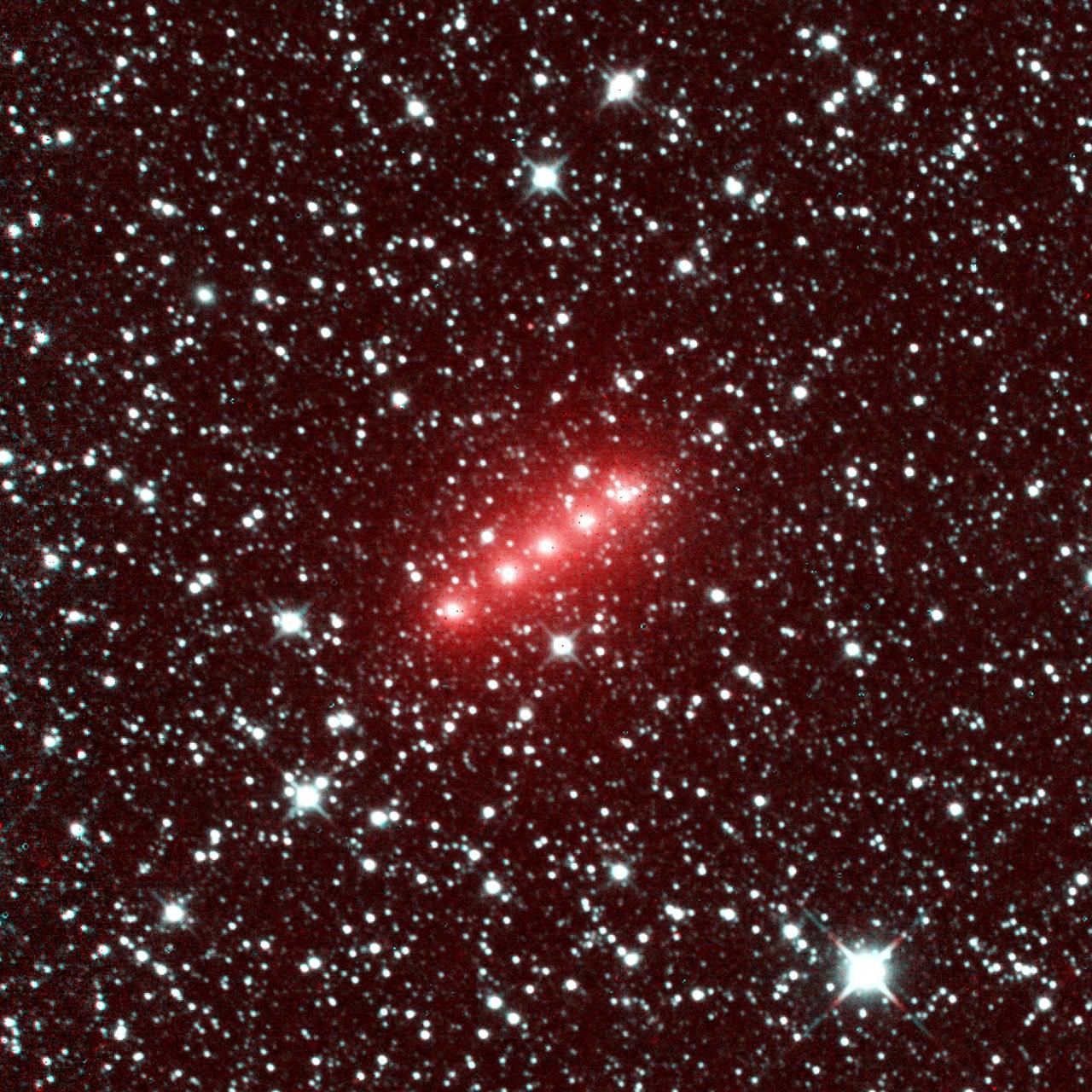
Reference comet image for observing context. Credit: NASA/public domain.

How to Watch 3I ATLAS: A Repeatable Session Plan

  1. Check a current chart/app for tonight's position and altitude before leaving home.
  2. Observe from the darkest practical site you can reach, ideally Bortle 4-5 or better.
  3. Start with binoculars for target acquisition and broad coma/tail context.
  4. Move to low-power telescope eyepiece only after target lock is confirmed.
  5. Log what you saw each night; comets change quickly and subtle changes become obvious over multiple sessions.

Observer note

If transparency is poor, skip high magnification. Better contrast at lower power often reveals more comet structure than a dim, over-magnified view.

Best Gear for Interstellar Comet 3I ATLAS

Editor's Pick - Best First Purchase
Celestron SkyMaster 15x70 binoculars

Celestron SkyMaster 15x70

Strong light grasp for faint diffuse targets and wide enough framing for practical comet work.

Celestron Cometron 7x50 binoculars

Celestron Cometron 7x50

Budget-friendly wide field for fast target acquisition and comfortable handheld scanning.

Celestron Travel Scope 70 refractor

Celestron Travel Scope 70

A simple low-power refractor option if you want to move from binocular framing into eyepiece study.

FAQ: Interstellar Comet 3I ATLAS

Do I need a telescope to see 3I ATLAS?

Not necessarily. Binoculars are usually the best first step for comet detection because they are brighter and wider-field than most beginner telescope setups.

What magnification is best for comet viewing?

Start low and wide. Roughly 7x to 20x often works best for initial detection. Increase power only after you secure the target and conditions support it.

Can I see the tail from a city?

Sometimes the bright inner coma is visible from suburban/city edges, but tail detail is much easier from darker sites with better transparency.

Related Guides