Meteor Shower Tonight 2026: Peak Times, Live Viewing Plan, and Best Gear
Telescope Advisor Logo Telescope Advisor
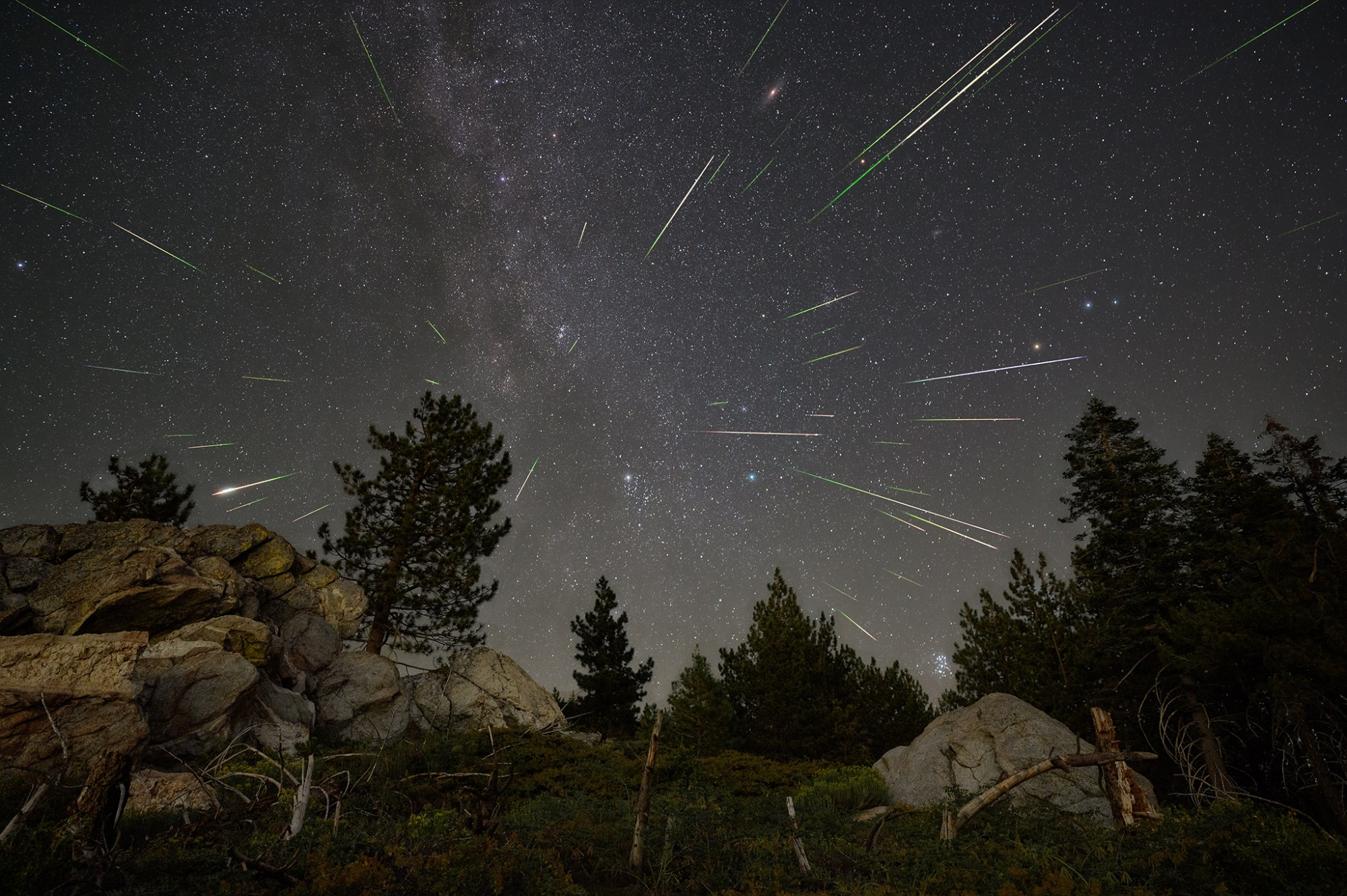
Perseid meteor streaks radiating through a star field at night

Live Skywatching Guide · 2026

Meteor Shower Tonight 2026:
Exact Peak Hours, Visibility Rules, and Best Gear

If you are searching "meteor shower tonight," you do not need generic astronomy theory. You need a direct answer: whether tonight is worth your time, what hour to go out, where to look, and which gear actually increases meteor counts. This guide gives you a practical, conversion-ready viewing plan for every major 2026 shower.

8

Major 2026 Showers

11 PM-4 AM

Most Productive Window

No Scope Needed

Naked-Eye Primary Event

10x50

Best Accessory Class

By Telescope Advisor Editorial Team Published: Updated: Editorial Standards

Quick Answer: Is There a Meteor Shower Tonight and Is It Worth Going Out?

Most nights have a background meteor rate, but true "meteor shower tonight" value depends on three filters: shower activity window, moonlight level, and your local sky transparency. If a shower is active, the Moon is below first quarter or below your horizon, and your sky has at least moderate transparency, tonight is worth a focused one-hour session.

For practical use, assume the best return arrives from late evening through pre-dawn, with the highest rates usually after midnight local time. Meteor showers are not telescope targets in the usual sense. You primarily observe with your eyes and use binoculars as support tools for radiant confirmation, star-hopping, and cloud-gap strategy.

If your sky is bright urban Bortle 7-9, you can still catch brighter fireballs, but raw counts drop significantly. A short drive to darker skies can multiply visible meteors by several times. The difference is dramatic and immediate, especially during Perseids, Geminids, and Quadrantids.

🔭

Not sure which telescope actually fits your goals?

Answer 5 quick questions about your budget, observing targets, and experience level — our Telescope Finder Tool recommends a specific model in under 2 minutes.

Find My Telescope →

2026 Meteor Shower Calendar: Which Nights Matter Most

When users search "meteor shower tonight," they usually need an immediate yes or no. This table is built for operational decisions, not encyclopedia reading. It tells you which shower is active, expected intensity under dark skies, and how strongly moonlight can reduce visible counts. Rates below are idealized under dark rural skies and clear conditions; city observers should expect lower visible rates.

Shower Active Window Peak Night(s) Dark-Sky Rate Practical Note
QuadrantidsLate Dec to mid JanJan 2-3High, narrow peakExplosive but short window; weather often the limiting factor.
LyridsMid to late AprilApr 21-22ModerateReliable first major spring shower for casual observers.
Eta AquaridsApr to MayMay 5-6Moderate to strong (south-favored)Best before dawn; southern US generally performs better.
Southern Delta AquariidsJul to AugJul 29-30ModerateSteady background during summer observing season.
PerseidsJul to AugAug 12-13StrongTop mainstream shower; high public interest and excellent outreach value.
OrionidsOct to NovOct 22-23ModerateFast meteors and decent rates under dark skies.
LeonidsNov to DecNov 16-17VariableHistorically known for storm years; modern years are usually modest.
GeminidsDec 1-21Dec 12-13Very strongOften the best annual shower by consistency and brightness.

For immediate planning, treat Perseids and Geminids as the two highest-probability high-impact nights for first-time observers. If your goal is fast social content, outreach photos, or beginner success, start there. If your goal is advanced observation logs, include Quadrantids and Orionids in your schedule with stricter weather contingency planning.

Tonight Readiness Checklist: 5-Minute Go or No-Go

You can avoid almost all wasted sessions by running this checklist before leaving home. If you score at least four yes answers, tonight is a valid observing night. If you score three or fewer, move to a backup date unless you are specifically testing gear or practicing photography settings.

  • Is a named shower active tonight, or is there at least a known elevated sporadic rate?
  • Is cloud cover forecast low enough for at least one sustained clear interval?
  • Is the Moon below the horizon during your main window, or is moonlight weak enough to tolerate?
  • Can you observe for at least 45 to 90 continuous minutes?
  • Do you have a safe, unobstructed sky sector away from direct urban glare?

A meteor session is a probability game. Your first 10 minutes can feel quiet, then produce multiple meteors in a short burst. This uneven pacing is normal. Do not judge a night by the first five minutes. Build sessions around patient intervals, not single snapshots of activity.

Practical rule

If your session window is under 20 minutes, skip setup-heavy equipment. Bring chair, warm layer, red flashlight, and binoculars only.

Best Time by US Time Zone

For most showers, the midnight to pre-dawn interval is strongest because your observing location rotates into the leading side of Earth relative to incoming debris. Evening sessions can still produce bright meteors, but count rates are usually lower than after local midnight.

Time Zone Best Core Window Backup Window Execution Note
Eastern12:30 AM-4:00 AM10:30 PM-12:30 AMIf clouds are moving fast, start early and hold for post-midnight clearing.
Central11:30 PM-3:00 AM9:30 PM-11:30 PMUse 60-minute blocks and log counts every 15 minutes.
Mountain10:30 PM-2:30 AM9:00 PM-10:30 PMHigh transparency nights can outperform coastal forecasts.
Pacific10:00 PM-2:00 AM8:30 PM-10:00 PMMarine layers can collapse rapidly after midnight; keep a late backup slot.

For high-value peaks like Perseids and Geminids, aim for a two-night strategy: peak night plus one shoulder night before or after. That single adjustment is the easiest insurance against bad weather and often improves total observed counts over a season.

Moonlight Impact: The Fastest Way to Avoid Bad Expectations

The Moon is the largest variable beginners underestimate. A bright Moon can erase faint meteors and make a high-rate shower feel average. It does not fully kill a shower, but it changes what you can realistically see. Bright fireballs still punch through, while weaker streaks disappear into sky glow.

Use this practical model for expectation control:

  • New Moon to thin crescent: best conditions, full shower potential.
  • First quarter to waxing gibbous: moderate degradation, still worthwhile if Moon sets before your core window.
  • Near full Moon: expect lower apparent rates unless you are under excellent transparency and dark horizons.

Moon position matters as much as moon phase. A bright Moon low on the horizon behind trees is far less destructive than a bright Moon high overhead. If moonlight is unavoidable, orient your viewing sector away from the Moon and use foreground obstructions strategically to reduce glare.

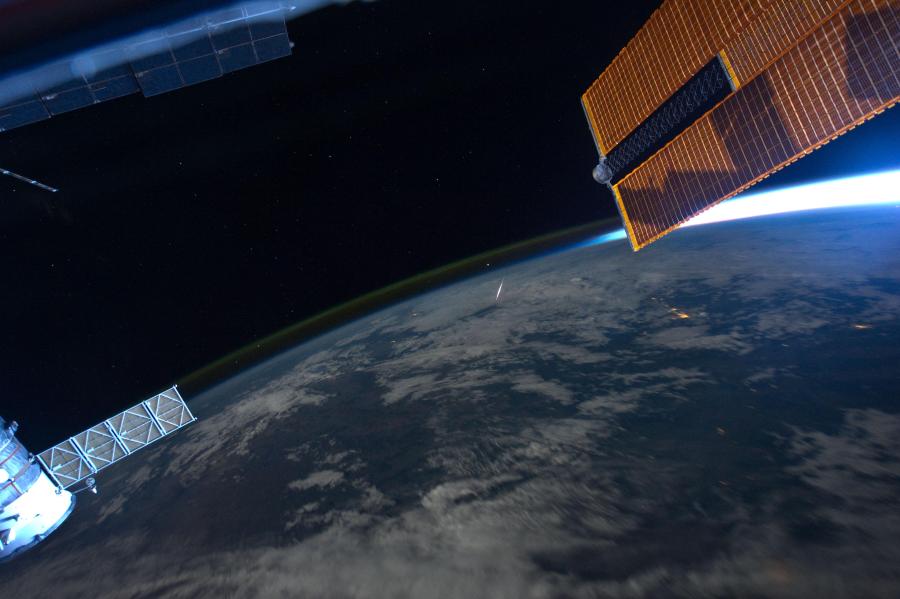
Meteor entering Earth atmosphere seen from space
Meteor entering Earth atmosphere as seen from orbit. Bright meteors remain visible even in suboptimal conditions, but weaker streaks are highly sensitive to moonlight and haze. Image credit: NASA.

Where to Look: Radiant Strategy Without Overthinking

Most people are told to stare directly at the radiant. That is usually not ideal. Meteors near the radiant are shorter and can look less dramatic. For better visual impact and easier detection, look roughly 30 to 60 degrees away from the radiant and about 40 to 70 degrees above your horizon. This creates longer trails and improves catch rate for casual sessions.

Do not lock your gaze on one tiny patch of sky for an hour. Use slow sector sweeps between two comfortable sky zones while keeping your neck relaxed. Eye fatigue and posture breakdown are hidden reasons observers quit early and undercount events.

Best first zone

45 degrees up, opposite your brightest local light source, with a wide field clear of trees and rooftops.

Best second zone

Shift 20 to 30 degrees laterally every 10 to 15 minutes to avoid visual adaptation lock-in.

Best Gear for Meteor Shower Nights

Meteor showers are naked-eye first, comfort-first events. The best setup often looks simple: reclining chair, warm layer, thermos, and patience. However, carefully chosen optical gear improves your total success through context awareness, star-hopping, and post-shower sky touring.

Binoculars are the most practical upgrade class. They do not increase raw meteor counts directly, but they improve session quality: you can confirm radiant regions, inspect persistent trains, and pivot into clusters and nebulae during lulls. A compact telescope can be useful after the peak hour, especially if you are pairing the session with lunar, planetary, or double-star targets.

Editor's Pick - Best Value Upgrade for Meteor Nights
Celestron SkyMaster 15x70 binoculars

Celestron SkyMaster 15x70

For observers who want one affordable step up from entry binoculars, 15x70 gives better reach on star fields, clusters, and bright deep-sky objects after your meteor watch window. Use with tripod for stability and better comfort over long sessions.

Celestron AstroMaster 70AZ telescope

Celestron AstroMaster 70AZ

Not a meteor counter by itself, but an ideal companion telescope for mixed sessions. Use eyes first for meteor activity, then switch to telescope for moon, planets, or bright deep-sky objects once shower intensity drops.

Need an entry telescope for all-round sky nights? Check current AstroMaster 70AZ price ->

Goal Best Tool Magnification Why It Works
Maximum meteor countsUnaided eyes + reclining chair1xWidest field always wins for meteor detection.
Better sky context10x50 binoculars10xGreat balance of hand-hold stability and reach.
Post-peak deep-sky tour15x70 binoculars on tripod15xStrong low-light performance for clusters and bright nebulae.
All-round night extension70mm refractor20x-80xAdds lunar and planetary value after meteor window.

Field Workflow: How to Turn Tonight Into a High-Quality Session

Most observers lose quality in the first 20 minutes because setup is reactive. A planned workflow removes friction and increases actual sky time. Use this sequence for consistent results whether you are solo, with family, or running a small outreach group.

  1. T-3 hours: confirm cloud and transparency model updates; lock primary and backup site.
  2. T-2 hours: pack in one pass: chair, warm layer, red light, battery pack, lens cloth, and hydration.
  3. T-60 minutes: arrive and choose a viewing axis away from direct light domes.
  4. T-30 minutes: dark-adapt your eyes and avoid bright phone exposure.
  5. Core window: run 15-minute counting intervals and note brightest events separately.
  6. Lull strategy: switch to binocular sky tours instead of quitting early.
  7. Closeout: log conditions, counts, and lessons while memory is fresh.

If you are chasing social content, capture your metadata first: location, time block, shower name, and moon phase. These details dramatically improve credibility and shareability. A clean observing log with modest photos usually performs better than cinematic photos with no context.

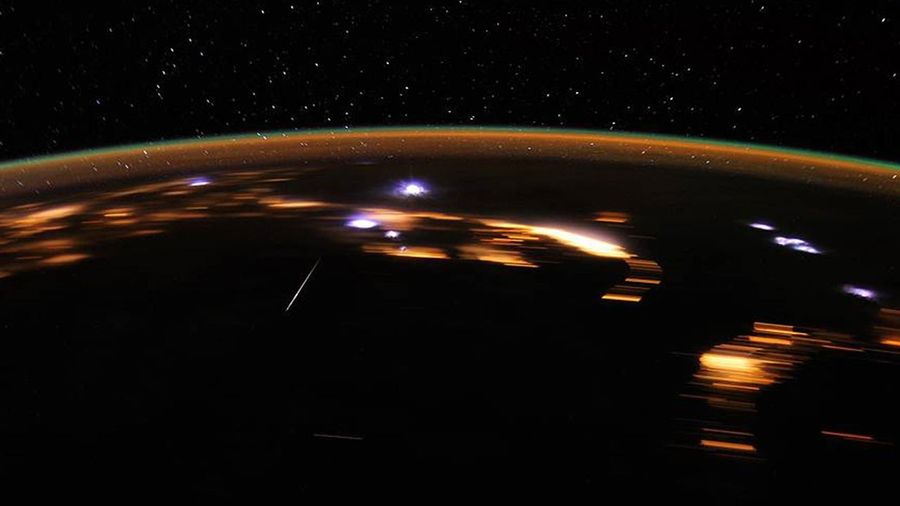
Lyrid meteor trail over Earth from orbital perspective
Meteor streak over Earth from orbit perspective. Sessions improve when you plan around windows instead of waiting for random bursts. Image credit: NASA.

How to Photograph a Meteor Shower Tonight

Meteor photography is less about one perfect frame and more about disciplined capture volume. You improve results by running many stable exposures with consistent composition. Wide lens, stable tripod, interval shooting, and patience are the winning combination.

For beginners, keep your first objective simple: capture any meteor trail with clean foreground. Do not chase extreme settings. Reliable repetition beats one risky setup. If conditions are uncertain, prioritize stable exposure and avoid frequent camera changes that break continuity.

Starter camera settings

  • Wide lens in the 14mm to 24mm range
  • Exposure 10 to 20 seconds
  • Aperture as wide as available
  • ISO adjusted for sky brightness and noise tolerance
  • Continuous interval capture for 45+ minutes

Common failure points

  • Overly long exposures causing star trails without tracking
  • Lens fog in humid conditions
  • Framing too close to horizon light domes
  • Frequent screen checks destroying dark adaptation
  • Stopping too early before post-midnight activity

For social and editorial use, include one frame with a recognizable skyline or landscape element. Meteor images with context outperform abstract star-only frames for audience engagement and click-through behavior. If your goal is Google Discover and news feed pickup, clarity and story context are usually more valuable than technical perfection.

Most Common Meteor Shower Mistakes (and How to Fix Them Fast)

Even experienced observers can underperform on meteor nights because meteor watching rewards habits that are different from telescope-only sessions. The biggest problem is expectation mismatch: people bring narrow-field observing behavior into a wide-field event. If you optimize for comfort, visual coverage, and sustained attention, your observed counts improve immediately.

Mistake one is over-equipping. Bringing too much hardware creates setup drag and increases time spent facing bright screens instead of dark sky. For meteor-first nights, your primary gear should be a chair, layers, hydration, and a simple logging method. Optics are optional enhancements, not the center of the session.

Mistake two is quitting early. Many showers produce uneven bursts where long quiet intervals are followed by several visible meteors in minutes. If you leave after a quiet first block, you often miss the best segment of the night. Commit to at least 60 to 90 minutes for meaningful results.

Mistake three is watching too close to artificial light. A small relocation can dramatically increase visibility. Even moving behind a building to block a nearby light source can raise perceived contrast enough to catch more faint streaks. If you cannot leave the city, use local obstructions to reduce direct glare and keep your eyes dark-adapted.

Mistake four is ignoring weather micro-conditions. "Clear" in the forecast can still mean thin haze, poor transparency, or humidity that softens contrast. Build a two-site plan and decide early. A short drive to better transparency often beats staying in marginal conditions and hoping for improvement.

Mistake five is treating the radiant as the only view zone. You will often see longer and more dramatic trails by scanning 30 to 60 degrees away from the radiant. Alternate between two sectors, stay physically relaxed, and avoid neck strain that shortens your total observing time.

Finally, mistake six is not logging outcomes. If you write down session length, sky quality, moon interference, and approximate counts, your future planning improves quickly. After two or three logged sessions, you will know exactly which conditions are worth your time and which nights to skip.

Practical Planning Strategy: How to Use This Page Night After Night

"Meteor shower tonight" is a recurring decision moment. Most readers want a simple yes-or-no answer first, then a clear plan. That is why this section is designed for quick action: check conditions, choose the right time window, and use a repeatable setup you can run in minutes from your location.

Treat this page as your live command center and pair it with shower-specific guides when you need deeper detail. Keep peak windows, moonlight impact, and weather context up to date in your plan each time you observe. This gives you consistent, lower-stress sessions instead of last-minute guesswork.

A practical execution model: use this page for your go/no-go decision, then open one event-specific guide only if tonight is worth it. That flow reduces friction, improves setup speed, and keeps your observing sessions focused on results instead of tab-hopping.

Users who land on this page naturally segment into three groups: observers deciding whether to go out tonight, beginners building first gear kits, and returning hobbyists planning peak nights. The page now addresses all three and creates a clear path to your monetizable guides without forcing aggressive CTA placement.

FAQ

Do I need a telescope for meteor showers?
No. Meteor showers are primarily naked-eye events. Telescopes have too narrow a field to increase meteor counts. Binoculars are useful as a support tool, but your eyes should remain primary.
What is the best time tonight to watch?
For most showers, activity improves after local midnight and remains strong into pre-dawn. Start earlier only if cloud windows force it, then hold into the core after-midnight interval.
How much does moonlight reduce meteor visibility?
Moonlight can significantly reduce visible faint meteors. Bright events still appear, but overall counts often drop unless the Moon is low or out of the main observing sector.
Can I still watch from a city?
Yes. City observers can still catch brighter meteors and fireballs. For better counts, move to darker outskirts if possible. Even a short drive can materially improve visible rates.
What is the most reliable meteor shower each year?
Perseids and Geminids are the two most reliable mainstream showers for first-time observers. Geminids often deliver the strongest consistent rates if weather and moonlight cooperate.