Comparison Workflow: How to Prove the Micro Moon Effect with Your Own Data
If you want more than a nice photo, build a comparison workflow that lets you verify apparent size differences across full moons. The central principle is variable control. Most failed comparisons mix focal lengths, crop ratios, processing styles, and moon altitude. When variables drift, the conclusion becomes subjective. You can avoid this by using one baseline setup and repeating it every full moon month.
Choose one camera and one optical path. Keep focal length fixed, disable auto-crop routines, and use manual exposure as your baseline. If clouds force adaptation, annotate every change in your log. Even simple notes like "thin cirrus during first five minutes" can explain contrast differences later. Good notes are a force multiplier for lunar comparison projects.
Build a standardized frame recipe. Example: frame the Moon with a fixed margin to the nearest edge and include one neutral sky area for histogram consistency checks. Then apply the same post-processing preset each month: same contrast curve, same sharpening threshold, same white balance. This recipe protects comparability and prevents post-processing from creating artificial size impressions.
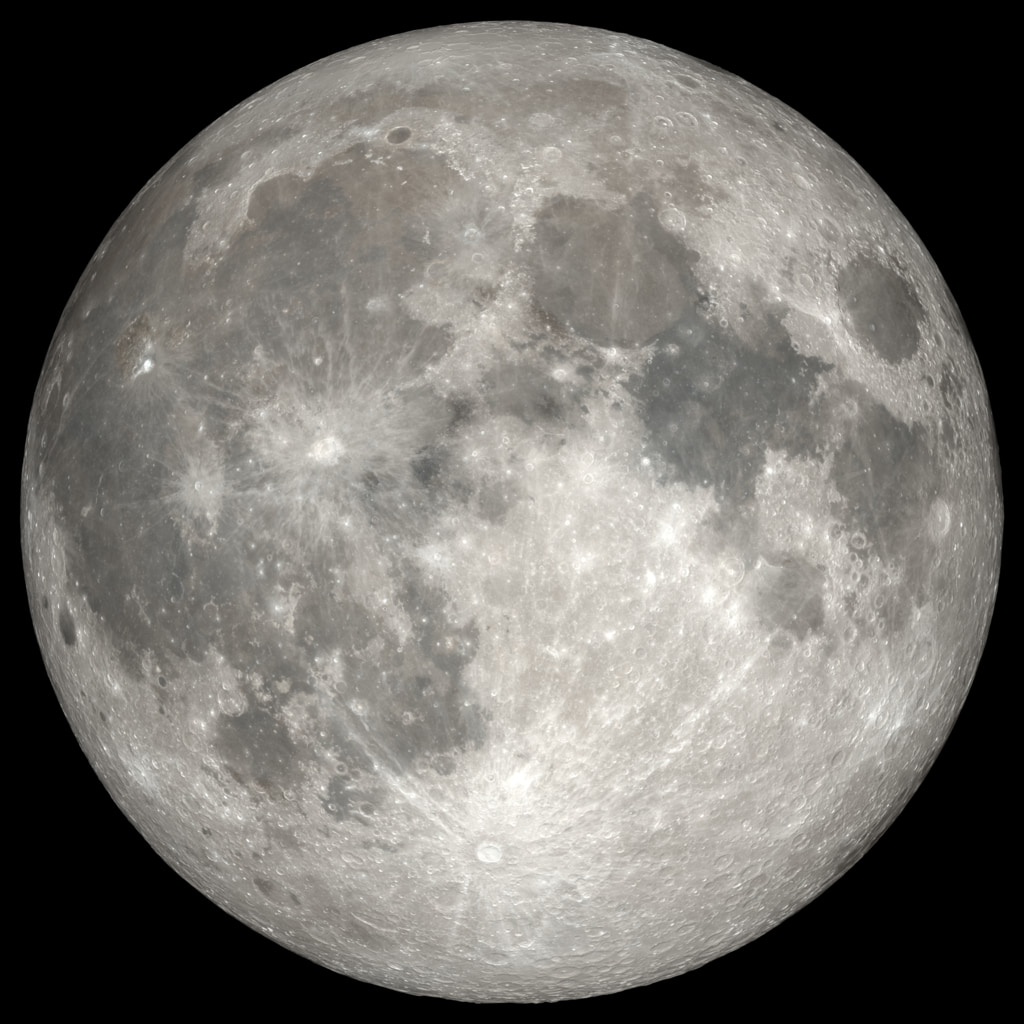
Add a visual reference layer for readers and outreach audiences. Place a measured disk outline from a previous full moon over the June 29 image and label both dates clearly. When people see direct overlays, the concept of micro moon versus larger full moon becomes intuitive. This works especially well in clubs, classroom settings, and social posts where audience attention is limited.
Use altitude-aware comparisons whenever possible. A low-altitude moon near horizon can appear optically distorted and color-shifted by atmospheric effects. A high-altitude moon can look sharper and less saturated. Comparing a low-altitude frame to a high-altitude frame may hide or exaggerate differences unrelated to orbital distance. If exact altitude matching is not practical, document the mismatch and present results as qualitative.
For visual-only observers, a simple tool can still help: a fixed apparent-size reference in a reticle eyepiece at constant magnification. Record where the lunar disk sits relative to reticle spacing and repeat monthly. This approach is less precise than imaging but still educational and personally useful. It also keeps observing skills central for people who prefer visual astronomy over camera workflows.
Another high-value practice is timeline segmentation on event night. Segment one is moonrise aesthetics and public engagement. Segment two is controlled comparison capture once altitude improves. Segment three is verification and metadata logging. Segmentation prevents the common problem of spending the entire night on one objective while neglecting others. It also makes outreach and data collection compatible rather than competing.
When presenting results, avoid overstatement. Instead of saying the micro moon is dramatically smaller, quantify carefully: "apparent diameter measured smaller than my March comparison by X percent under matched settings." Precision language preserves credibility and helps readers set realistic expectations. Responsible framing is especially important for searchable event content where readers rely on clear, practical guidance.
In outreach settings, pair measurement with story. Explain that the Moon's orbit is an ellipse, not a perfect circle, and that distance changes gradually. Then show your comparison image sequence. Story plus evidence is what makes the concept memorable. Without the story, measurements feel abstract. Without measurements, story feels anecdotal.
If weather limits June 29, run a contingency plan on adjacent nights and tag those datasets accordingly. Full-moon visual appearance spans a window broader than one exact minute, so valuable comparisons are still possible. Be explicit in labeling "near-full" versus "exact full" captures to maintain transparency.
By the end of this cycle, you should have three deliverables: one educational comparison panel, one artistic moonrise frame, and one short methodology note. Together these outputs turn a subtle astronomical event into a durable resource you can reuse in future full-moon explainers, club talks, and reader-first content updates.