Operations Playbook: Converting Phase Tables into a Real June Observing Calendar
A phase table is only the beginning. The real value appears when you convert raw times into decisions about site, equipment, and session length. For June 2026, a practical plan starts with defining your monthly priorities in writing: lunar detail practice, deep-sky imaging, outreach nights, and backup weather windows. Written priorities prevent low-value last-minute choices that often consume clear skies.
Build a layered calendar with three categories. Layer one is astronomical anchors, which are the exact phase instants shown in this guide. Layer two is operational windows, meaning practical nights around each anchor when your target type is strongest. Layer three is contingency windows, which are backup nights for cloud-risk management. When these layers are visible together, your month becomes resilient to weather and schedule disruptions.
For quarter-phase lunar detail sessions, prioritize observing time when the Moon is high enough for stable seeing but before fatigue reduces focus. Many observers underestimate how much personal alertness affects visual detail recognition. A shorter, focused session with good concentration often outperforms a long session where attention drifts. Use a timer-based structure: 20 minutes scouting, 20 minutes targeted detail, 10 minutes log review.
For new moon deep-sky windows, the key is pre-selecting targets by transit timing and altitude. Do not wait until you are at the eyepiece to decide what to observe. Build a ranked target list with primary, secondary, and haze-tolerant options. If transparency underperforms, switch quickly to brighter targets rather than losing time to uncertain searches. Efficient sequencing protects your dark-sky opportunity.
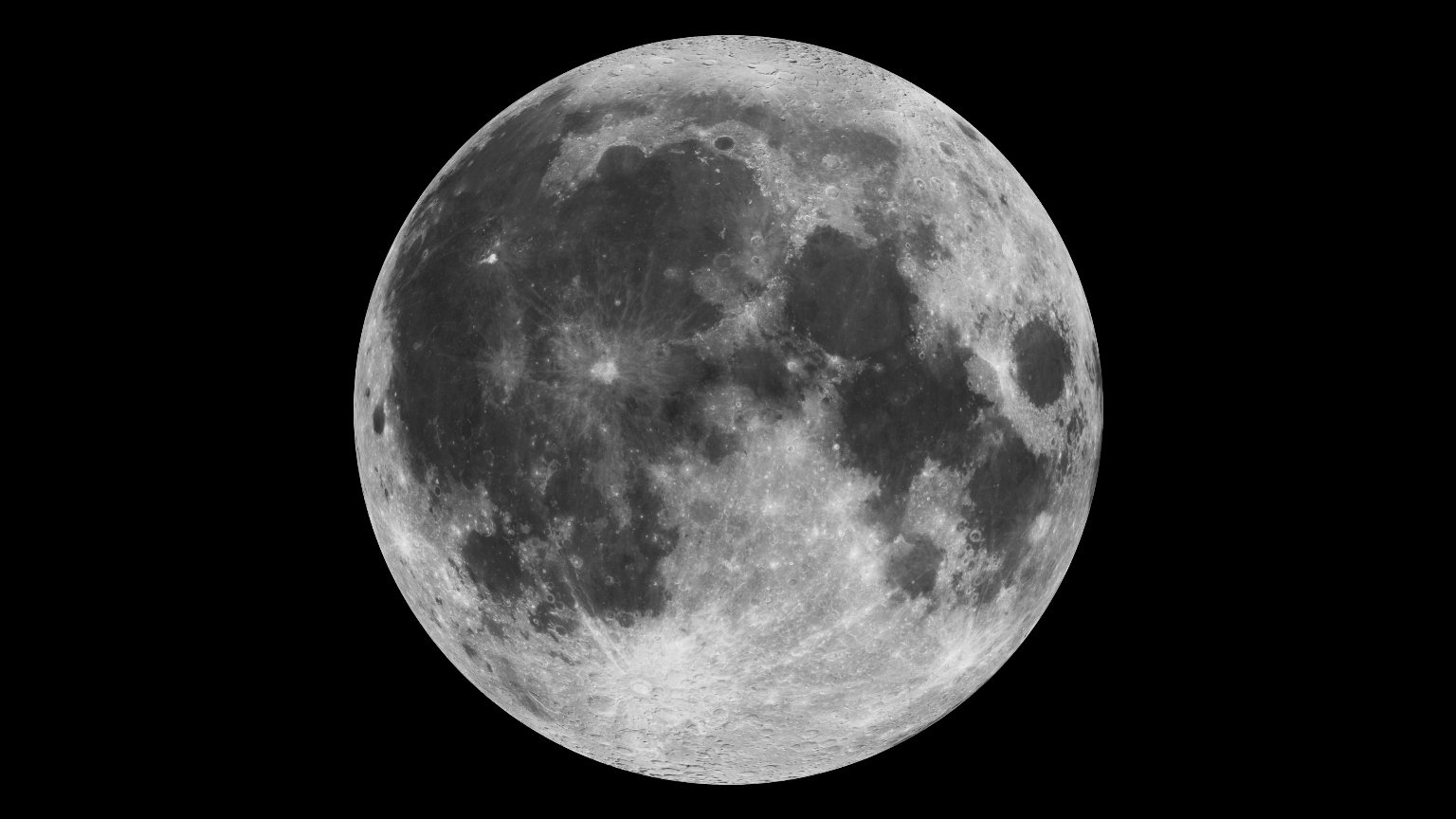
For full moon outreach nights, design the session around accessibility and pacing. Full moon attracts casual observers who may have no prior orientation. Start with naked-eye context, then binocular view, then telescope line. This step-down approach reduces intimidation and keeps line movement steady. Add one short explanation of phase mechanics and one practical takeaway, such as how to identify maria patterns.
Use local timezone conversions consistently in all public communication. If your club or family group includes multiple regions, publish both UTC and local times to avoid confusion. Phase instants in UTC are precise, but local usability is what drives attendance and session success. Clear communication prevents no-shows and missed windows.
Create a monthly equipment policy aligned with phase goals. For lunar detail nights, prioritize stable mounts and comfortable eyepiece ranges. For deep-sky new-moon nights, prioritize dark adaptation tools, dew control, and wide-field finding efficiency. For outreach nights, prioritize robust, easy-to-operate gear that can handle frequent user changes. Matching equipment to objective reduces friction and equipment-related failures.
Integrate conjunction pages into the same lunar plan. June 2026 includes valuable moon-planet pairings, and these can be used to reinforce timing discipline and horizon strategy learned from phase sessions. Linking these events operationally creates continuity: your pre-dawn setup skills from conjunction mornings can improve last-quarter lunar sessions, and your twilight horizon experience can improve evening lunar framing.
Logs should be structured, brief, and consistent. Record date, phase context, first useful view time, best-detail interval, seeing estimate, and one change for next session. Avoid overly long narrative logs that are hard to scan later. The purpose of logging is not literary completeness; it is process improvement. Fast, standardized logs are easiest to reuse when planning future months.
At month end, run a short retrospective. Ask three questions: which phase windows delivered best results, which operational assumption failed most often, and what one process update will carry into July. This monthly review habit creates continuous improvement and helps transform casual observing into a dependable practice. Even one small process change can meaningfully improve success rates over a season.
The central takeaway is simple: phase times become powerful only when paired with a clear operating model. June 2026 provides enough phase variety and adjacent event density to make that model worth building. If you use this table as the foundation for a layered calendar and disciplined execution, your observing month will be more productive, less stressful, and easier to repeat.