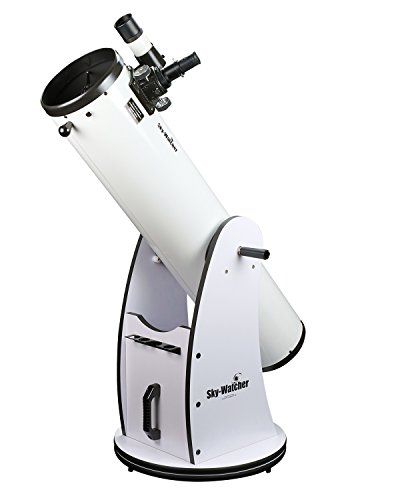
8-Inch Observer Appendix: High-Return Habits for Better Results
The 8-inch category is popular because it balances performance and practicality, but owners still leave performance on the table when sessions are unstructured. This appendix gives a practical framework for extracting better results from the same telescope across city, suburban, and dark-site usage.
A) Session Architecture by Goal
Define one session goal before setup. If tonight is planetary, optimize for seeing and focus stability. If tonight is deep-sky, optimize for transparency and contrast. Mixed sessions can work, but they need clear blocks so you do not compromise both goals through constant reconfiguration.
B) Practical City Workflow
- Use Moon and planets as primary quality benchmarks.
- Add bright cluster targets for consistency and morale.
- Reserve low-contrast deep-sky attempts for best transparency windows.
- Keep magnification conservative when local heat plumes are active.
In city settings, consistency is more valuable than ambition. The strongest users run many short, high-quality sessions rather than occasional long sessions with unstable conditions.
C) Practical Dark-Site Workflow
Dark-site sessions should start with familiar calibration targets before moving to harder objects. This quickly verifies transparency and focus behavior. Then run your target list by altitude order to use peak conditions efficiently. Keep one difficult target for the final third of the session when your visual system is fully adapted.
D) Error Patterns and Corrections
Pattern: high-power blur on planets. Correction: reduce power one step, re-focus, and wait for stable moments.
Pattern: galaxies vanish after power increase. Correction: return to lower power to preserve surface brightness.
Pattern: inconsistent detail from night to night. Correction: log seeing and transparency separately to isolate root cause.
E) 8-Inch Skill Benchmarks
- Reliable lunar detail at medium-high power in average conditions.
- Consistent Jupiter belt recovery and Saturn ring geometry across multiple nights.
- Repeatable globular cluster edge resolution on bright targets.
- Galaxy core and orientation confirmation under suburban-to-dark skies.
- Condition-matched target selection without wasted setup time.
If you hit these benchmarks consistently, your 8-inch system is performing near its practical potential. Upgrade decisions become clearer and less emotional because you can distinguish real aperture limits from workflow limits.
F) Long-Term Value Strategy
For long ownership, prioritize reliability upgrades over novelty upgrades. Stable mount behavior, clean power, and repeatable alignment usually produce more benefit than constantly changing accessory stacks. Keep your system simple enough that weeknight use stays easy and frequent.
An 8-inch scope rewards disciplined use over many years. With the right process, it remains one of the most cost-effective visual astronomy platforms available.