What to See With a Telescope in July 2026: Planets, Deep Sky & Events | Telescope Advisor
Telescope Advisor Logo Telescope Advisor
Starry night sky — July 2026 is packed with planets, the Perseid meteor shower build-up, and Saturn at its brightest for the year

Monthly Sky Guide · July 2026

What to See With a Telescope in July 2026

July 2026 is a spectacular month for telescope observing. The highlight is Saturn reaching opposition on July 15 — the planet's closest approach to Earth for the year, when it appears largest and brightest through any telescope. Meanwhile, Jupiter rises in the early morning, Mars is visible in the evening sky, and the Perseid meteor shower begins its build-up toward the August peak. This guide covers the best planets, deep-sky objects, and astronomical events to observe with your telescope or binoculars in July 2026.

Planet highlightSaturn opposition Jul 15
Evening planetsMars, Saturn (late evening)
Morning planetsJupiter, Venus
Meteor showerPerseids building up
By Telescope Advisor Editorial Team Published: Updated: Editorial Standards

July 2026 Sky at a Glance

Saturn reaches opposition on July 15 — the best time to view its rings. Mars is visible in the evening sky after sunset. Jupiter and Venus are morning objects, rising before dawn. The Milky Way is at its best for deep-sky observing. The Perseid meteor shower becomes active from July 17 onward, building toward its peak on August 12. Moon phases: New Moon July 3 (dark skies), First Quarter July 10, Full Moon July 18, Last Quarter July 25.

Saturn at Opposition — July 15, 2026

The highlight of July 2026: Saturn reaches opposition on July 15. Opposition means Saturn is directly opposite the Sun from Earth's perspective — the planet rises at sunset, sets at sunrise, and is visible all night long. More importantly, Saturn is at its closest approach to Earth for the year, making it appear at its largest and brightest through a telescope.

Through any telescope at 50x magnification or higher, Saturn's rings are clearly visible. A 70mm or larger telescope reveals the Cassini Division — the dark gap between the A and B rings. With an 8-inch (200mm) telescope under steady skies, you can spot several of Saturn's moons: Titan (the brightest, visible even in small scopes), Rhea, Dione, Tethys, and Iapetus. Saturn's atmosphere shows subtle banding in larger telescopes, with occasional storm features visible.

Editor's Pick — Best Telescope for Saturn
Celestron NexStar 8SE telescope

Celestron NexStar 8SE

203mm apertureGoTo mountStarBright XLT

The Celestron NexStar 8SE is our top recommendation for viewing Saturn at opposition. Its 203mm (8-inch) aperture delivers stunning ring detail, including the Cassini Division, and its GoTo mount automatically finds Saturn, Jupiter, Mars, and deep-sky objects. The telescope's compact Schmidt-Cassegrain optical design makes it portable despite the large aperture, and the NexStar hand controller includes a database of 40,000 celestial objects.

Check Price on Amazon

Affiliate link.

Celestron AstroMaster 70AZ telescope

Celestron AstroMaster 70AZ

On a budget? The AstroMaster 70AZ is an excellent entry-level telescope for Saturn. Its 70mm aperture shows Saturn's rings clearly at 80x magnification, and the alt-azimuth mount is simple to set up and use. At under $100, it is the most affordable way to see Saturn's rings at opposition.

Check Price on Amazon

Affiliate link.

For a guide to the best telescopes for planetary viewing, see our best telescope for viewing planets guide. For Saturn-specific observing tips, our Saturn's rings calendar has everything you need.

Other Planets in July 2026

Mars (Evening Sky)

Mars is visible in the western evening sky after sunset throughout July. The planet is moving through Virgo and Leo, setting by around midnight. Through a telescope at 150x magnification, Mars shows its polar ice caps and dark surface features, including the distinctive Syrtis Major and the bright Hellas basin. July is not Mars' best opposition (that will come in 2027), but it is still a rewarding target for medium and large telescopes. An orange or yellow filter can enhance contrast on Mars's surface features by reducing the glare of the bright polar caps.

Jupiter (Morning Sky)

Jupiter rises in the early morning hours and is best observed before dawn. By the end of July, Jupiter rises around 03:00 local time and is well-placed for observing from 04:00 onwards. Through even a small telescope, Jupiter shows its four Galilean moons (Io, Europa, Ganymede, and Callisto) and the two main cloud belts. A 90mm or larger telescope reveals the Great Red Spot and finer atmospheric detail. Jupiter's rapid rotation means that a feature visible on the planet's eastern limb will cross the disk in about two hours, making repeated observations across the same night rewarding as different regions rotate into view.

Venus (Morning Sky)

Venus is a brilliant morning star in July, rising about 2-3 hours before the Sun. Through a telescope, Venus shows a gibbous phase, similar to a half-lit Moon. The planet's thick cloud cover means surface detail is not visible, but the phase change over the course of July is fascinating to track week by week. On July 1, Venus is approximately 68% illuminated; by July 31, it shrinks to about 55% illuminated, which means it appears larger in angular size as it moves closer to Earth in its orbit. Track this change every few nights with a telescope at 50x magnification — you will see a noticeable difference from week to week as the planet progresses in its orbit.

Mercury (Elusive)

Mercury is poorly placed in July, staying close to the Sun and difficult to observe. It reaches greatest western elongation on July 16, but is still low in the dawn twilight. A clear, flat horizon and binoculars are needed to spot it.

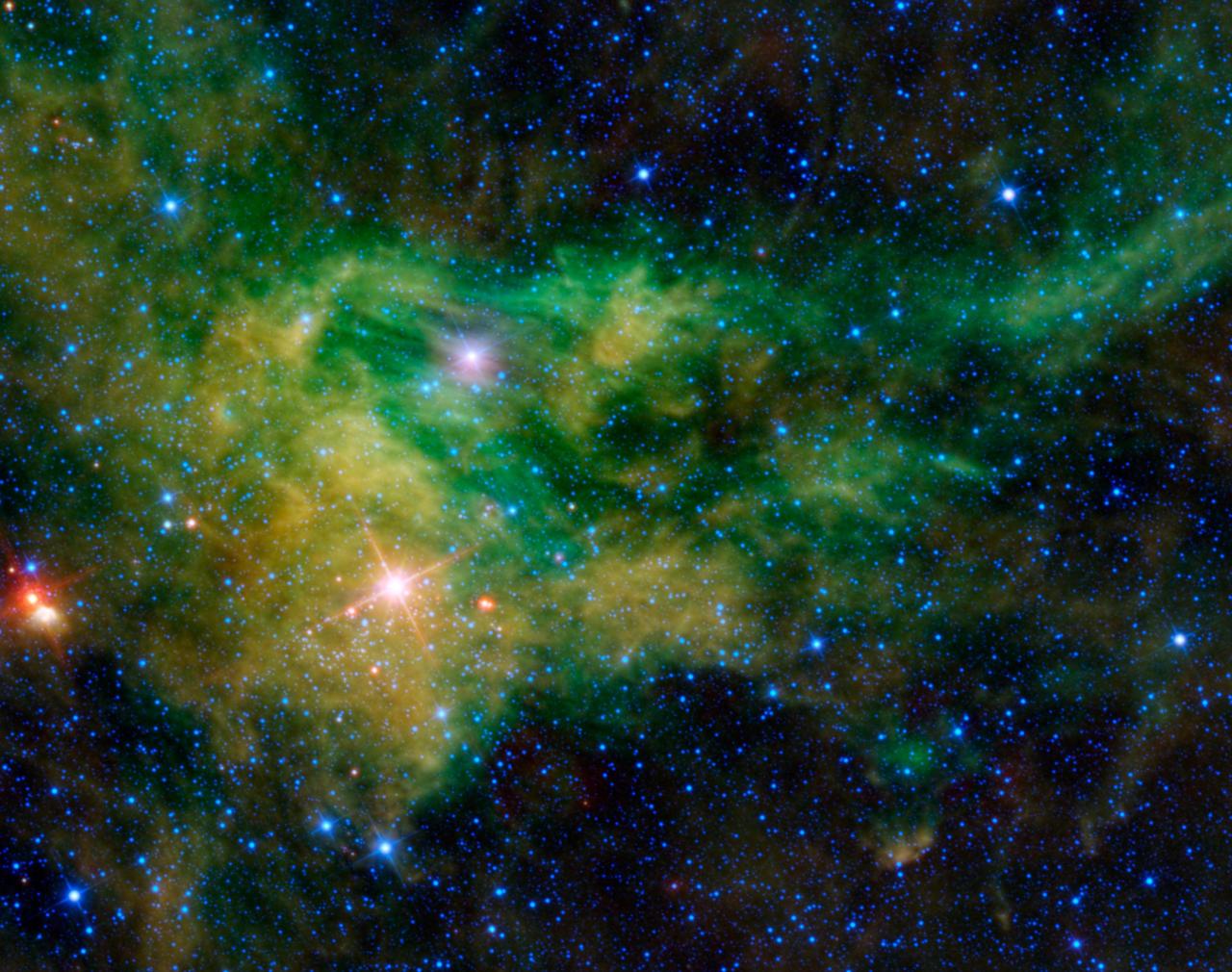
Perseid Meteor Shower Build-Up

The Perseid meteor shower becomes active from July 17 and builds steadily toward its peak on August 12–13. In late July, you can expect to see 5–15 meteors per hour under dark skies, with the rate increasing each night. The Perseids are known for producing bright, long-lasting fireballs (very bright meteors that streak across the sky).

For the best Perseid viewing, find a dark location away from city lights. The radiant (the point from which the meteors appear to originate) is in the constellation Perseus, which rises in the north-east after midnight. However, Perseid meteors can appear anywhere in the sky, so the best strategy is to lie back and scan as much of the sky as possible. A zero-magnification approach works best — no telescope needed, just your eyes and a dark sky. The waning crescent Moon in late July means minimal moonlight interference.

The Perseids are caused by debris from Comet Swift-Tuttle, which last passed through the inner solar system in 1992. Each year, Earth passes through this debris stream, creating one of the most reliable and popular meteor showers of the year. In 2026, the Perseid peak coincides closely with the total solar eclipse on August 12, making it an exceptional year for skywatching in Europe. The pre-dawn hours in late July typically deliver 10-20 meteors per hour, with rates increasing sharply in the first week of August. See our Perseid meteor shower guide for European-specific viewing details and our June 2026 sky guide for the previous month's highlights.

Planet Positions by Week — July 2026

Planetary visibility changes noticeably through July. Here is a week-by-week guide to when and where to find each planet:

WeekSaturnMarsJupiterVenus
Jul 1–7Rises 22:00, visible midnight–dawnVisible after sunset W, sets ~midnightRises ~04:00, visible pre-dawnRises ~03:30, brilliant morning star
Jul 8–14Rises ~21:30, opposition approachEvening W, sets ~23:30Rises ~03:30, pre-dawnMorning star, rising ~03:00
Jul 15–21Opposition Jul 15! Rises sunset, visible all nightEvening W, sets ~23:00Rises ~03:00, pre-dawnMorning star, rising ~02:30
Jul 22–31Still excellent, rises ~20:30Evening W, setting earlierRises ~02:30, improvingMorning star, bright

The most important date in July is July 15, when Saturn reaches opposition. This is your best opportunity to observe the planet and its rings, as Saturn will be at its highest in the sky around midnight — well above the atmospheric turbulence that blurs planetary detail when objects are low. For a complete list of all astronomical events in 2026, see our 2026 astronomy events calendar. For Saturn-specific observing tips including the best eyepiece choices, see our best eyepiece for Saturn rings guide.

Summer Observing Challenges & Solutions

July's warm nights are comfortable for observers, but they bring specific challenges that can affect your observing session. Here is how to handle them:

Dew Formation

Warm, humid July nights cause rapid dew formation on telescope optics, especially corrector plates and eyepieces. A dew shield is the first line of defence — an extension tube that blocks radiative cooling of the front lens. For severe conditions, a low-power dew heater powered by a USB battery pack is more effective. See our dew heater vs. dew shield guide for recommendations. Keep eyepieces in a sealed case when not in use, and bring a microfibre cloth for occasional cleaning.

Heat Shimmer & Atmospheric Turbulence

Summer heat radiating from the ground creates atmospheric turbulence that blurs high-magnification views, especially of planets. This effect, called "poor seeing," is worst in the early evening when the ground is hottest and improves after midnight. For the sharpest views of Saturn at opposition (July 15), observe after midnight when the planet is highest and the atmosphere has settled. The good news is that Saturn, at opposition, is well above the worst of the horizon turbulence at midnight — a significant advantage compared to winter observing. Use moderate magnification (150x-200x) for the steadiest image, as higher powers will be more affected by turbulence.

Dust, Pollen & Light Pollution

July's dry conditions can increase airborne dust and pollen, which scatter light and reduce contrast. A light pollution filter or broadband filter can help improve contrast for deep-sky observing from suburban locations. If you are observing from a city or suburb, targeting bright objects like the Moon, planets, and bright double stars will be more rewarding than faint deep-sky objects. For the best deep-sky views, plan a trip to a dark-sky site using a light pollution map. The best tripod for binoculars guide has recommendations for portable observing setups.

Deep-Sky Objects for July

July offers prime Milky Way viewing for northern hemisphere observers. The galactic centre is visible in the constellation Sagittarius, which reaches its highest point around midnight. Here are the best deep-sky objects for July:

  • M22 (Great Sagittarius Cluster) — A stunning globular cluster in Sagittarius, visible as a hazy patch to the naked eye and resolving into hundreds of stars through any telescope. One of the finest globular clusters in the northern sky.
  • M8 (Lagoon Nebula) — A bright emission nebula in Sagittarius, visible to the naked eye under dark skies. Through a telescope, you can see the dark "lagoon" of dust that gives the nebula its name. A broadband or UHC filter enhances contrast.
  • M20 (Trifid Nebula) — A combination emission and reflection nebula adjacent to M8. The three dark dust lanes that divide the nebula are visible in telescopes of 150mm or larger.
  • M17 (Omega/Swan Nebula) — A bright emission nebula in Sagittarius shaped like a swan or omega. Visible in small telescopes and spectacular in larger ones with an O-III filter.
  • M11 (Wild Duck Cluster) — A rich open cluster in Scutum, containing hundreds of stars in a compact, triangular shape. One of the finest open clusters for medium and large telescopes.
  • M57 (Ring Nebula) — The famous planetary nebula in Lyra, perfectly placed in July evenings. Through a 150mm telescope, the donut-shaped ring of gas is unmistakable. Higher magnifications reveal the central white dwarf star.
  • M31 (Andromeda Galaxy) — Rising in the late evening, the Andromeda Galaxy is visible to the naked eye under dark skies. Through binoculars or a wide-field telescope, its bright core and elongated arms are stunning. July is the start of Andromeda season.

Moon Phases July 2026

PhaseDateBest for Observing
New MoonJuly 3Best for deep-sky observing and the Perseid build-up
First QuarterJuly 10Good evening viewing of lunar terminator craters
Full MoonJuly 18Saturn opposition on Jul 15 is unaffected; deep-sky suffers
Last QuarterJuly 25Good for early morning lunar observing

The New Moon on July 3 provides ideal dark-sky conditions for deep-sky observing and for catching the early Perseid meteors. Plan your deep-sky sessions around this date.

July 2026 Observing Tips

  • Summer warmth is a mixed blessing — July nights are comfortable, but the warm air holds more moisture, which can cause dew on optics. Use a dew shield or a gentle dew heater if observing for extended periods. See our dew heater vs. dew shield guide for recommendations.
  • Saturn opposition is the night of July 15 — Set up early and let your telescope cool down to ambient temperature for the sharpest views. Use a magnification of 150x-200x for the best balance of detail and image brightness.
  • Deep-sky observing after midnight — The Milky Way is at its best from midnight onwards, with the galactic centre high in the south. Dark adaptation takes 30 minutes — avoid white light and use a red flashlight to preserve your night vision.
  • Perseid pre-peak — From July 25, you can expect 15-25 meteors per hour under dark skies. A lounge chair, warm blanket, and hot drink make for a comfortable session.
  • Planet filters help — A yellow or orange filter enhances contrast on Mars and Jupiter. A variable polarising filter is useful for reducing glare from the Moon and bright planets.

FAQ — July 2026 Night Sky

What planets are visible in July 2026?

Saturn (all night at opposition on July 15), Mars (evening sky), Jupiter (morning sky), and Venus (morning sky). Mercury is poorly placed.

When is Saturn at opposition in 2026?

Saturn reaches opposition on July 15, 2026. This is the best time to view Saturn all year, as it is closest to Earth and visible all night.

Can I see the Perseid meteor shower in July?

Yes. The Perseids become active from July 17, with rates of 5-15 meteors per hour in late July. The peak is August 12-13.

What is the best telescope for planetary viewing?

A Schmidt-Cassegrain or Maksutov-Cassegrain telescope with at least 90mm aperture is ideal for planets. The Celestron NexStar 8SE is our top recommendation for Saturn and Jupiter.

What deep-sky objects are best in July?

The Milky Way centre in Sagittarius offers M22, M8, M20, and M17. The Ring Nebula (M57) in Lyra and the Wild Duck Cluster (M11) in Scutum are also excellent July targets.

How can I prevent dew on my telescope in summer?

Use a dew shield or a low-power dew heater band. Allowing your telescope to thermally stabilise for 30-60 minutes also helps reduce dew formation.

What magnification is best for viewing Saturn?

150x-250x is ideal for Saturn's rings and Cassini Division. Use a 5mm-7mm eyepiece with a Schmidt-Cassegrain or Maksutov telescope.

What is the best telescope for summer deep-sky observing?

A 6-inch or 8-inch Dobsonian offers the best aperture-to-price ratio for deep-sky. An 80-120mm refractor with a wide-field eyepiece is excellent for Milky Way sweeping.

When is the best time to observe Jupiter in July 2026?

Jupiter is best observed in the pre-dawn hours. By late July, it rises around 03:00 local time and is well-placed from 04:00 onward.