Why Telescope Photos Look Better Than What You See
Telescope Advisor Logo Telescope Advisor
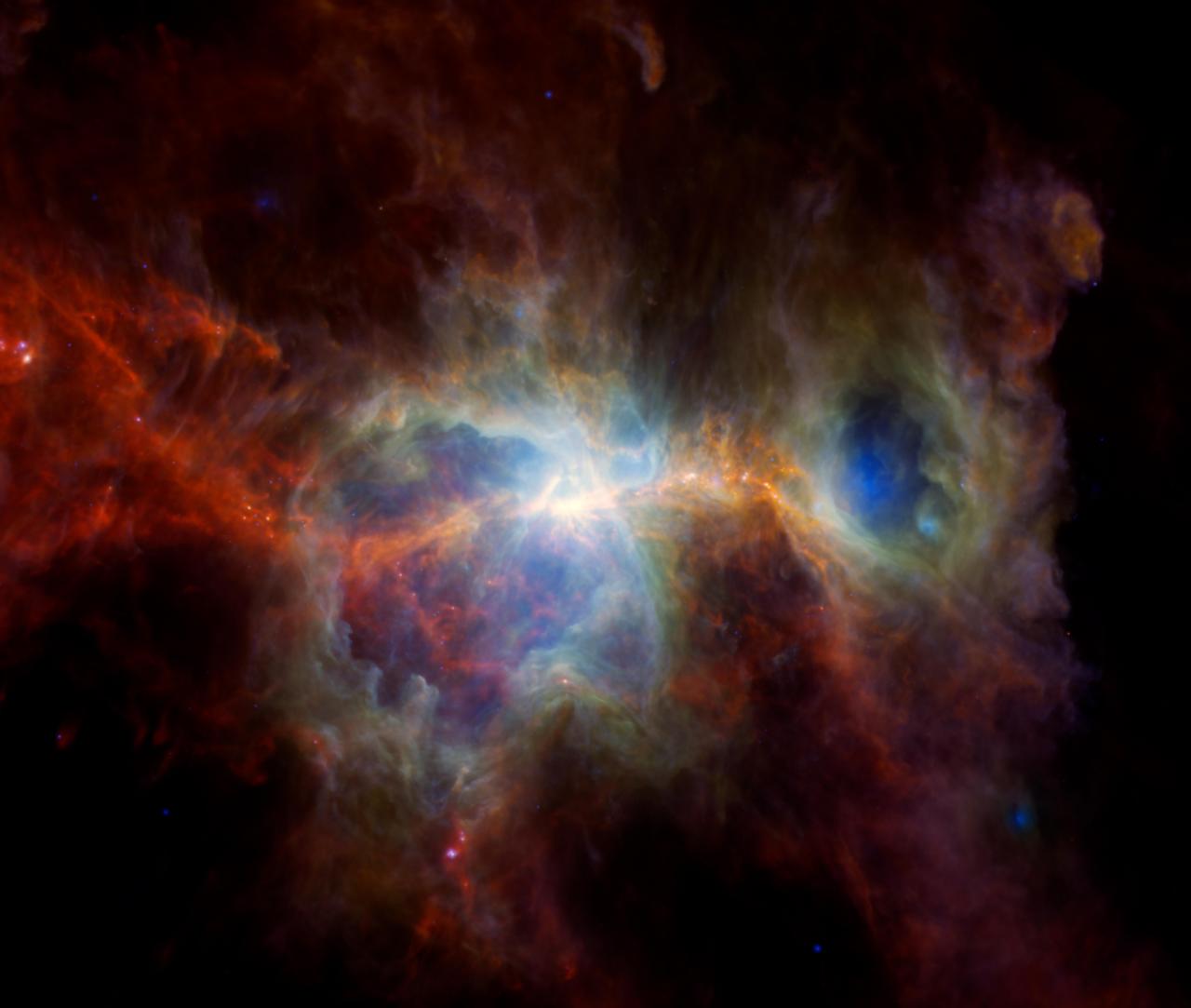
Orion Nebula high-detail astrophotography view

Expectation vs Reality

Why Telescope Photos Look Better Than What You See

This is the most important beginner mindset shift in astronomy: eyepiece observing and processed astrophotography are different experiences with different strengths.

Reader-first

No hype

Science-backed

Clear limits

Actionable

Field workflows

2026-ready

Updated context

By Telescope Advisor Editorial Team Published: Updated: Editorial Standards

Quick Answer

Telescope photos often combine many frames, noise reduction, contrast stretching, and color balancing. Your eye at the eyepiece gets no cumulative signal stacking.

Visual observing is still powerful because it is immediate and personal. Success comes from visual goals, not photo goals, for each session.

Core Explanation

Astrophotography increases signal-to-noise ratio over time. Visual observing prioritizes live perception under changing atmospheric conditions.

Neither mode is automatically superior. They answer different questions and reward different skills.

Beginners improve faster when they separate visual nights from imaging nights and set success criteria accordingly.

Key Facts and Practical Limits

DimensionWhat MattersReader Impact
Optical realityContrast and angular resolution set the ceiling before magnification does.Prevents chasing unusable power.
Atmospheric seeingSteady air controls whether fine detail stays visible.Explains night-to-night inconsistency.
Sky qualityBortle class and transparency determine faint-target detectability.Improves target selection decisions.
Workflow disciplineProgressive power and verification loops reduce false impressions.Builds repeatable observing success.
Expectation calibrationEyepiece views and processed photos are different products.Reduces frustration and churn.

Expert Deep Dive: expectation calibration between eyepiece viewing and astrophotography in Real-World Observing

This long-form section is intentionally detailed to support consistent field results instead of one-off luck. The core reader question for this page is generally simple: why visual views differ from online images and how to enjoy both honestly. The reality is more nuanced: Photos accumulate and process light over time, while visual observing is a real-time low-light experience.. The goal here is to turn that nuance into practical, repeatable action.

PrincipleWhy It MattersWhat To Do
1. Workflow DisciplineUndefined goals cause target hopping and inconsistent outcomes.Set one primary objective and one fallback objective before astronomical twilight.
2. Variable ControlEnvironment and technique often matter more than hardware upgrades.Treat altitude, seeing, transparency, cooldown, and user touch as non-negotiable checks.
3. Progressive PowerOver-magnification quickly hides detail and creates false disappointment.Start low, confirm detail, and increase only while useful detail improves.
4. Verification LoopsSingle looks can confuse turbulence artifacts with real detail.Recenter, refocus, and reacquire the same detail before logging it as confirmed.
5. Context PivotingForcing a failing plan wastes session quality.When conditions degrade, pivot to resilient targets and preserve useful session outcomes.
6. Cognitive CalibrationComparing live eyepiece views to processed media kills motivation.Judge quality against realistic visual baselines, not stacked-photo expectations.
7. Failure MappingVague frustration blocks improvement.Log exact failure points: timing, altitude, seeing, focus drift, or contrast loss.
8. Session CadenceInconsistent marathon sessions slow learning.Run short, repeatable sessions with clear goals and post-session notes.
9. Evidence-Based InterpretationUnverified claims create myths and poor decisions.Validate key claims using NASA, JPL, ESA, and established observational sources.
10. Expectation HygieneOne incorrect expectation can reduce motivation for weeks.Correct the most common expectation error early to improve session quality quickly.

Long-form field work also benefits from environmental strategy. Observe away from roof heat plumes when possible, avoid low-altitude targets through thick air columns, and choose sessions with transparent sky over sessions with only clear sky. Transparent sky and steady air are not the same thing.

A practical observer logs not just what was seen, but how it was seen: magnification range, eyepiece used, local seeing estimate, object altitude, and confidence score. This metadata is what turns isolated observations into an improving system.

When readers apply these principles for several weeks, results become more predictable. The objective is not cinematic perfection. The objective is reliable detection, honest interpretation, and a steady upward trend in observation quality.

If you need a compact decision rule before each session, use this: define target, control variables, verify detail, pivot intelligently, and log outcomes. This five-step loop is simple, robust, and scalable across equipment classes.

Over time, this method reduces upgrade churn because you can distinguish true hardware limits from process limits. Many purchases marketed as "essential" become optional once your observation workflow matures.

A final practical reminder: consistent observational skill is built in ordinary conditions, not only in rare perfect nights. If you can produce useful results in average suburban conditions, excellent nights become multiplicative rather than necessary.

This page is designed to be revisited before sessions. Repetition is intentional: keep the pre-session checks simple, keep the in-session moves disciplined, and keep post-session notes honest. That is how you convert theory into dependable field performance.

For readers mentoring beginners, this framework also improves teaching outcomes. New observers benefit from concrete checkpoints more than abstract explanations, and confidence grows quickly when wins are structured instead of accidental.

For advanced readers, the same framework supports deeper refinement: narrower error bars on detail confirmation, better condition-matched target sequencing, and faster adaptation to local atmospheric behavior.

In short, the path to better outcomes on expectation calibration between eyepiece viewing and astrophotography is not mystery. It is disciplined process, calibrated expectations, and repeated execution under real sky constraints.

Research Context and Advanced Practical Notes

Readers searching for this topic often encounter two extremes: oversimplified answers that hide important limits, or overly technical writing that is hard to apply at the eyepiece. This section bridges those extremes with practical interpretation grounded in observational reality.

A useful mental model is to separate constraints into three layers. The first layer is physical: optics, contrast, angular scale, and signal behavior. The second layer is environmental: atmosphere, transparency, altitude, and local light pollution. The third layer is behavioral: setup quality, timing, patience, and verification discipline. Most disappointing sessions involve failures in layer two or three, not layer one alone.

For expectation calibration between eyepiece viewing and astrophotography, that layered model is especially important because search expectations are frequently shaped by highlight imagery, edited clips, or unqualified anecdotal claims. A better approach is to use conservative baselines first, then promote your goals only after repeated confirmation that conditions support the next step.

When evaluating advice online, prioritize sources that clearly state observation conditions, equipment class, magnification range, and confidence level. Claims without those context variables are difficult to reproduce and often lead to unrealistic planning. Reproducibility is a stronger quality signal than dramatic wording.

In real field use, one of the highest-return habits is structured pre-session planning. Ten minutes of planning can save an hour of aimless setup. Define your main target, fallback target, expected useful magnification range, and a stop rule for poor conditions. This prevents fatigue-driven decision errors.

Another high-return habit is condition-aware sequencing. Start with targets or tasks that are least sensitive to seeing, then move to high-sensitivity targets only if conditions prove stable. This allows you to collect useful observations even on mediocre nights instead of ending with a total miss.

Observers who maintain logs generally improve faster than observers who rely on memory. A practical log includes date, time, location quality, equipment, magnification bands, observed details, and confidence notes. Over several weeks, patterns emerge that make future sessions significantly more efficient.

For advanced readers, the same process supports deeper optimization. You can tune session start time to local thermal behavior, identify recurring seeing windows at your site, and map which targets remain productive under specific transparency conditions. This site-specific intelligence is often more valuable than buying more accessories.

A frequent practical question is when to pivot versus persist. The most reliable rule is evidence-based persistence: continue only while detail quality is improving or stable. If repeated checks show degradation, pivot early. Early pivots preserve morale and increase total useful observation time.

For many readers, hardware decisions become easier after this process matures. Instead of buying upgrades based on generalized claims, you can target specific bottlenecks revealed in your own logs. That leads to fewer redundant purchases and better long-term value per session.

If you observe in urban or suburban skies, remember that transparency and local obstructions can dominate outcomes more than nominal aperture differences in certain scenarios. Strategic target choice, elevated object altitude, and disciplined magnification control often deliver larger improvements than expected.

A practical calibration exercise is to revisit one stable benchmark target each week. Use the same workflow and compare notes. This creates a controlled baseline that reveals whether your technique is improving independent of novelty effects from changing targets.

In education and outreach settings, clarity about limits is not discouraging; it is empowering. When beginners understand what is realistic and why, they are more likely to stay engaged, ask better questions, and produce reliable observations.

For why visual views differ from online images and how to enjoy both honestly, the most useful conclusion is procedural rather than dramatic: define objective, control variables, verify details, and log outcomes. This framework scales from first-night observers to experienced users and remains effective across changing conditions.

When comparing sessions over time, focus on trend lines instead of isolated best nights. Improvement is usually non-linear. Small gains in setup speed, target acquisition, and confidence verification compound into substantial quality differences over a month.

The practical value of this page is repeatability. If your workflow can reproduce acceptable outcomes under ordinary conditions, excellent conditions become a multiplier rather than a requirement. That shift is what moves observers from occasional success to dependable skill.

Use this section as a checklist before sessions: confirm objective, confirm constraints, confirm fallback, confirm stop rule. These four confirmations reduce impulsive choices and improve the quality of both observations and notes.

Finally, treat observational confidence as a metric that deserves explicit tracking. Honest confidence ratings help you avoid over-claiming ambiguous detail and give you a clear roadmap for what to retest on the next suitable night.

Field Case Studies: Practical Scenarios and Better Decisions

These scenarios are formatted as a quick-reference table so readers can diagnose a pattern and apply the fix immediately.

Case What Happened Better Decision
1. Ambitious Start, Weak Finish Started with the hardest target and high power too early, then lost confidence. Begin with high-confidence calibration targets, then increase difficulty after confirming stable focus.
2. Good Gear, Inconsistent Outcomes Setup order changed night to night, creating random session quality. Use the same checklist and sequence every session, and log short notes after each block.
3. Urban Observer Burnout Assumed city sky limitations made progress impossible. Switch to contrast-first target lists and altitude-aware timing to restore repeatable detections.
4. Magnification Trap Chased larger image scale and repeatedly overshot useful power. Step down magnification until detail density improves, then only increase if detail remains stable.
5. Conflicting Advice Overload Followed dramatic claims with no observation context. Prioritize reproducible guidance that states gear class, seeing, sky context, and confidence level.
6. Faster Improvement Through Logging Relied on memory and repeated the same mistakes. Log magnification bands, conditions, and outcomes to convert random sessions into measurable progress.
7. Accessory Overbuying Bought upgrades before identifying process bottlenecks. Optimize setup order and target timing first, then buy only for proven bottlenecks.
8. No Fallback Plan Session collapsed when seeing degraded. Prepare fallback targets so the session stays productive when conditions change.
9. Confidence Miscalibration Recorded many possible detections with low repeatability. Require two-pass confirmation and confidence scoring before claiming detail as confirmed.
10. Durable Skill Growth Progress stalled while chasing dramatic one-night wins. Use an objective loop: define goal, control variables, verify details, pivot, and log outcomes.

Final Implementation Notes for Reliable Results

Before each session, revisit your objective in one sentence. If the sentence is vague, the session plan is probably vague too. Clarity at this stage prevents avoidable drift and aligns setup choices with the result you actually want from the night.

Keep your process observable. That means writing decisions down in real time: when you changed magnification, when you pivoted targets, and why. These records become your best teacher because they reveal patterns your memory tends to hide.

Use a confidence scale for key observations. A simple 1-5 rating is enough. Low-confidence notes are not failures; they are retest candidates. This habit improves scientific honesty and accelerates meaningful progress across sessions.

When conditions are mediocre, prioritize skill-building outcomes over showcase outcomes. A successful night can mean better acquisition speed, better focus discipline, or cleaner verification workflow even if headline targets underperform.

If you mentor beginners, share the decision process, not just the final answer. Showing how to decide under changing conditions is more valuable than giving a fixed rule that only works in ideal scenarios.

Applied consistently, these implementation notes turn expectation calibration between eyepiece viewing and astrophotography from a high-friction question into a repeatable practice. The result is better observations, better confidence, and much better long-term retention in the hobby.

Frequently Asked Questions

Are telescope photos misleading?
Not inherently. They are often honest long-exposure outputs, but they are not equivalent to live eyepiece views.
Can I ever see color in nebulae visually?
Sometimes subtle hints in bright regions, but usually far less saturated than processed photos.
Why does stacking matter so much?
Stacking accumulates faint signal and suppresses random noise, revealing structure your eye cannot integrate in real time.
Should beginners start with visual or astrophotography?
Most beginners progress faster by mastering visual fundamentals first, then adding imaging gradually.