Best DSLR Camera for Astrophotography in 2026: Beginner-Friendly Picks That Actually Deliver
Telescope Advisor Logo Telescope Advisor
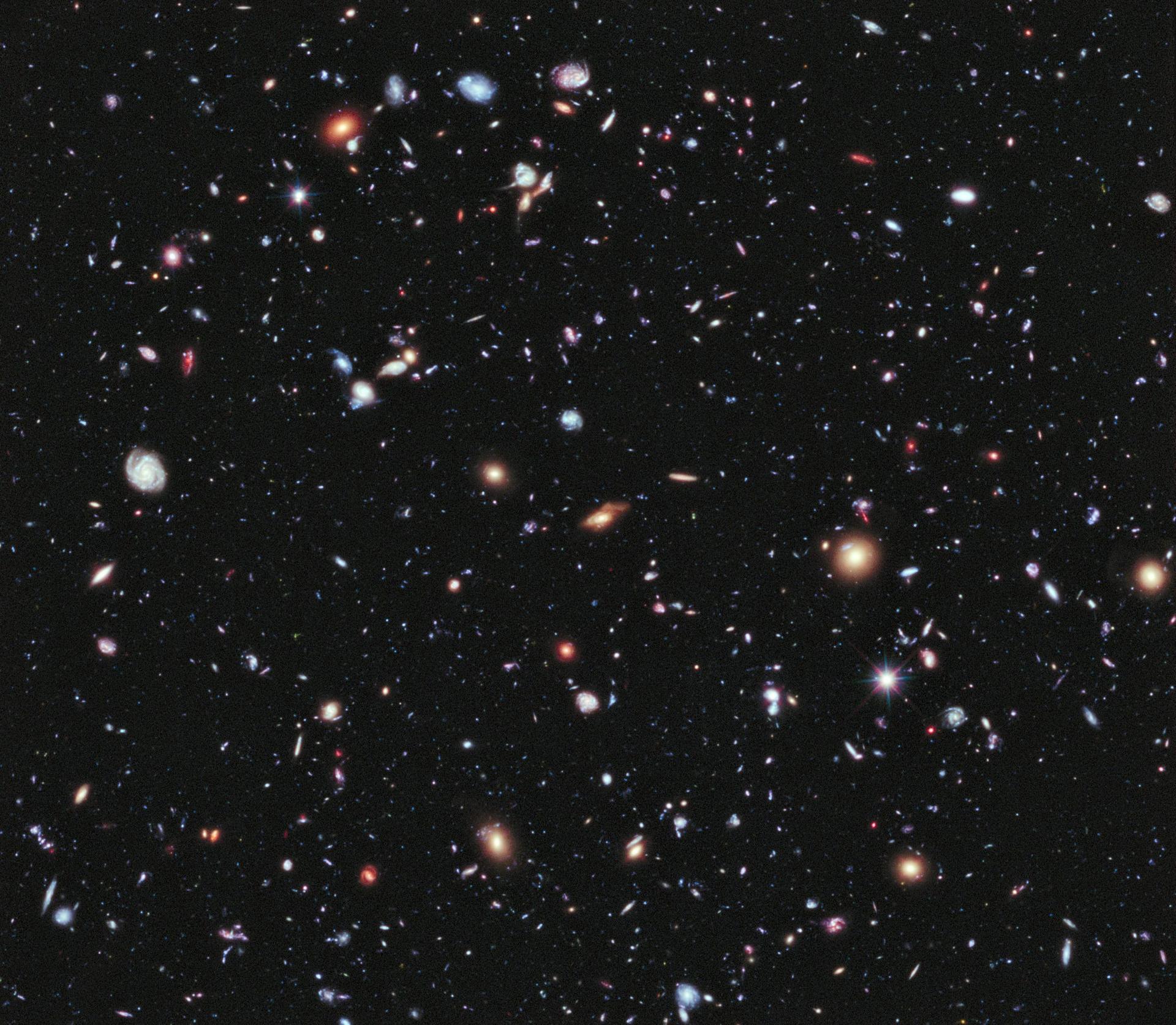
Deep-sky image representing DSLR astrophotography workflow

Camera Buyer Guide · 2026

Best DSLR Camera for Astrophotography in 2026

The best astrophotography camera is not the newest body. It is the one that matches your mount, target type, and editing tolerance. This guide gives practical camera picks for beginners who want real keeper images quickly.

10K+

Monthly query demand

APS-C

Best beginner balance

H-alpha

Key modified camera gain

3 tiers

Budget, value, advanced

By Telescope Advisor Editorial Team Published: Updated: Editorial Standards

Quick Answer: Best Camera for Astrophotography Beginners

For most beginners, the Nikon D7500 is the best DSLR-class starting point for astrophotography. It gives strong low-light files, reliable manual controls, and broad adapter support without demanding a premium budget.

If you prioritize portability and modern mirrorless autofocus for daytime crossover use, the Sony a6400 is a strong alternative. If your goal is deep hydrogen-alpha emission nebula capture, a dedicated astro-modified path becomes more important than body generation year.

Top Astrophotography Camera Picks in 2026

Editor's Pick - Best DSLR Value for Beginners
Nikon D7500 DSLR camera

1) Nikon D7500

Most balanced beginner DSLR for practical astrophotography progression: manual control confidence, clean files, and strong lens ecosystem compatibility.

View on Amazon →
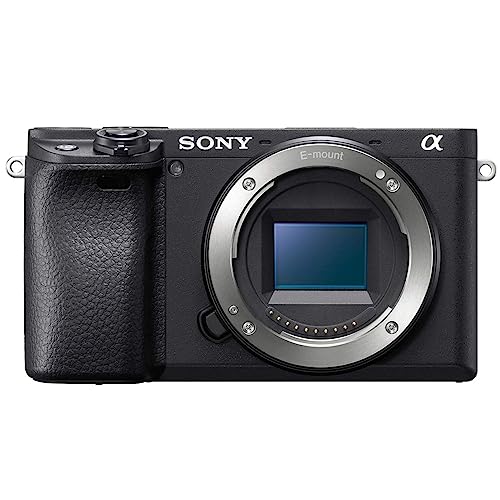
Sony Alpha a6400 mirrorless camera

2) Sony Alpha a6400

Best mirrorless versatility pick for users who want strong low-light performance plus daytime photo/video crossover.

View on Amazon →
🌌

3) Canon EOS Ra (Dedicated Astro-Tuned Option)

Purpose-built for stronger hydrogen-alpha response. Best for users who already understand calibration frames and emission-nebula processing workflow.

View on Amazon →
💰

4) Canon 600D / Rebel T3i (Used Budget Path)

A classic budget body for beginners who want to learn capture discipline without committing high budget in month one.

View on Amazon →

Sensor Size: Full-Frame vs APS-C for Astrophotography

APS-C is usually the best beginner choice because it reduces total system cost and keeps lens and mount requirements manageable. Full-frame offers wider field and cleaner high-ISO behavior, but pushes cost and tracking demands upward.

If you are still learning guiding, focus stability, and calibration workflow, APS-C gives a better success-to-cost ratio. Move to full-frame after your capture and processing consistency is already strong.

Modified vs Unmodified DSLR: What Actually Changes?

  • Unmodified DSLR: easiest all-around use, good starter path for Moon, clusters, and broad-field targets.
  • Modified DSLR: stronger hydrogen-alpha sensitivity, especially useful for emission nebulae.
  • Tradeoff: modified bodies usually need more color-management discipline for daytime use.

Comparison Table: Practical Buyer View

CameraClassBest ForDifficulty
Nikon D7500APS-C DSLRBalanced beginner workflowLow-Med
Sony a6400APS-C mirrorlessPortable hybrid useMed
Canon EOS RaFull-frame astro-optimizedNebula-focused captureMed-High
Canon Rebel T3iBudget DSLRUsed-market starter practiceLow

When to Use Dedicated Planetary Cameras Instead

DSLR and mirrorless cameras are strong for wide-field and mixed use, but high-frame-rate planetary capture is a different workflow. If your main target is Jupiter, Saturn, or Mars detail, a dedicated planetary camera and video stacking pipeline usually performs better.

Use our planetary astrophotography camera guide for dedicated options and stacking software workflow.

FAQ: DSLR Astrophotography Cameras

Can a beginner start with a used DSLR for astrophotography?

Yes. A reliable used DSLR is often one of the best ways to learn capture and processing fundamentals with controlled budget risk.

Do I need a full-frame camera to capture nebulae?

No. APS-C cameras can produce excellent nebula results when tracking, focus, and stacking workflow are done correctly.

Is mirrorless always better than DSLR for astrophotography?

Not always. Both can perform very well. System match, mount quality, and user workflow discipline usually matter more than body format alone.