Best Telescope for Astrophotography Beginners (2026): Easy Imaging Setups That Actually Work
Telescope Advisor Logo Telescope Advisor
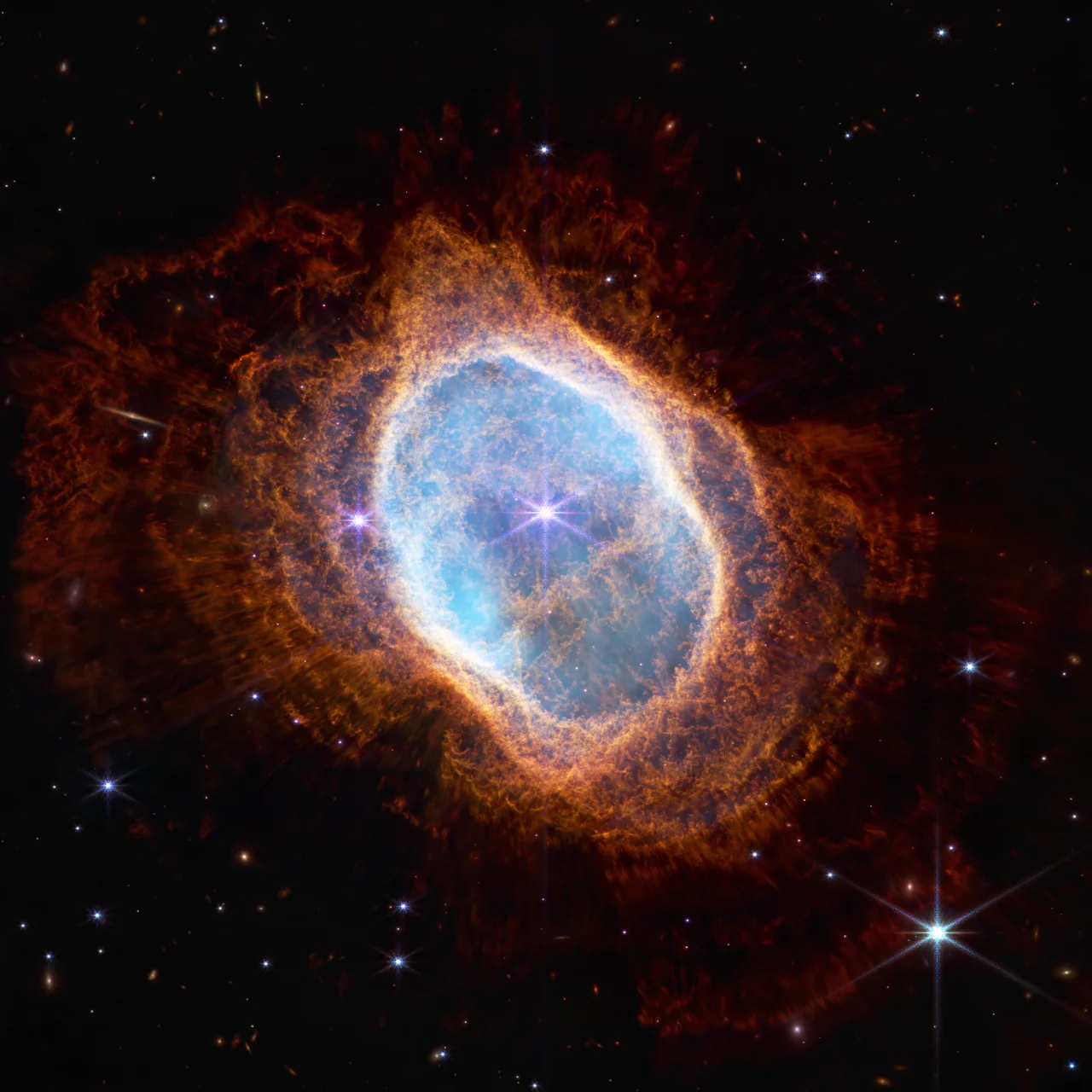
Colorful deep-sky nebula image representing beginner astrophotography goals

Astrophotography Starter Guide · 2026

Best Telescope for Astrophotography Beginners (2026): First Setups That Deliver Real Images

Most beginners fail by buying random gear in the wrong order. This guide ranks beginner-friendly telescopes and cameras that work together for dependable first results on the Moon, planets, and bright deep-sky targets.

Easy setup

Beginner-safe

5

Ranked scopes

2

Camera picks

90-day plan

Skill growth

By Telescope Advisor Editorial Team Published: Updated: Editorial Standards

Quick Answer: What Is the Best Beginner Telescope for Astrophotography?

For most beginners, the best first astrophotography telescope is the ZWO Seestar S50. It removes the steepest pain points (tracking, alignment, focusing, and image stacking) so first-time users can produce usable images quickly instead of troubleshooting gear for weeks.

If you want to learn traditional imaging workflow with a camera and mount, start with a short focal-length setup and bright targets. Beginners usually get better results from simpler systems with repeatable sessions than from larger optics used inconsistently.

The goal in your first 90 days is not perfection. The goal is a reliable process: setup, alignment, target selection, capture, and basic stacking.

Top 5 Beginner Astrophotography Telescopes (Ranked)

Editor's Pick - Best Overall Beginner Imaging Scope
ZWO Seestar S50 smart telescope

1) ZWO Seestar S50

Fastest route to clean beginner results. Automated alignment and stacking let you focus on target planning and framing instead of technical setup friction.

View on Amazon →
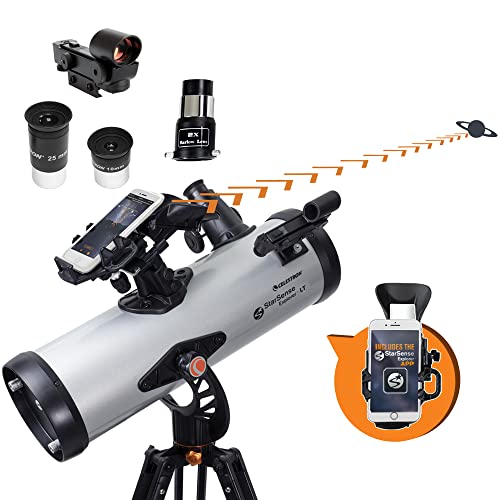
Celestron StarSense Explorer LT 114AZ telescope

2) Celestron StarSense Explorer LT 114AZ

Best guided manual scope for learning sky navigation and basic smartphone-assisted imaging with low equipment complexity.

View on Amazon →
Sky-Watcher Heritage 130P telescope

3) Sky-Watcher Heritage 130P

Best value aperture for beginners who want stronger visual detail plus entry-level lunar and planetary capture with a phone adapter.

View on Amazon →
Celestron NexStar 5SE telescope

4) Celestron NexStar 5SE

Best bridge option between beginner and intermediate imaging. GoTo tracking helps beginners keep targets centered while learning camera control basics.

View on Amazon →
Celestron AstroMaster 130EQ telescope

5) Celestron AstroMaster 130EQ

Best low-cost path for beginners who specifically want to learn manual mount behavior before upgrading to dedicated imaging rigs.

View on Amazon →
🔭

Not sure which telescope actually fits your goals?

Answer 5 quick questions about your budget, observing targets, and experience level — our Telescope Finder Tool recommends a specific model in under 2 minutes.

Find My Telescope →

Recommended Beginner Cameras for Astrophotography

If you are using a traditional telescope setup, camera choice matters. Beginners usually do best with one easy DSLR/mirrorless body and one compact upgrade path for cleaner low-light files.

Nikon D7500 DSLR camera

Nikon D7500 (Beginner DSLR Pick)

A dependable DSLR body for beginner imaging workflows with strong manual control, broad adapter support, and practical low-light performance.

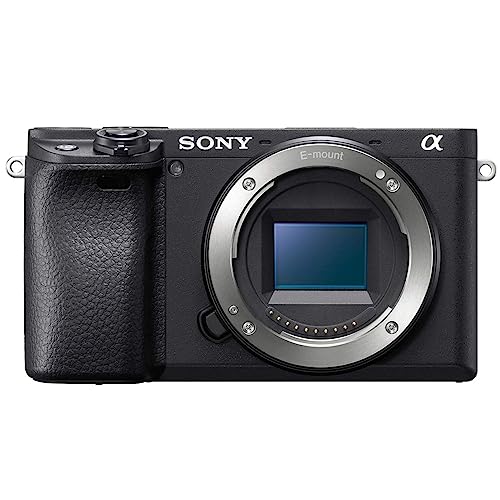
Sony Alpha a6400 mirrorless camera

Sony Alpha a6400 (Mirrorless Upgrade Pick)

Stronger low-light performance and compact body size for users ready to move past basic DSLR capture while keeping a portable setup.

Beginner Astrophotography Framework: Buy in the Right Order

  • Step 1: Choose your target type first (Moon/planets vs bright nebulae).
  • Step 2: Pick a workflow you can repeat weekly (smart telescope or traditional camera setup).
  • Step 3: Keep focal length moderate in your first setup to reduce tracking errors.
  • Step 4: Build capture consistency before chasing advanced accessories.
  • Step 5: Upgrade one bottleneck at a time after 8 to 12 successful sessions.

Starter Kits by Budget

Budget Recommended Setup Best Targets
$400 to $700Seestar S50 all-in-oneMoon, bright clusters, easy nebulae
$700 to $1,100StarSense + Nikon D7500Moon, Jupiter/Saturn, bright wide-field targets
$1,100 to $1,800NexStar 5SE + Sony a6400Planets and brighter deep-sky sessions

First 90 Days: Beginner Imaging Plan

  1. Weeks 1-2: Learn setup and framing with Moon-only sessions.
  2. Weeks 3-6: Add Jupiter and Saturn capture runs with repeatable settings.
  3. Weeks 7-10: Capture 2 to 3 bright deep-sky targets and stack your best data.
  4. Weeks 11-13: Review bottlenecks and make one focused gear upgrade.

FAQ: Beginner Astrophotography Telescope Setup

Can I start astrophotography without an expensive telescope?

Yes. Many beginners get better early results with simpler, lower-friction systems than with expensive complex rigs they cannot use consistently.

Should I buy the telescope first or camera first?

Choose a matched workflow first. In most beginner setups, a balanced telescope-camera combination performs better than upgrading one side alone.

What is the easiest first target for astrophotography?

The Moon is the easiest and most repeatable first target, followed by Jupiter and Saturn when they are well placed.