
Best Beginner Astrophotography Setup Under $1,000 (2026): Complete Mount-First Kit
Telescope Advisor Logo Telescope Advisor
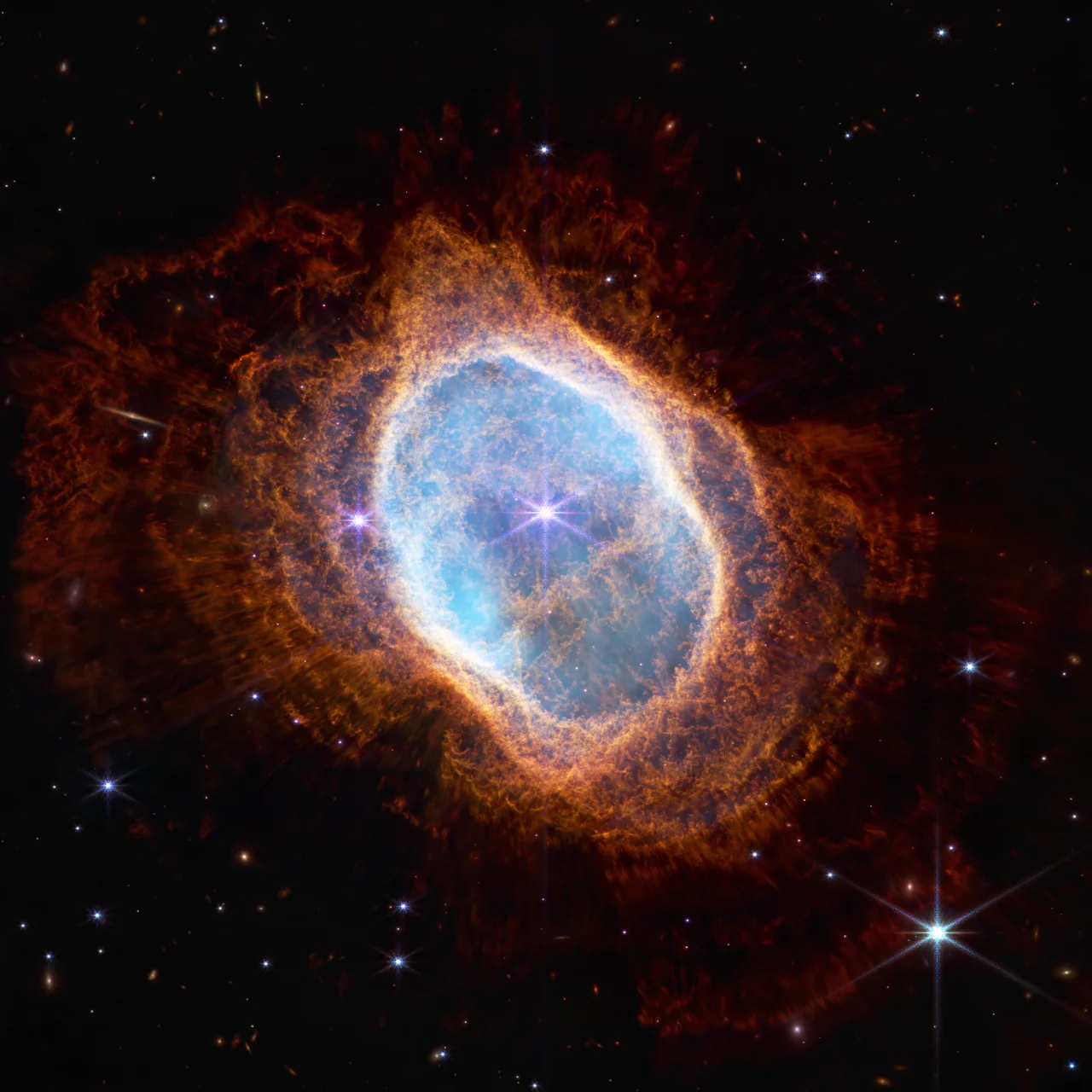
Deep-sky nebula image representing beginner astrophotography targets

Astrophotography Buying Guide · 2026

Best Beginner Astrophotography Setup Under $1,000: A Complete Mount-First Kit

Most first-time astrophotography buyers spend too much on the telescope and too little on the mount. This guide flips that logic so your first 10 sessions produce usable images instead of frustrating star trails.

$1,000

Total budget cap

35-45%

Mount budget share

50-80mm

Best starter focal range

Seestar

Plug-and-play tier

By Telescope Advisor Editorial Team Published: Updated: Editorial Standards

Quick Answer: What Is the Best Beginner Astrophotography Setup Under $1,000?

The best beginner setup under $1,000 is a mount-first kit: a star tracker (Star Adventurer 2i or SkyGuider Pro), a short-focus refractor in the 50mm to 80mm class, and a beginner DSLR or mirrorless body.

If you want the easiest success path with less technical setup, use the second tier in this guide: ZWO Seestar S50. It sacrifices some manual learning, but dramatically improves first-month success for many beginners.

Why the Mount Is Your Most Important Investment

A mount controls tracking accuracy. Tracking accuracy controls star shape. Star shape controls whether your image is usable. That chain is why beginner astrophotography should be mount-first, not telescope-first.

Many first-time buyers do the opposite: they buy the largest tube they can afford, then place it on a weak mount. The result is predictable: trailing stars, inconsistent framing, and abandoned projects. A smaller scope on a stable tracker beats a bigger scope on an unstable mount almost every time.

Decision Short-Term Feeling First-Month Outcome
Large scope + weak mountFeels powerful on paperFrequent trailing and setup frustration
Small refractor + strong trackerLooks conservativeHigher keeper rate and faster learning
All-in-one smart scopeFastest early successGreat first images, less manual skill depth

Budget Breakdown: Astrophotography Under $1,000

Use this split as your starting template. Shift only after 8 to 10 successful sessions.

Mount / Tracker

$300 to $400

Star Adventurer 2i or SkyGuider Pro class

Small Scope

$250 to $400

Short focal length refractor (50mm to 80mm class)

Camera

$300+

Used DSLR/mirrorless or compact astro camera path

Accessories

$75 to $150

Tripod stability, power, and simple cable management

Three Beginner Kit Builds (Under $1,000 Focus)

Editor's Pick - Best Learning + Upgrade Path
Sky-Watcher StarTravel 80 refractor starter telescope

Kit A: Star Tracker + Short Refractor + DSLR

Use a Star Adventurer 2i or SkyGuider Pro as the tracking base, pair it with a short refractor, and add a beginner DSLR body. This is the best balance of image quality, learning value, and future upgrades.

  • Mount-first architecture for cleaner stars
  • Beginner-friendly focal length for easier tracking
  • Expandable over time without replacing everything
Nikon D7500 beginner astrophotography camera body

Kit B: Budget-Managed Traditional Setup

If your total must stay near the lower end of the range, use the SkyGuider Pro mount class with a compact camera-first strategy and add optics gradually.

View SkyGuider Pro →
ZWO Seestar S50 all-in-one smart telescope

Kit C: Second Tier for True Plug-and-Play Beginners (Seestar S50)

If you want easy first wins and minimal setup complexity, Seestar S50 is the practical second tier. It automates target acquisition, tracking, and stacking so beginners can produce shareable results quickly.

View Seestar S50 →
🔭

Not sure which telescope actually fits your goals?

Answer 5 quick questions about your budget, observing targets, and experience level — our Telescope Finder Tool recommends a specific model in under 2 minutes.

Find My Telescope →

Buy by Component: Recommended Parts and CTAs

Use this section if you want to build your own kit step-by-step instead of buying an all-in-one solution.

Component Recommended Option Typical Budget Action
Mount Sky-Watcher Star Adventurer 2i $350-$450 View on Amazon →
Mount (alt) iOptron SkyGuider Pro $350-$500 View on Amazon →
Starter telescope Sky-Watcher StarTravel 80 $250-$350 View on Amazon →
Camera Nikon D7500 $500-$800 (new or used) View on Amazon →
Camera (alt) Sony Alpha a6400 $700-$900 (new or used) View on Amazon →
Tripod / support Manfrotto Befree 3-Way Live Advanced $180-$250 View on Amazon →

Note: the ideal beginner scope in this tier is often a 50mm to 72mm ED refractor. If your exact ED model is unavailable, keep focal length short and prioritize mount quality first.

Most Common Under-$1,000 Mistakes

  • Overspending on aperture: bigger optics on weak tracking almost always underperform smaller tracked systems.
  • Ignoring workflow: buy for the process you can repeat weekly, not the one that looks best in forum photos.
  • Skipping stability: vibration control from mount and tripod quality is not optional.
  • Trying too many targets too early: start with the Moon and bright nebulae until your process is consistent.

FAQ: Beginner Astrophotography Setup Under $1,000

Can I do real astrophotography with less than $1,000?

Yes. A mount-first build with realistic focal length and target choices can produce strong first-month results in this budget class.

Should I buy a bigger telescope first?

Usually no. For beginners, tracking quality affects image quality more than raw aperture in this budget tier.

Is Seestar S50 a good beginner alternative?

Yes. Seestar is the easiest way to get quick imaging wins. It is a strong second tier for users who prioritize convenience over manual setup depth.