
Best Star Trackers for Beginners (2026): Wide-Field Astrophotography Without a Telescope
Telescope Advisor Logo Telescope Advisor
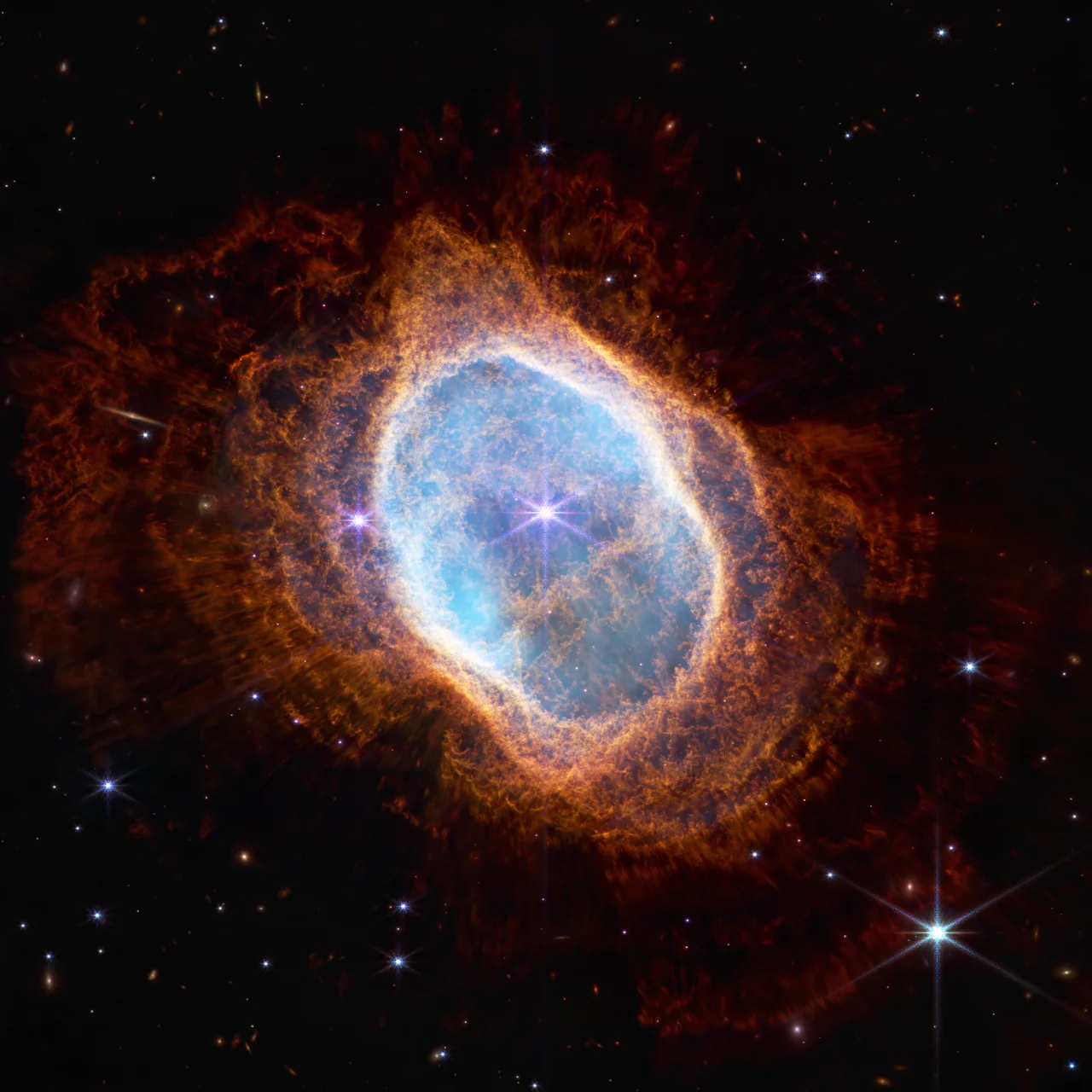
Deep-sky image representing wide-field tracked astrophotography

Astrophotography Gear Guide · 2026

Best Star Trackers for Beginners (2026): Wide-Field Astrophotography Without a Telescope

If your goal is cleaner Milky Way and nebula photos with a DSLR, a star tracker is usually your best first upgrade. This guide shows the beginner-safe options, practical differences, and how to pick the right one without overspending.

$300-$600

Typical tracker budget

No scope

DSLR + lens is enough

2-5 min

Tracked exposure range

High AOV

Long-term upgrade path

By Telescope Advisor Editorial Team Published: Updated: Editorial Standards

Quick Answer: What Is the Best Star Tracker for Beginners?

For most beginners, the best first star tracker is the Sky-Watcher Star Adventurer 2i. It balances payload, reliability, and ecosystem support better than most first-time alternatives.

If your priority is compact travel and simpler handling with a DSLR + telephoto lens, the iOptron SkyGuider Pro is also a strong beginner pick. Both let you start astrophotography without buying a full equatorial mount or telescope.

Why Star Trackers Are the Ideal Beginner Astrophotography Upgrade

A star tracker rotates with the sky and compensates for Earth rotation. That single improvement turns short, noisy handheld sky frames into longer exposures with cleaner stars and stronger signal.

For beginners, this is usually the smartest path because you can keep using your existing DSLR or mirrorless camera and lens. You learn alignment, framing, and capture workflow before you move into heavier telescope rigs.

Top Star Tracker Picks for Beginners

Editor's Pick - Best Overall Beginner Star Tracker
🌠

1) Sky-Watcher Star Adventurer 2i Pro Pack

Best overall first tracker for beginners who want stable wide-field astrophotography with room to grow. Strong ecosystem support and dependable field results make it a safe long-term buy.

📸

2) iOptron SkyGuider Pro Full Package

Excellent compact tracker for beginners prioritizing portability and fast deployment at dark-sky sites.

View on Amazon →
ZWO Seestar S50 smart scope alternative for beginner imaging

3) ZWO Seestar S50 (Smart Alternative)

Not a traditional star tracker, but an easy alternative for beginners who want automatic tracking and image stacking with minimal setup complexity.

View on Amazon →

Comparison: Payload, Polar Scope, and Control

Model Typical Payload Class Polar Scope Included App / Smart Control Best Beginner Fit
Star Adventurer 2iMid payload tracker classYesBasic app supportBest all-around first tracker
SkyGuider ProMid payload tracker classYesBasic app supportBest travel-friendly option
Seestar S50Integrated smart systemAuto routineFull app workflowBest plug-and-play route
🔭

Not sure which telescope actually fits your goals?

Answer 5 quick questions about your budget, observing targets, and experience level — our Telescope Finder Tool recommends a specific model in under 2 minutes.

Find My Telescope →

Best Beginner Targets with a Star Tracker

  • Milky Way core fields: easiest confidence builder with wide lenses.
  • Andromeda Galaxy (M31): ideal first deep-sky tracked target with a short telephoto.
  • Orion Nebula (M42): high reward in winter season with short stacked exposures.

First-Night Star Tracker Workflow (Beginner Safe)

  1. Level tripod and lock down all head adjustments before mounting gear.
  2. Perform basic polar alignment and verify with a short test exposure.
  3. Start at shorter focal lengths for easier tracking tolerance.
  4. Capture multiple subs and stack before making major setup changes.

FAQ: Star Trackers for Beginners

Do I need a telescope to use a star tracker?

No. Most beginners start with a DSLR or mirrorless camera plus a lens, then add a telescope later if needed.

Is a star tracker better than a full equatorial mount for beginners?

For many first-time users, yes. Star trackers are lighter, simpler, and easier to deploy while still delivering strong wide-field results.

What is the easiest first target?

The Milky Way and Andromeda are usually the easiest early wins with short focal lengths and stacked exposures.