
Best Stargazing in Arizona — Dark Sky Sites, Parks & Complete Viewing Guide (2026)
Telescope Advisor Logo Telescope Advisor
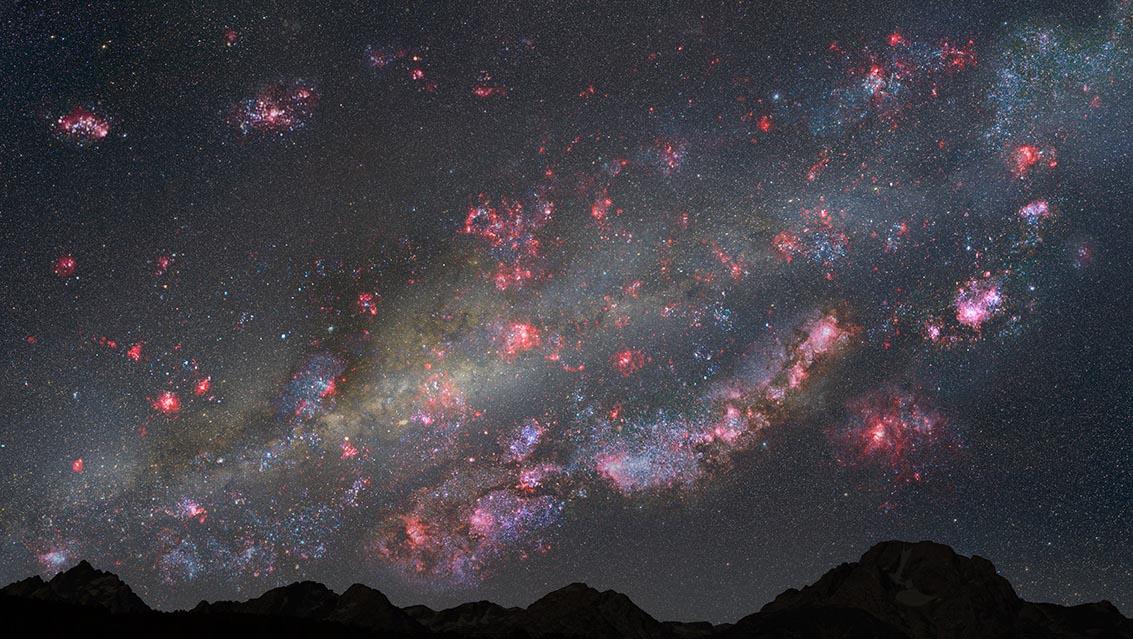
The Milky Way arching over a dark desert landscape — representing Arizona's world-class dark sky locations

Stargazing Destination Guide · Arizona

Best Stargazing in Arizona — Dark Sky Sites & Complete Viewing Guide (2026)

Arizona is one of the premier stargazing destinations in the United States, home to the world's first International Dark Sky City (Flagstaff), the iconic Grand Canyon National Park, and Kitt Peak National Observatory — one of the largest collections of optical telescopes on Earth. With more dark sky certified sites than any other state except Utah, Arizona offers exceptional stargazing opportunities from the high Colorado Plateau to the Sonoran Desert.

Dark Sky Sites10+ certified
Best Bortle Class1–3 (most sites)
Best SeasonYear-round
Major ObservatoryKitt Peak (public programs)
By Telescope Advisor Editorial TeamPublished: Updated: Reviewed & approved by Juhi Sahni, Senior Editor Editorial Standards

Arizona's Top Stargazing Sites at a Glance

Arizona's combination of high elevation, arid climate, and strong dark sky preservation laws makes it one of the best states in the US for stargazing. The table below compares the top locations by accessibility, sky quality, and amenities.

LocationBortleDark Sky CertifiedDrive from PhoenixBest For
Flagstaff2–3World's First Dark Sky City2 hrsUrban dark sky with observatories
Grand Canyon NP1–2Gold Tier (park)3.5 hrsIconic landscape + dark skies
Kitt Peak Nat. Obs.2–3No (research site)2 hrsPublic night programs, 4m scope
Oracle State Park3Silver Tier1.5 hrsClosest dark sky to Tucson
Petrified Forest NP2–3Gold Tier3.5 hrsUnique landscape + dark sky programs

Flagstaff — America's First Dark Sky City

In 2001, Flagstaff became the world's first International Dark Sky City — a designation earned through decades of strict light pollution ordinances dating back to 1958, when the city passed the first lighting code in the United States specifically to protect the views from Lowell Observatory. Today, Flagstaff remains a model for dark sky preservation: streetlights are fully shielded, outdoor lighting is regulated by colour temperature, and the city actively enforces compliance. The result is that Flagstaff — a city of 75,000 people — maintains Bortle Class 2–3 skies just minutes from downtown, an extraordinary achievement for a city of its size.

Lowell Observatory is the city's crown jewel. Founded in 1894 by Percival Lowell, this is where Clyde Tombaugh discovered Pluto in 1930. Today, Lowell offers nightly public telescope viewing through its historic 24-inch Clark Refractor and modern 32-inch research telescopes. The observatory's astronomy programs run year-round with guided constellation tours, solar viewing during the day, and deep-sky observing after dark. Tickets are affordable ($12–$18) and include access to the Giovale Open Deck Observatory, where visitors can set up their own equipment alongside the observatory's research-grade telescopes.

Grand Canyon National Park — Stargazing Above the Abyss

Grand Canyon National Park is an International Dark Sky Park (Gold Tier) — a designation earned through the park's comprehensive light management programme that includes retrofitting all 12,000+ light fixtures to be dark-sky compliant. The park's remote location in northern Arizona, high elevation (7,000 ft at the South Rim), and dry climate produce Bortle Class 1–2 skies across most of the park. On moonless nights, the Milky Way is bright enough to cast a visible shadow, and the zodiacal light is a regular feature of the pre-dawn sky.

The South Rim is the most accessible stargazing area, with a dedicated Star Viewing Area near the Verkamp's Visitor Center, open nightly from dusk to midnight. The park hosts an annual Grand Canyon Star Party each June — one of the largest star parties in the United States, featuring dozens of amateur astronomers with telescopes set up along the rim for public viewing. Rangers lead night sky programmes throughout the year, including constellation talks, telescope viewing sessions, and astrophotography workshops. The North Rim offers even darker skies (Bortle 1) but is only open seasonally (May through October).

Kitt Peak National Observatory — Public Night Programs

Perched on the Quinlan Mountains at 6,875 feet elevation, Kitt Peak National Observatory is home to the largest and most diverse collection of optical telescopes in the world — 22 research telescopes operated by a consortium of universities. The observatory sits within the Tohono O'odham Nation, and its location in the Sonoran Desert provides some of the clearest, steadiest skies in the continental United States, with over 300 clear nights per year.

Kitt Peak offers Nightly Observing Programs on Friday and Saturday nights, where visitors can observe through the 16-inch and 20-inch research-grade telescopes. The programme includes a guided tour of the night sky using a green laser pointer, followed by viewing of planets, globular clusters, planetary nebulae, and galaxies through the large-aperture instruments. Daytime tours of the 4-metre Mayall Telescope and the iconic McMath-Pierce Solar Telescope are also available. Tickets for the night programme typically cost $50–$60 and often sell out weeks in advance during peak season.

Other Notable Arizona Stargazing Locations

Oracle State Park is a Silver Tier Dark Sky Park just 45 minutes north of Tucson, offering Bortle Class 3 skies with regular star parties hosted by the Tucson Amateur Astronomy Association. Petrified Forest National Park in northeastern Arizona is a Gold Tier Dark Sky Park featuring Bortle Class 2 skies and the unique experience of stargazing among ancient fossilised trees. Lake Powell and Glen Canyon National Recreation Area offer Bortle Class 2 skies along the Utah border, with dramatic canyon landscapes that frame night photography beautifully. Organ Pipe Cactus National Monument near the Mexican border provides Bortle Class 2 skies in a remote Sonoran Desert setting, perfect for winter stargazing.

Best Telescopes for Arizona Dark Sky Parks

Arizona's dark sky parks offer some of the best deep-sky observing conditions in the United States. The combination of high elevation, low humidity, and Bortle 1–2 skies transforms modest telescopes into powerful instruments. A compact tabletop Dobsonian or a portable refractor is ideal for travel to the Grand Canyon or Kitt Peak, where parking and walking distances can be significant.

Sky-Watcher Heritage 130P

Sky-Watcher Heritage 130P

Ultra-portable tabletop Dobsonian — ideal for Grand Canyon rim viewing and Flagstaff dark sky trips. Fits in a duffel bag.

Sky-Watcher Classic 200P

Sky-Watcher Classic 200P (8")

From Kitt Peak's dark skies, an 8-inch Dobsonian reveals spiral arms in galaxies and colour in nebulae. The ultimate Arizona scope.

Lowell Observatory — Where Pluto Was Discovered

Lowell Observatory in Flagstaff holds a special place in astronomical history as the site where Clyde Tombaugh discovered Pluto in 1930. Founded in 1894 by Percival Lowell to study Mars and search for a trans-Neptunian planet, the observatory has been at the forefront of planetary astronomy for over 130 years. Today, it offers one of the best public stargazing experiences in Arizona through its Giovale Open Deck Observatory — a state-of-the-art facility where visitors can observe through a suite of research-grade telescopes including a 32-inch research telescope, a 24-inch Clark Refractor (the original 1896 telescope), and several 14-inch Celestron Schmidt-Cassegrains.

Lowell's evening programmes typically begin with a guided constellation tour using green laser pointers, followed by observing sessions through multiple telescopes. Each instrument is set up for a different type of object — one for planets, one for bright nebulae and clusters, one for galaxies and faint deep-sky objects. The high elevation (7,200 feet) and Flagstaff's dark sky ordinances ensure exceptional transparency. During summer months, the Milky Way is visible in stunning detail even from the observatory parking lot. Tickets typically cost $15–$25 for adults and can be booked online in advance. The observatory also offers daytime tours of the historic 24-inch Clark Refractor and the Pluto Discovery Telescope.

Grand Canyon Star Party — A World-Class Annual Event

Each June, the Grand Canyon National Park hosts one of the largest and most famous star parties in the United States. The Grand Canyon Star Party draws amateur astronomers from across the country who set up telescopes along the South Rim for a week of public observing. During the event, visitors can look through dozens of telescopes ranging from small refractors to large Dobsonians, all staffed by volunteer astronomers eager to share the night sky. The combination of Bortle 1 skies, high elevation (7,000 feet), and the dramatic canyon setting creates an unforgettable observing experience — the Milky Way stretches from horizon to horizon with a brilliance that first-time visitors often describe as overwhelming.

The North Rim also participates, with telescopes set up at the Grand Canyon Lodge. The event typically coincides with the new moon in June to maximise dark sky conditions. For visitors who cannot attend the star party, the park offers nightly ranger-led astronomy programmes at the South Rim's Verkamp's Visitor Center from dusk to midnight. These programmes are free with park entry and include constellation talks, telescope viewing, and tips for exploring the night sky on your own. If you are planning a trip to Arizona in June, timing it for the Grand Canyon Star Party should be a top priority.


Frequently Asked Questions

Where is the best stargazing in Arizona?

Flagstaff offers the best combination of dark skies and amenities (world's first Dark Sky City, Lowell Observatory). Grand Canyon South Rim provides Bortle 1–2 skies over a world-famous landscape. Kitt Peak offers public research telescope access.

What is the best time of year for stargazing in Arizona?

Spring (March–May) and fall (September–November) offer comfortable temperatures and long nights. Summer (June–August) brings the Milky Way core overhead but afternoon thunderstorms can cloud the sky. Winter is cold but exceptionally clear and dry.

Can I visit Kitt Peak as a tourist?

Yes — Kitt Peak offers nightly observing programs Friday and Saturday ($50–$60, book weeks in advance) and daytime telescope tours. The 4m Mayall Telescope and McMath-Pierce Solar Telescope are open for guided tours.

Do I need a telescope for Arizona dark sky parks?

Not at all. From Grand Canyon's Bortle 1 skies, the Milky Way is stunning to the naked eye. Binoculars reveal dozens of deep-sky objects. Many parks have loaner telescopes or host star parties with scopes set up for public use.

Why is Flagstaff a dark sky city?

Flagstaff passed the US's first lighting code in 1958 to protect Lowell Observatory views. Today, all streetlights are fully shielded and outdoor lighting is colour-temperature regulated — Bortle 2–3 skies exist minutes from downtown.

Are there astronomy clubs in Arizona with public viewing nights?

Yes — the Tucson Amateur Astronomy Association hosts star parties at Oracle State Park. The Phoenix Astronomical Society meets monthly at Grand Canyon University. Flagstaff's Lowell Observatory offers nightly public programs.